Awareness of Time and Use
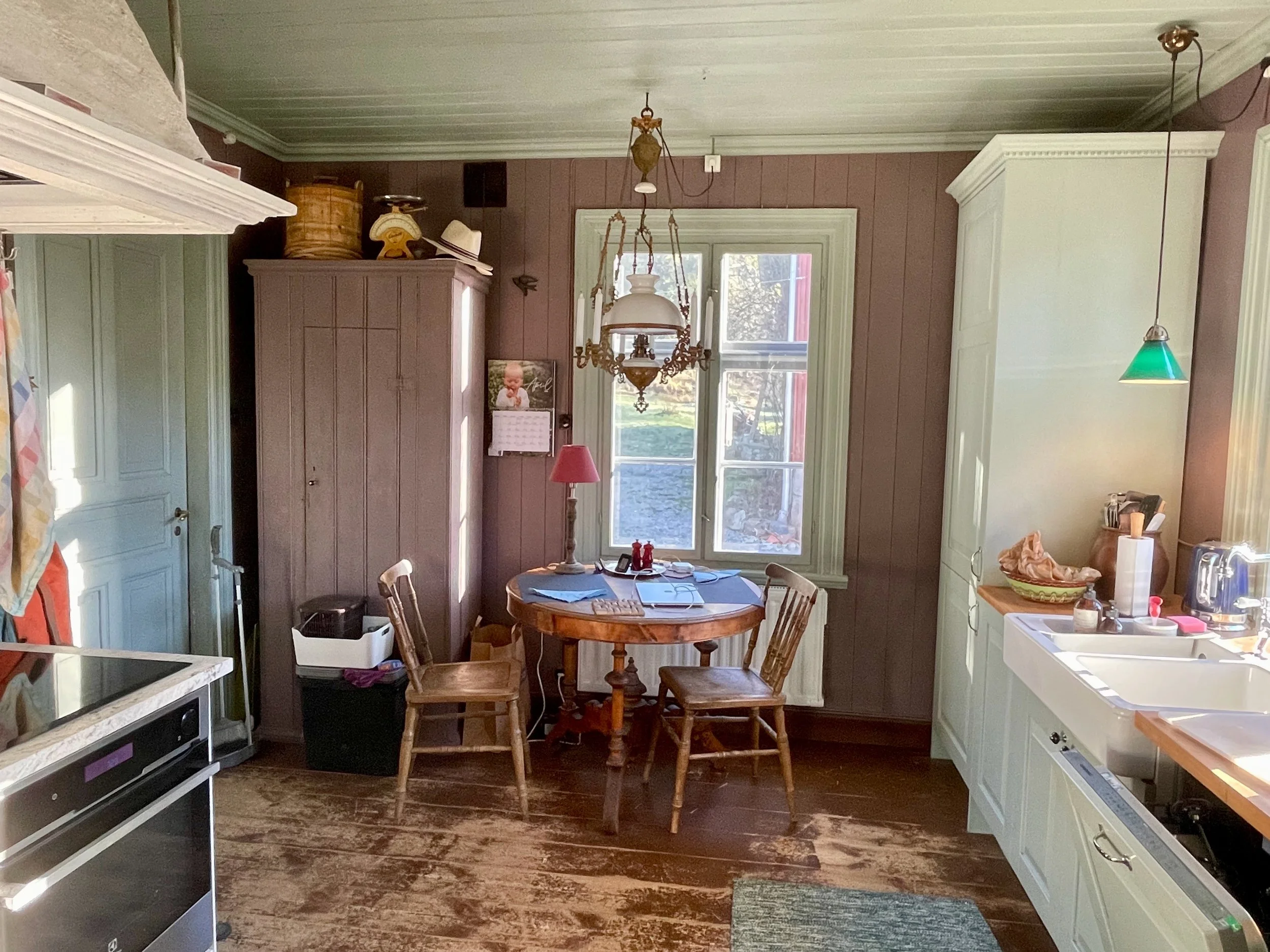
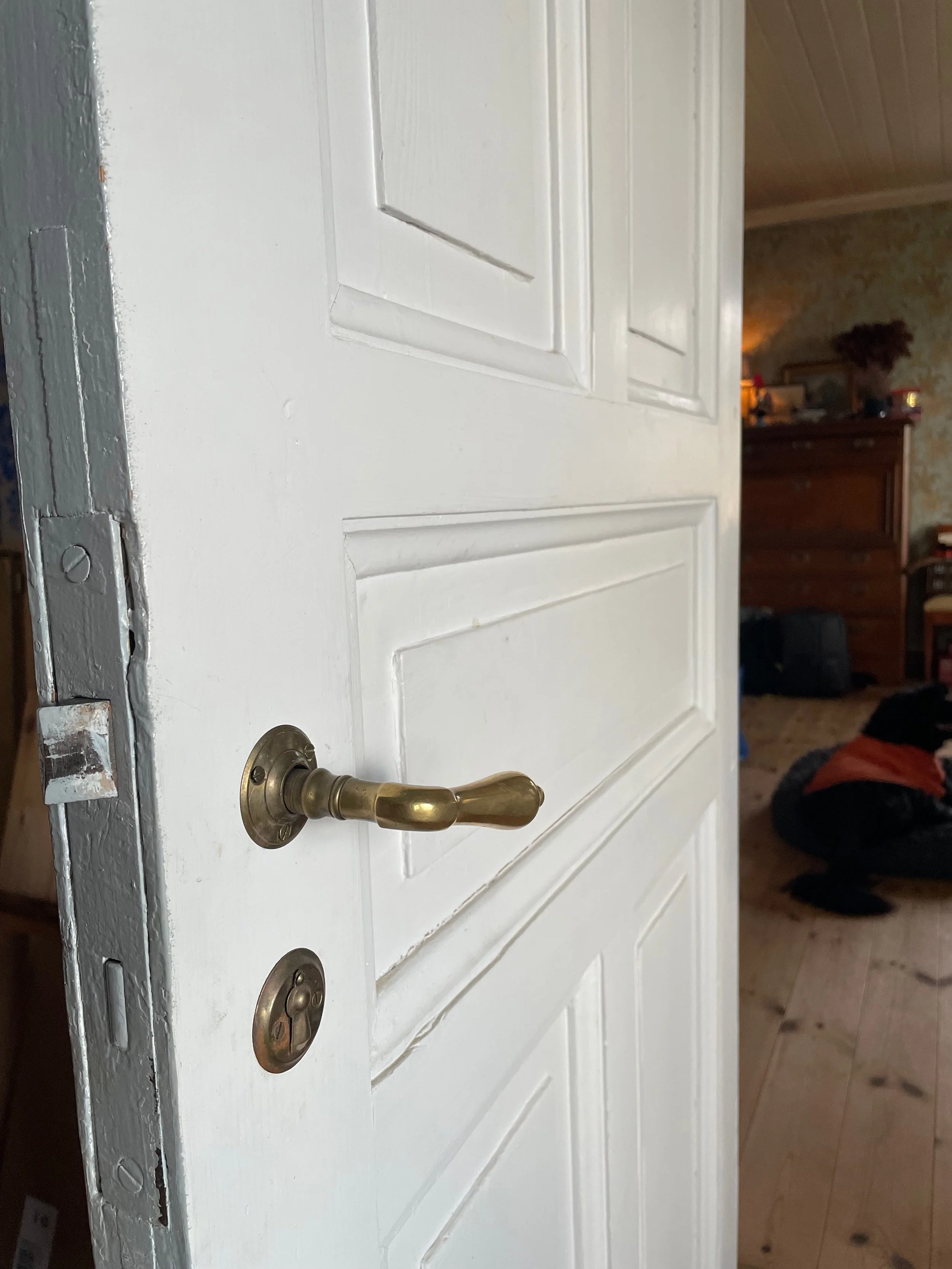
Time is not an enemy of buildings; it is a collaborator. Materials patinate, surfaces deepen, and small imperfections accumulate into character. To erase these signs is to remove part of the house’s identity.
A house is never static. It carries traces of those who have lived within it, patterns worn into floors, light softened by age, rooms shaped by changing needs. Preservation, at its core, is an awareness of this ongoing life.
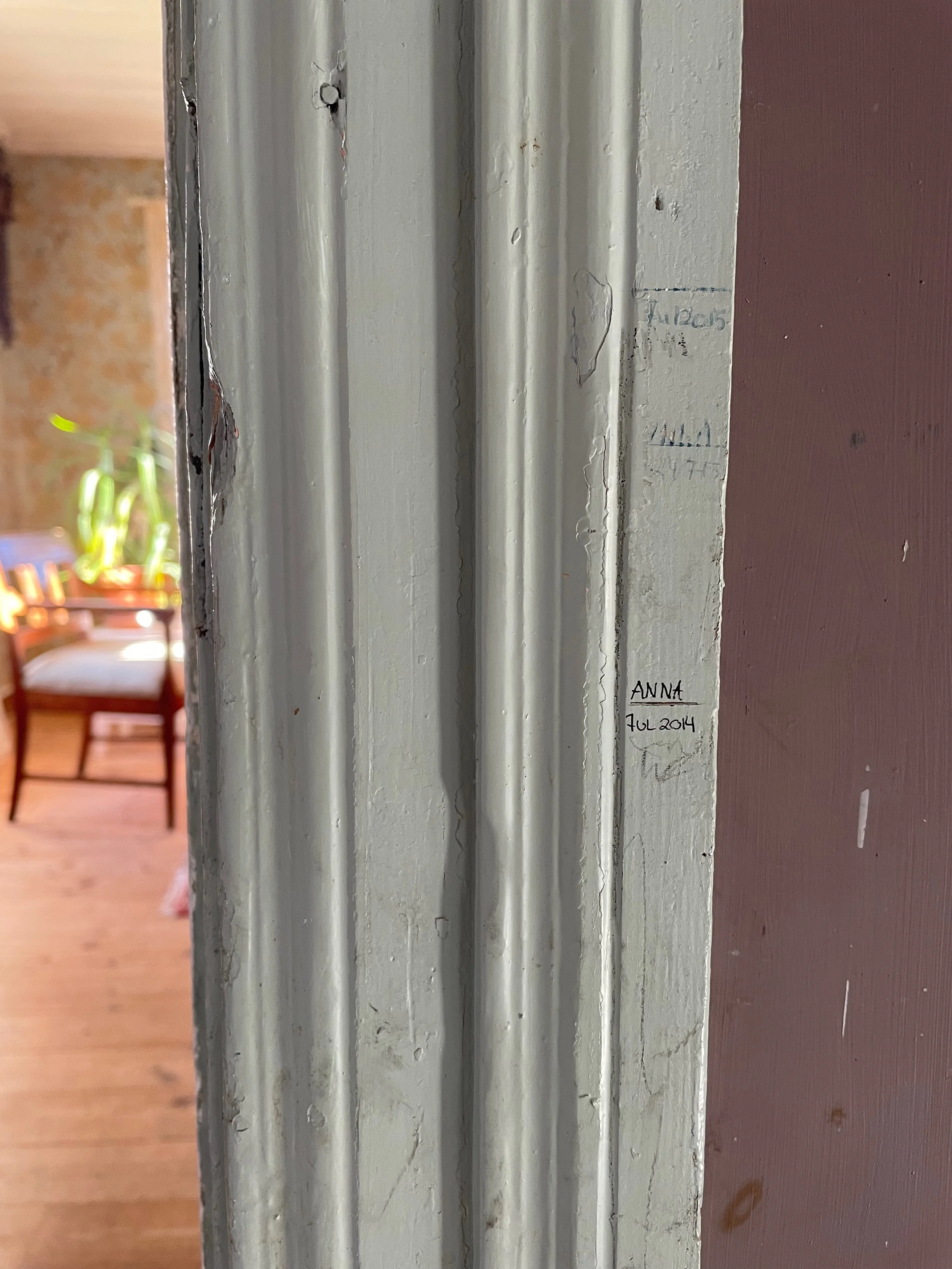
Equally important is use. A preserved home must still function as a home. It must accommodate contemporary life without losing its inherent qualities. This balance is delicate: too much adaptation risks erasure, too little risks irrelevance.
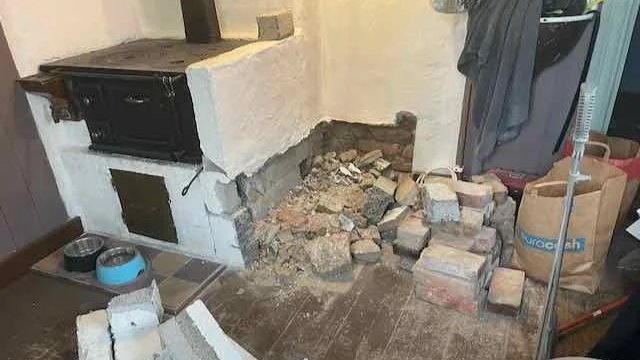
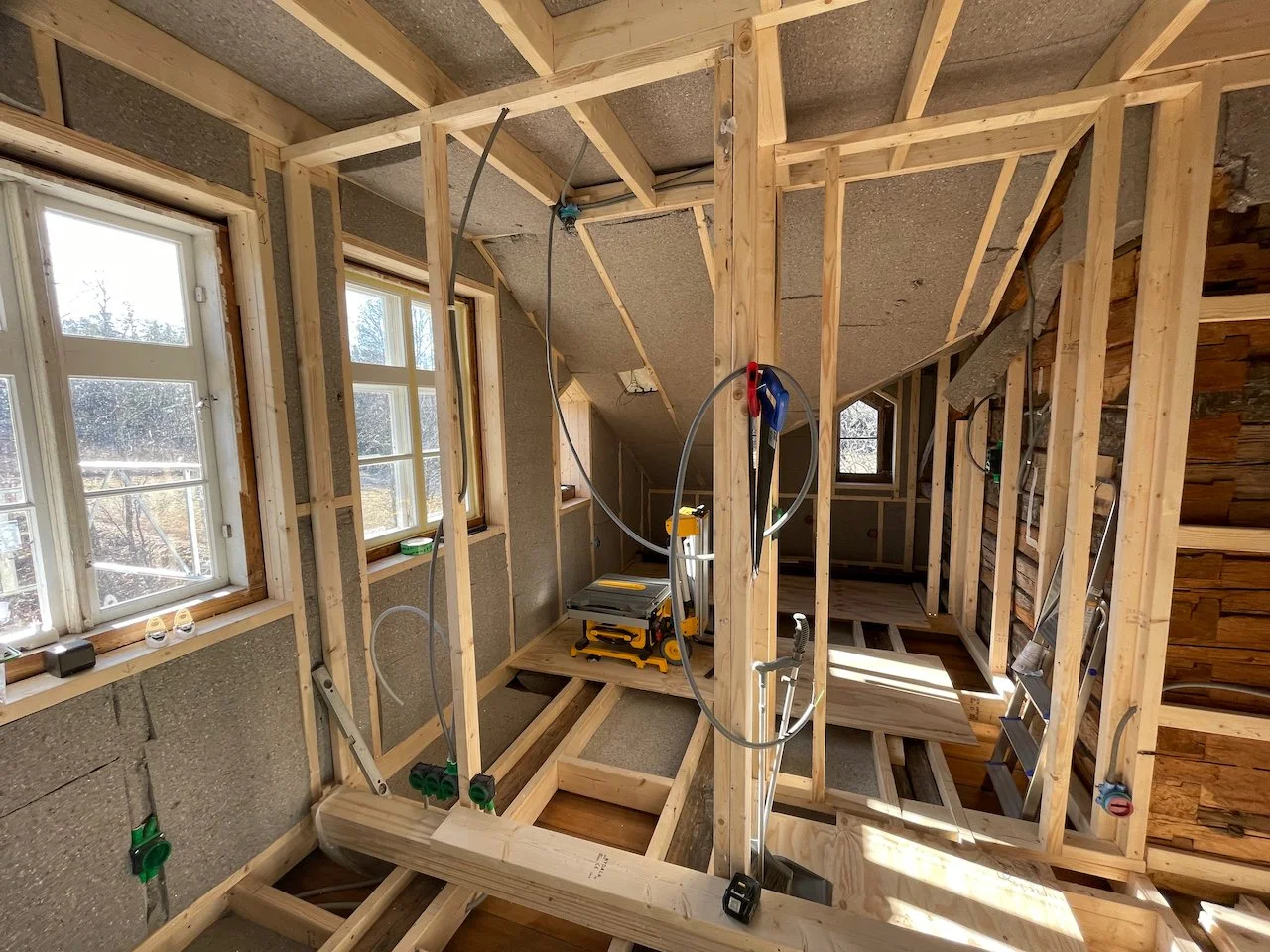
In Scandinavian practice, this often results in quiet interventions. A kitchen introduced with restraint. Insulation added where it does not disrupt breathability. Modern systems integrated but not exposed. The goal is not to make the old new, but to allow it to continue.
Awareness of time also implies responsibility for the future. Each decision becomes part of the building’s ongoing story. Preservation is not a final state, it is a continuous process of care, observation, and adjustment.
In this way, the house remains alive. Not preserved as an artifact, but sustained as a place.
Back to: Restoring the Past →