Fruit Trees in a Nordic Garden
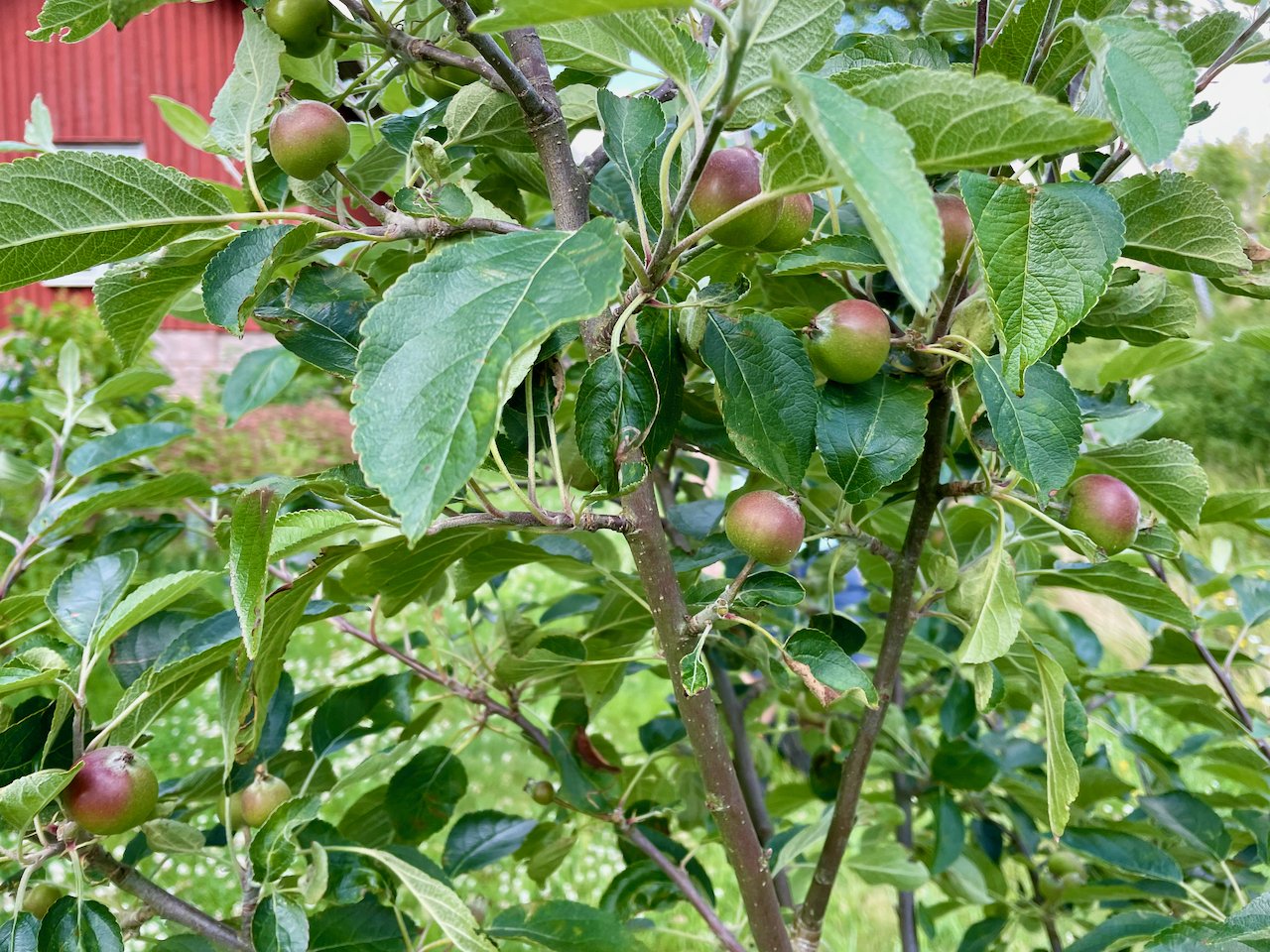
In a Nordic-inspired garden, fruit trees should be integrated as part of the natural rhythm of the landscape rather than arranged in strict rows. Traditional varieties that are hardy and well adapted to northern climates are ideal choices, ensuring resilience and a long lifespan. Place trees where they can frame views, soften the edges of buildings, and create small orchard rooms that invite rest and reflection.
Underplanting fruit trees with meadow flowers, herbs, and native grasses reinforces a natural, sustainable character while supporting pollinators and biodiversity. This layered approach echoes historic Scandinavian gardens, where beauty and usefulness were always intertwined. Over time, as the trees grow and the garden matures, they become living markers of patience and stewardship, an essential foundation for a Nordic country garden rooted in both tradition and the future.
Design in layers and seasonal interest, combine fruit trees with understory shrubs (currants, gooseberries), edible perennials, spring bulbs, and native groundcovers to create a year‑round structure, blossom in spring, and harvest in autumn. This is a hallmark of Scandinavian garden tradition. Plan your garden by using gravel paths, timber seating, and simple geometry for that Nordic look.
Selected Fruit Trees for Nordic Conditions
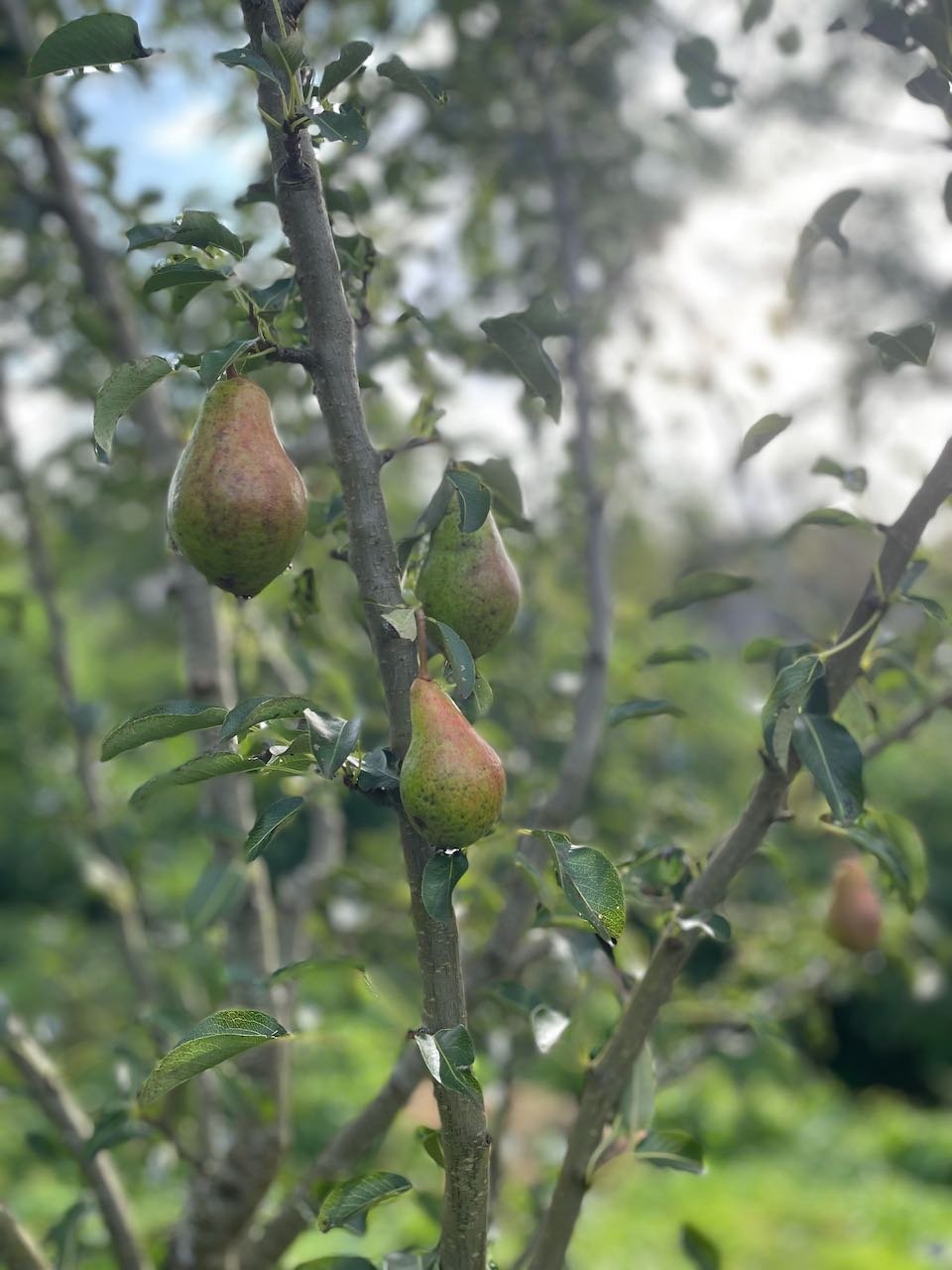
William’s Pear (Bartlett)
An English cultivar from the 18th century, introduced to Scandinavia in the 1800s. The fruit ripens in mid-September and is best enjoyed directly from the tree, as it does not store well. Large, green to yellow pears with a soft sweetness and a subtle hint of spice, suited for desserts and cooking.
Göteborgs Diamant (Pear)
A traditional Swedish variety cultivated since the 19th century. A vigorous, tall-growing tree that requires space and patience, but rewards with abundant harvests. The fruit ripens from September to October, with white, slightly grainy flesh and a sweet, balanced flavor. Best consumed fresh when ripe.
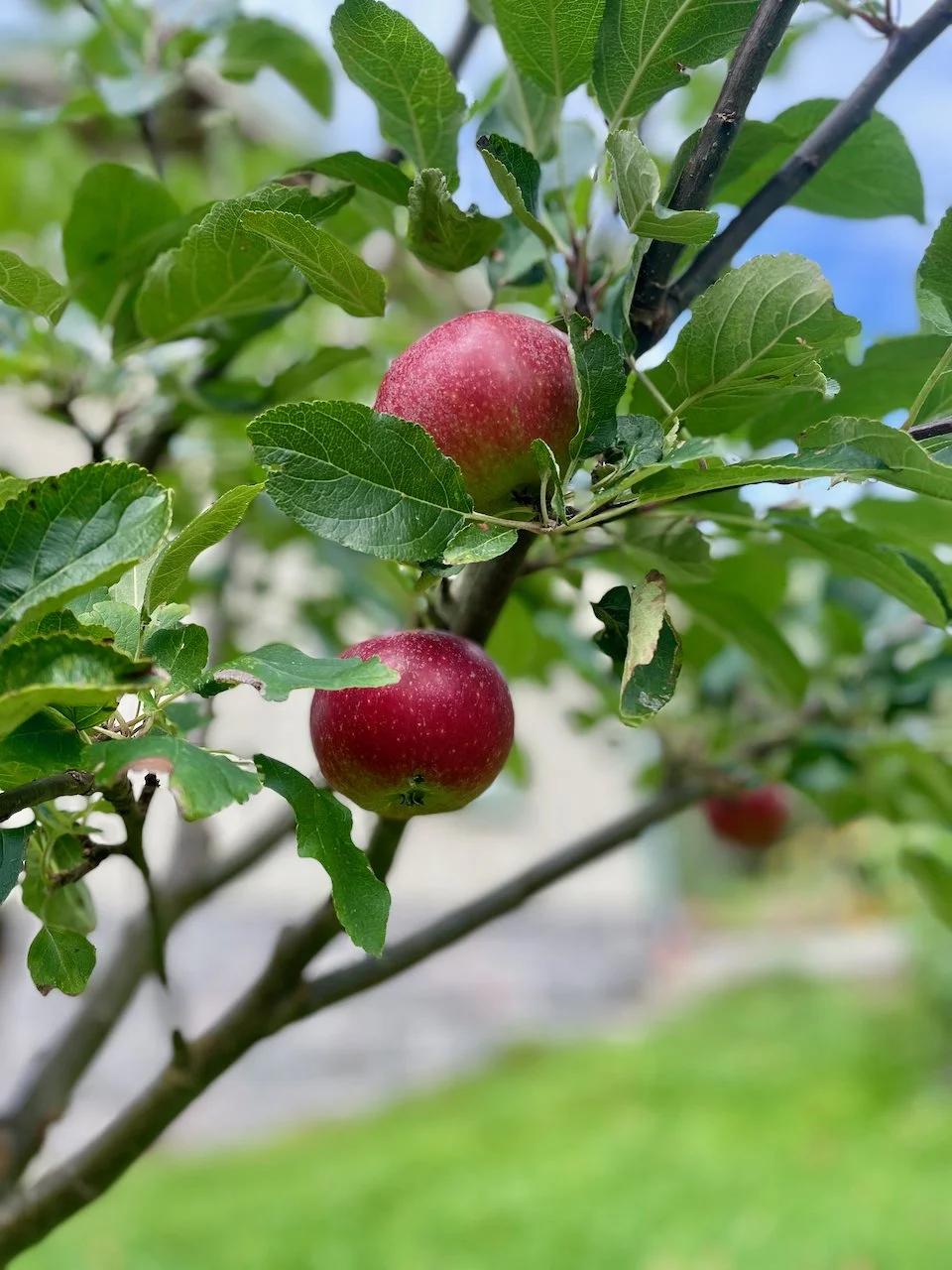
Ingrid Marie (Apple)
A Danish variety introduced to Sweden in the mid-20th century. A late-ripening apple, harvested from late October into November. Known for its deep red skin and aromatic flavor, with firm yellow-white flesh. A reliable winter apple suitable for both fresh eating and storage.
Katinka (Apple)
A Norwegian cultivar from the late 20th century. An early variety that ripens from late August to early September. The fruit has a light, aromatic character and is best enjoyed fresh during the early autumn season.
Aroma (Apple)
A Swedish cultivar developed in the mid-20th century. Ripening in September, it stores well for several months. Highly productive, with crisp flesh and a balanced, aromatic flavor. Suitable for both fresh consumption and culinary use.
Åkerö (Apple)
An historic Swedish variety with origins in the 18th century. A large, stately tree producing high-quality winter apples. Valued for its aromatic qualities and widely grown across Scandinavia where conditions allow. Particularly suited for baking and traditional cooking.
Herman (Plum)
A Swedish variety introduced in the 1970s. An early-ripening plum with dark blue-violet skin and yellow flesh. The flavor is sweet with a slight tartness. Suitable for preserving, cooking, and fresh eating when fully ripe.