Understanding Hardiness Zones in a Nordic Garden

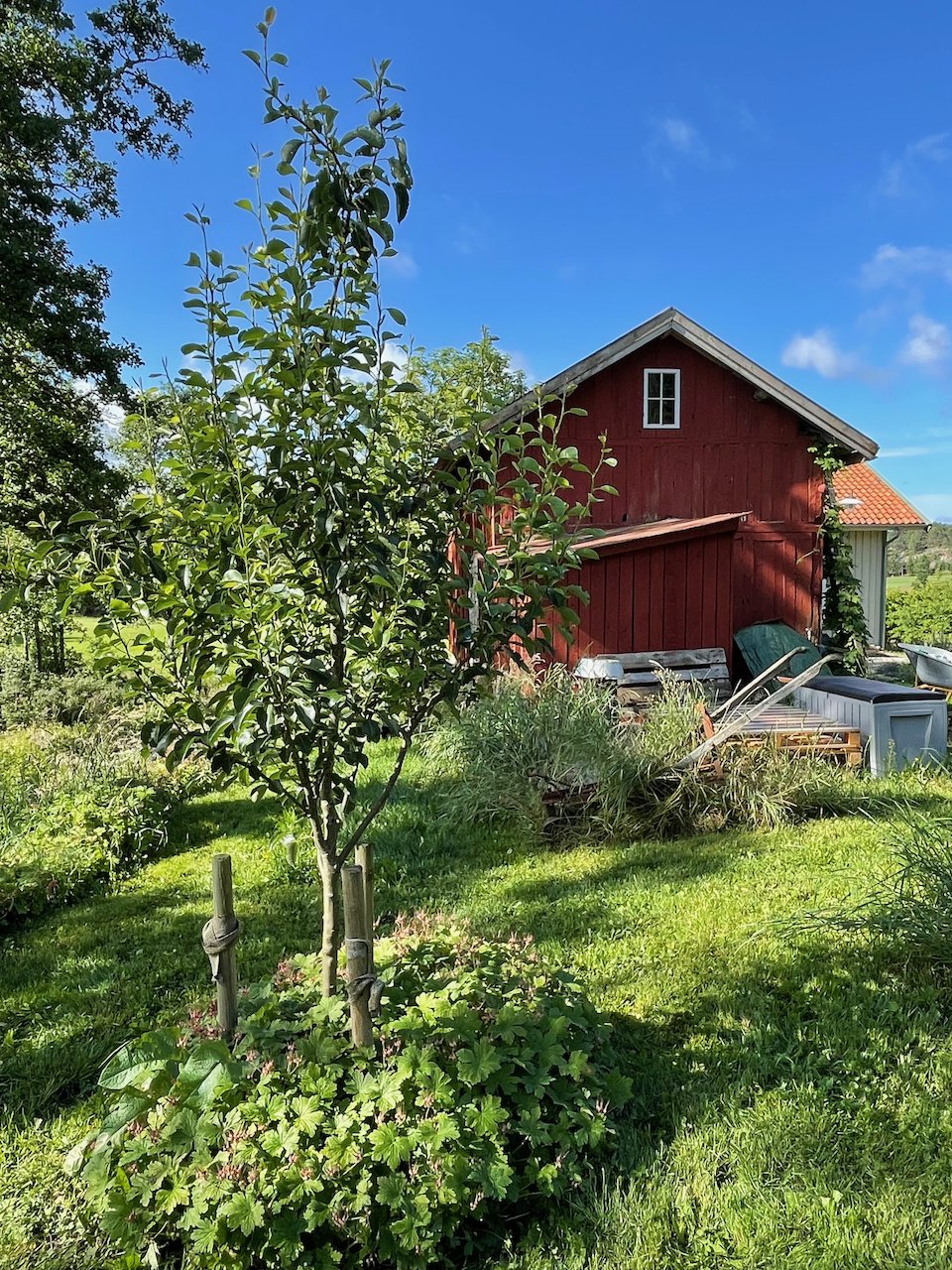
In a Nordic garden, success begins with acceptance of climate, of light, and of limitation. Hardiness zones are not strict rules, but quiet guides. They offer a framework for understanding what can endure the long winters, the shifting seasons, and the brief intensity of northern summers.
No system is entirely precise. Local conditions, wind exposure, soil depth, coastal influence, and snow cover will always shape outcomes. Yet hardiness zones remain one of the most valuable tools for planning a resilient garden.
To work within your zone is to garden with intention
It allows you to choose plants that are not merely surviving, but capable of settling in, returning year after year with strength and continuity. This reduces unnecessary effort and creates a garden that feels stable, grounded, and in rhythm with its surroundings.
Understanding your hardiness zone
Rather than testing the limits of what might grow, you shift focus from trial and error to quiet confidence selecting plants that belong, and allowing the garden to mature with ease.
In this way, hardiness is not a constraint, but a foundation. It is where a Nordic garden begins.
Return to: Nordic Garden→
Continue to read: Planting the Nordic Garden→