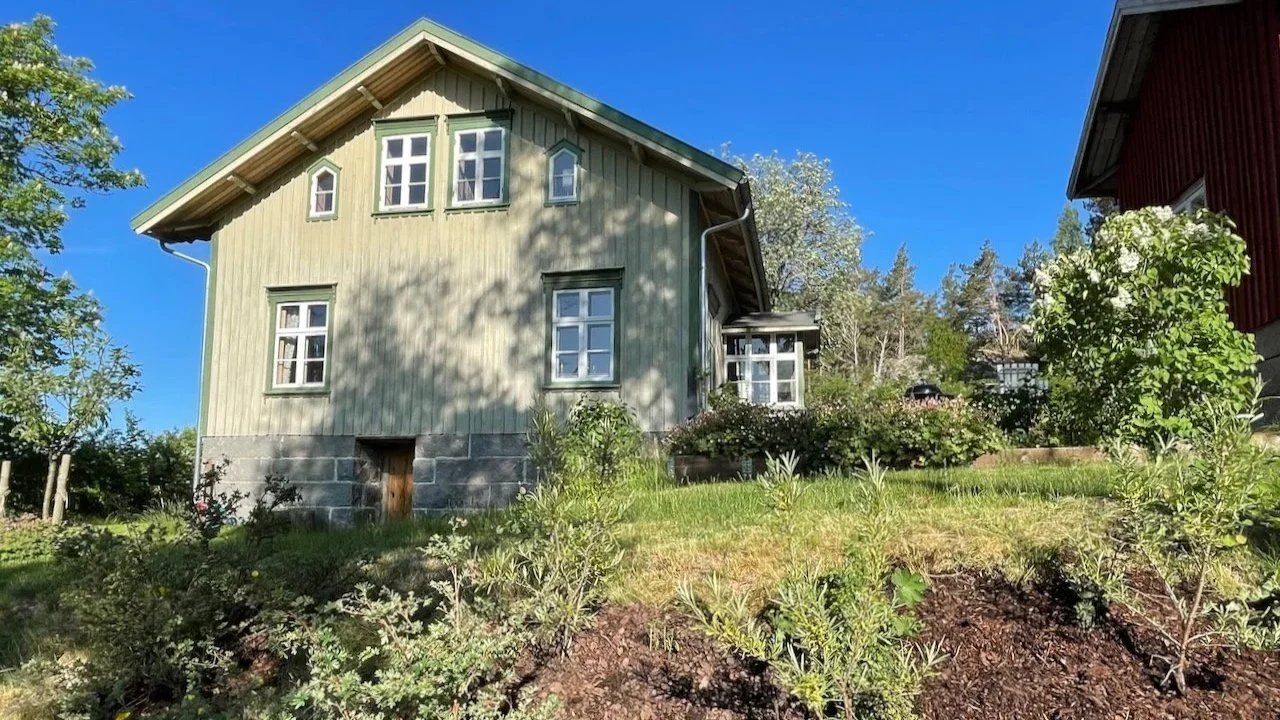

The Nordic Kitchen Garden
The kitchen garden is the most direct expression of the Nordic approach to cultivation. It is practical, structured, and closely tied to daily life.
Historically, it provided essential food through the growing season and formed the basis for what could be stored and preserved for winter.
Even today, its logic remains unchanged: grow what is needed, where it will reliably succeed, in well-prepared soil that supports steady growth.
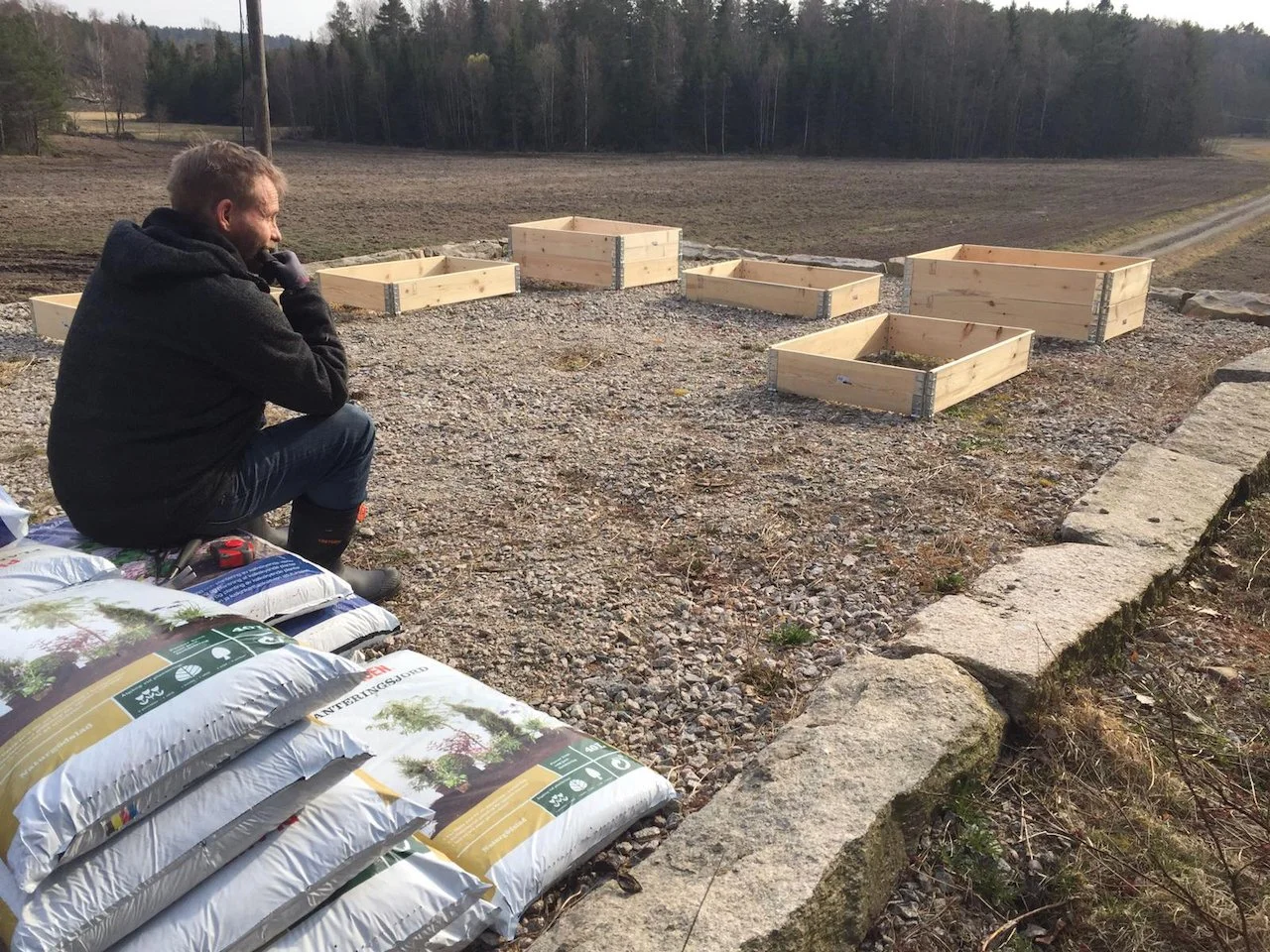
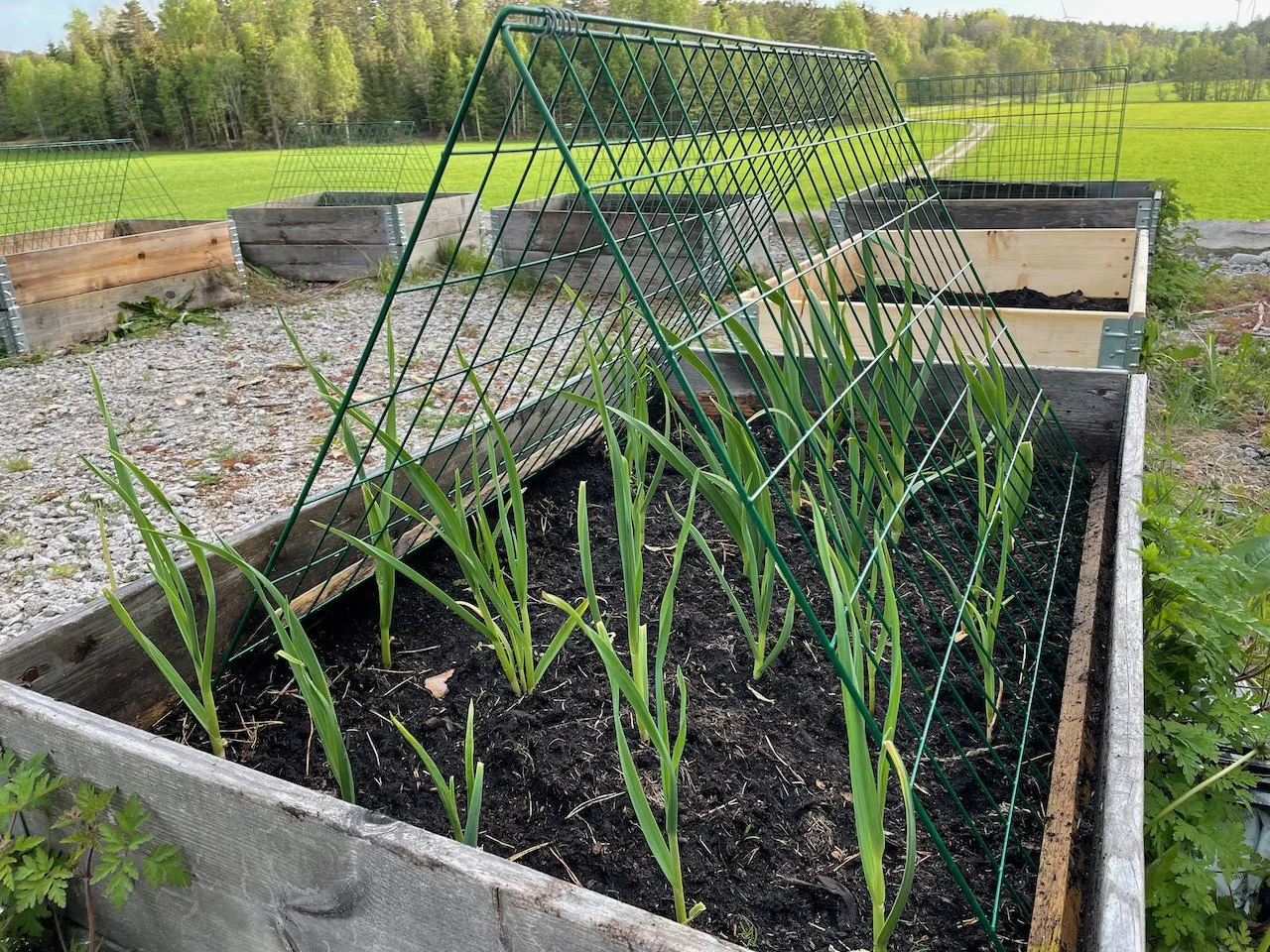
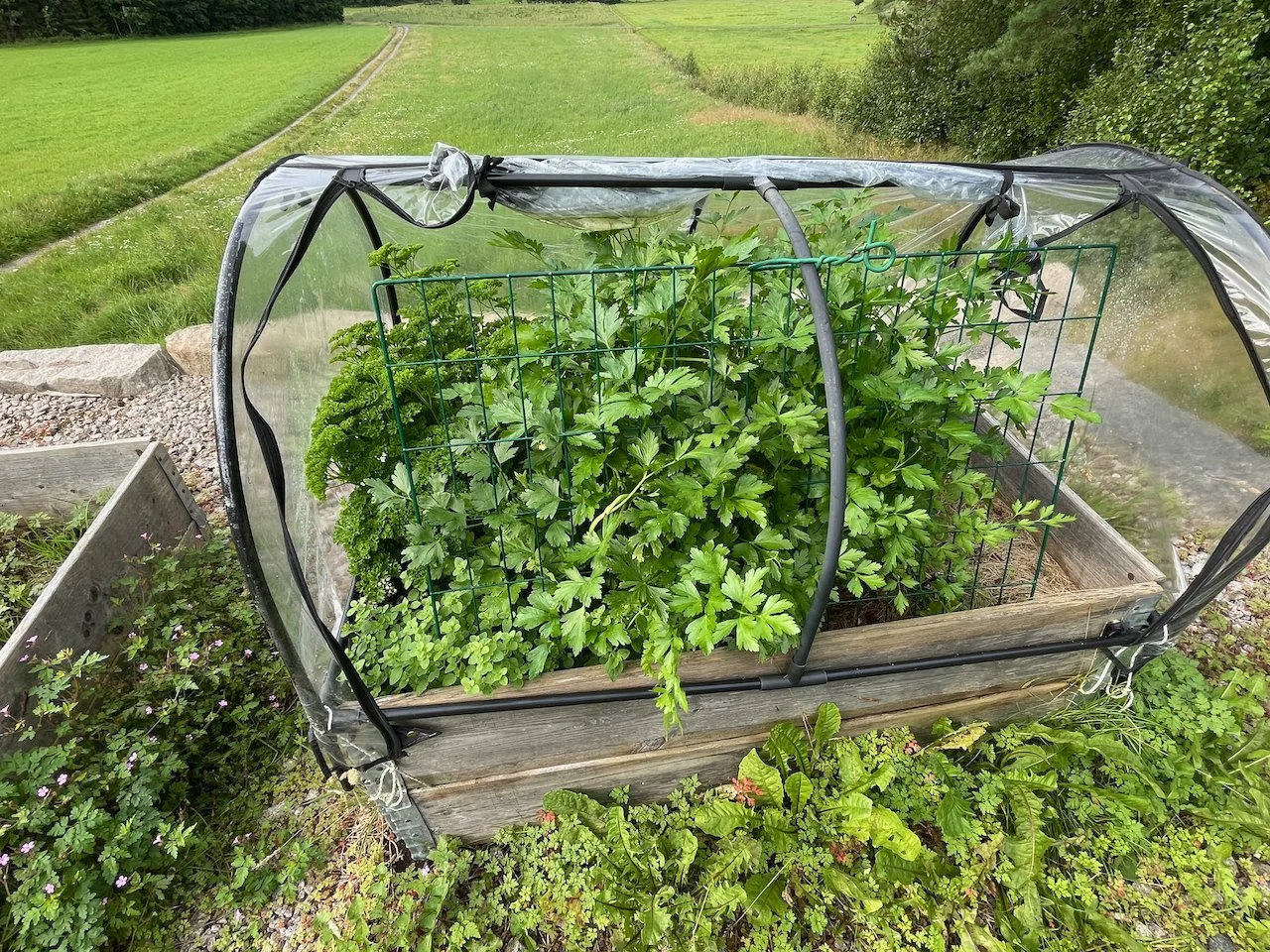

Our selection of crops are both deliberate and familiar:
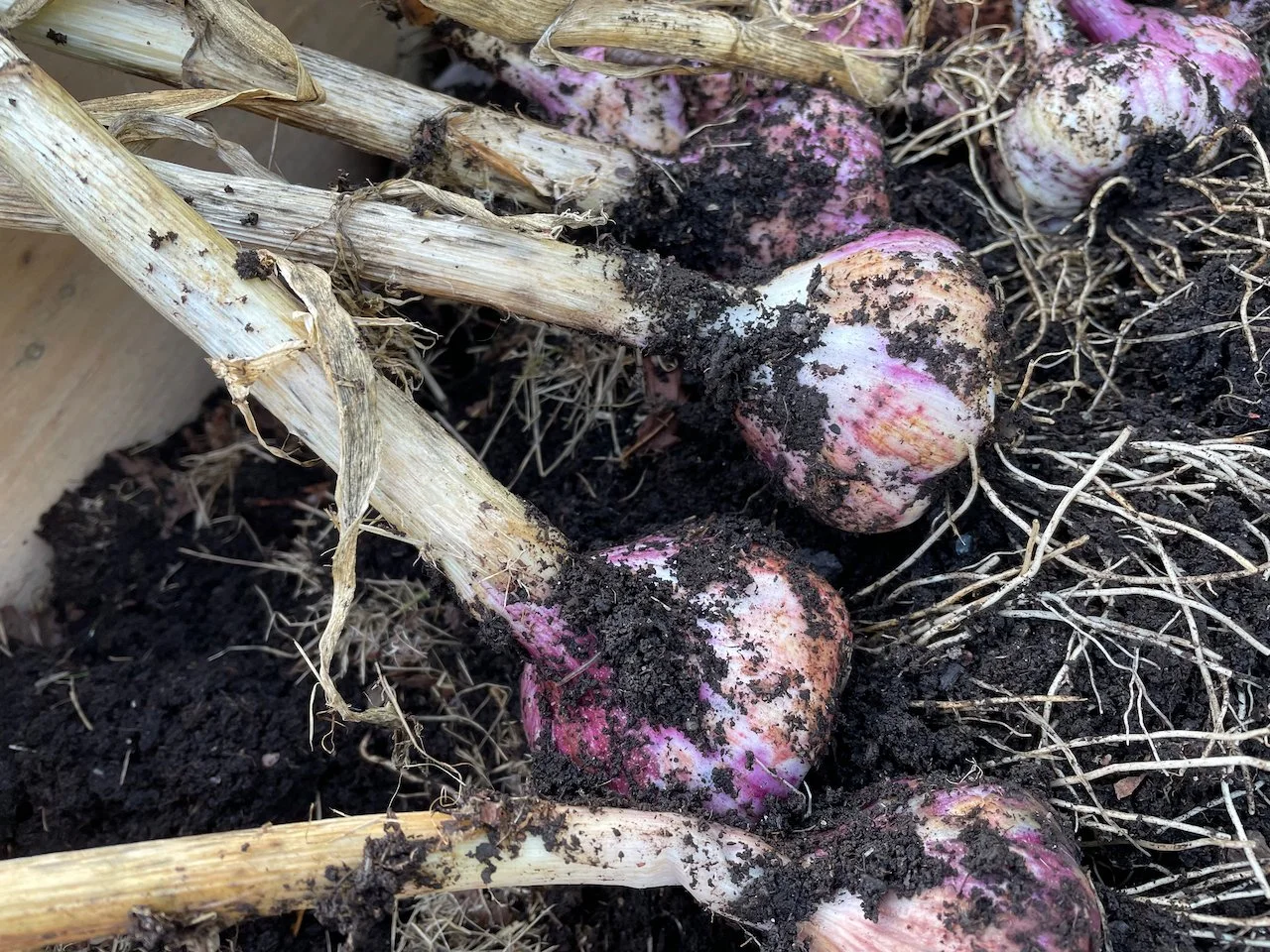
Garlic is set into the soil before winter or early in spring, establishing quietly beneath the surface.
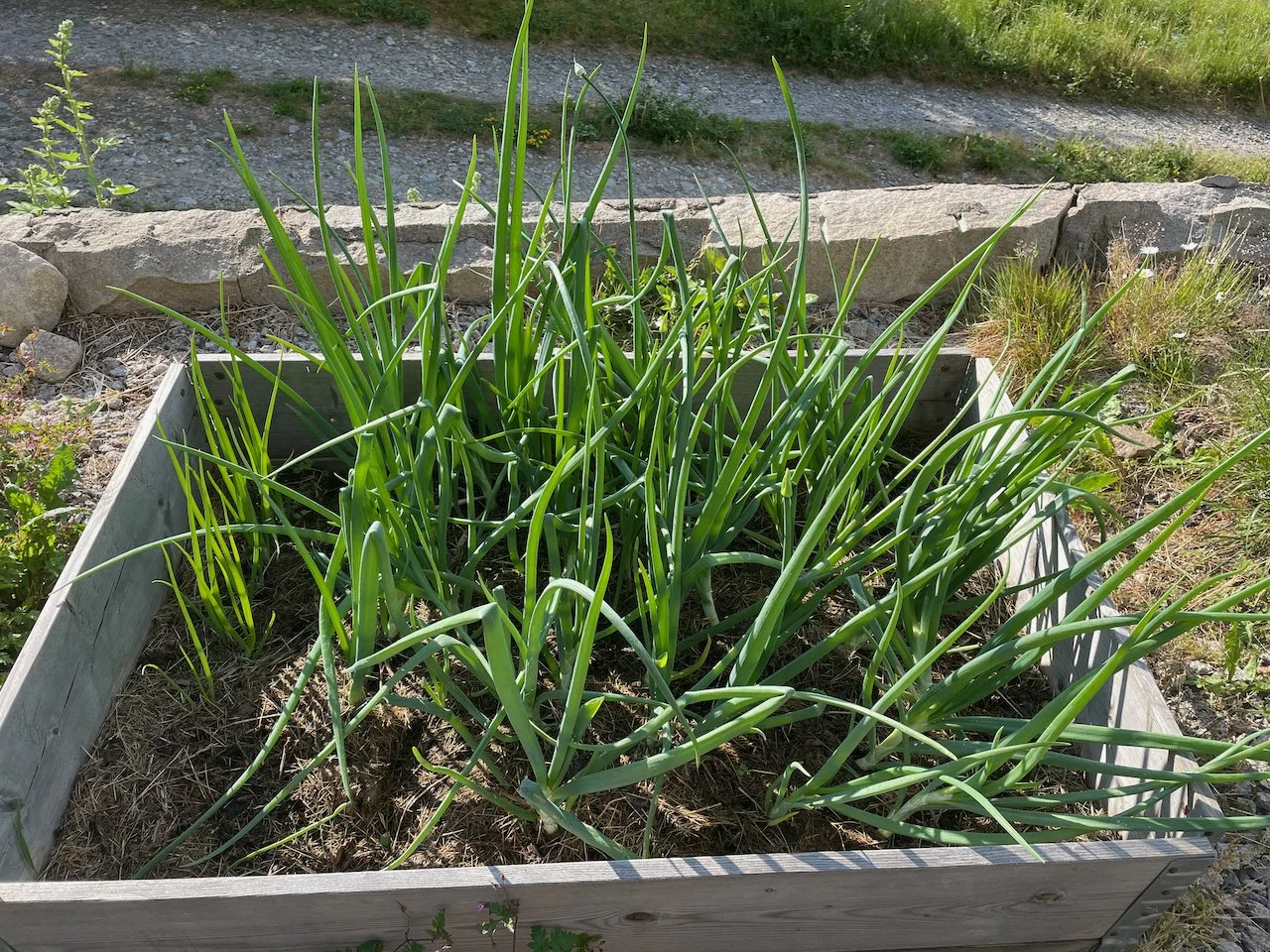
Onions follow, steady and dependable.
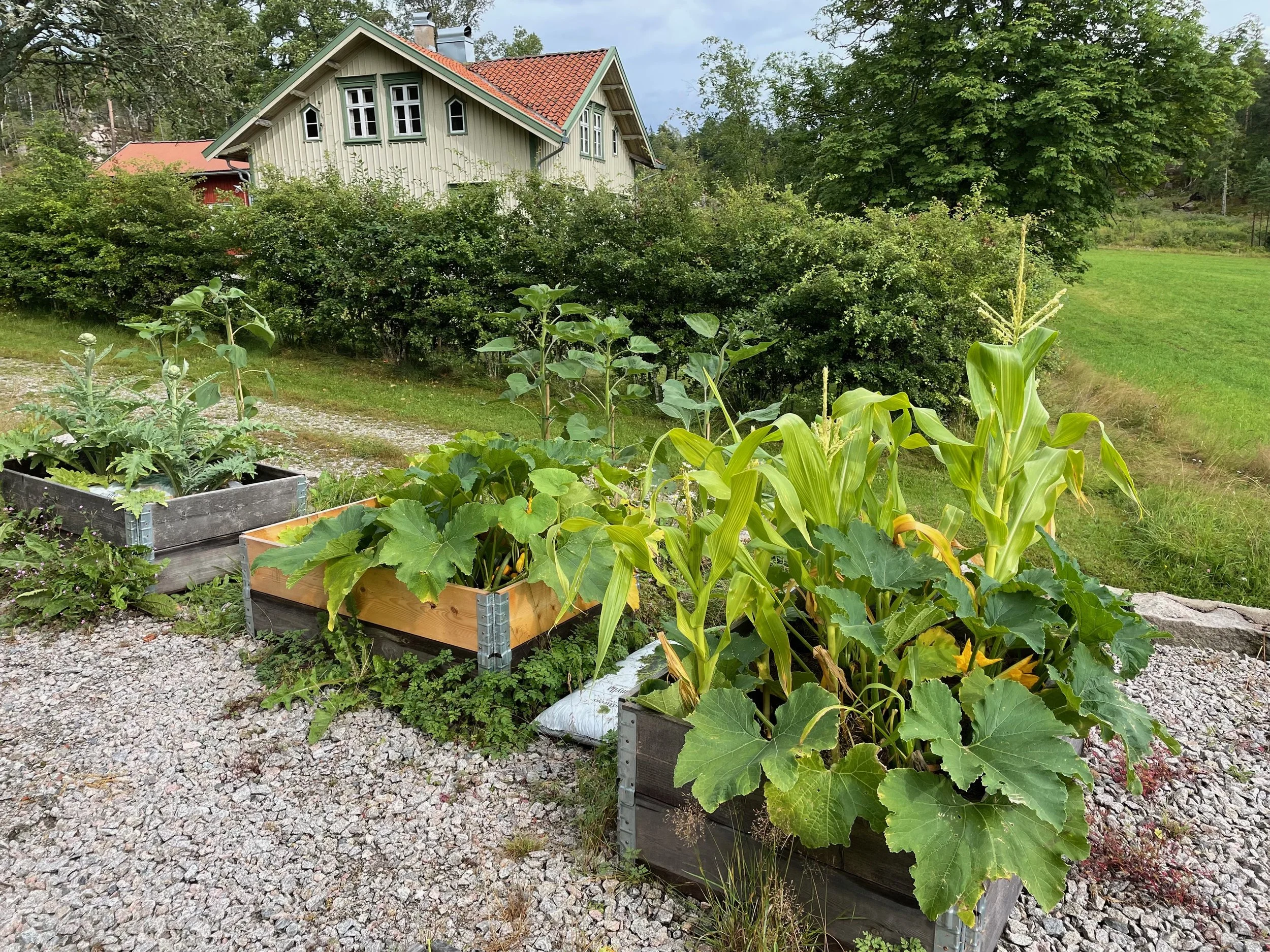
Sweet corn rises quickly once warmth arrives
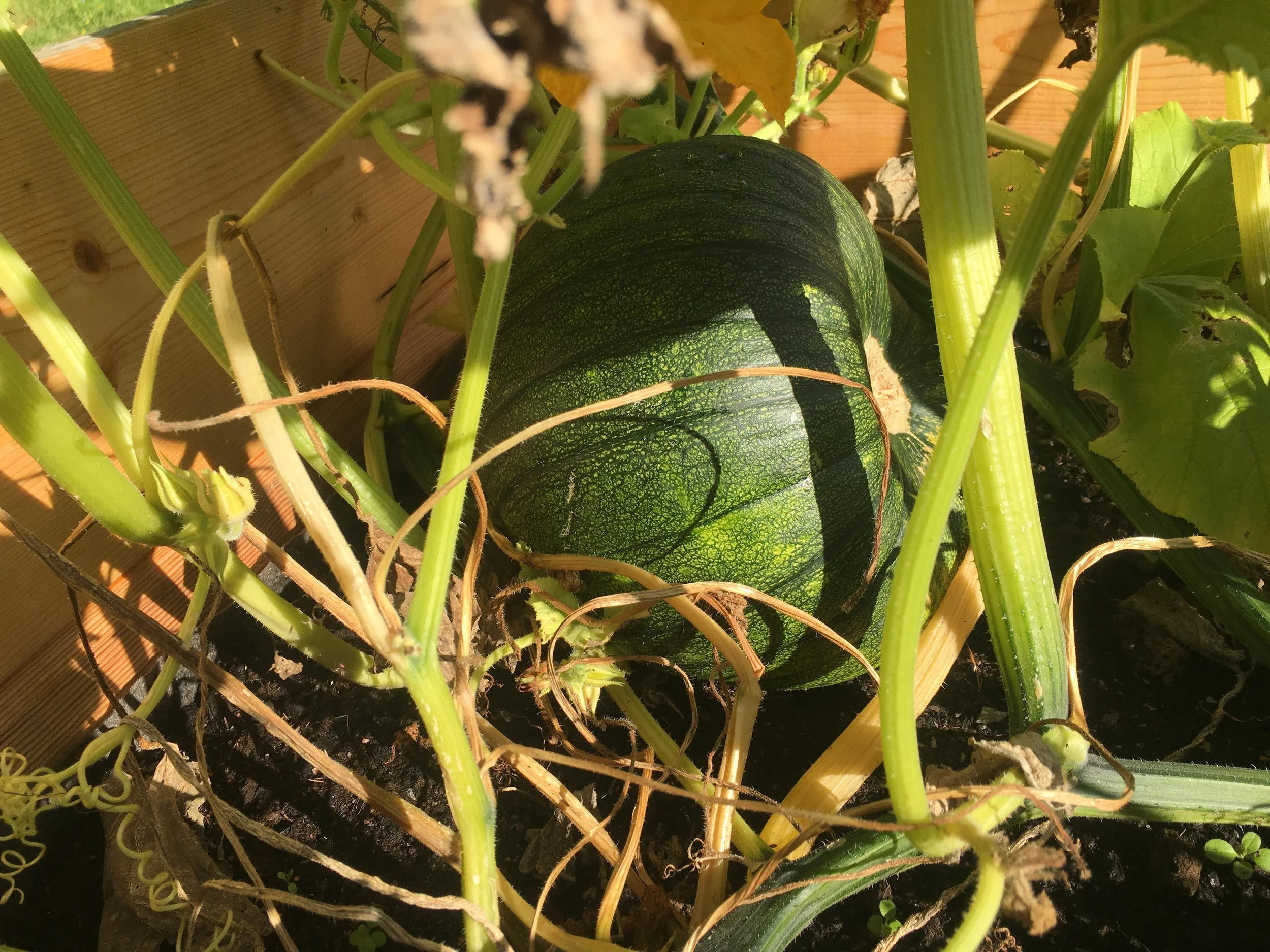
Pumpkins and squash extend across the ground, capturing light and space in equal measure.
Bush tomatoes and basil, more sensitive to temperature, are often given sheltered conditions, reflecting the careful balance between ambition and climate.
Parsley, both curly and flat-leaf varieties, anchors the garden with continuity, returning steadily throughout the season.
Chives and sage are part of a broader tradition of culinary herbs in Nordic gardens that return year after year.
Together, these crops form a kitchen garden rooted not in abundance for its own sake, but in usefulness, rhythm, and familiarity.
Variety exists, but always within the limits of climate. Each plant earns its place not only by taste, but by its ability to complete its cycle within the Nordic growing season.
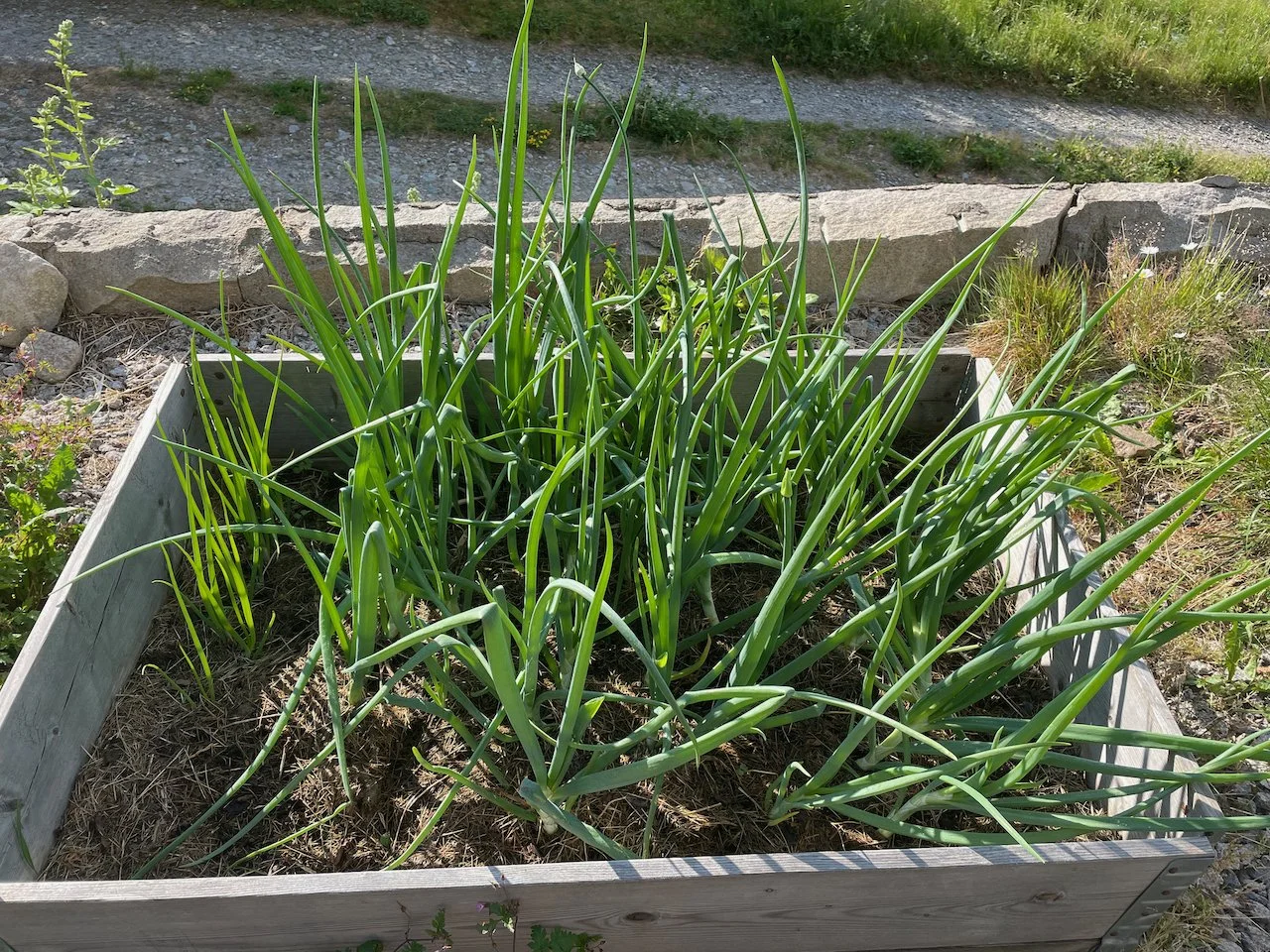
Green onion plants growing in a wooden garden bed outdoors.
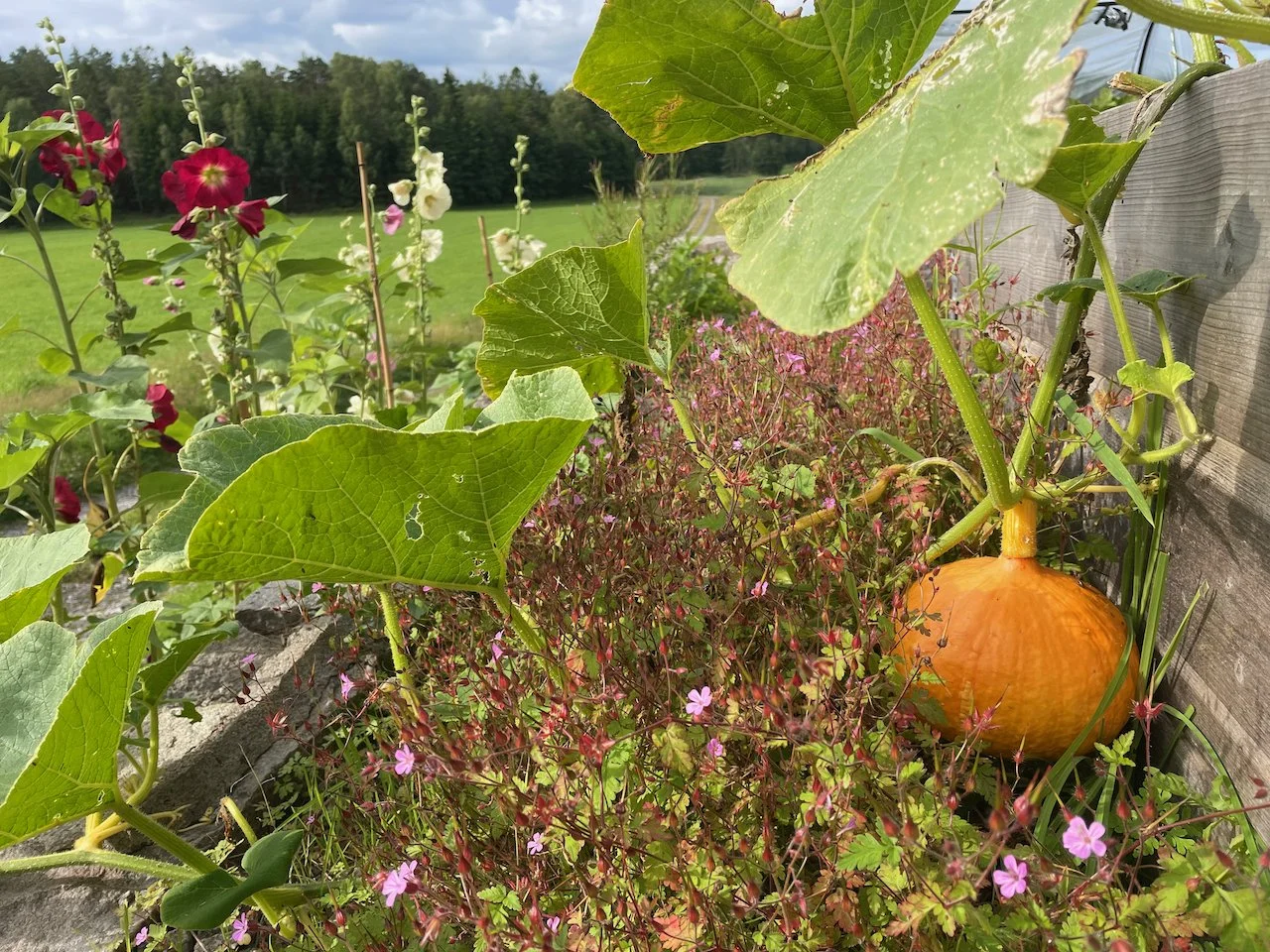
A patch of garden with large green leaves, pink flowers, and a small orange pumpkin growing among the foliage, with a background of a grassy field and trees.
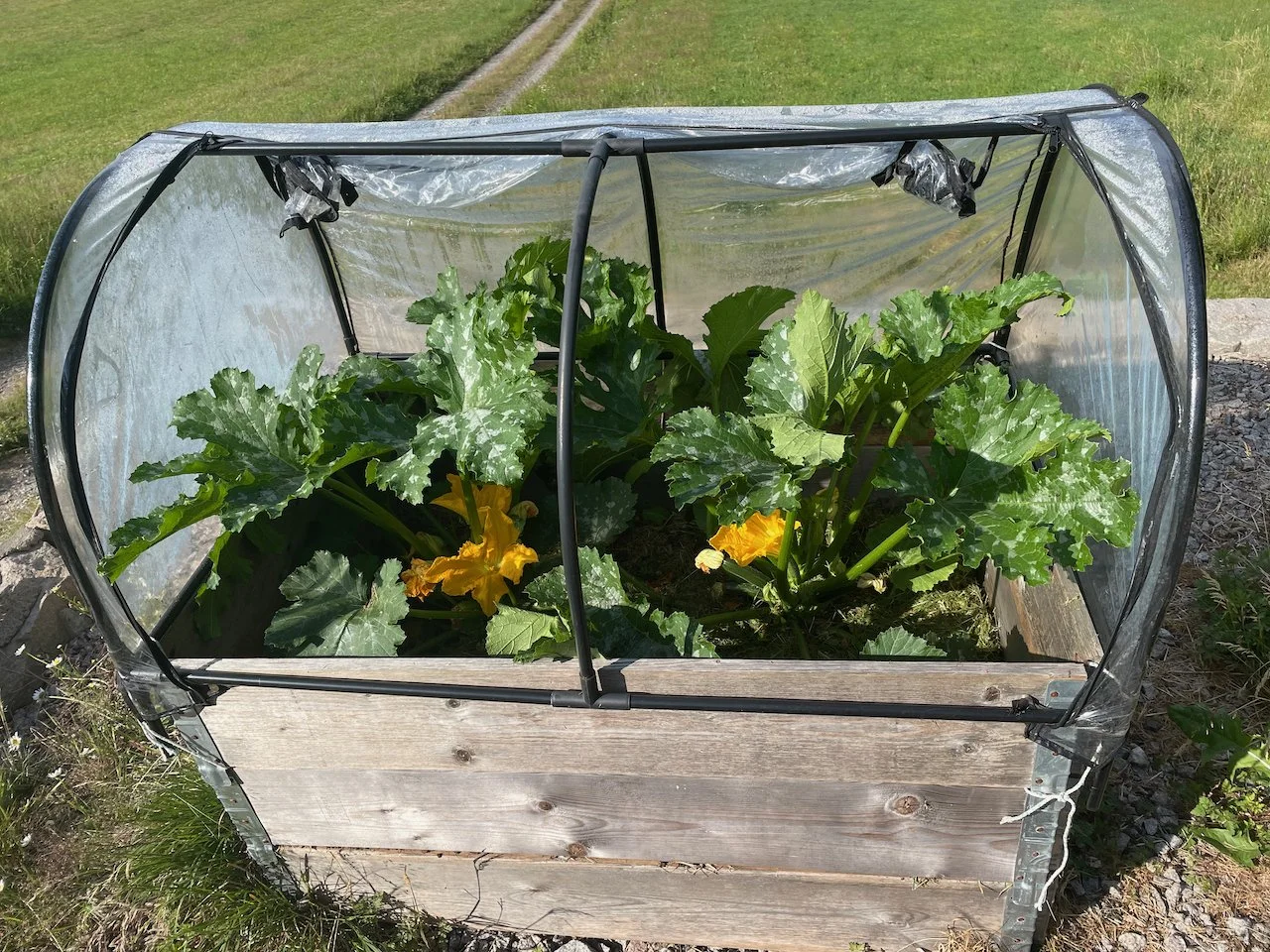
Vegetables growing inside a small transparent greenhouse with a wooden base, surrounded by grass and gravel.
Order and Efficiency
Beds are clearly defined, often geometric in structure.
This is not only aesthetic, but practical. Organization allows for rotation between onions, legumes, and heavier feeders such as squash and corn, maintaining soil health over time. Sprawling crops are given space where they will not compete unnecessarily, while herbs and smaller plants are placed for easy access.
Paths ensure the garden remains workable in all conditions, wet, dry, or in the intensity of harvest.
The kitchen garden is designed to be used.
It is a place of movement, repetition, and quiet precisión, where cultivation follows both necessity and tradition.
Return to: Nordic Garden→