
Perennials in the Nordic Garden
A quiet architecture of resilience, rhythm, and return
At Scandinavian Pantry, our approach to planting rests almost entirely on perennials. Not as a limitation, but as a refinement. These are plants that adapt, endure, and evolve, capable of inhabiting both formal compositions and looser, more naturalistic settings. They bridge the cultivated and the wild, allowing a garden to feel both designed and inevitable.
A Living Ground Layer
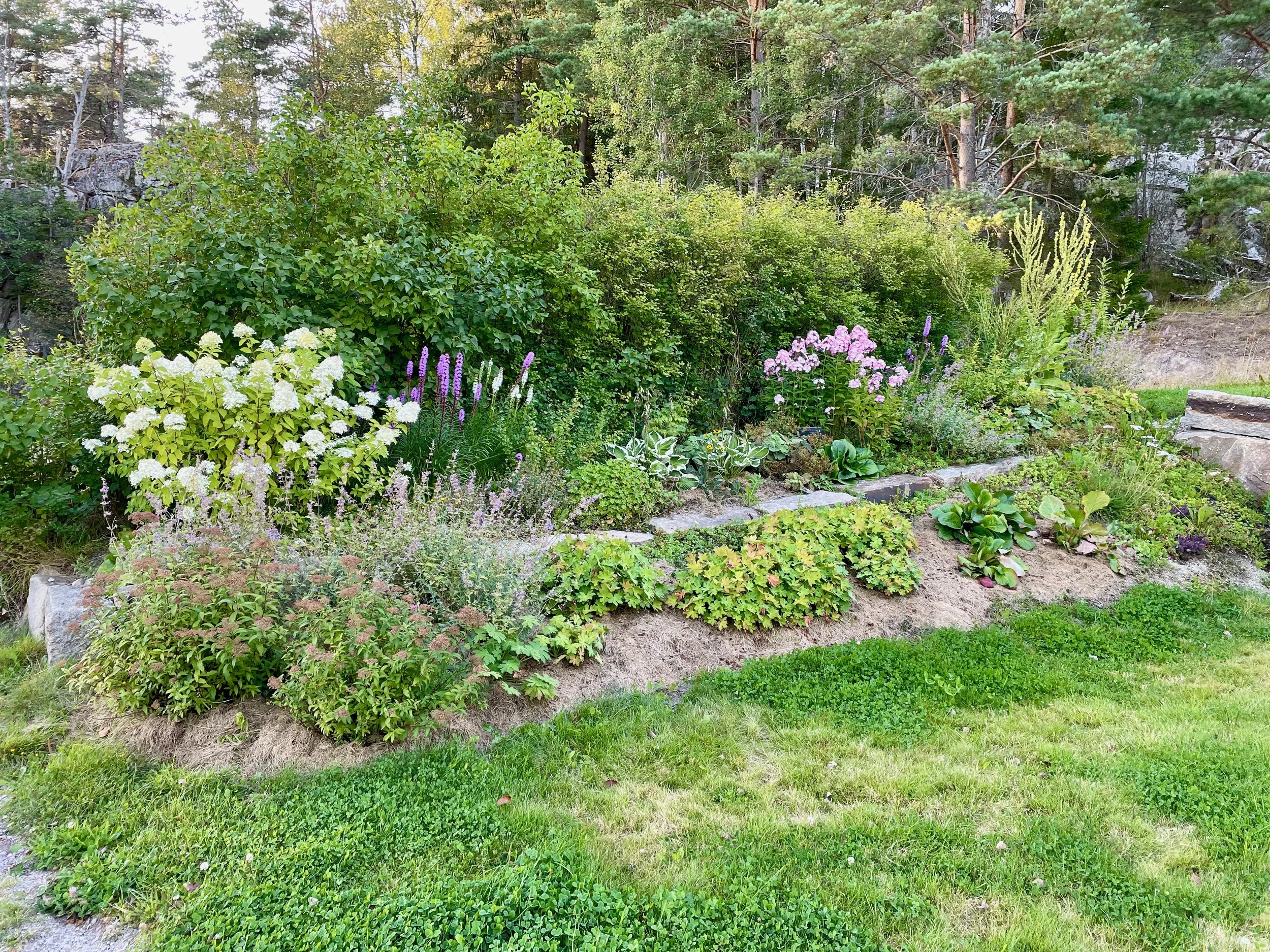
Particularly valued are perennials with a spreading habit. They move laterally, softening edges and knitting together the spaces between more defined plantings. Over time, they create a living ground layer that will become dense, textural, and remarkably self-sustaining.
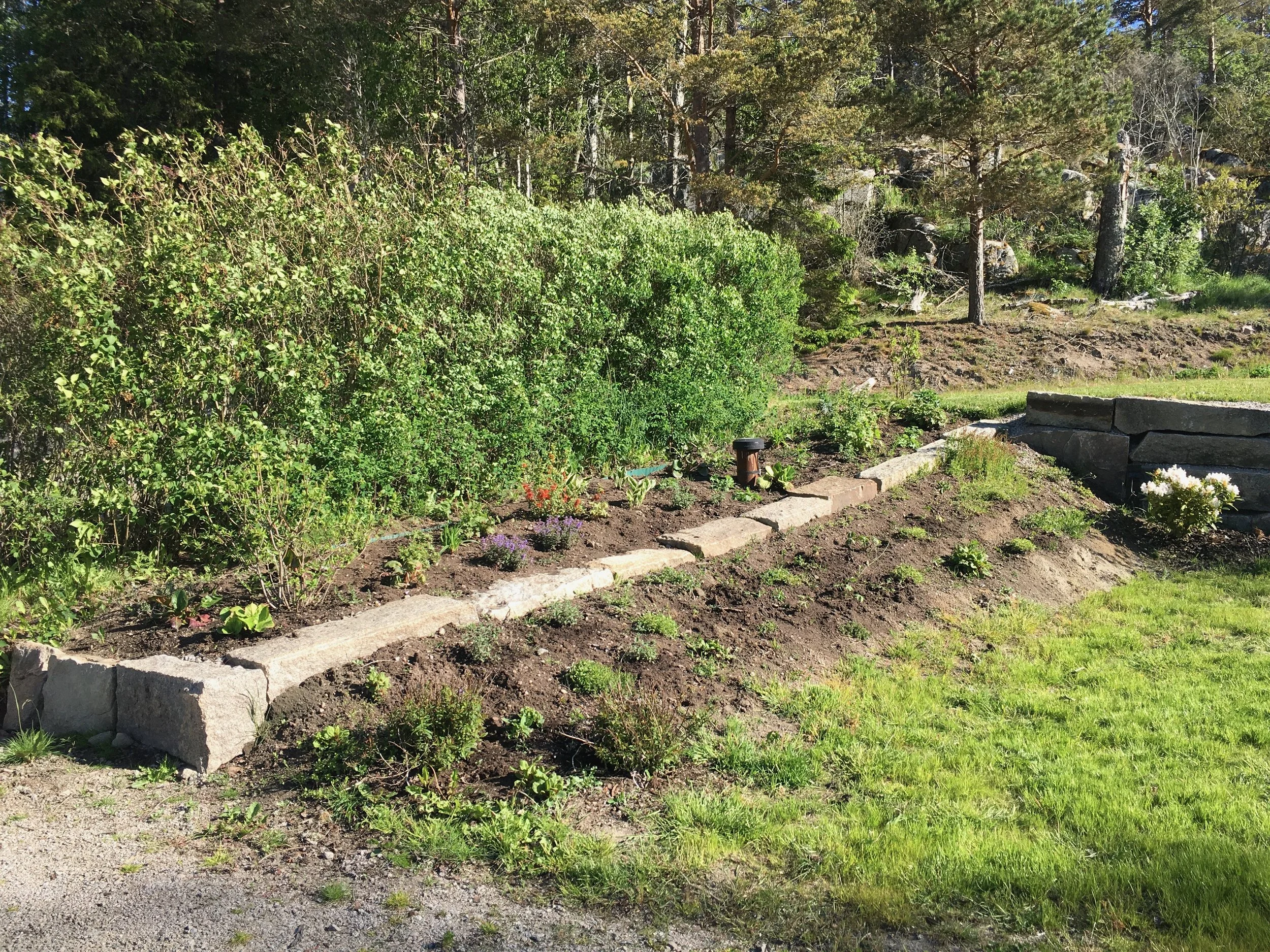
This slow expansion reduces the need for constant intervention. Bare soil disappears. Weeds find less room to take hold. The garden becomes, in a sense, more complete with each passing season.
There is also an aesthetic intelligence in this approach. A garden that fills in gradually feels grounded. It avoids the abruptness of newly planted borders and instead carries a sense of continuity, as if it has always been there.
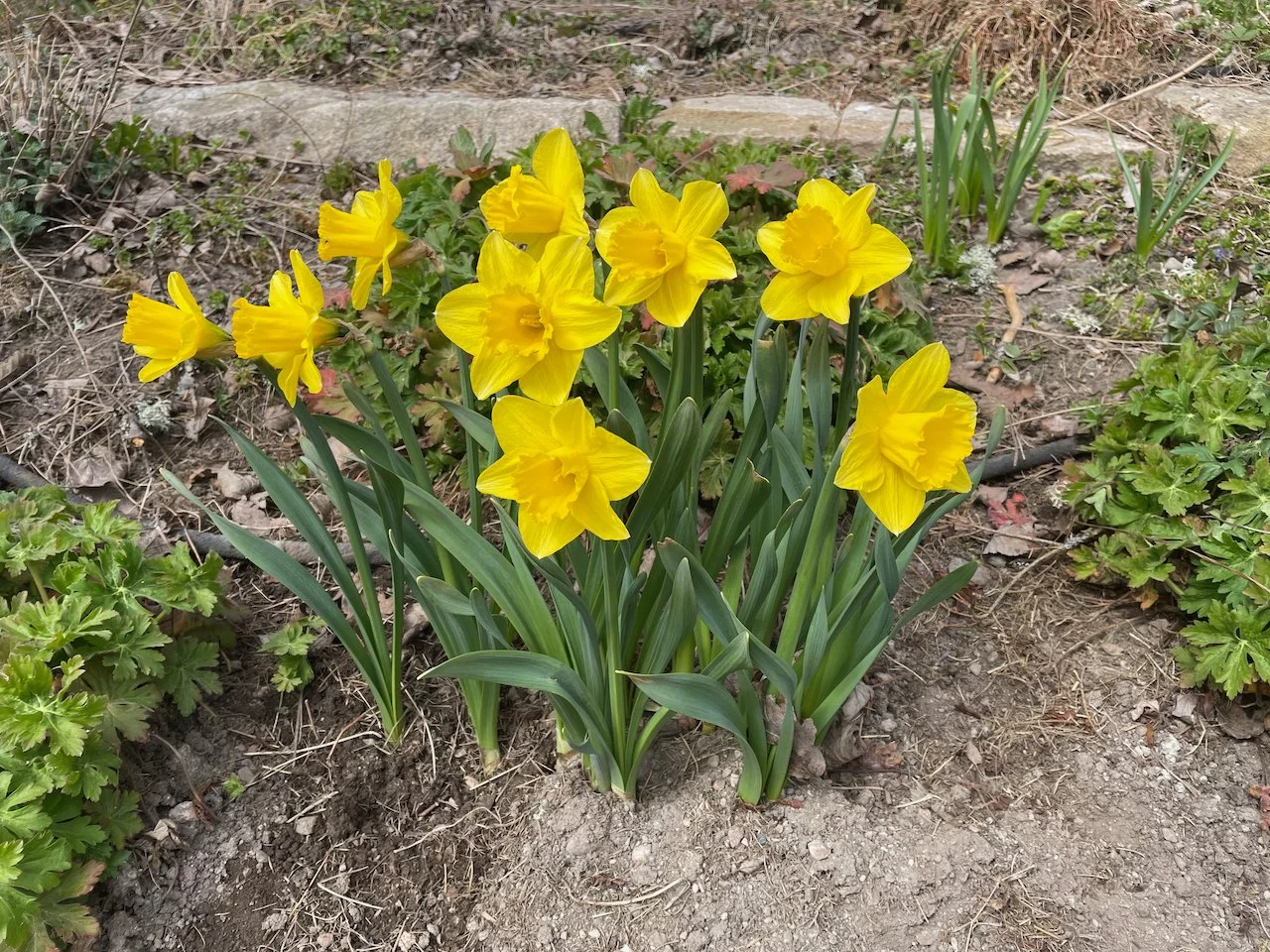
My Favorite Perennials
Rose Coneflower
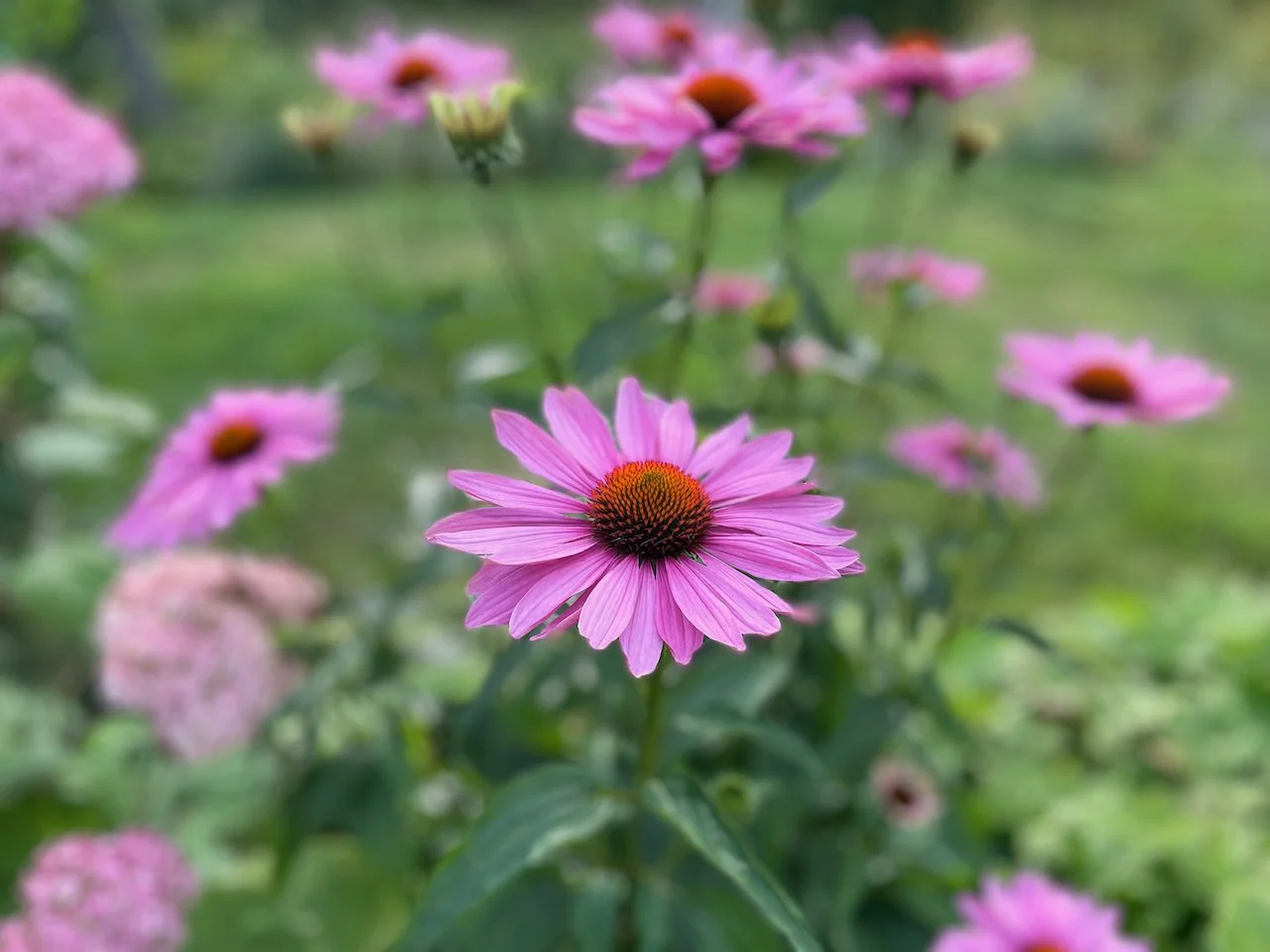
Echinacea purpurea 'Magnus.' Abundantly blooming perennial in the bed. Height about 100 cm. Numerous fragrant rose flowers on thin stems throughJuly - September. Sunny growing place. Well-drained and nutrient-rich soil. Good cut flower. Also beautiful after flowering.
Hosta
Hosta fortunei ‘Francee’ Shade-tolerant perennial with large leaves. Available in various leaf colors and sizes. Beautiful leafs and really nice flowers.
Cranesbills or Geranium
Geranium macrorrhizum ‘Ingwersen’s Variety’ and ‘Olympos.’ It is a ground cover plants. The low mat-forming cranesbill species are suitable for shady places in the garden. Flower color varies from pink to magenta. They grow best in humus-rich and moderately moist soils.
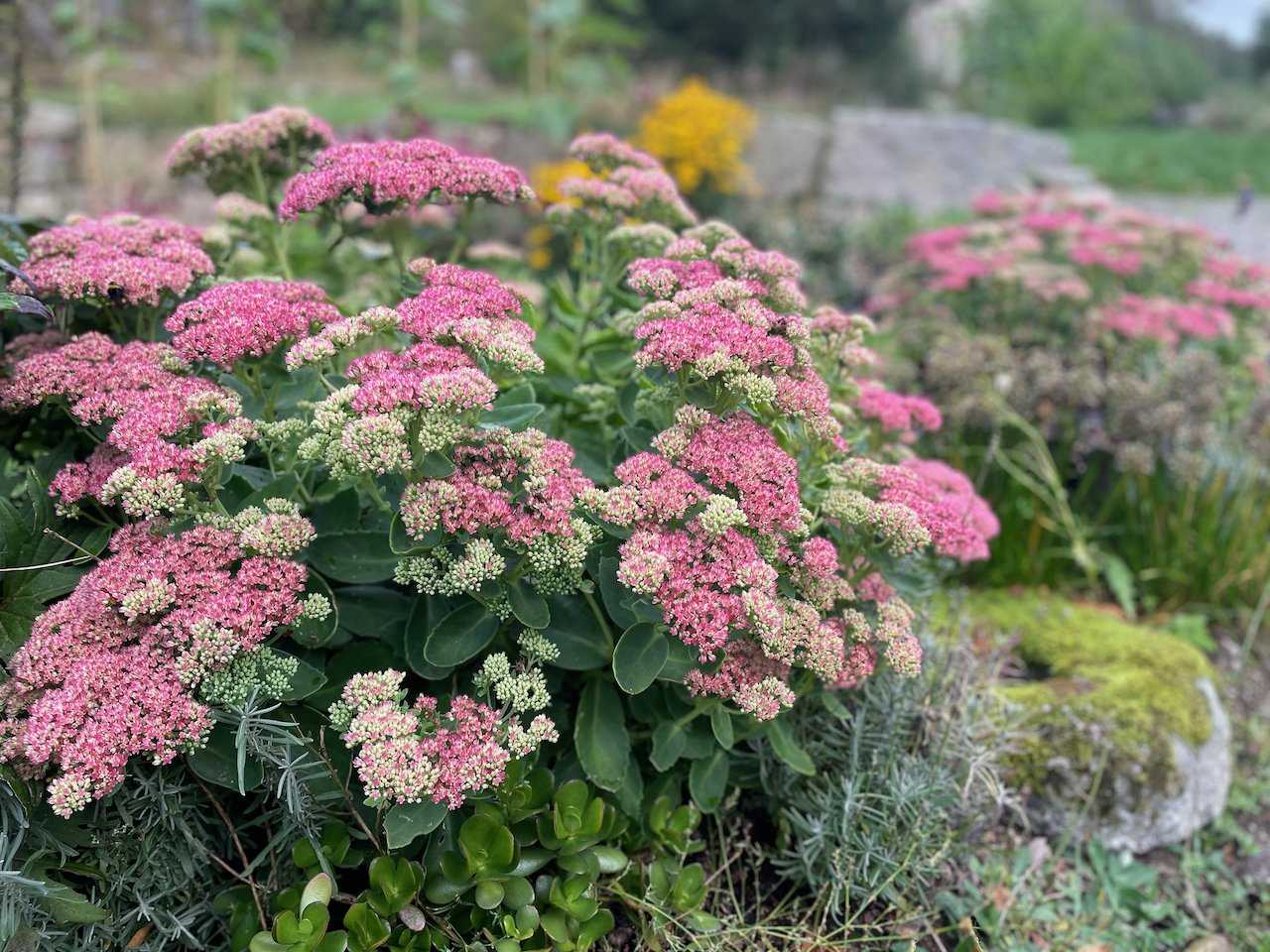
Upright Sedum or Stonecrop
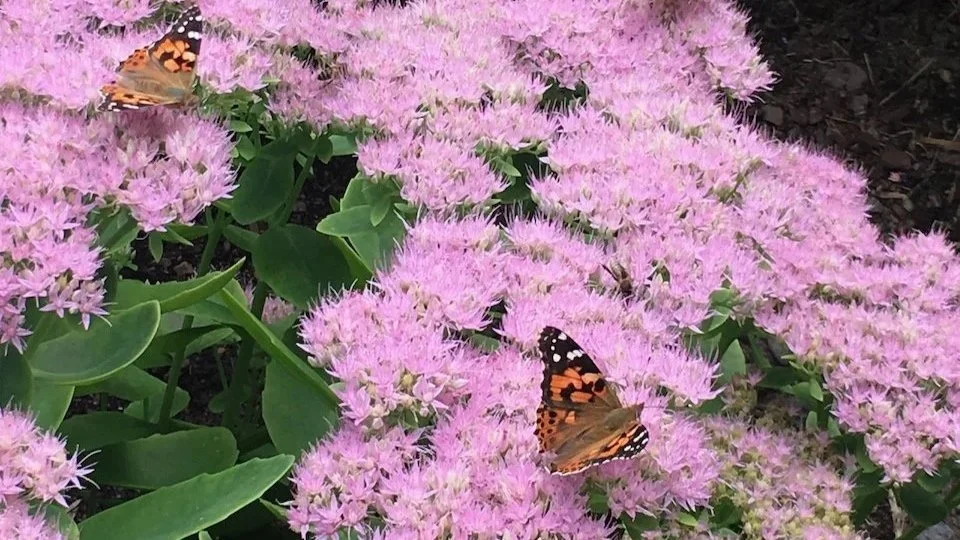
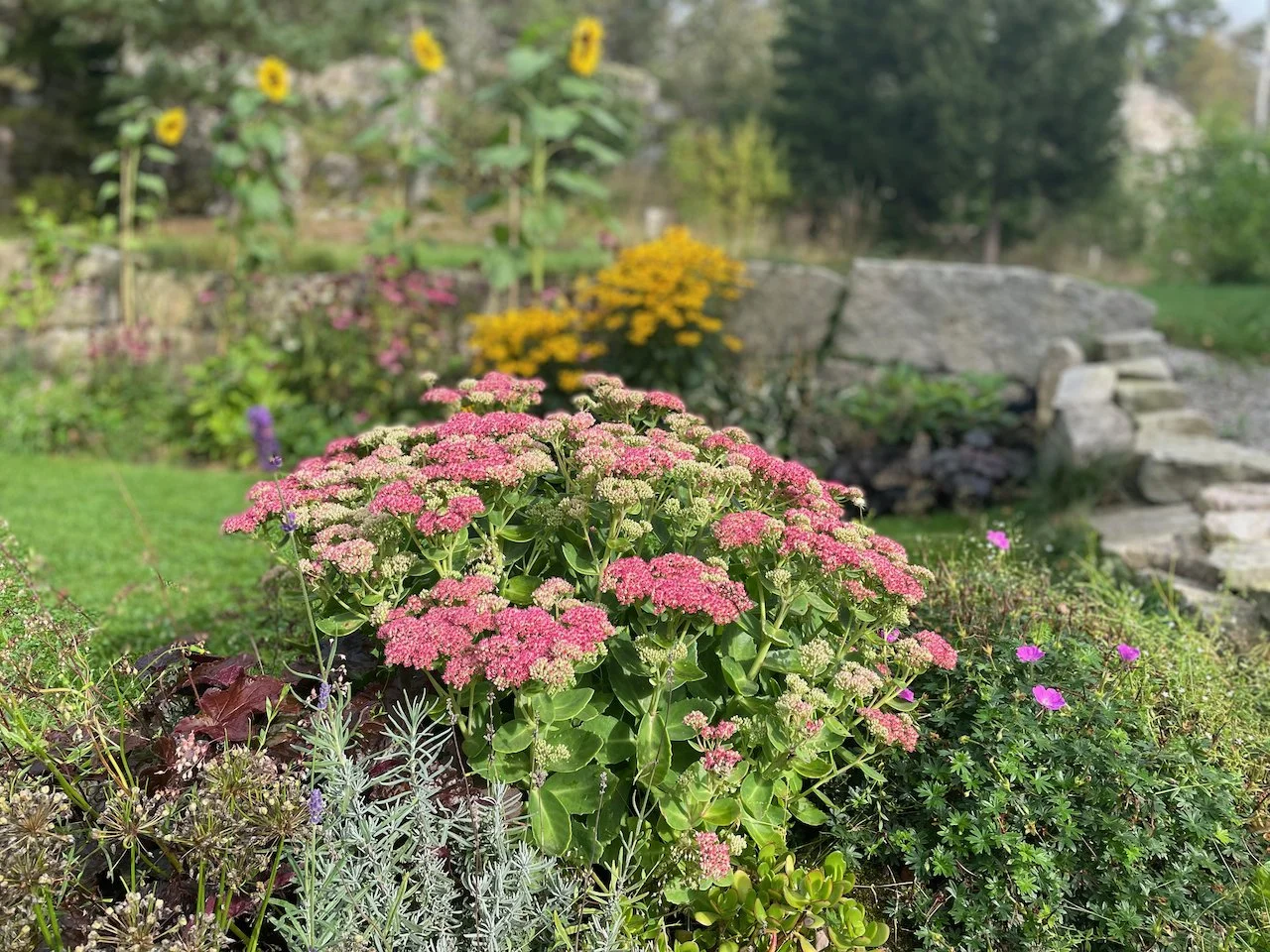
Hylotelephium. It has a succulent green foliage and produces clusters of star-shaped flowers that bloom in fall. It’s easy to care for and beloved by pollinators
Phlox
Phlox paniculata 'Pin Eye Flame' PBR. Old-fashioned cottage plant. Pink flowers with white center, July-Aug. Easy-care and long-lived perennial, 60 cm. Sun to partial shade - thrives in well-drained nutrient-rich soil. Adding months of summer color.
Black-Eyed Susan
Rudbeckia Hirta. Blooms for a long time. Height about 60-90 cm. Abundant yellow flowers with a black center, July - September. Sunny growing place. Well-drained and nutrient-rich soil.
A Garden for all Seasons
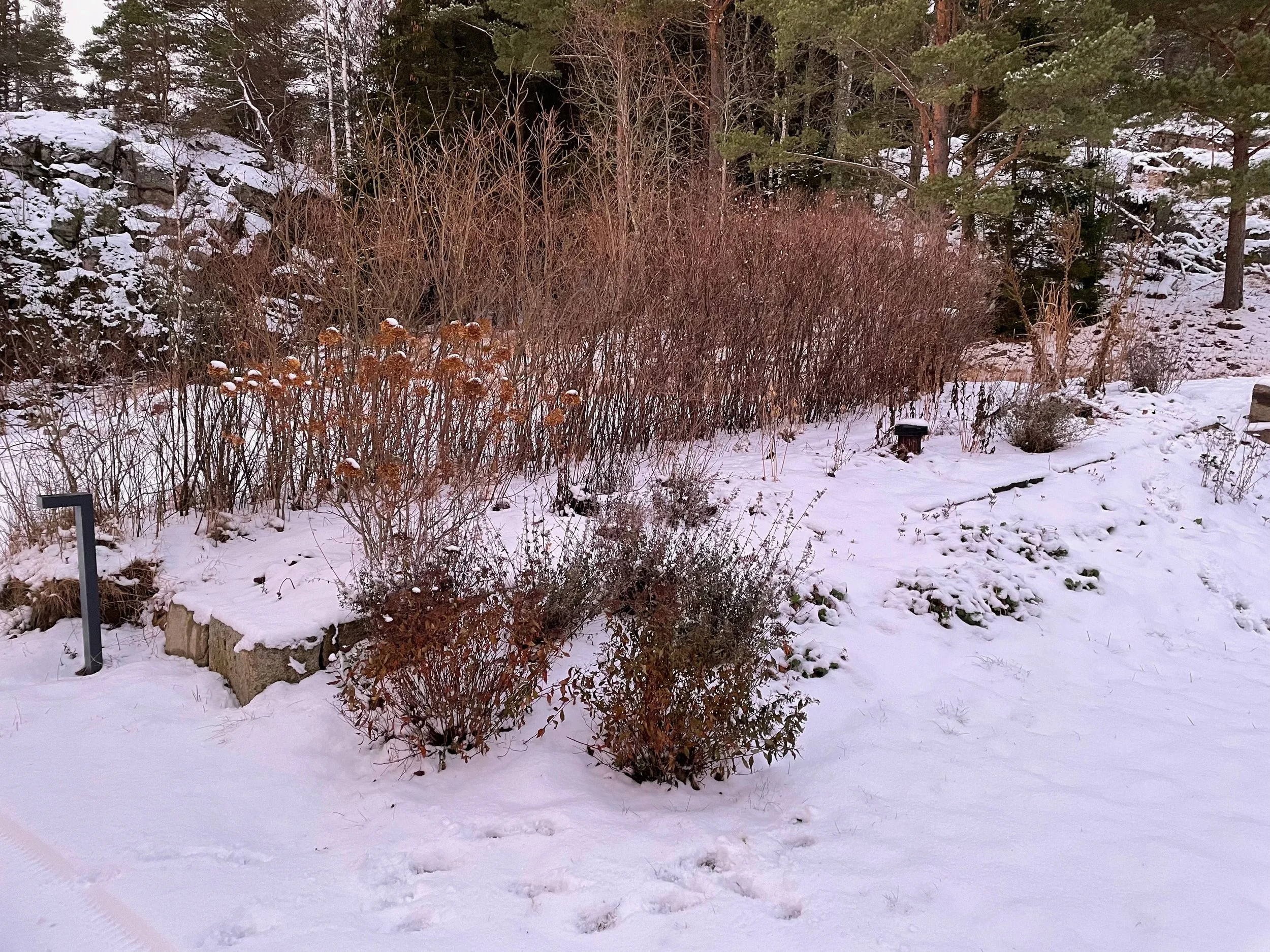
Perennials offer more than structure. They provide a long, unfolding narrative through the growing season. From early shoots to late seed heads, they hold visual interest well beyond their flowering peak.
In a Nordic context, where the growing season is both intense and fleeting, this continuity matters. A carefully chosen palette ensures that something is always emerging, blooming, or fading with intention. Even in decline, many perennials retain their form, contributing to the quiet beauty of autumn and early winter.
Most importantly, they also play a vital ecological role. Pollinators are drawn to their repeated cycles of flowering, and the layered planting style creates habitats that support biodiversity at multiple levels.
Back to Seasonal Care:: The Nordic Garden →
Back to: Plant Selection →
Or Back to: Planting a Nordic Garden →