To save a Historic House
The preservation of a historic house begins not with intervention, but with restraint. The most thoughtful approach is to grant the building time. If possible, live in the house first and allow it to reveal its character before rushing into renovations. Allow the light to move through the rooms, and notice how materials respond to the seasons. In doing so, the house reveals its character gradually, and with it, the wisdom of how it wishes to endure.
Intervention, when necessary, should be deliberate and measured, with one decision at a time, guided by patience rather than urgency. Historic homes reward those who approach them with care.
To preserve such a house is not merely a question of comfort or aesthetics. Each structure carries within it a narrative of place, of craftsmanship, local materials, and lives lived across generations. To erase it is to sever that continuity. Before any irreversible decision is made, particularly demolition, it is strongly advised to consult a conservation specialist.
Preserving Historic Heritage
Work by Building Antiquarians
Lars Munthe-Kaas
Victoria Brand Munthe-Kaas
Year
2012 -2013
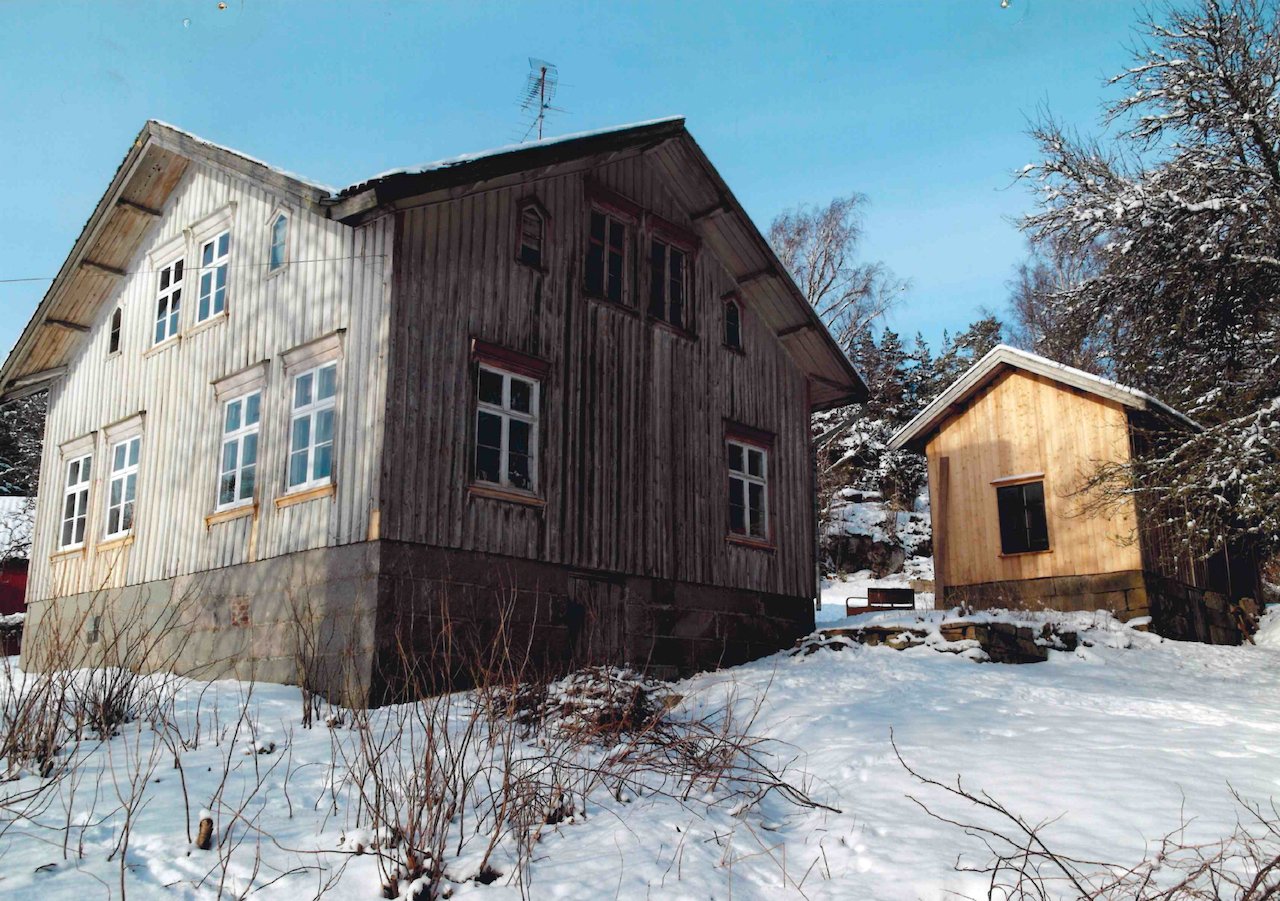
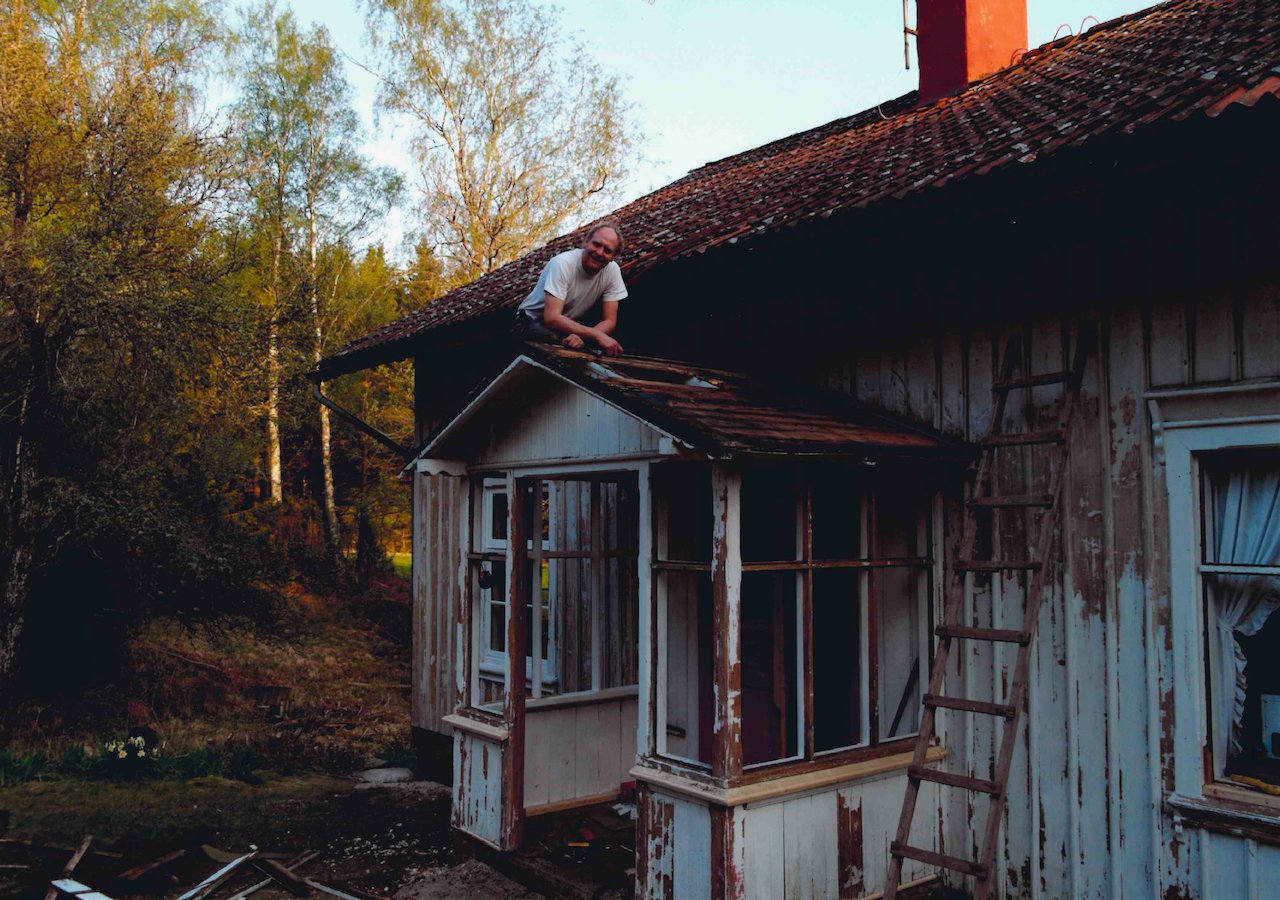
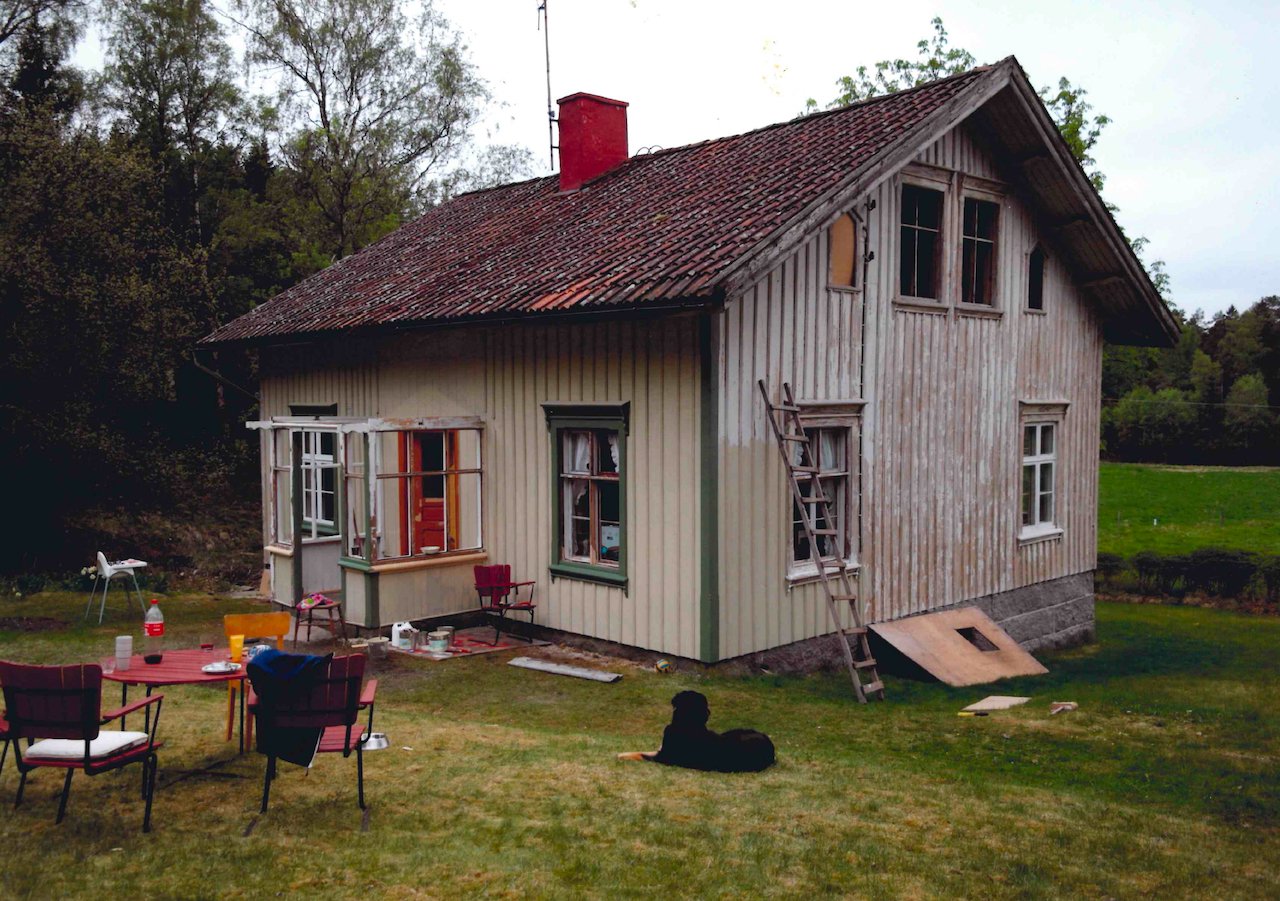
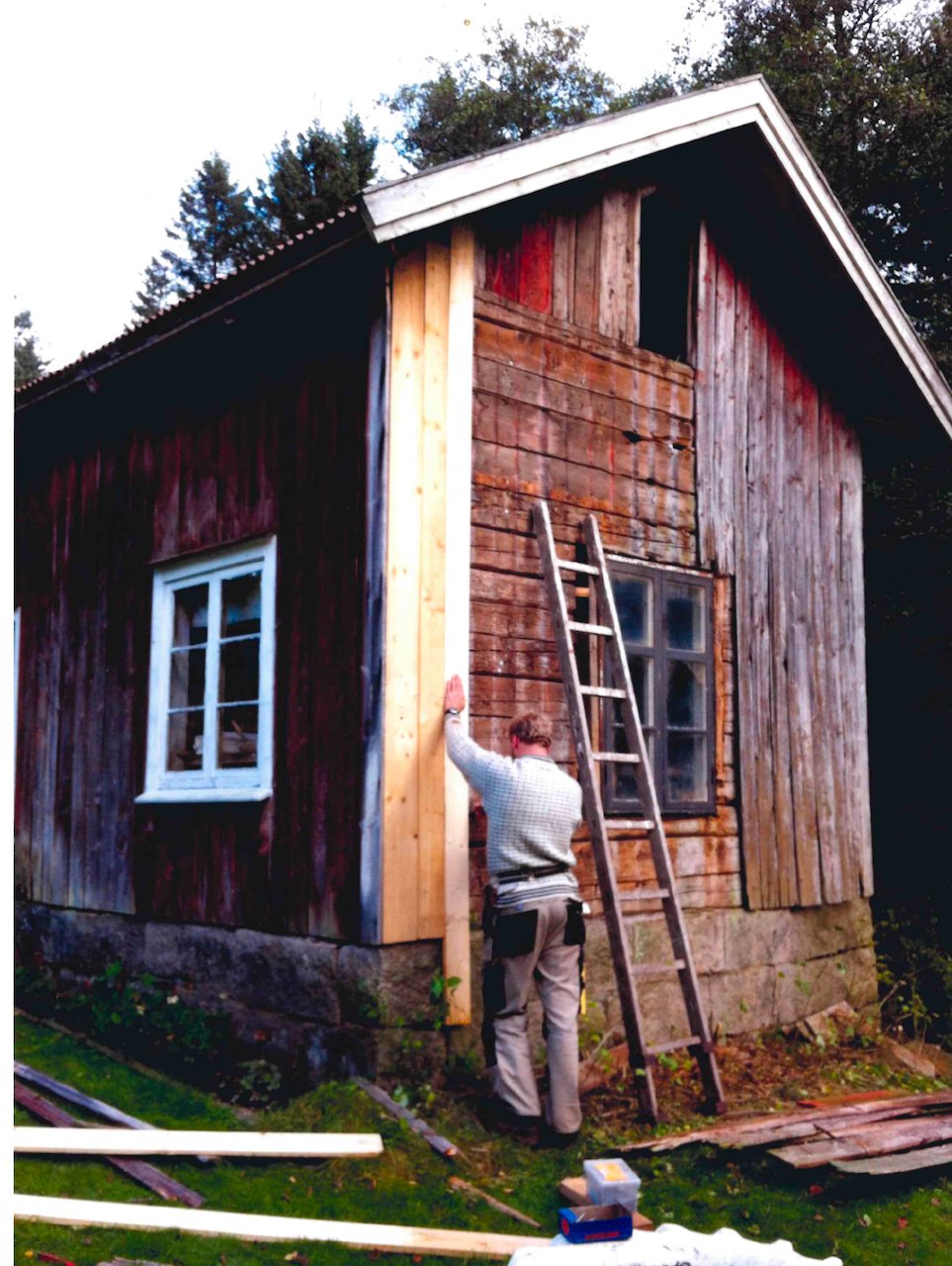
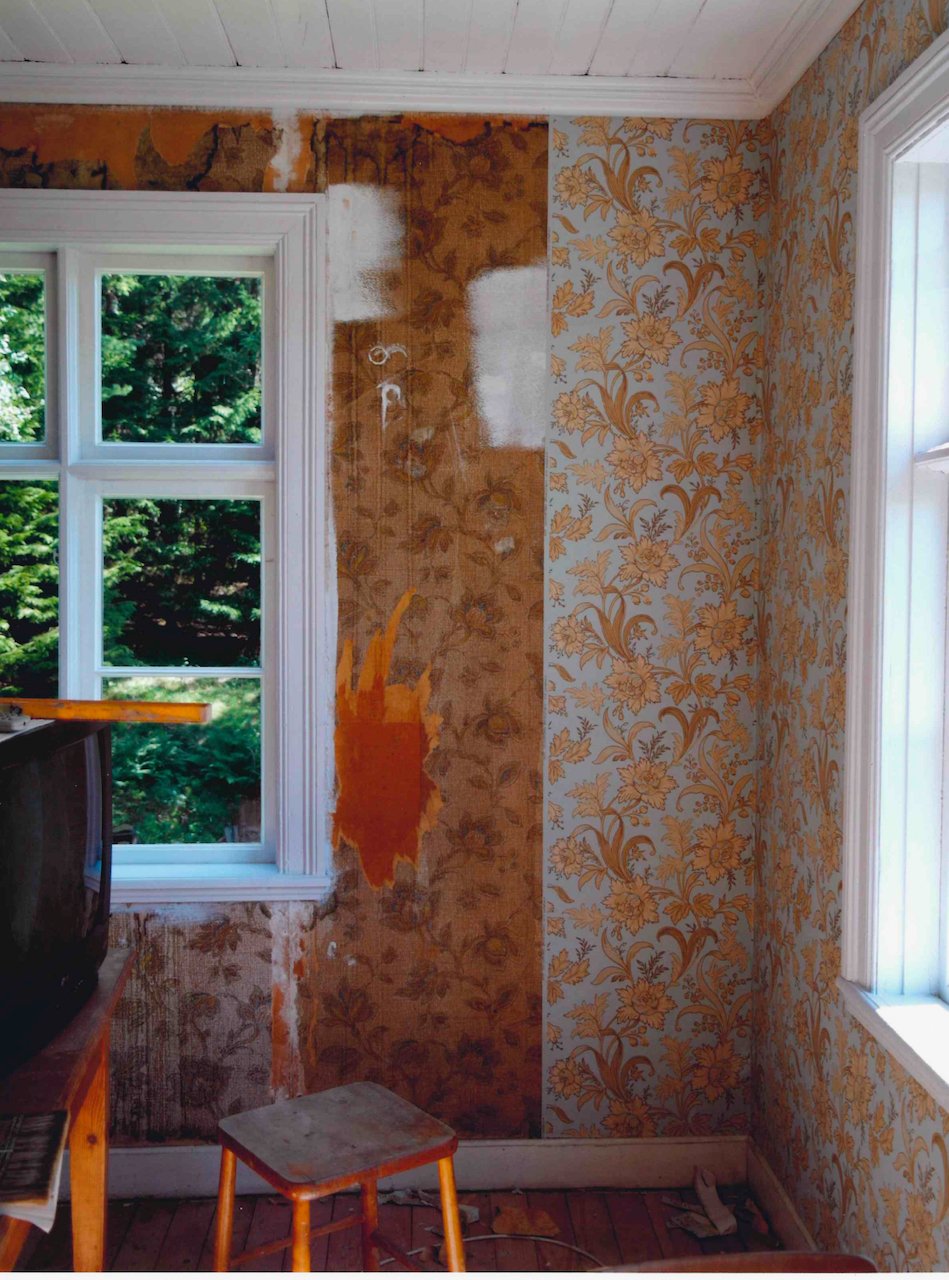
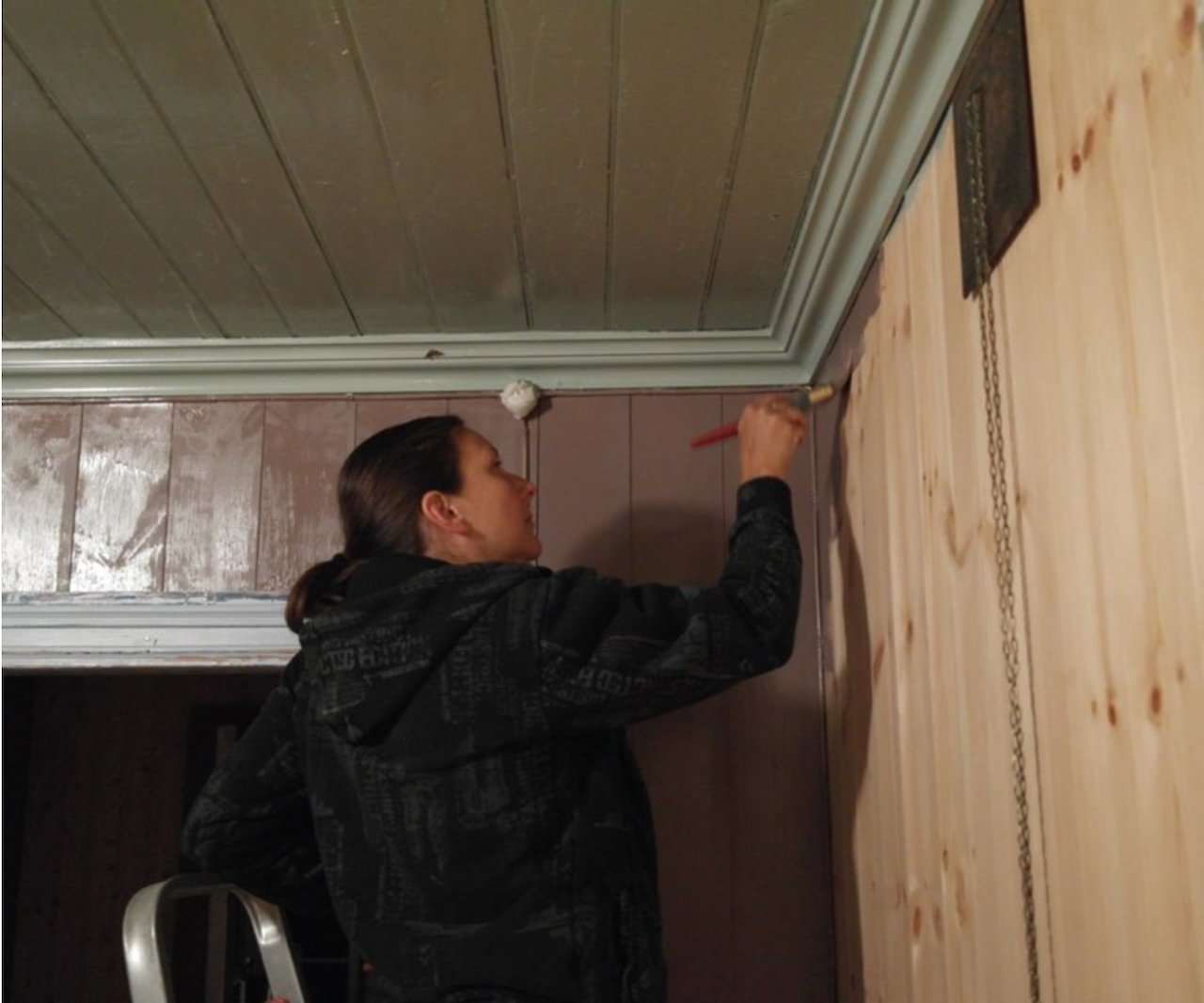
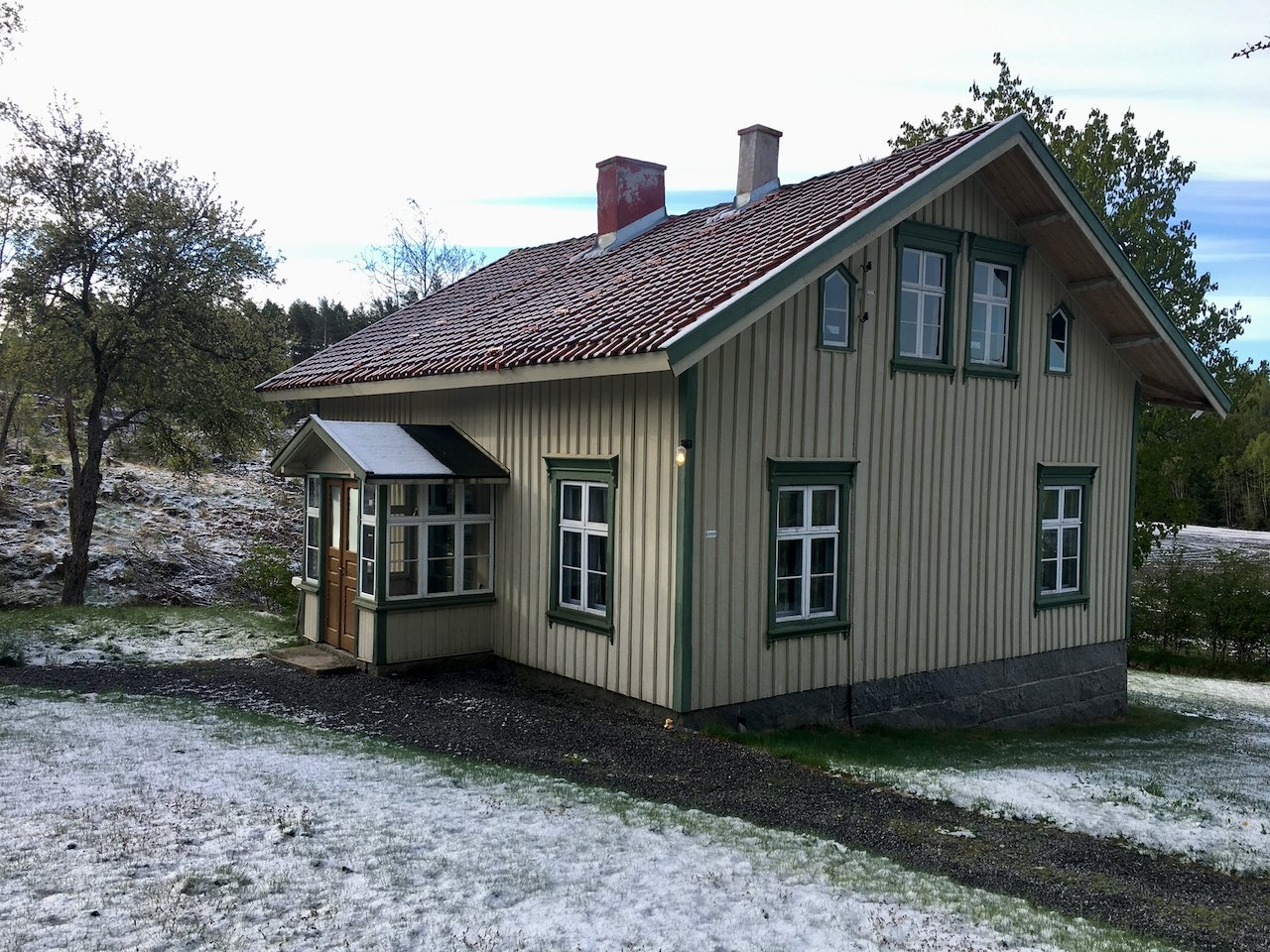
To preserve a historic house is to participate in a longer story
In many parts of Scandinavia, and notably across Sweden, historic buildings are too often lost to expedience, replaced by new construction where restoration might have been both viable and profoundly valuable. An expert assessment can reveal possibilities that are otherwise overlooked, ensuring that heritage is not discarded without due consideration.
The safeguarding of historic buildings sustains more than individual properties; it preserves the identity of entire landscapes. These structures embody techniques, proportions, and material sensibilities that are increasingly rare.
Restoration, rather than demolition, honours this legacy while aligning with a more sustainable future - one rooted in reuse, continuity, and respect for resources. It is to recognise that the past is not a burden, but a foundation one that, if cared for wisely, will continue to shape the character of a place for many years to come.
For more information regarding conserving old houses in Sweden, check out: