Respect for Original Materials

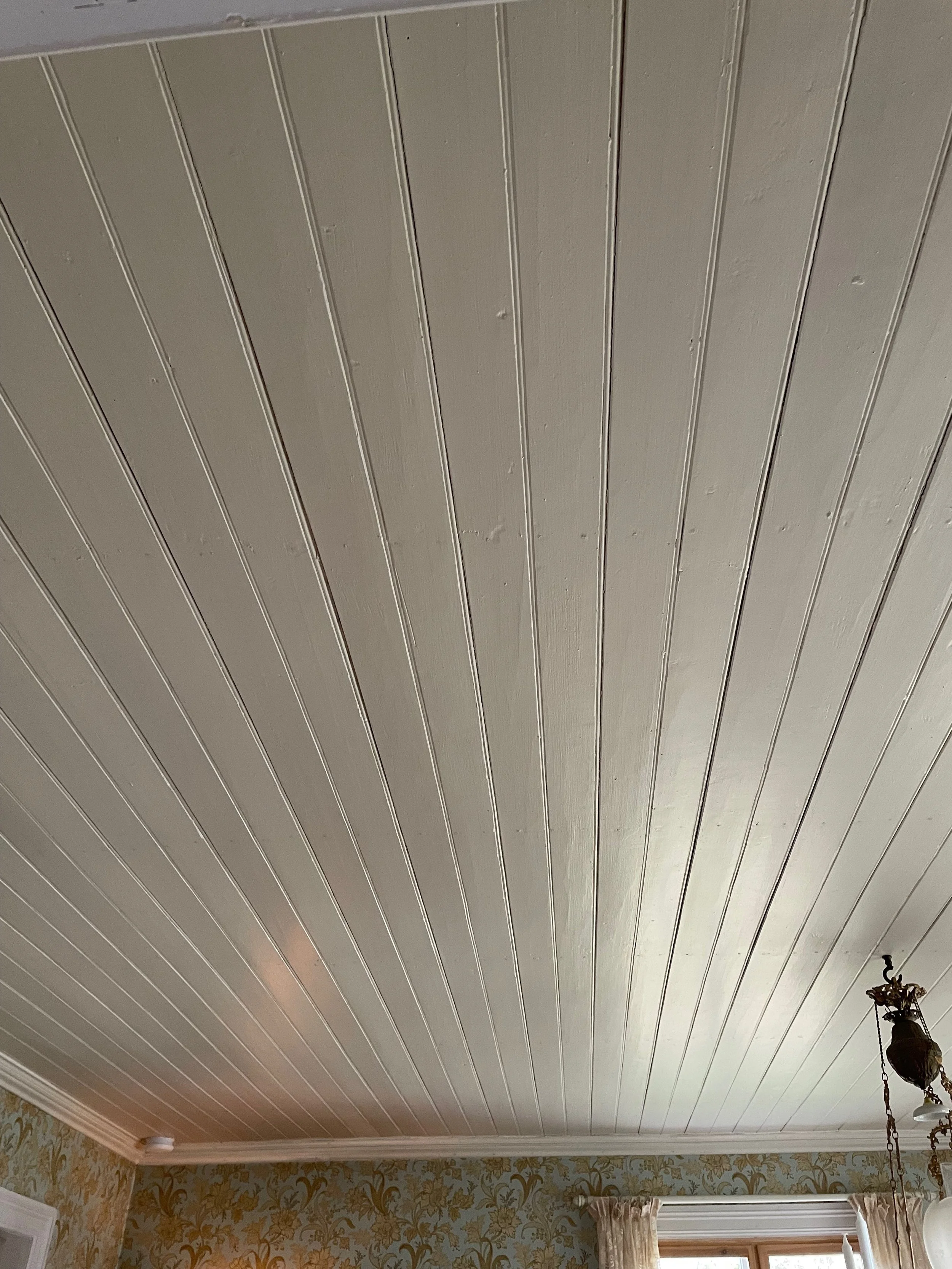
To respect original materials is not to freeze a building in the past, but to understand its language. Old-growth timber behaves differently from modern lumber. Linseed oil paint absorbs light rather than reflecting it. Lime plaster moves, expands, and allows the house to breathe. These are not aesthetic choices alone, they are functional systems, developed over centuries in response to climate and use.
There is a particular stillness in materials that have endured. Timber that has settled over decades, lime that has breathed with the walls, surfaces shaped not only by tools but by time itself. In Scandinavian preservation, materials are not simply components, they are carriers of memory.
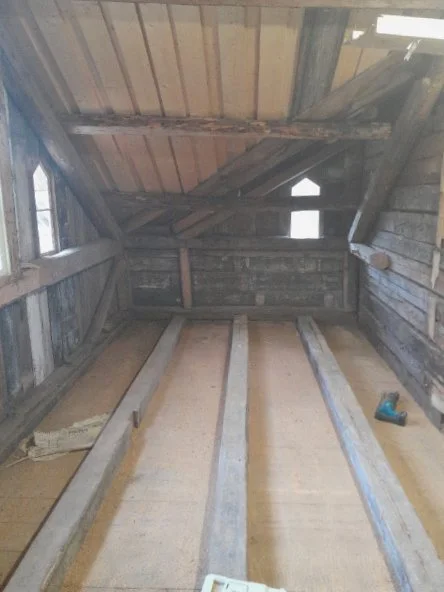
Replacing such materials without thought often disrupts this balance. Modern substitutes may appear similar but perform differently, trapping moisture or accelerating wear. Preservation, therefore, becomes an act of restraint. Repair before replacing. Match before modernizing.
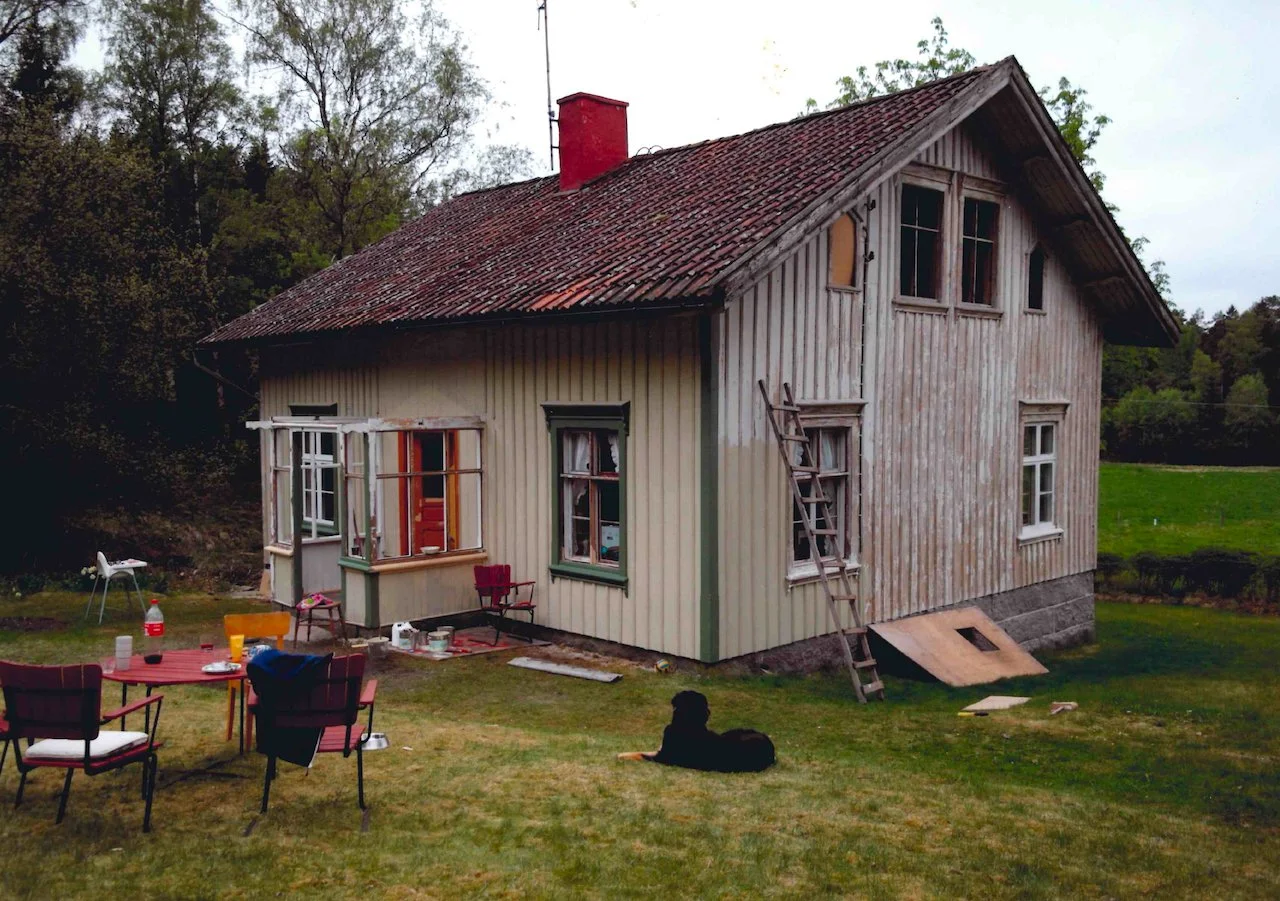
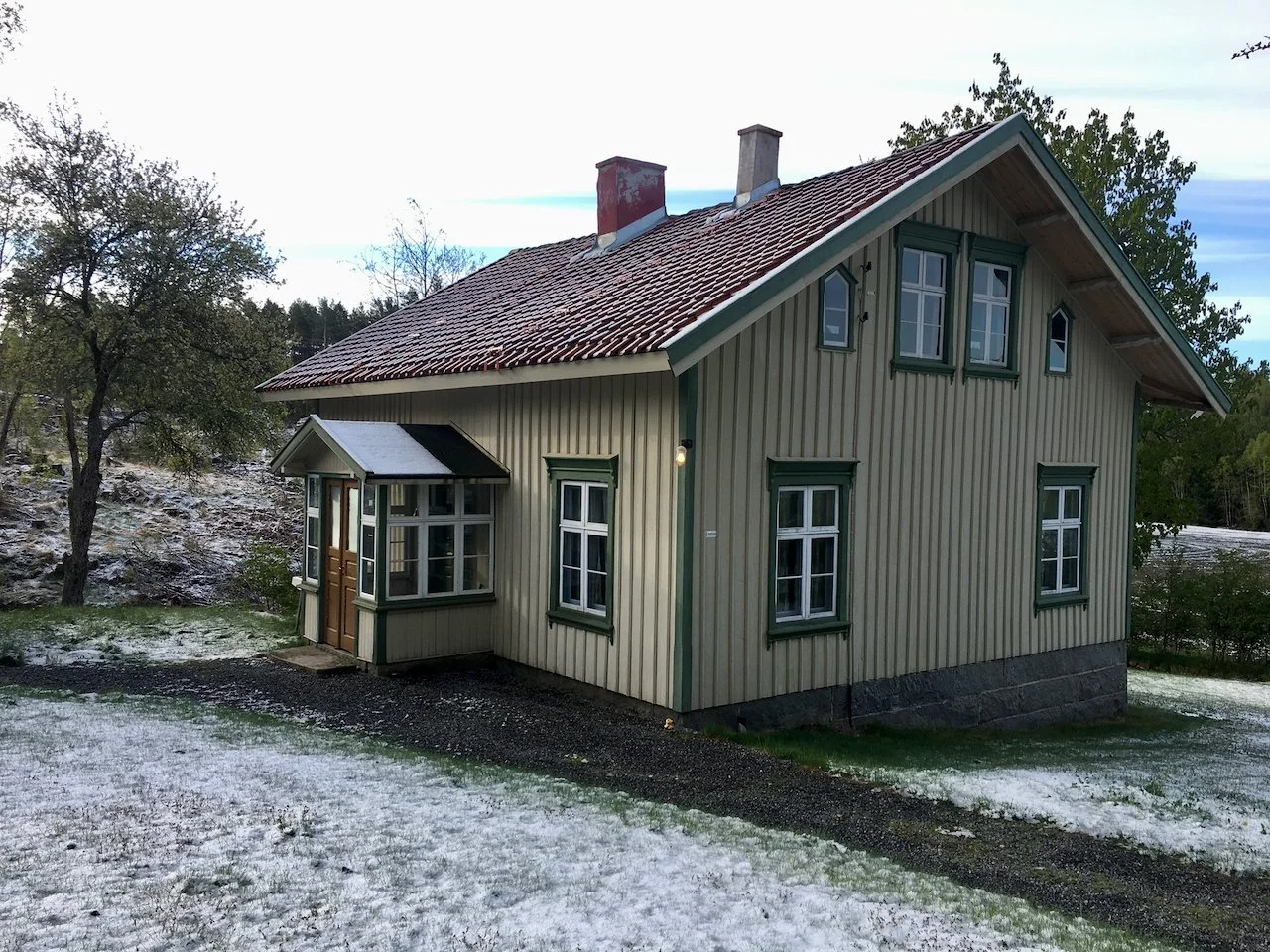
In a Scandinavian context, this respect aligns with a broader cultural sensibility: an appreciation for what already exists, and a reluctance to impose excess. The result is not nostalgia, but continuity, to a house that remains itself, even as it evolves.
Back to: Restoring the Past →