The Story Behind “Olles rum”

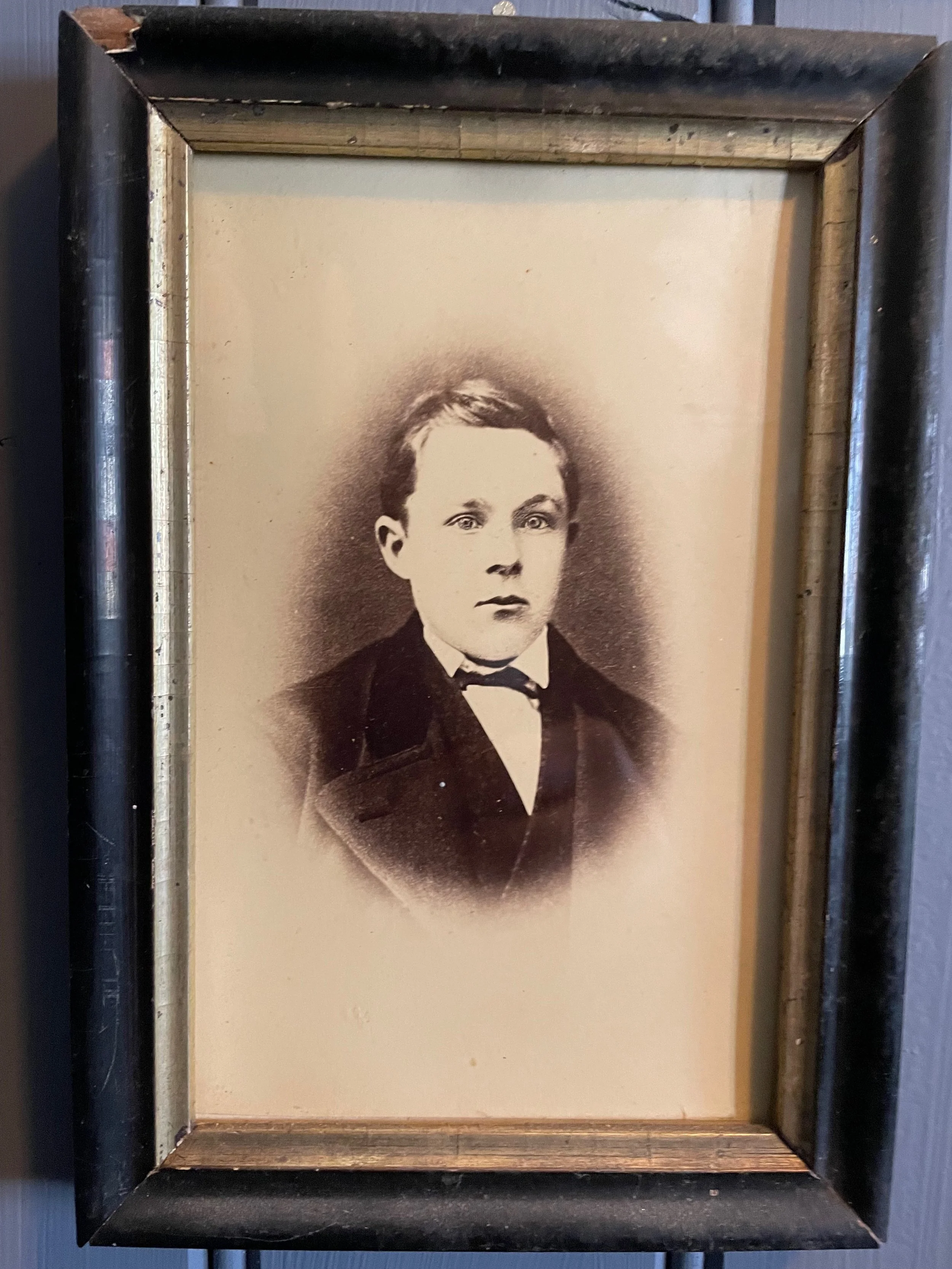
When the farm changed hands in 1939, it did not empty. The three Andreasson siblings, who had worked the land for years, remained. Such an arrangement was not unusual at the time. There were no institutions to receive the elderly, and continuity often meant staying on, even as ownership shifted.
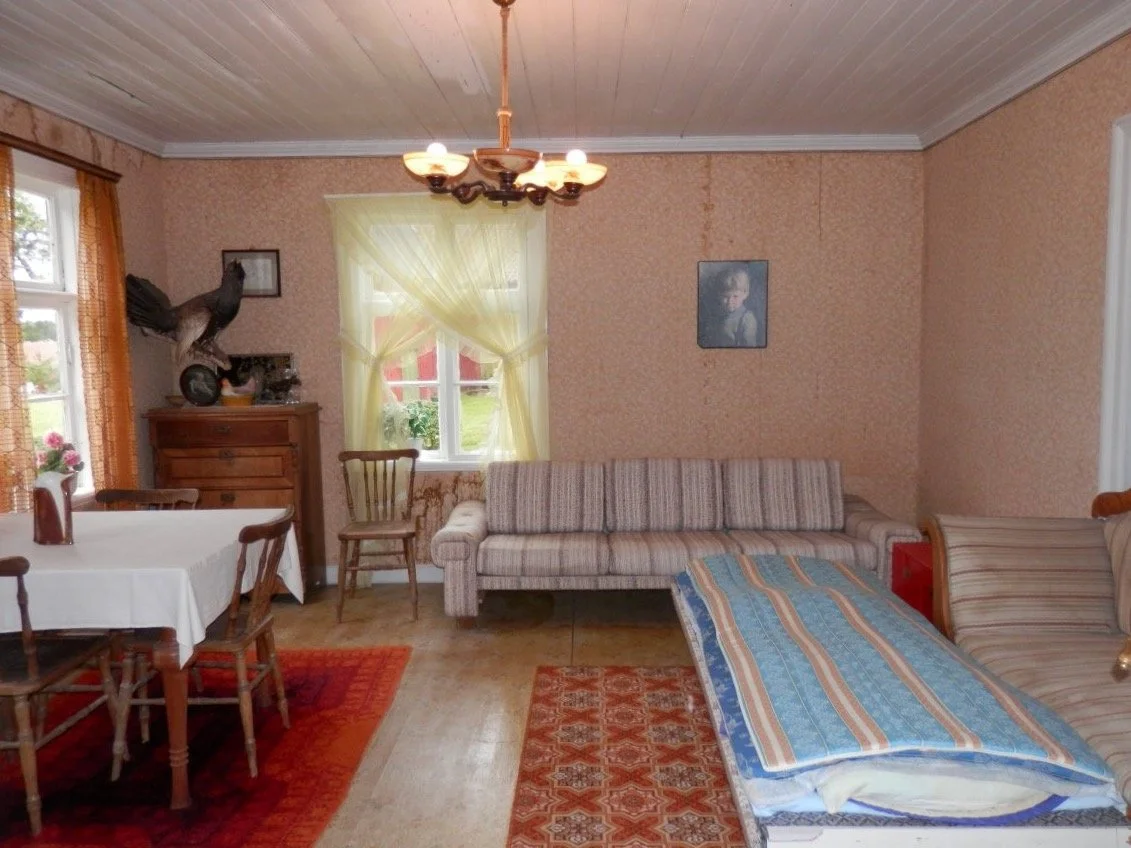
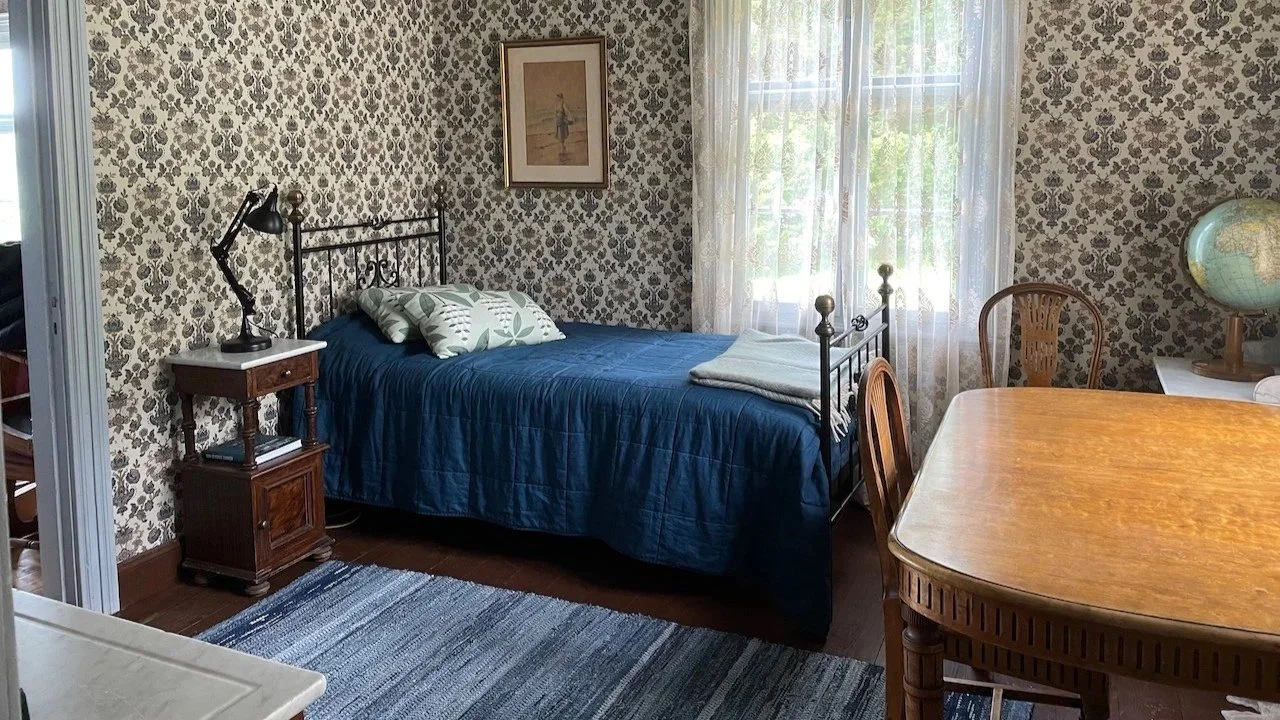
They were given one room on the ground floor and one upstairs, and so the house continued as a shared place, where old routines met new ones without clear division. In “Olles rum,” they slept side by side, a bed placed along each wall a quiet arrangement that speaks of both necessity and familiarity.
The room carries more than traces of use, it holds the shape of lives once lived closely together.
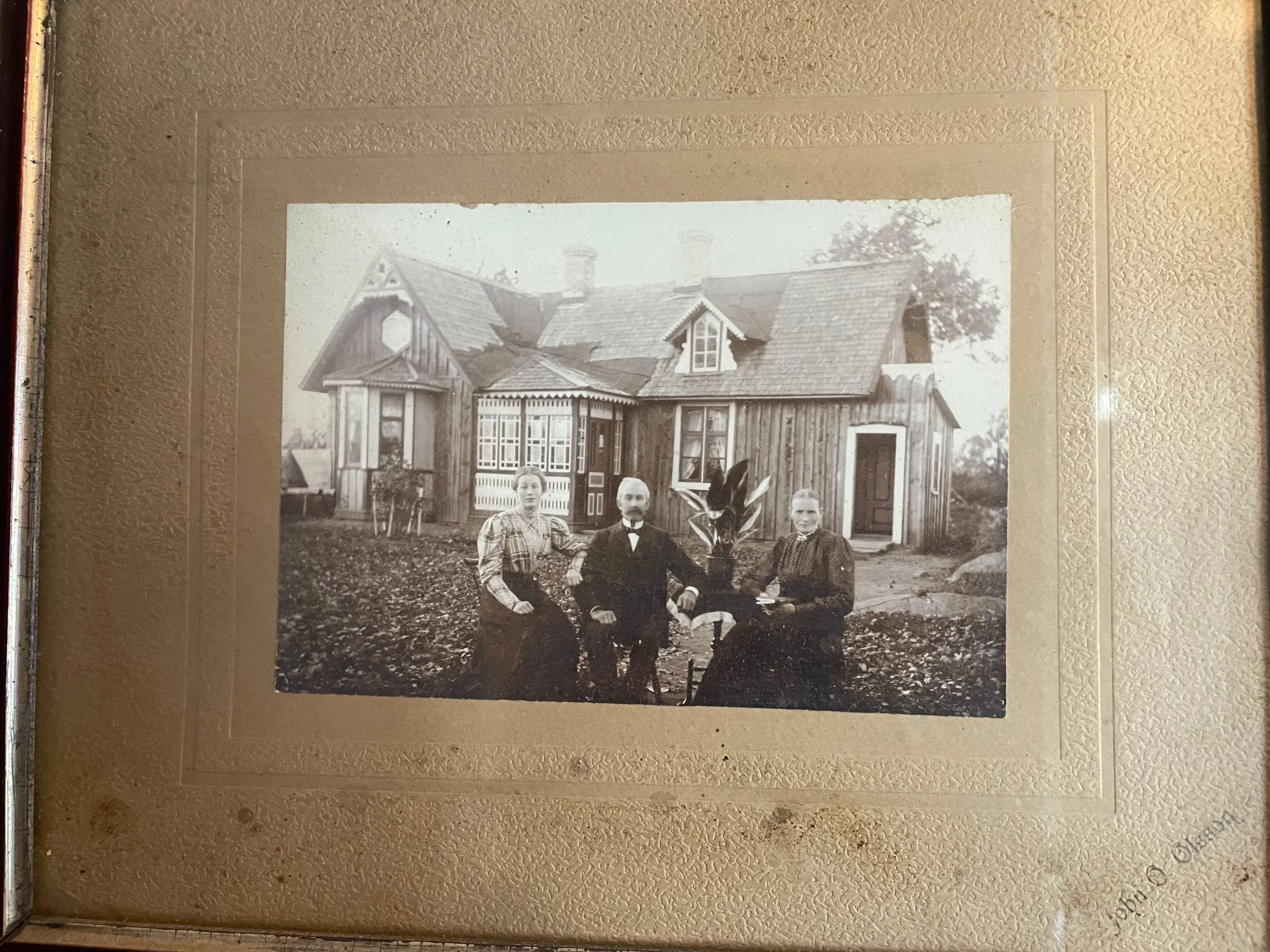
Holger Andersson, who grew up here, remembered a home defined less by ownership than by rhythm. His mother kept the interior of the house in motion, tending to its daily needs, while his father worked the fields, the animals, and the horses. The children stepped in where they could, during harvest, in the forest, in the in-between moments where work and life blurred. The siblings who had once run the farm withdrew from the labor but remained present, their lives folded into the same structure.
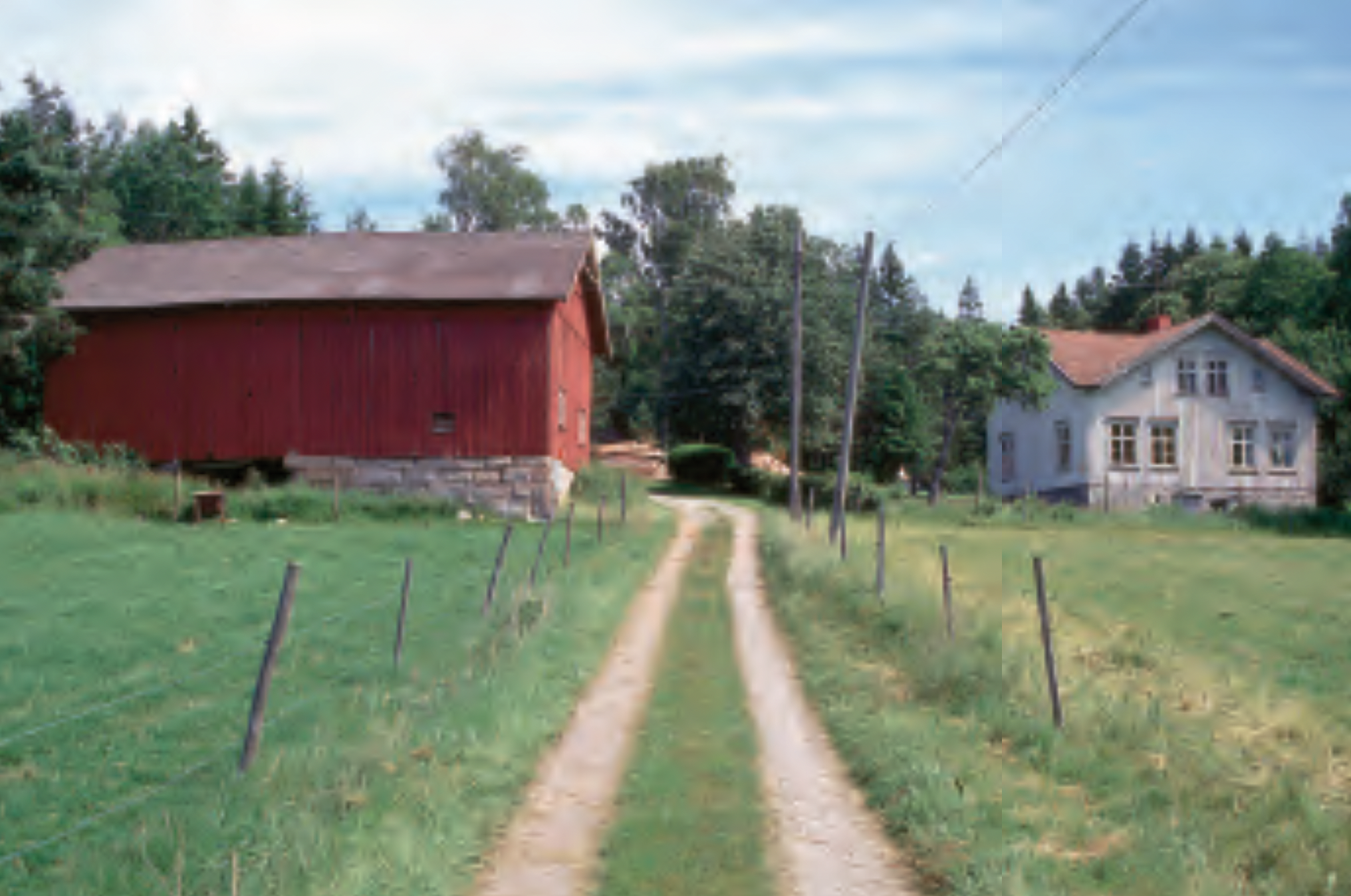
The house itself shifted gradually. Floors were relaid, the kitchen rebuilt, the attic rooms brought into use. Yet some spaces were left almost untouched. “Olles rum” remained as it had been, its surfaces bearing witness rather than renewal. The “best room” stood in contrast, carefully kept, rarely entered. “That was a room you never went into,” Holger recalled.
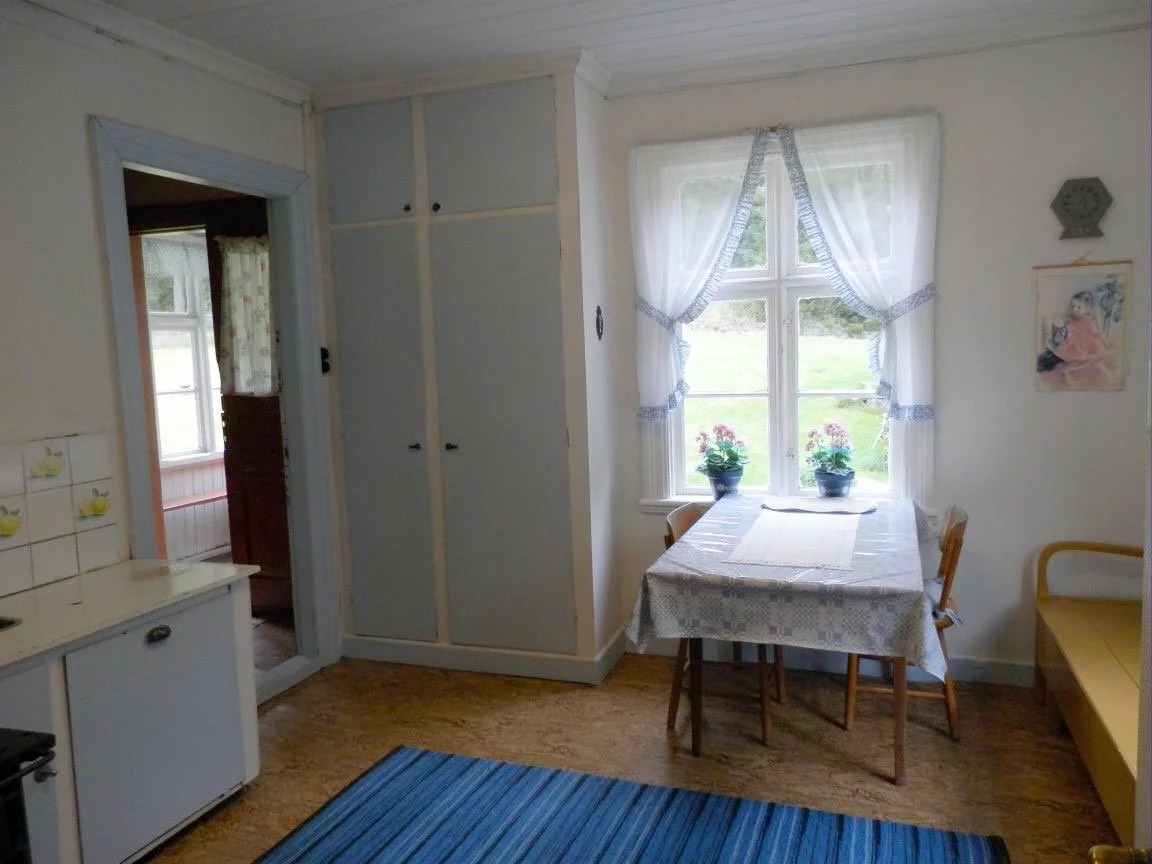
There was no running water, no bathroom, only the steady reliance on what was at hand. Heat came from stoves and fire, later supplemented by a few electric radiators. Electricity arrived in the mid-1940s, a refrigerator some years later, but the essential character of the house remained unchanged: a place shaped by use, by proximity, and by time.
Even as years passed and lives moved on, the imprint of that shared existence remained. In “Olles rum,” it is still possible to sense it, not as something preserved, but as something that quietly endures.
Back to: Inside the Home →