Traditional Construction Methods
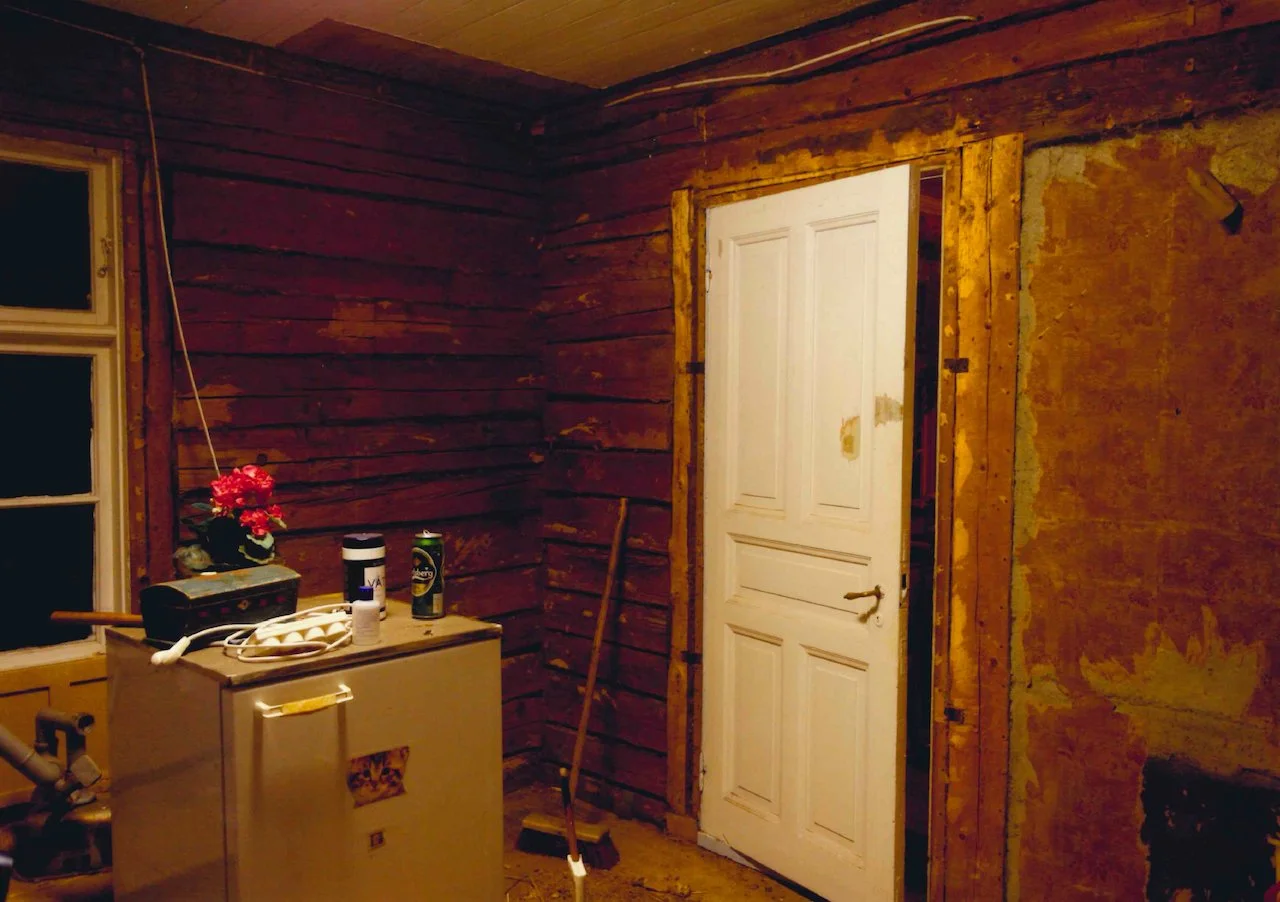
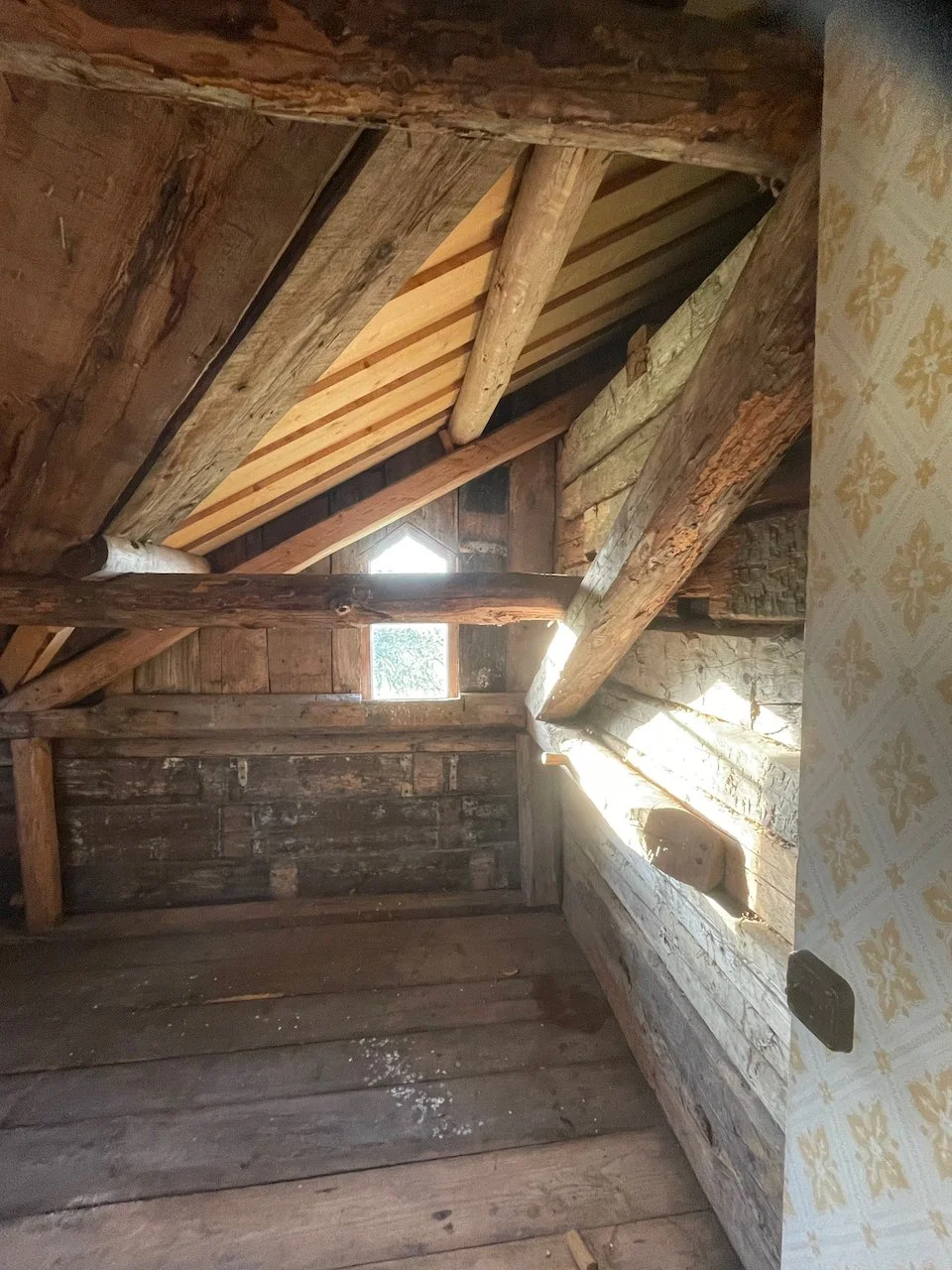
Joinery replaces metal where possible. Structures are designed to move, not resist. Walls are layered to manage moisture rather than seal it out completely. These methods are not outdated, they are deeply adapted to northern climates, where seasonal shifts demand flexibility.
A well-built house reveals its logic over time. In traditional Scandinavian construction, that logic is both simple and remarkably sophisticated, developed through necessity, refined through generations.
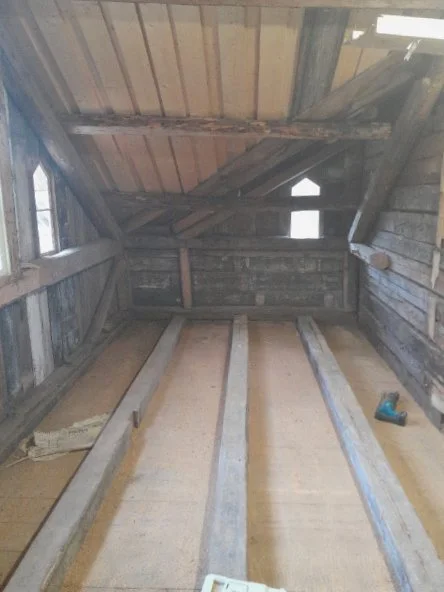
To preserve a building without understanding its construction is to misunderstand its essence. A timber frame relies on precise tension and balance. A log wall settles gradually, requiring allowances in windows and doors. Even the placement of a nail or the angle of a joint carries intention.
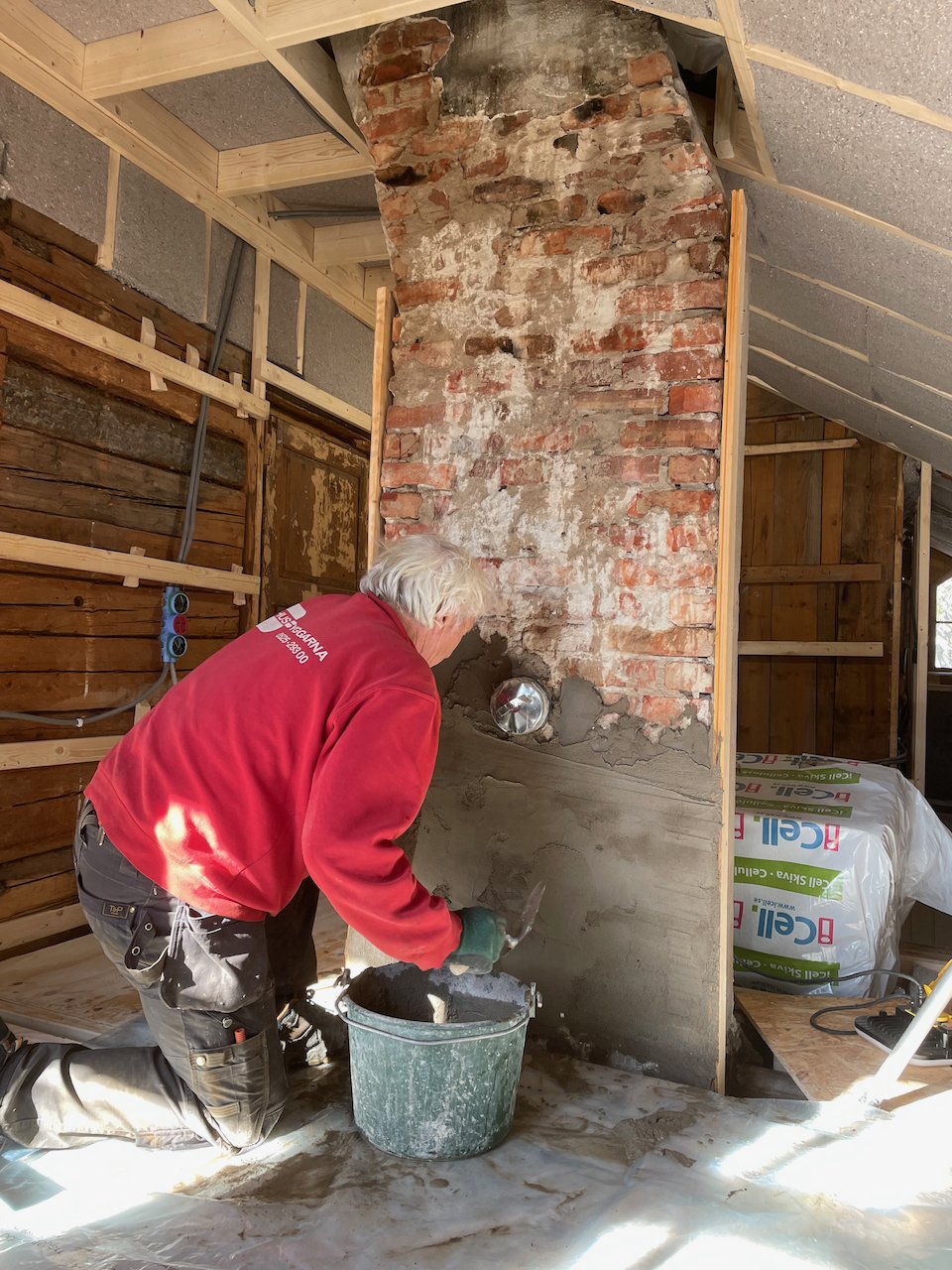
Modern interventions often aim for efficiency, but traditional methods offer resilience. They allow for repair rather than replacement, for adaptation rather than demolition. In this way, craftsmanship becomes sustainability, not as a trend, but as a long-standing practice.
Working with these methods requires patience. It also requires humility: the recognition that many solutions have already been found, quietly embedded in the structures we inherit.
Back to: Restoring the Past →