
What is Scandinavian Design?
Scandinavian interiors are often reduced to a single visual language: white walls, pale woods, and minimalist restraint. It is an aesthetic that has become globally synonymous with Nordic design, calm, functional, and light-filled. Yet this image is less a historical truth than a carefully distilled modern export.
The idea of Scandinavia as inherently white is, in many ways, a contemporary simplification.
Long before international design magazines and showroom minimalism, Nordic homes were far richer in both colour and ornamentation. Traditional Swedish and Norwegian interiors were deeply expressive, shaped by craft, climate, and the desire to create warmth during long, dark winters.
Beyond the Myth of the White Scandinavian Home
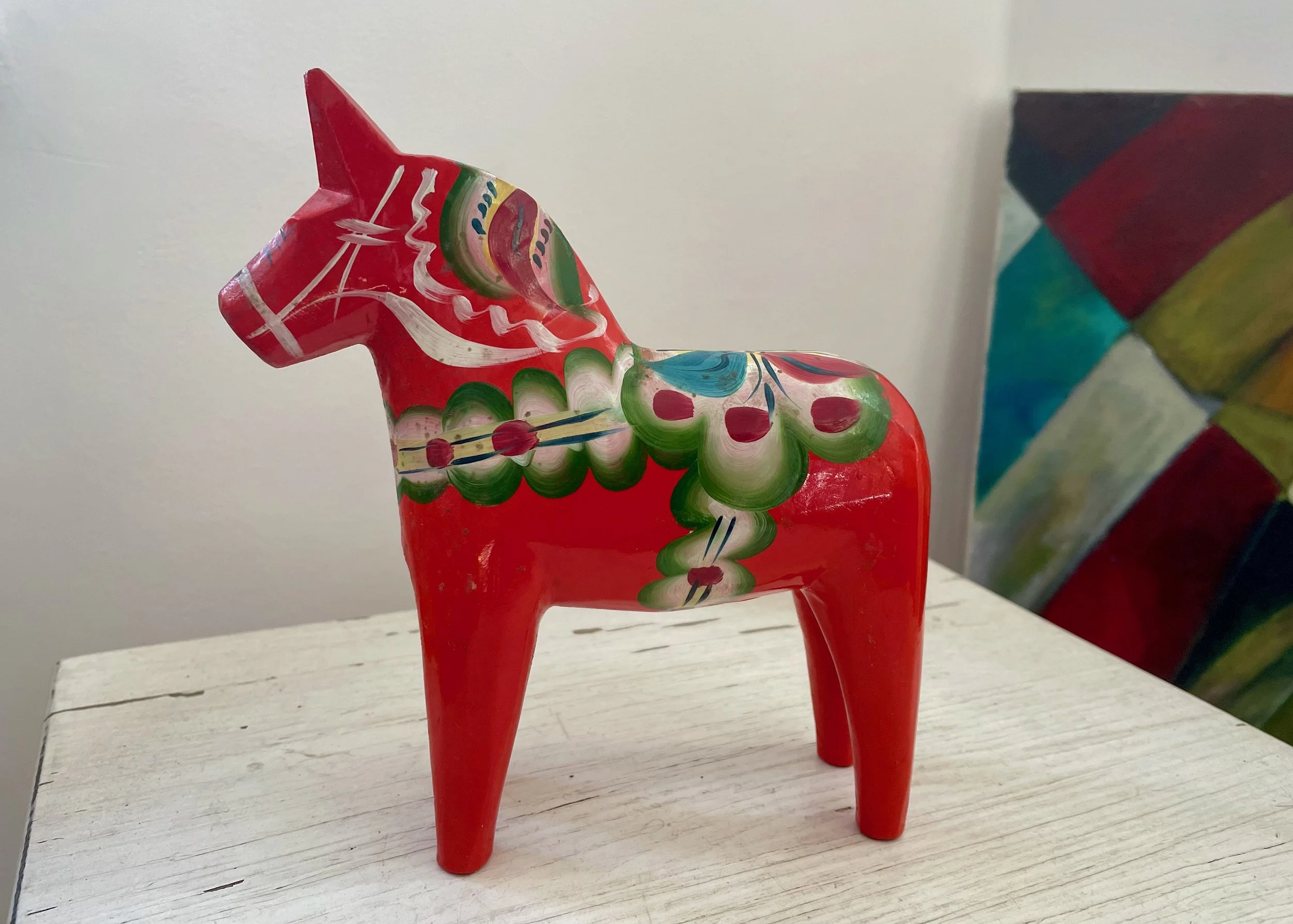
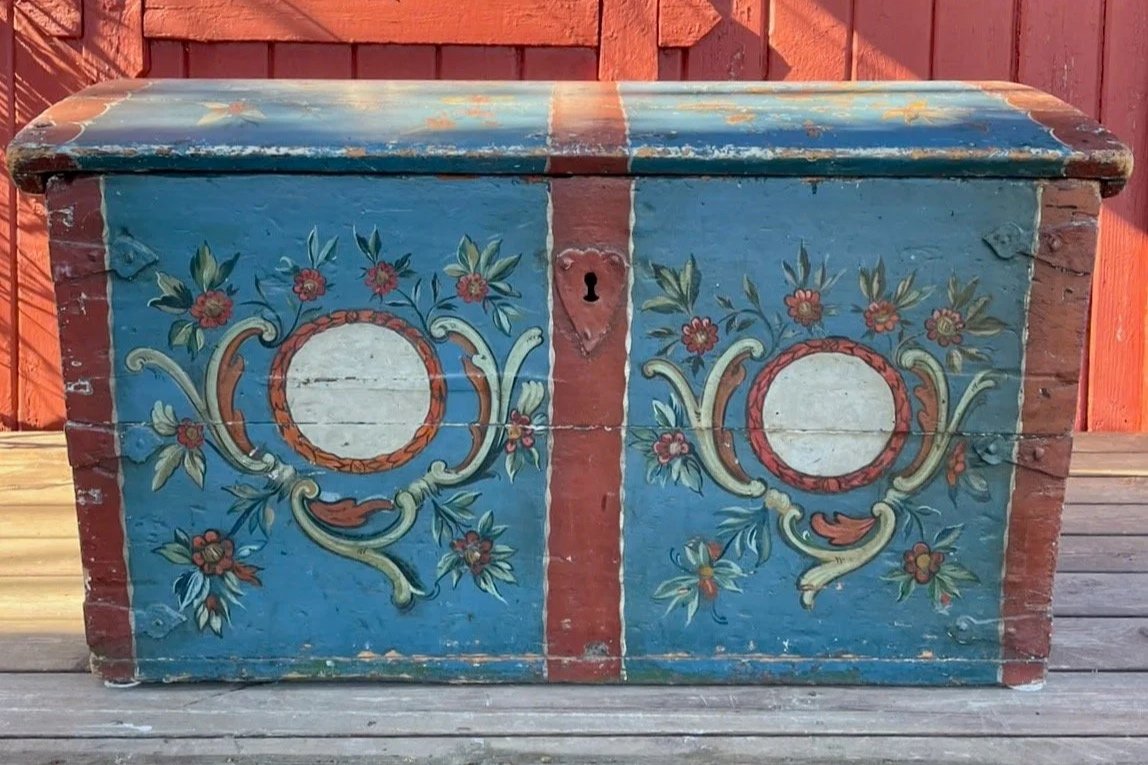
Across rural Scandinavia, interiors were anything but sparse. Swedish allmoge traditions introduced hand-painted furniture, decorative motifs, and the now-iconic kurbits folk art of Dalarna, where floral ornamentation flourished in bold reds, ochres, greens, and blues.
In Norway, rosemaling and painted cabinetry served a similar role. Walls, cupboards, trunks, and bedsteads were decorated not only as ornament, but as markers of identity, prosperity, and local craftsmanship.
Colour was practical, symbolic, and emotional. Deep pigments created warmth in timber-built homes and softened the visual severity of winter landscapes.
A Heritage of Colour and Craft
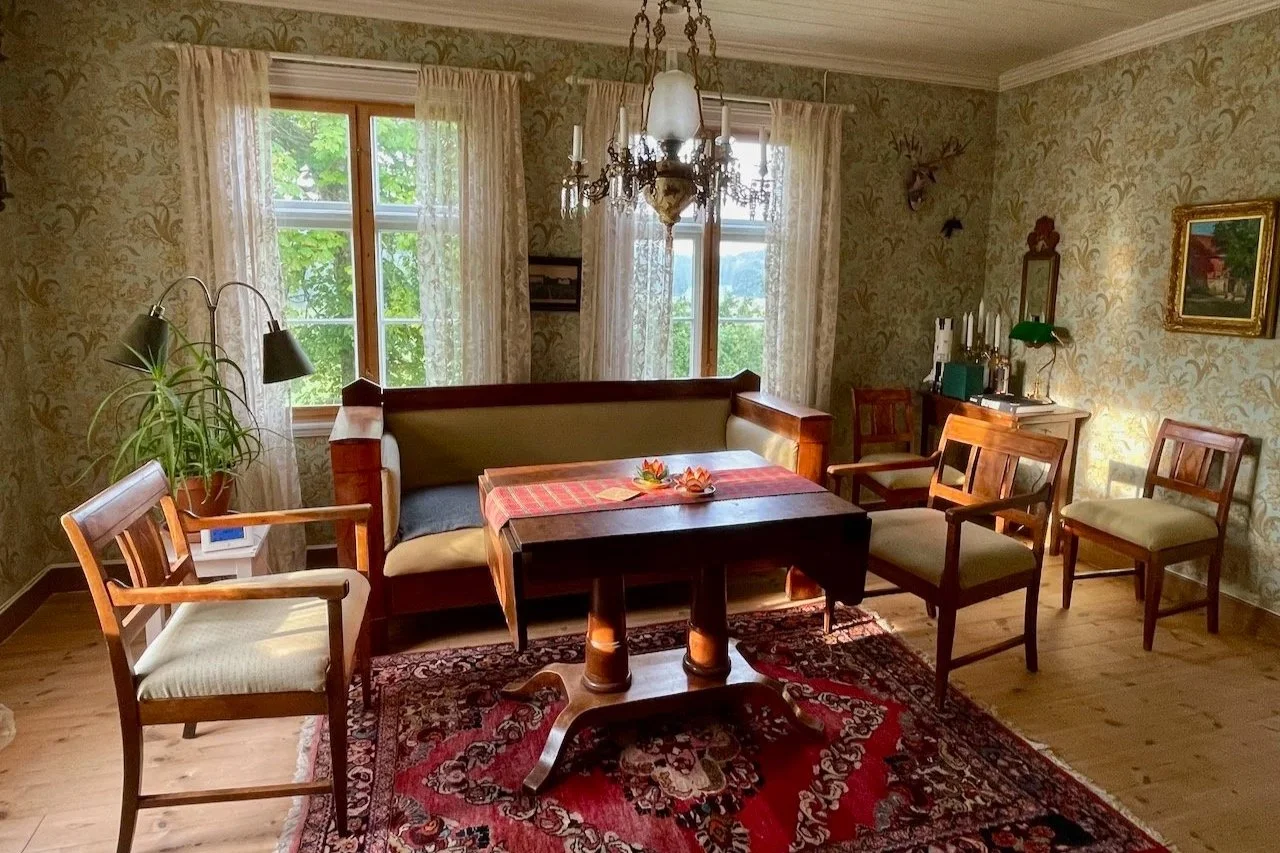
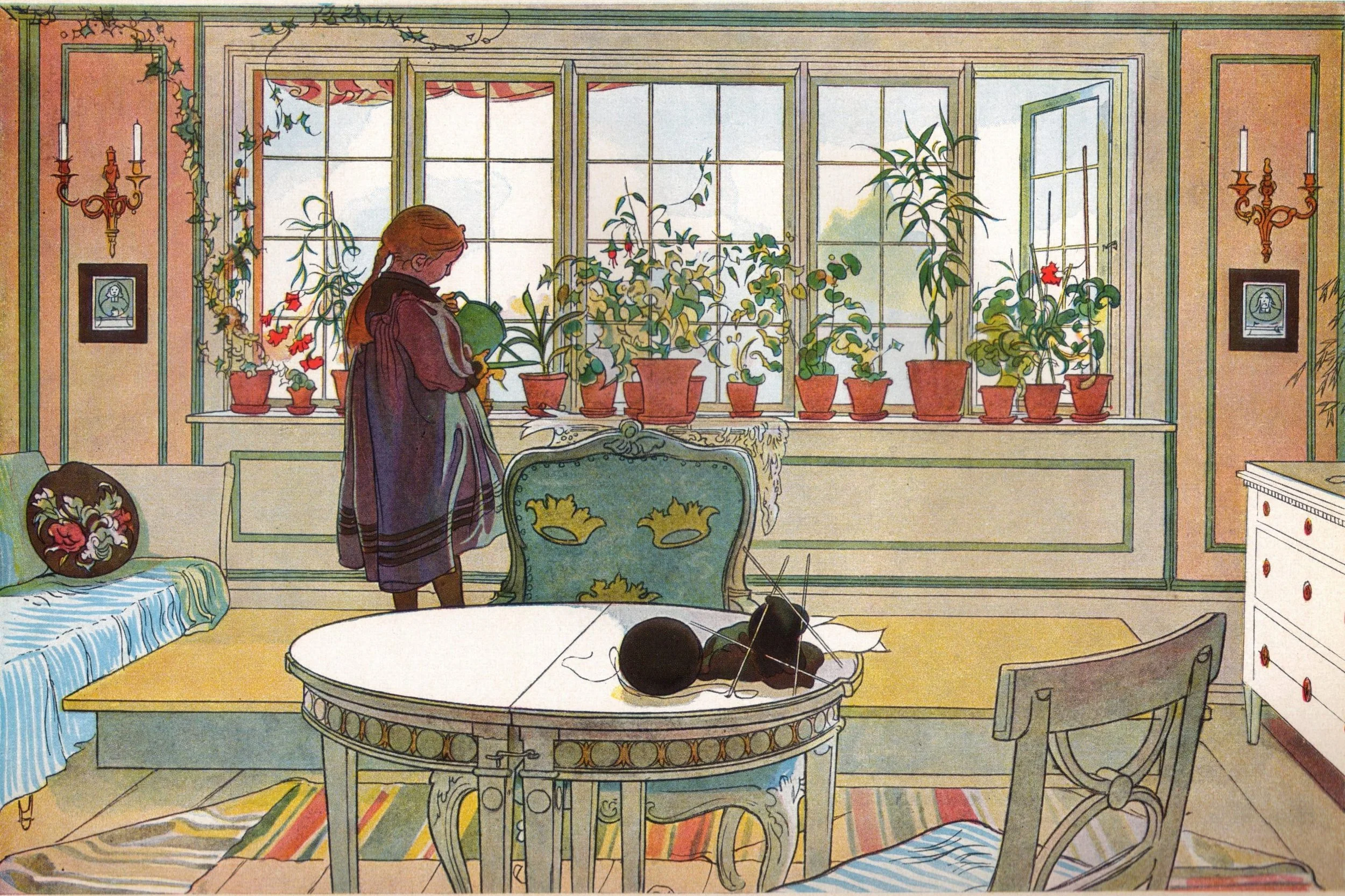
By the 19th century and into the early 20th century, Scandinavian interiors embraced an even softer domestic richness.
Patterned wallpapers became central to Nordic homes, particularly in Sweden. Botanical prints, fauna, trailing florals, and small-scale repeats created layered, intimate rooms that mirrored the natural world outside.
The home of Carl Larsson is perhaps the clearest example: rooms filled with painted panelling, textiles, decorative wallpaper, and muted yet warm palettes. These interiors were not minimal, but composed - practical spaces softened by personality and narrative.
This was an interior culture built on atmosphere rather than emptiness.
The Wallpapered Nordic Home
The now-familiar white Scandinavian aesthetic emerged much later.
With the rise of Functionalism in the early 20th century, Nordic design shifted toward rationality, hygiene, and simplified form. Ornament was reduced, surfaces became cleaner, and interiors aligned with modernist ideals.
But it was not until the international success of Scandinavian design in the 1950s, and again during the 1990s minimalism wave, that whiteness became a global shorthand for the region.
White walls photographed well. They amplified light, felt universally aspirational, and translated easily across export markets. In doing so, they flattened a far more nuanced interior tradition into a singular commercial identity.
The white Scandinavian home, as the world came to know it, was as much branding as heritage.
How White Became the Scandinavian Brand
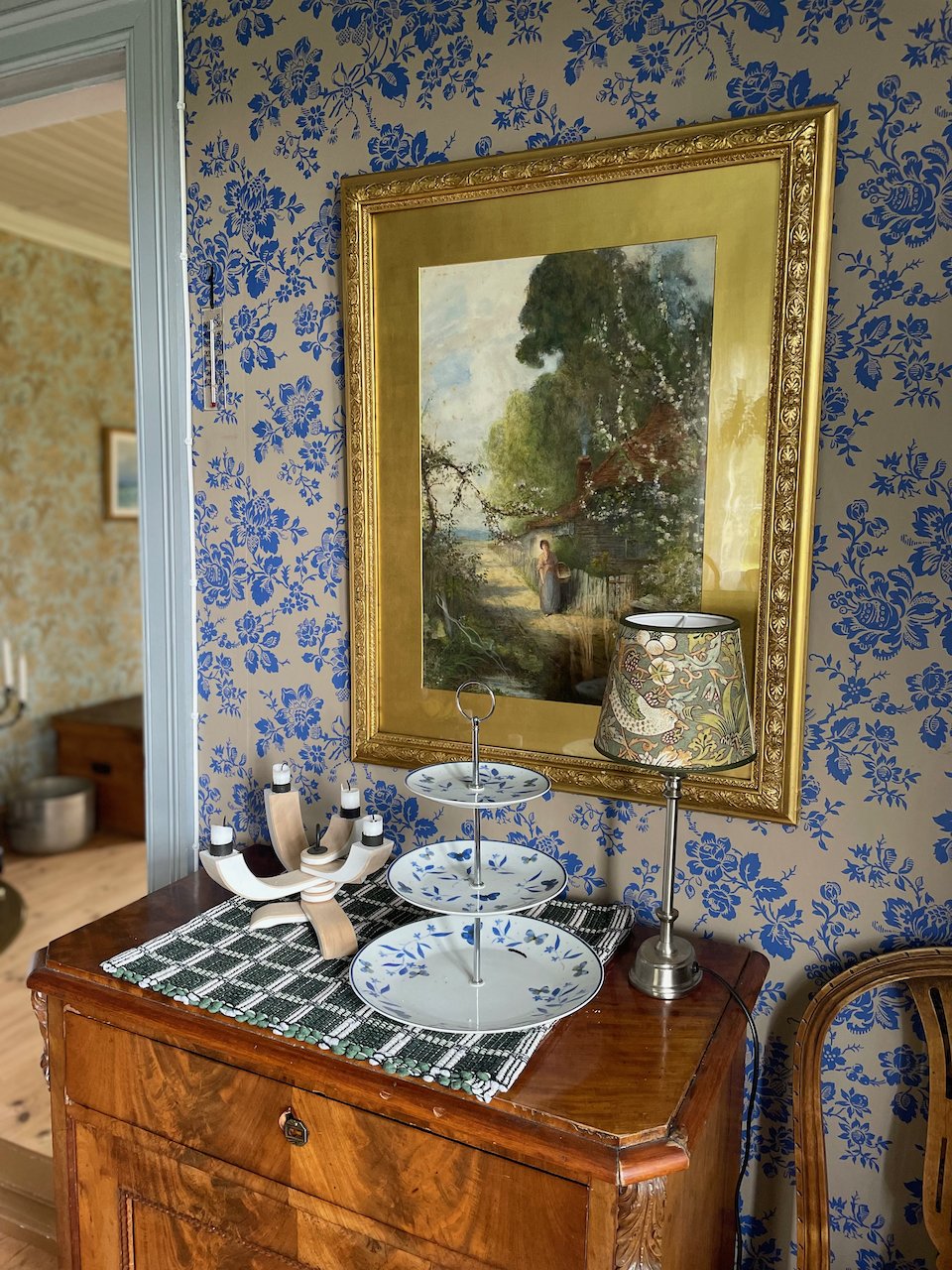
Today, Scandinavian interiors are quietly moving away from that sterile interpretation.
A new generation of Nordic homes is rediscovering what was always there: mineral tones, smoked woods, earthy reds, moss greens, ochres, umbers, and layered materials with visible age and tactility.
This is not a rejection of Scandinavian design, but a return to its fuller history. Much like what has been done in this project, The Scandinavian Pantry.
The true Nordic home was never only white. It has always balanced simplicity with warmth, utility with beauty, and restraint with a profound sensitivity to season, material, and place.
Perhaps the future of Scandinavian interiors is not brighter, but deeper.
Returning to Nordic Depth
Sources & Further Reading
Nationalmuseum Sweden – Scandinavian interiors and decorative arts collections
Carl Larsson-gården, Sundborn – Archive and interior history
Nordiska Museet – Swedish folk interiors, allmoge and textile traditions
Norsk Folkemuseum – Norwegian decorative painting and domestic history
Interiors
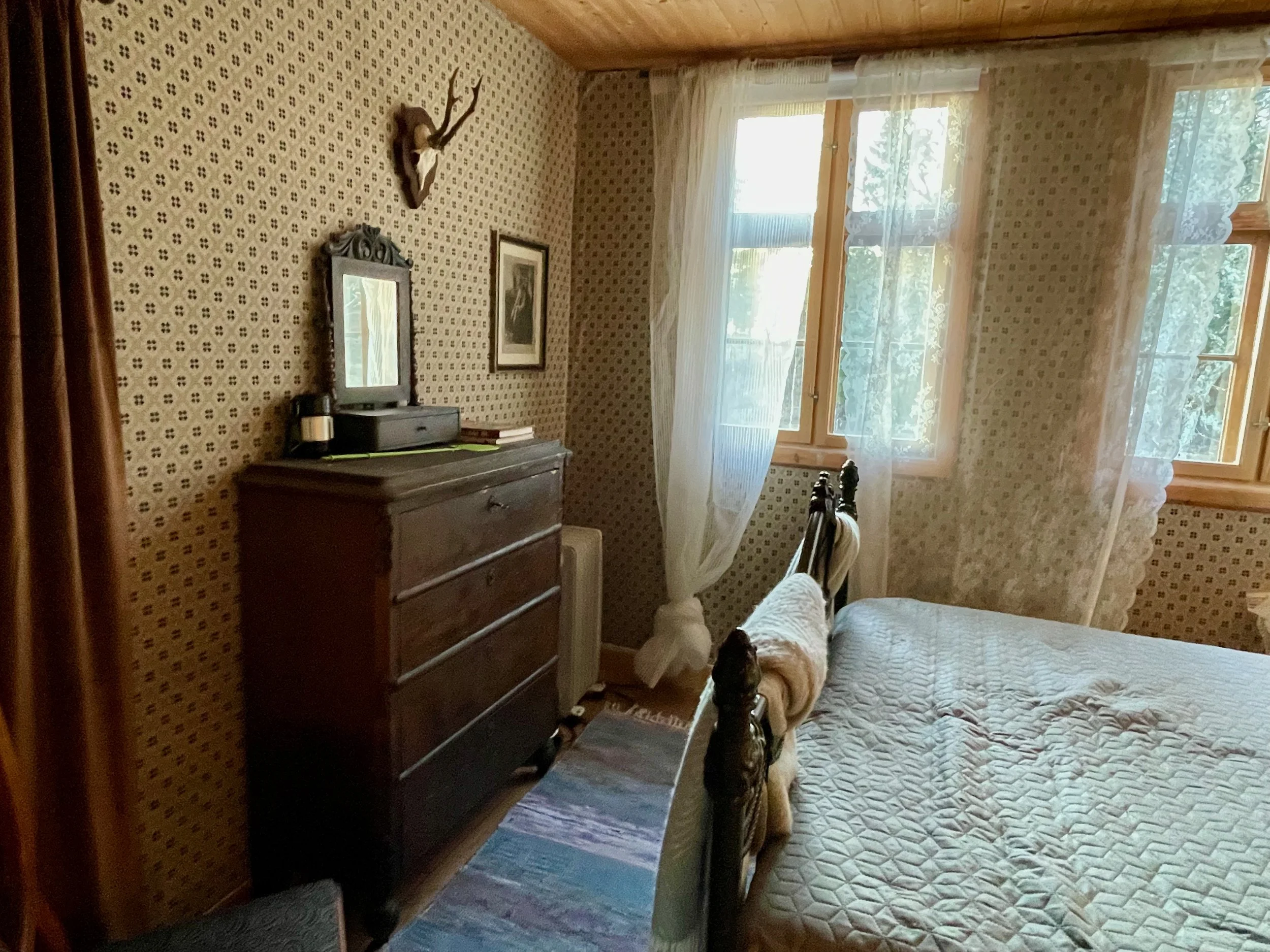
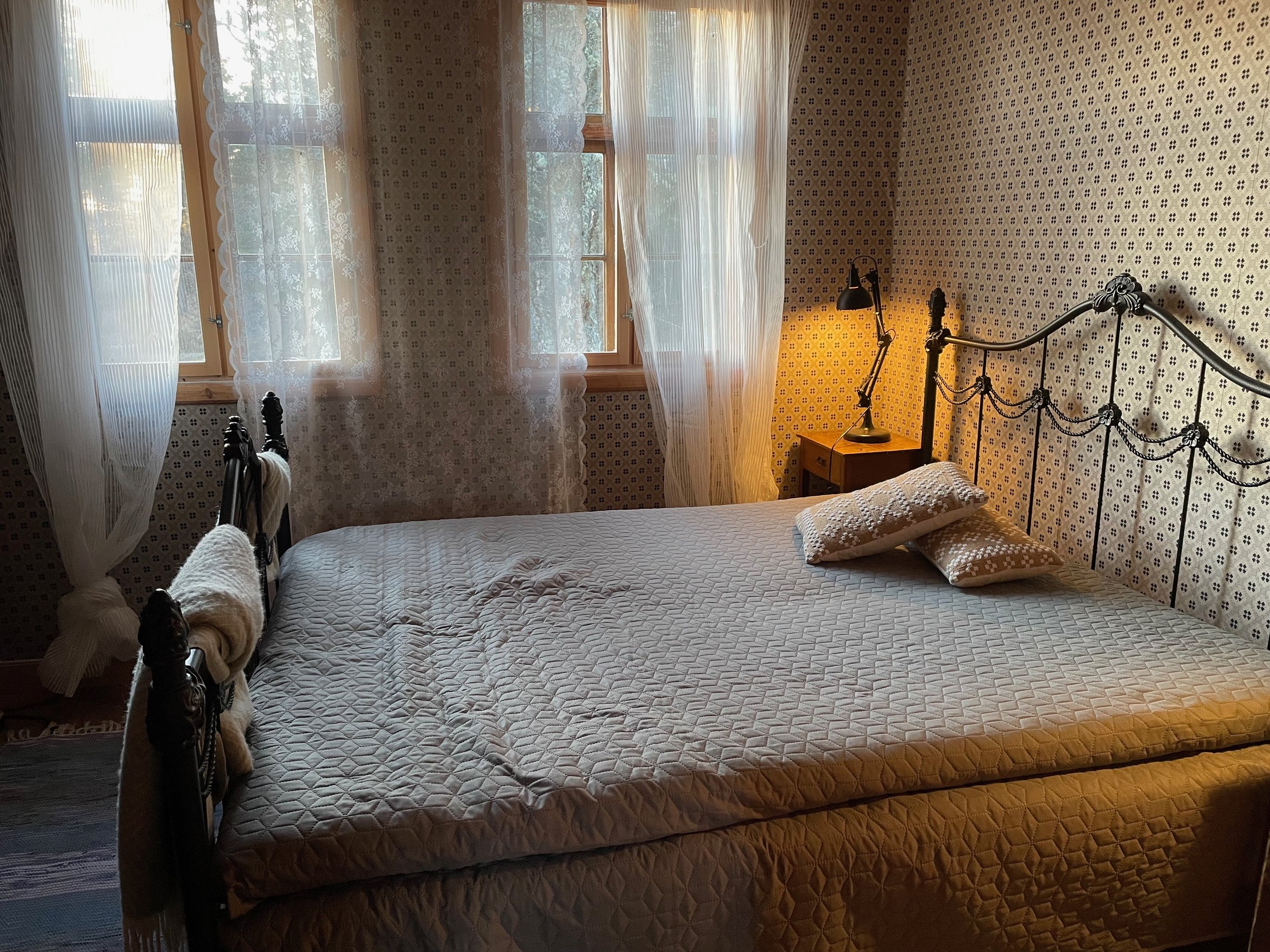
Interior design is not about choosing between old and new, but understanding how materials, proportions, and atmosphere can work together to create a balanced whole.
Back to: Back to Scandinavian Interior Design →