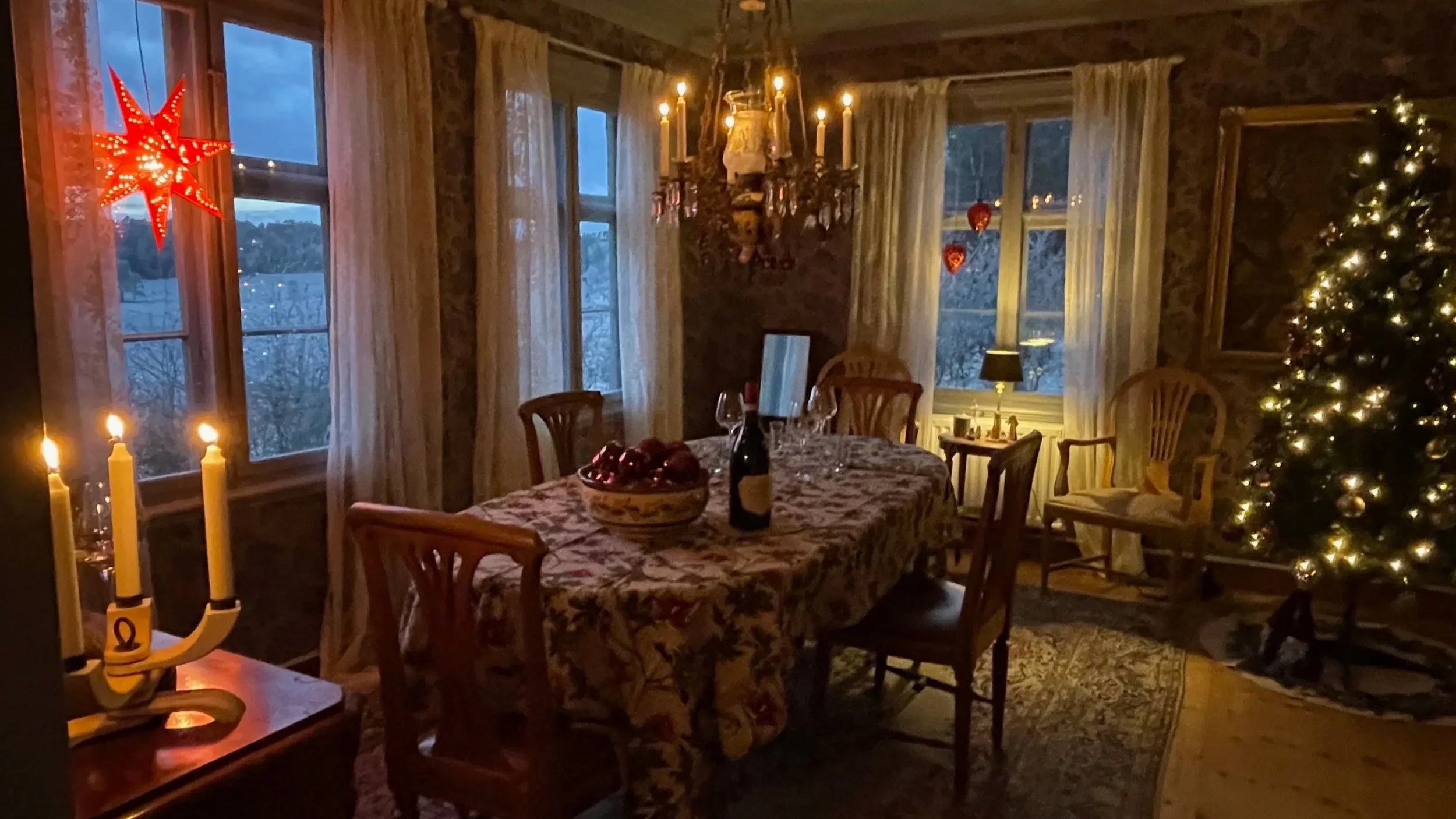
Lighting in a historic home is never purely technical. It is atmospheric.
Before the introduction of modern electricity, interiors relied on candlelight and early fixtures that created softer, more localized illumination. This legacy still shapes how light is understood today.
Historic Lighting
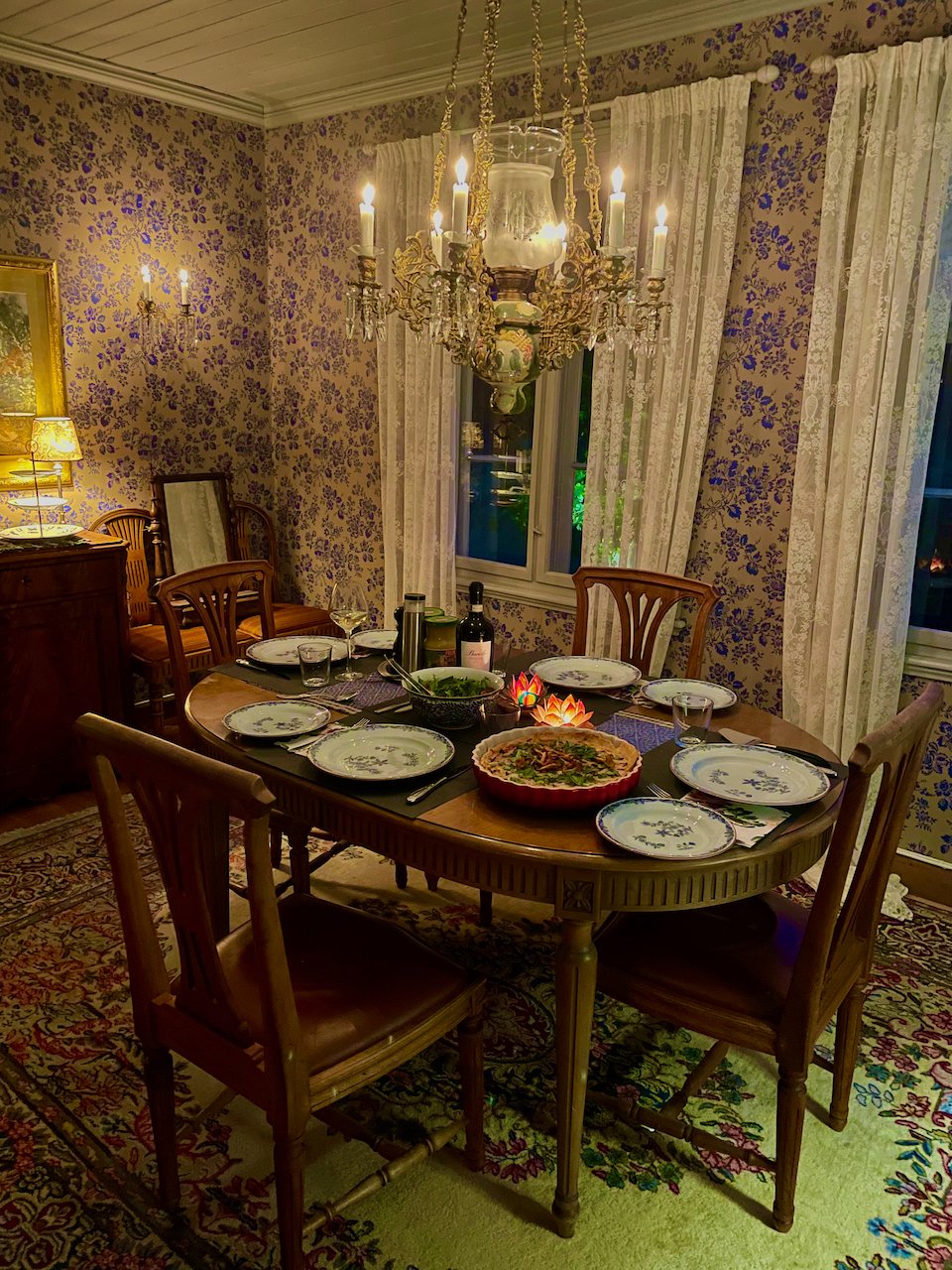
Rather than a single central source, both historic and Scandinavian interior design depend on layers:
Window light during the day
Table lamps and wall fixtures in the evening
Reflections from pale surfaces and textiles
Together, these layers create a shifting sense of depth and variation throughout the day, where light is not only functional but also essential in creating a true Scandinavian atmosphere.
Layered Illumination
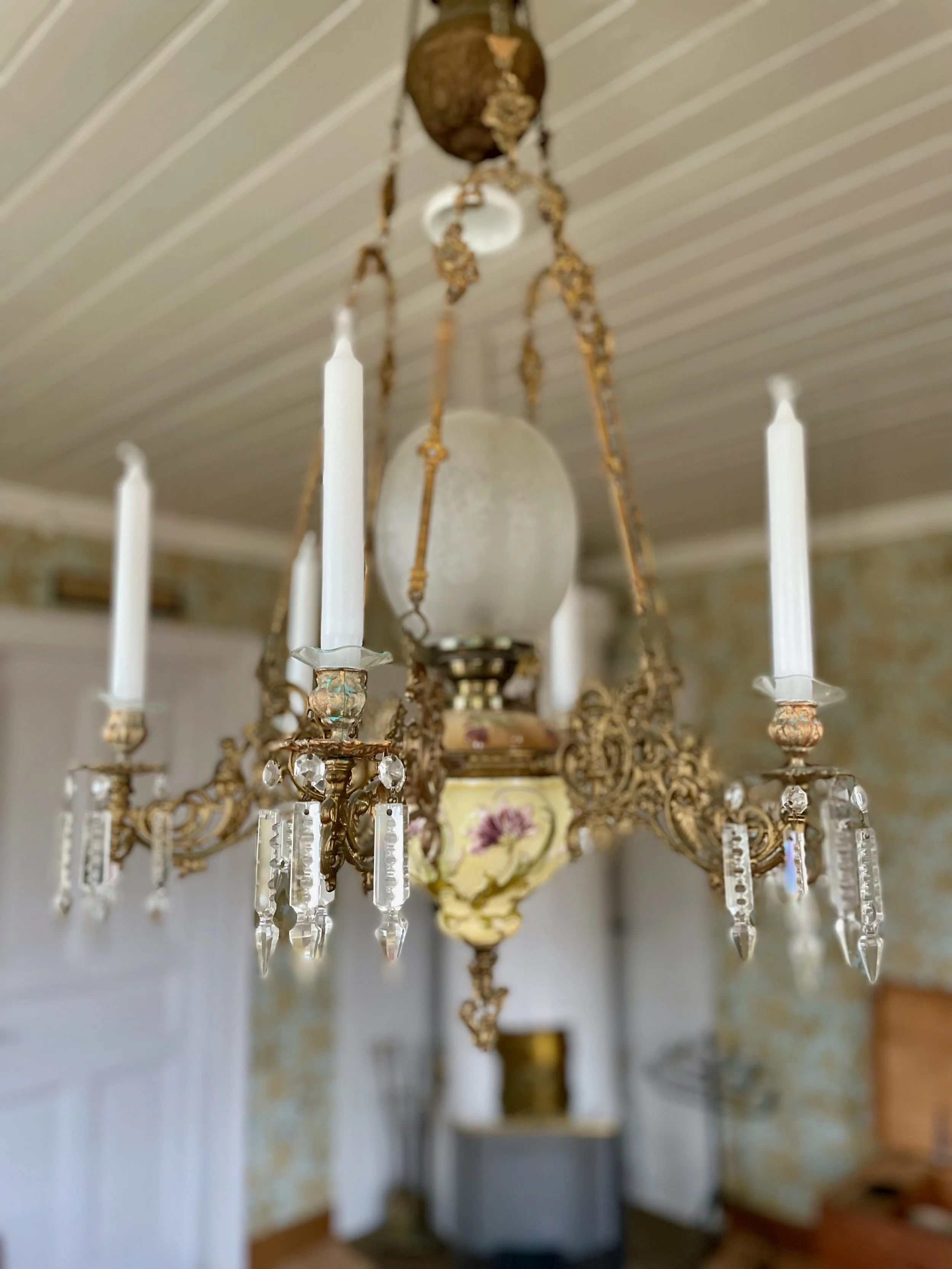
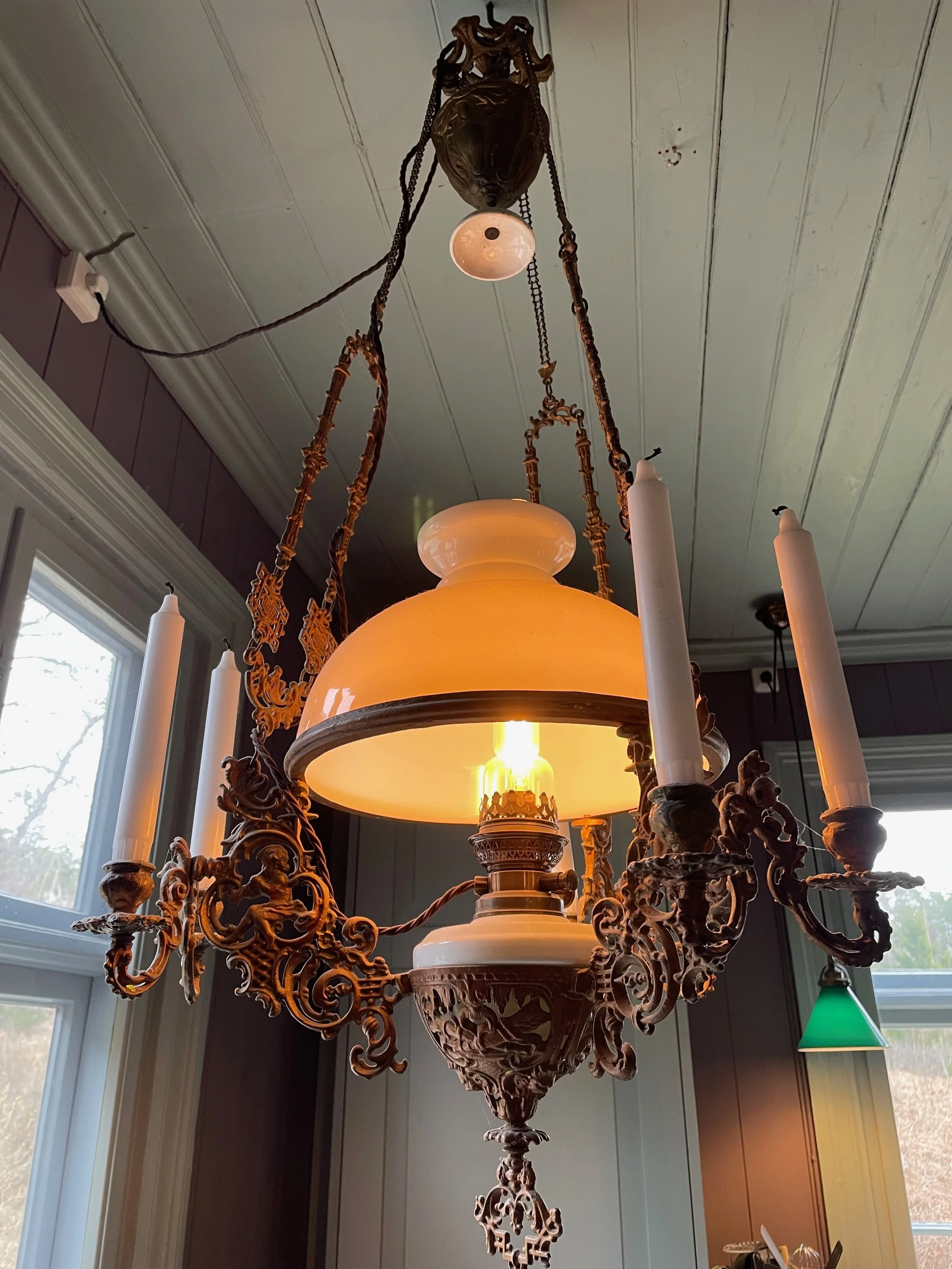
Period Fixtures
Lighting fixtures are often understated but carefully detailed.
Materials such as brass, glass, and painted metal are common. Forms are balanced and symmetrical, reflecting classical influences while remaining practical.
In many cases, fixtures are restored rather than replaced, to preserve both craftsmanship and patina.
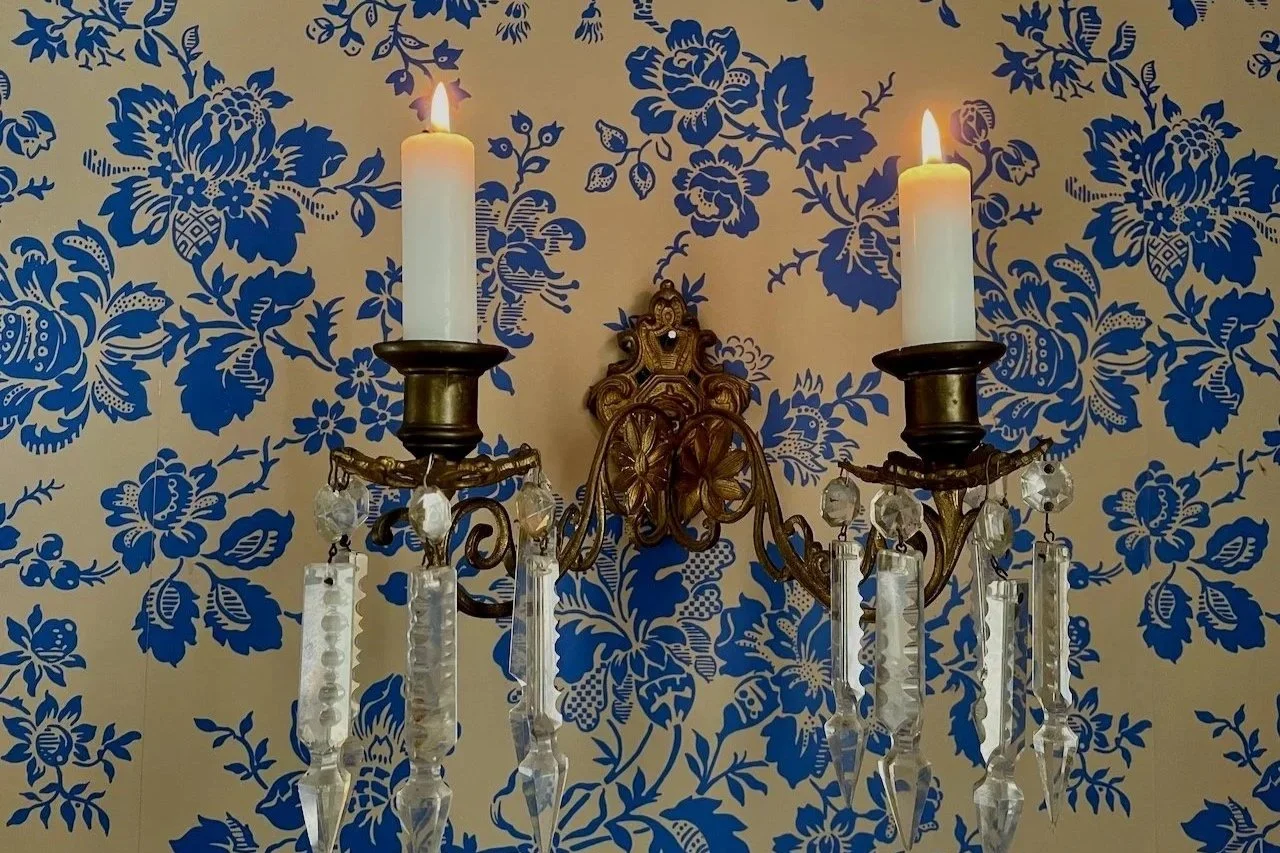
Modern lighting often prioritizes brightness. Historic interiors prioritize softness.
Warm tones and diffused light create an atmosphere that feels intimate rather than exposed. Shadows are not eliminated, they become part of the composition.
Softness Over Brightness
Light as Atmosphere
Lighting is one of the most powerful tools in shaping a room.
In a Nordic context, where daylight varies dramatically across seasons, artificial light becomes essential in maintaining warmth and comfort.
Articles: Timeless Lighting in Nordic Homes →
Article: “ ” →
Article: “ ” →
Next: Explore Scandinavian Interior Design →
Back to: Inside the Home →