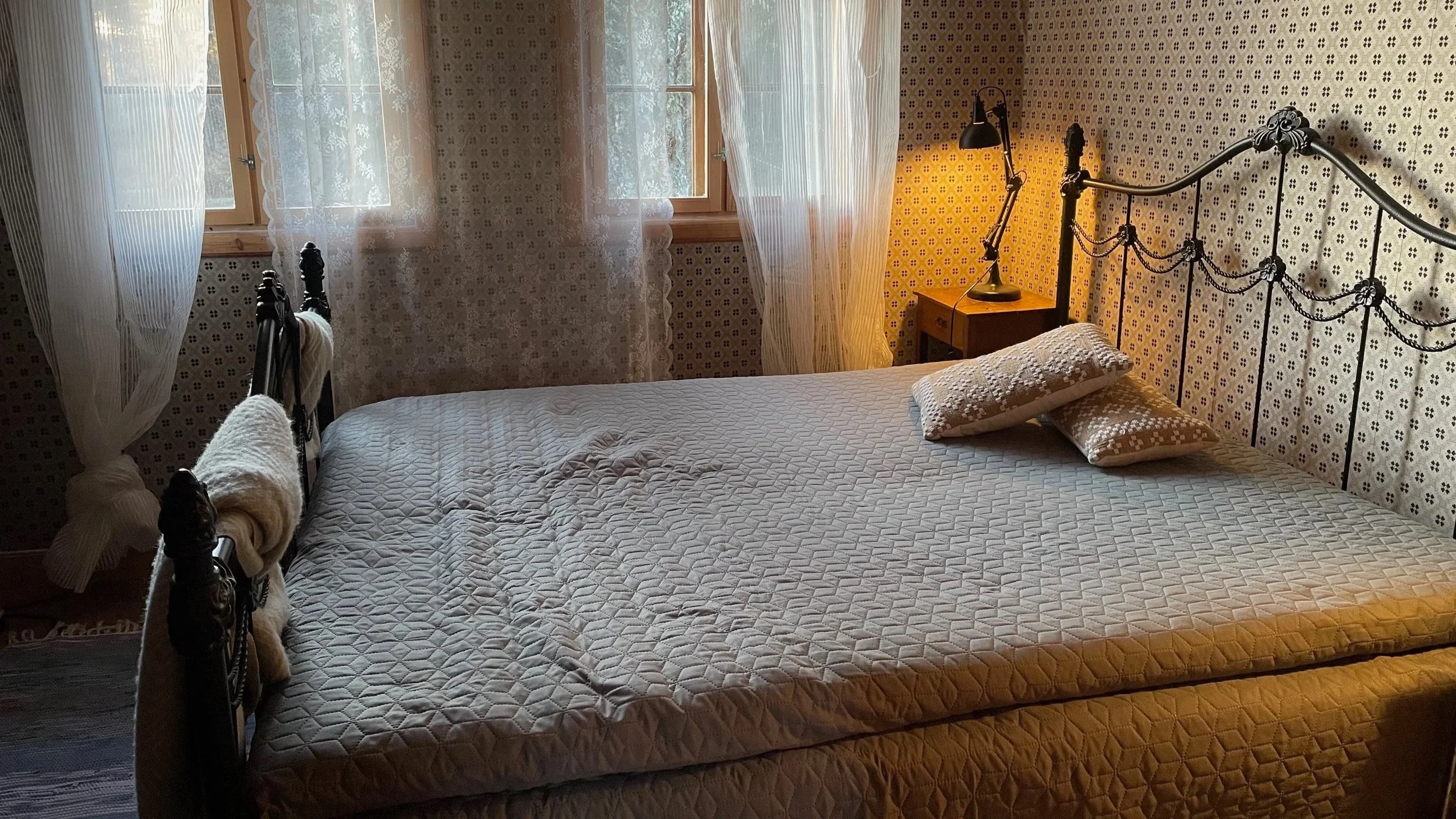
Scandinavian interior design is often described as minimal. In reality, it is something more enduring, an approach shaped by climate, materials, and a deep respect for everyday life.
In historic homes, these principles become even more tangible. Light is not added, but revealed. Materials are not hidden, but allowed to age. Spaces are not styled, but lived in.
Scandinavian Interior Design
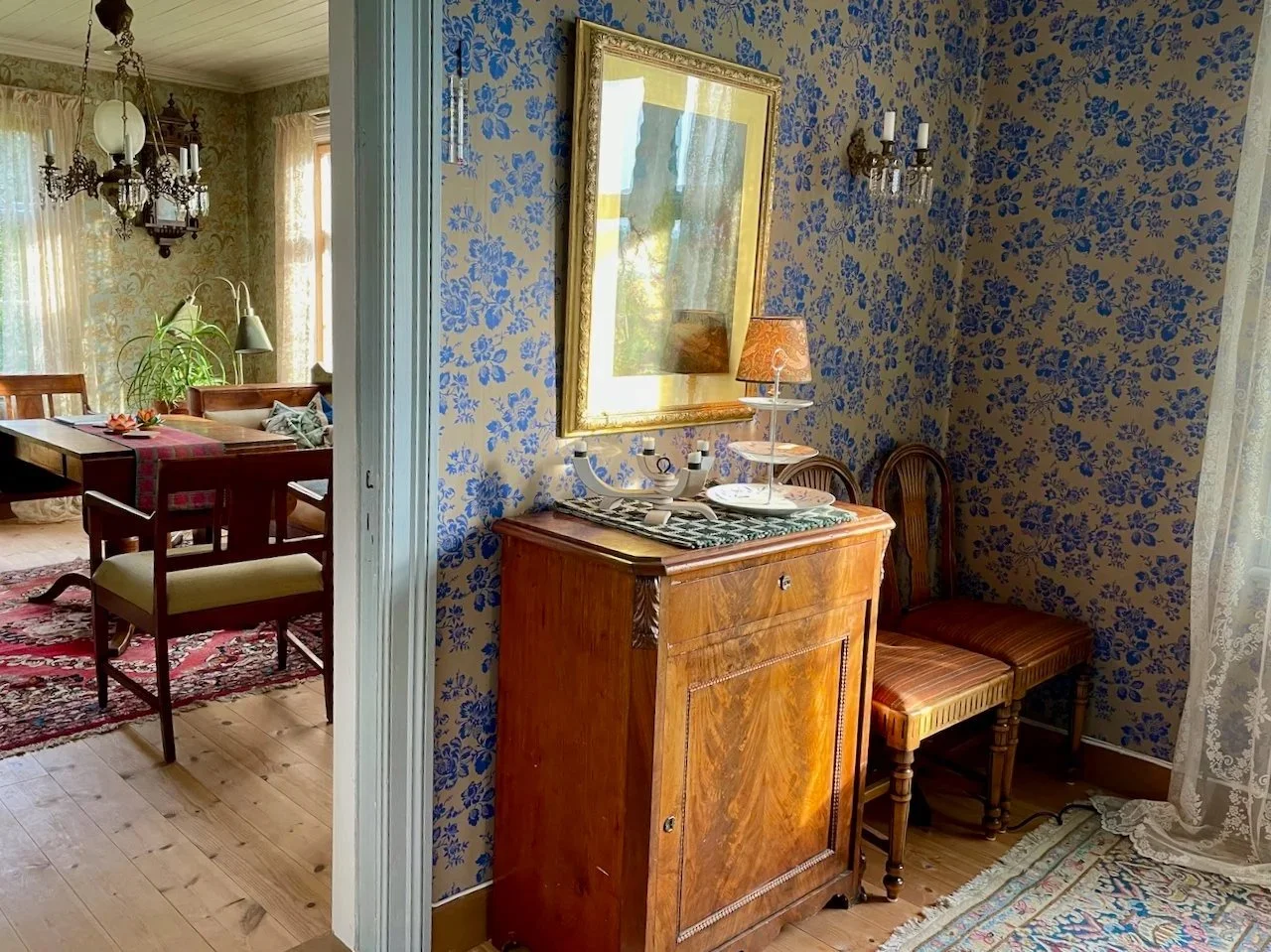
In the Nordic home, light defines everything.
Soft, shifting daylight interacts with muted colors, natural wood, and matte surfaces. Walls are not simply boundaries, they reflect and carry light through the space.
This sensitivity creates interiors that feel calm rather than empty.
Light as Foundation

Restraint and Material Honesty
Restraint is not about absence, but intention.
Natural materials: wood, linen, stone, and pigment are chosen for their ability to age with dignity. Surfaces are rarely perfect, but they are coherent.
Rather than layering decoration, Scandinavian interiors rely on proportion, craftsmanship, and balance.
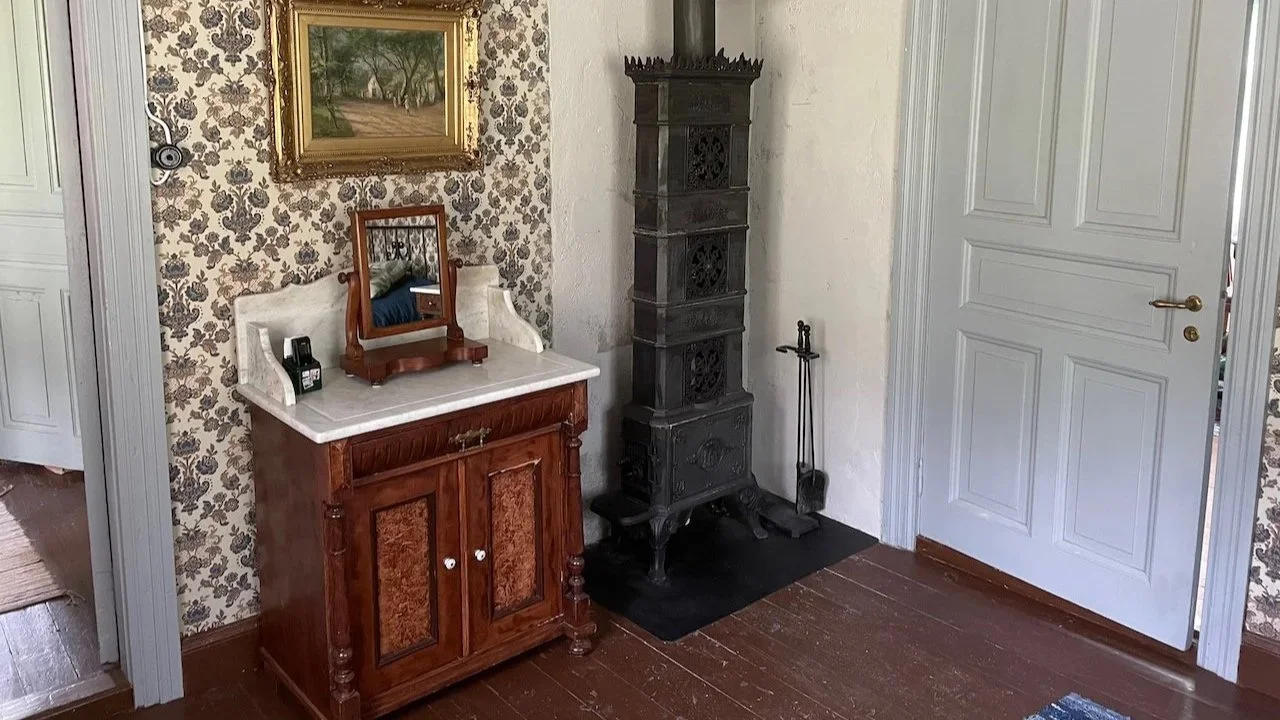
In a historic setting, design is not about contrast between old and new. Instead, the aim is continuity.
Furniture, textiles, and finishes are introduced gradually, allowing the home’s original character to guide decisions. The result is an interior that feels whole rather than composed.
Continuity Over Contrast
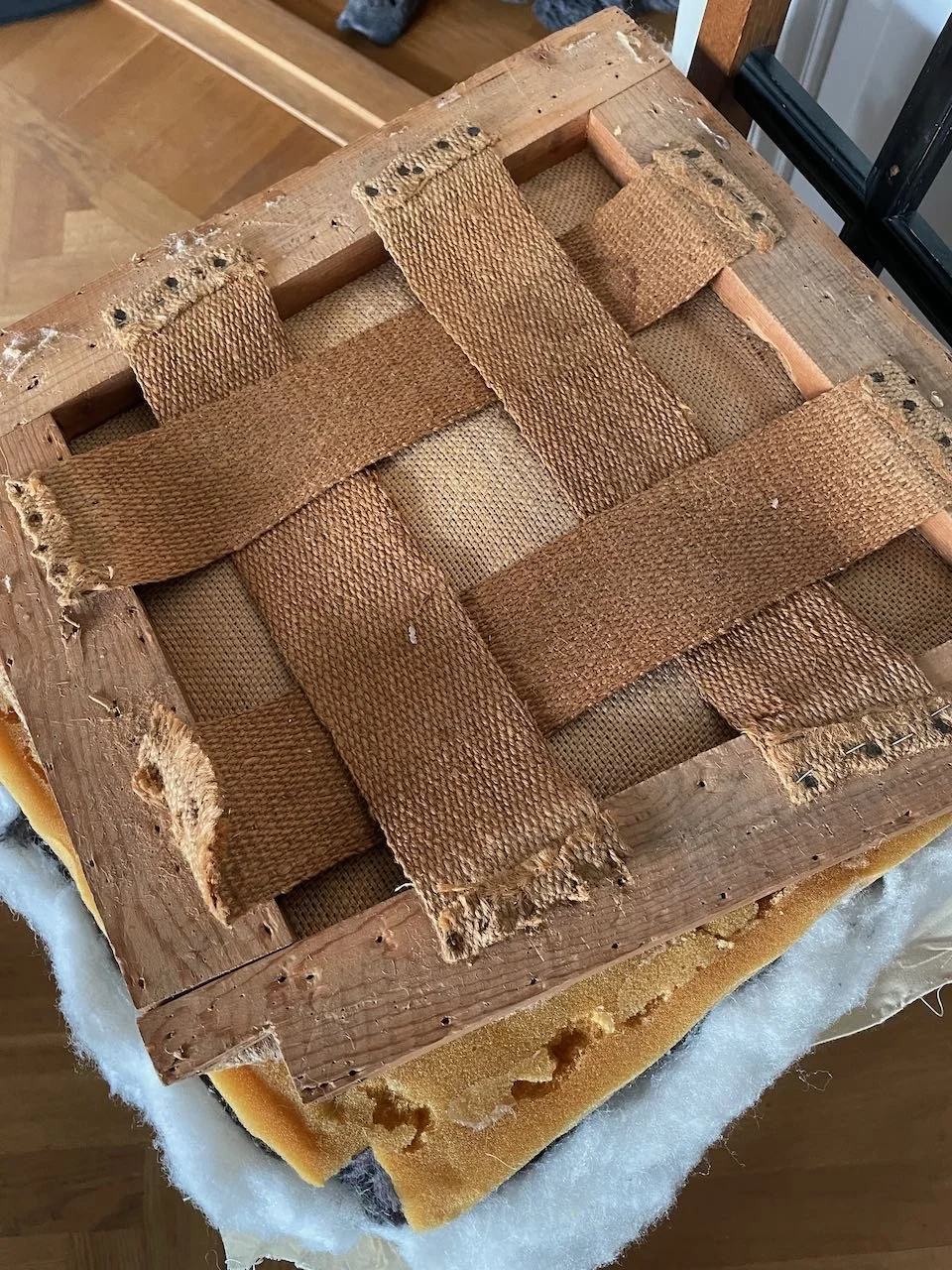
A Lived Aesthetic
Scandinavian interiors are not static compositions. They evolve.
Objects are moved, replaced, repaired. Rooms shift with seasons and needs. What remains constant is the underlying philosophy: simplicity, function, and quiet beauty.
Articles: More About Scandinavian Interior Design →
Article: What is Scandinavian Design? →
Article: “ ” →
Next: Explore Materials & Wallpapers→
Back to: Inside the Home →