Restoring the Nordic Façade
Linseed Oil Paint, Historic Colour, and the Architecture of Restraint
Across the Nordic landscape, colour has never been incidental. It is shaped by climate, by available pigments, and by a long tradition of building with what the land provides. On historic façades, tones were rarely chosen for effect alone - they emerged from material logic and local knowledge, resulting in a palette that feels both grounded and enduring.
Why we used linseed oil paint instead of modern paint?
In the restoration of a historic house, the façade becomes a point of quiet negotiation between past and present. Linseed oil paint plays a central role in this process. Its qualities are well known: it penetrates the wood, protects against moisture, and allows the surface to breathe. Rather than forming a brittle layer, it becomes part of the material itself - ageing slowly, developing patina, and requiring maintenance that is gentle rather than invasive.
Yet the material is only one part of the equation. Equally significant is the question of colour.
Historically, Nordic façades were defined by a limited spectrum - iron oxide reds, muted yellows, soft greys, and earth-derived greens. These tones were never flat. They carried depth, subtle variation, and a responsiveness to light that modern synthetic systems often struggle to replicate.
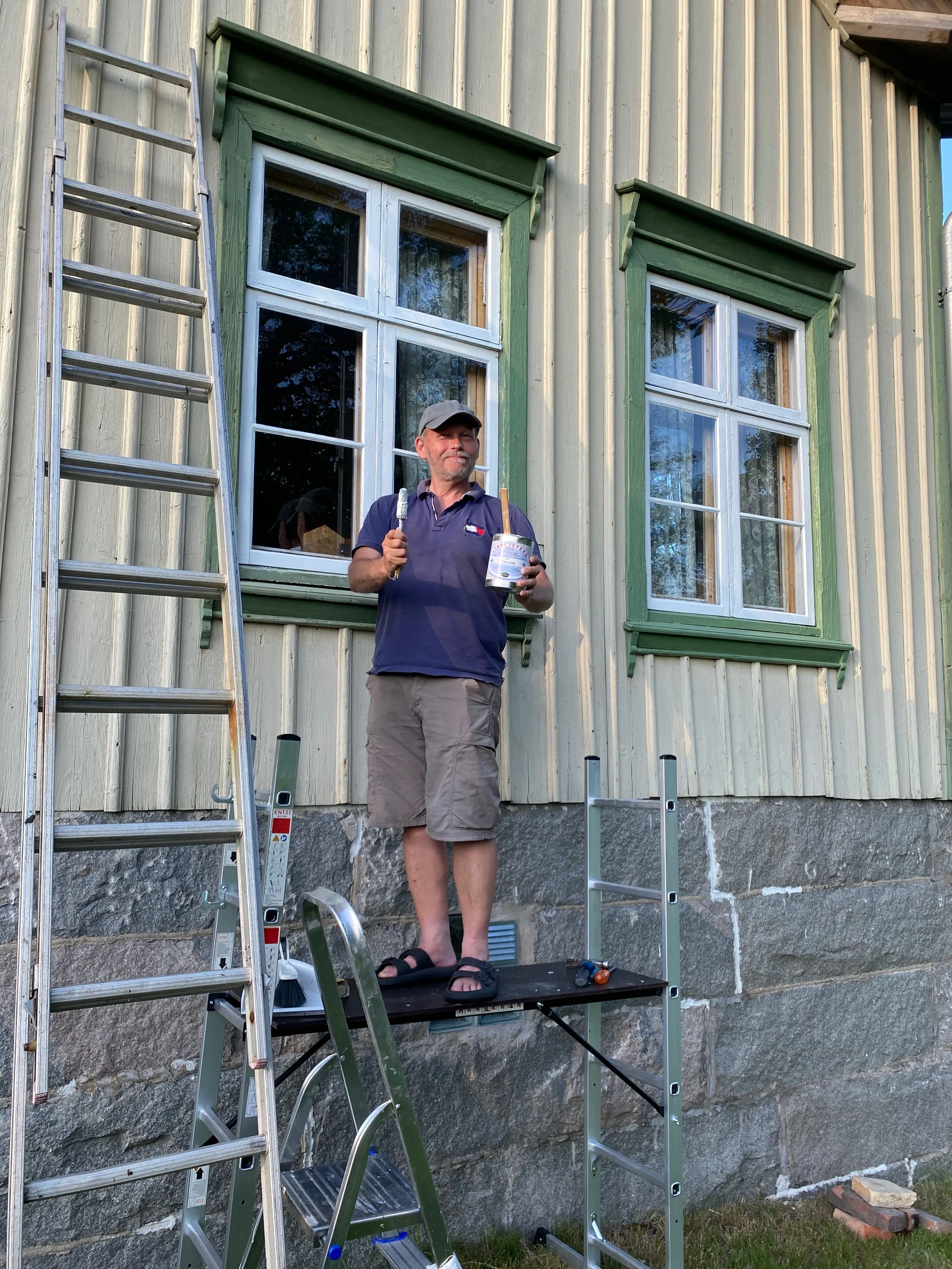
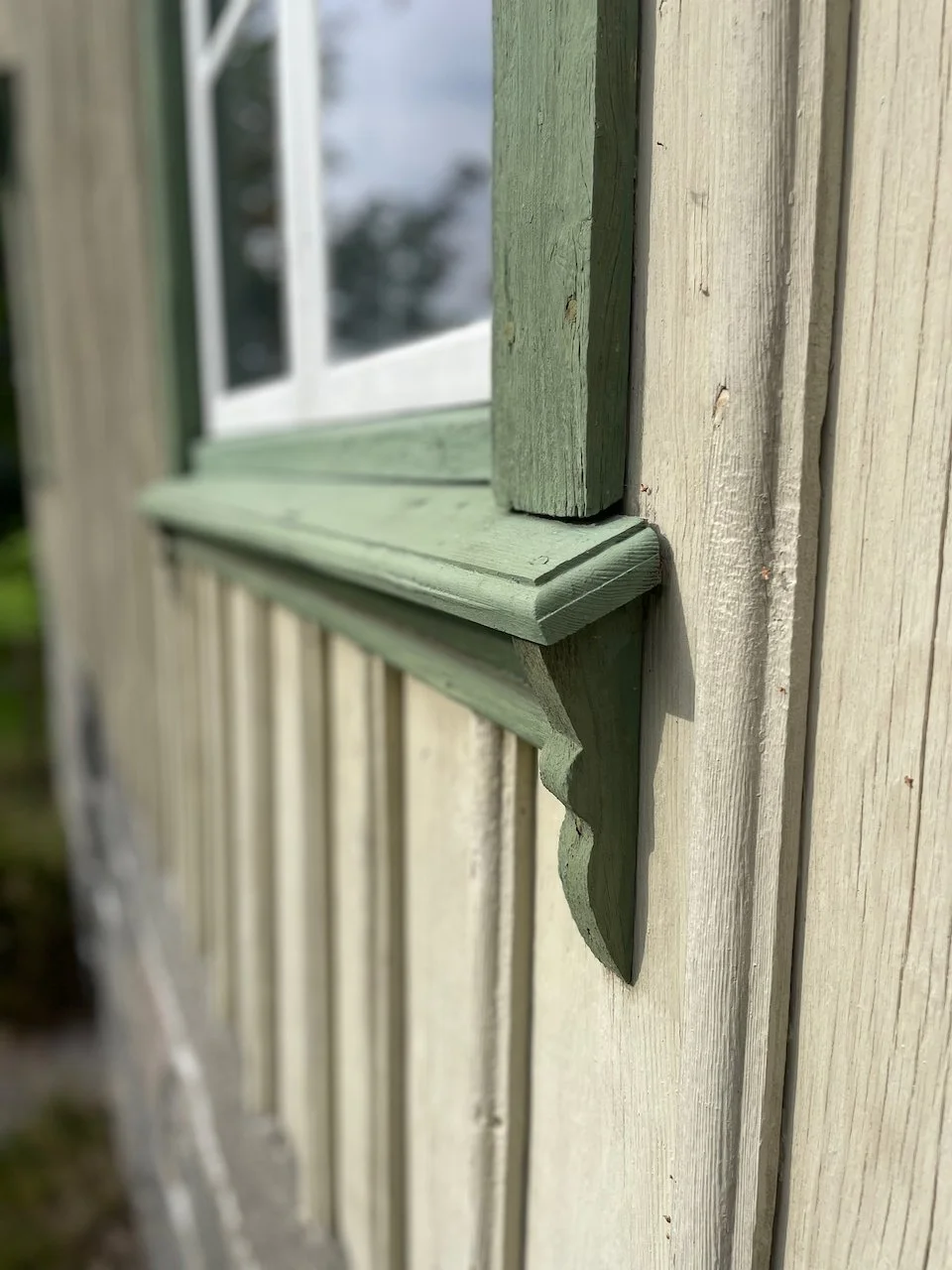
Today, the Natural Color System (NCS) offers a precise framework for understanding and reproducing these colours. While it is a contemporary tool, it allows historic palettes to be translated with clarity. Used with care, NCS becomes a bridge between tradition and present-day practice: a way to document what exists, and to recreate it without approximation.
On a façade, colour is rarely singular. The relationship between surfaces, cladding, trims, windows, doors, and details. These define the overall composition. Traditionally, contrast was used with restraint: trims slightly lighter or darker than the main body, window-frames offer a subtle definition rather than sharp interruption.
Specification & Application (Exterior)
When working with linseed oil paint on exterior timber:
Surface preparation
Wood should be clean, dry, and free from loose previous coatings. Previously painted surfaces are gently scraped and brushed - never aggressively stripped unless necessary.Priming
Bare timber is primed with a lean coat of linseed oil paint, often thinned with a small amount of turpentine to ensure deep penetration.Application method
Paint is applied in very thin layers, worked thoroughly into the surface with a brush. Excess paint is removed to avoid film build-up.Number of coats
Typically 2–3 thin coats, allowing sufficient drying time between each.Maintenance
Surfaces are maintained through light reapplication rather than full repainting - preserving both material and texture.Colour specification (NCS)
Selected colours are documented using NCS references to ensure consistency across elements such as:Main façade cladding
Window frames and sashes
Doors
Trims and detailing
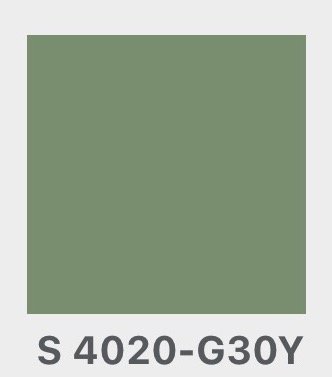
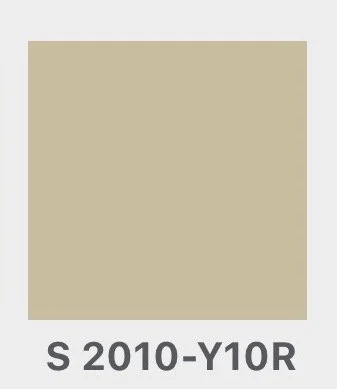
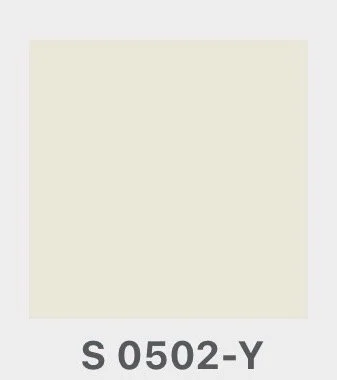
This allows for precise communication with suppliers and future maintenance, while still working within a historically informed palette.
In this way, the Nordic façade is not restored through replication, but through understanding. Material and colour are treated as one - each reinforcing the other, each contributing to a whole that feels both rooted and quietly contemporary.