A Subtle Palette: Interior Colour
Linseed Oil Paint, NCS, and the Subtlety of Nordic Rooms
Inside a historic Nordic home, colour reveals itself more slowly. It is not immediate, but atmospheric - shaped by shifting light, by timber surfaces, and by the rhythm of the day. Walls are not simply painted; they are composed, carrying tone, texture, and a sense of continuity with the past.
Linseed oil paint has long been used in interiors for precisely this reason. Its finish is soft and matte, yet never flat. Pigments are held within the oil, creating a surface that reflects light gently and unevenly, giving depth even to the most restrained hues.
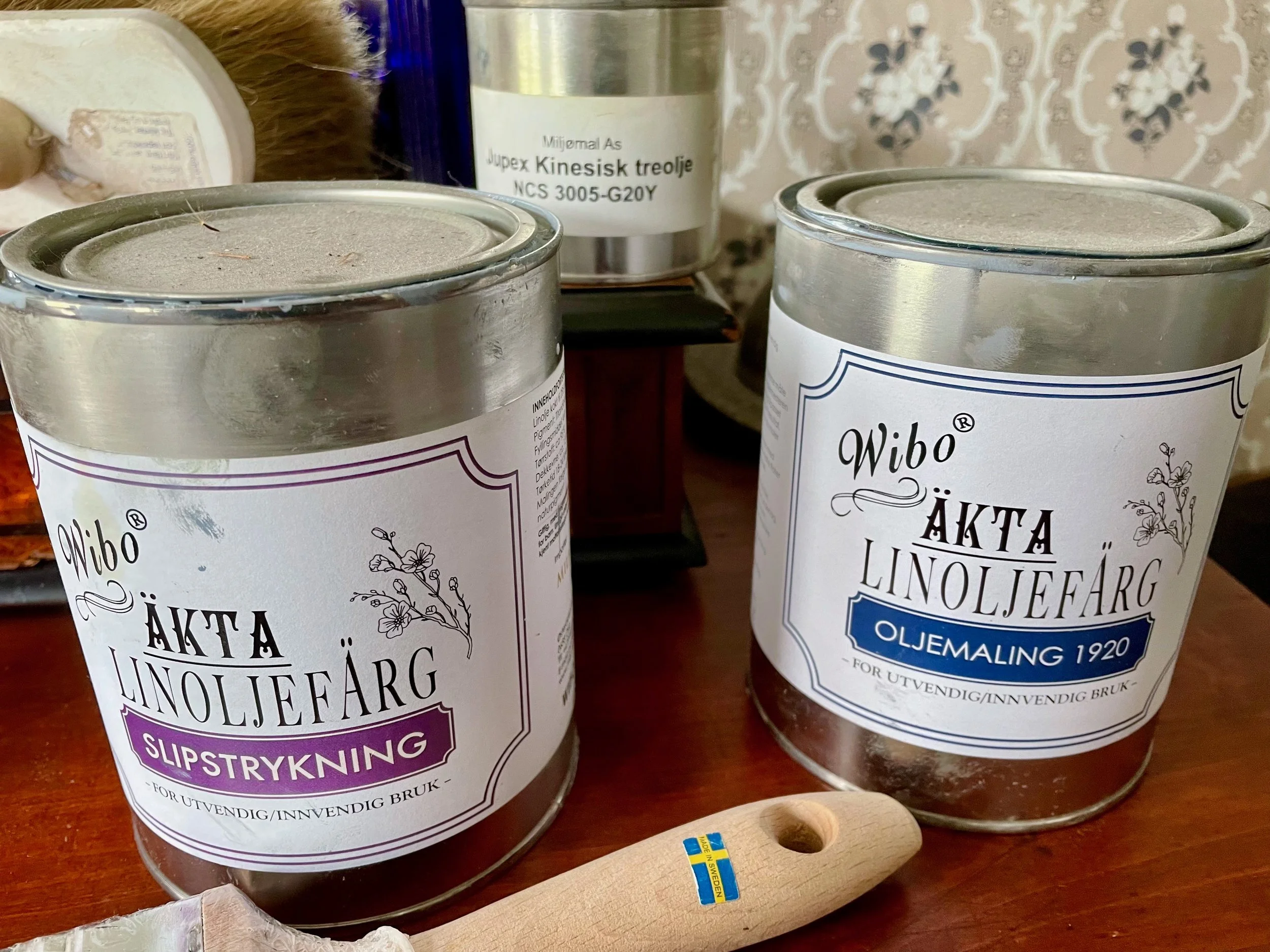
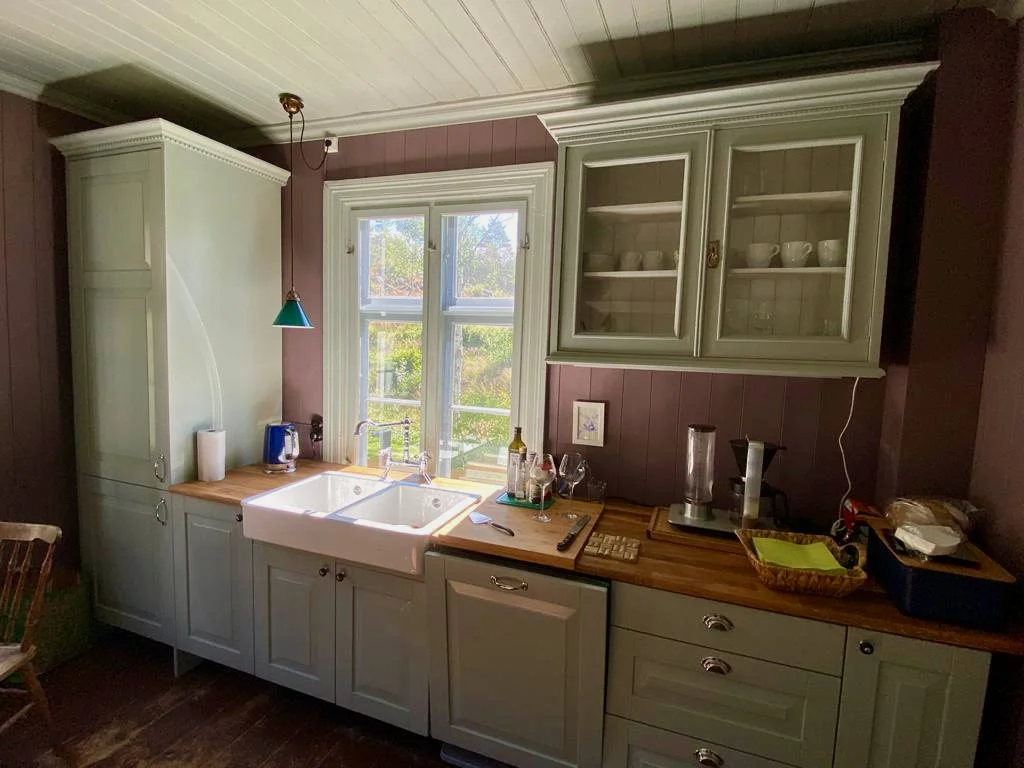
Unlike modern paints that sit on the surface, linseed oil paint becomes part of it - binding with timber and plaster, allowing walls to breathe, and contributing to a healthy indoor environment free from synthetic additives.
But again, the material alone is not enough. The success of an interior lies in its palette.
Historically, interior colours were often more nuanced than exterior ones - muted blues, warm greys, soft greens, and complex off-whites. These tones were designed to work with natural light, enhancing rather than competing with it.
The Natural Color System (NCS) provides a valuable tool for navigating these subtleties. By defining colours in relation to human perception, NCS makes it possible to build palettes that are coherent and balanced. It allows for precise adjustments - slightly warmer, slightly greyer, slightly deeper - without losing the integrity of the overall scheme.
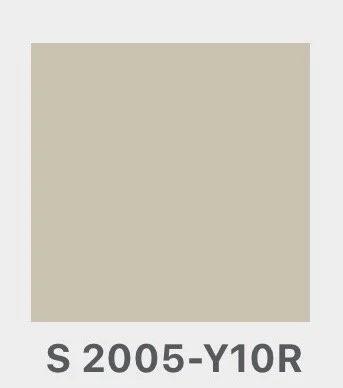
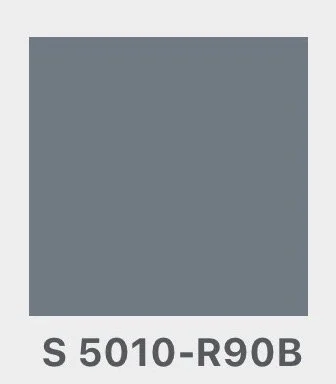
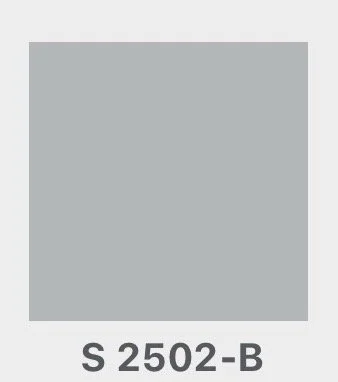

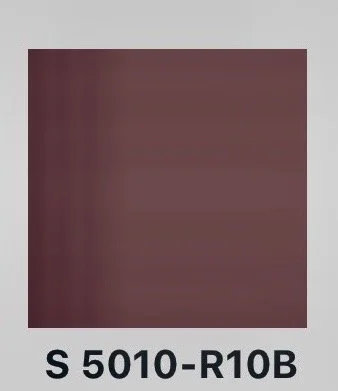
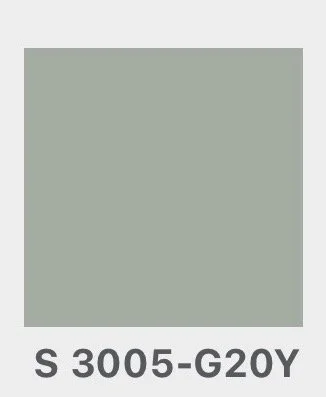
In a Nordic interior, colour is rarely used in isolation. Ceilings, walls, woodwork, and built elements are considered together, often within a narrow tonal range. The result is a calm, cohesive environment where transitions feel natural and unforced.
Specification & Application (Interior)
When using linseed oil paint indoors:
Surface preparation
Surfaces should be clean and stable. Plaster, wood, and previously painted areas are lightly sanded and dust-free.Priming
Absorbent surfaces may require a diluted first coat to ensure even absorption.Application method
Paint is applied in thin, well-worked layers using a brush, allowing the pigment to settle evenly.Finish
The result is a soft matte surface with subtle variation, enhancing depth and light.Suitability
Ideal for:Walls and ceilings
Woodwork (doors, trims, panelling)
Built-in furniture and cabinetry
Colour specification (NCS)
Colours are defined using NCS references to ensure harmony across:Wall surfaces
Ceilings
Joinery and details
This allows for a controlled palette where small tonal shifts create depth without contrast becoming dominant.
In the end, a Nordic interior is not defined by colour alone, but by the relationship between colour, material, and light. Linseed oil paint, combined with a thoughtful use of NCS, allows this relationship to emerge with clarity - creating spaces that feel timeless, composed, and deeply connected to their origins.