Raised from the Land: Craftsmanship and Continuity
This house belongs to a tradition shaped as much by landscape as by design. In the early 20th century, building was not an abstract act of planning, but a direct response to what the land could provide.
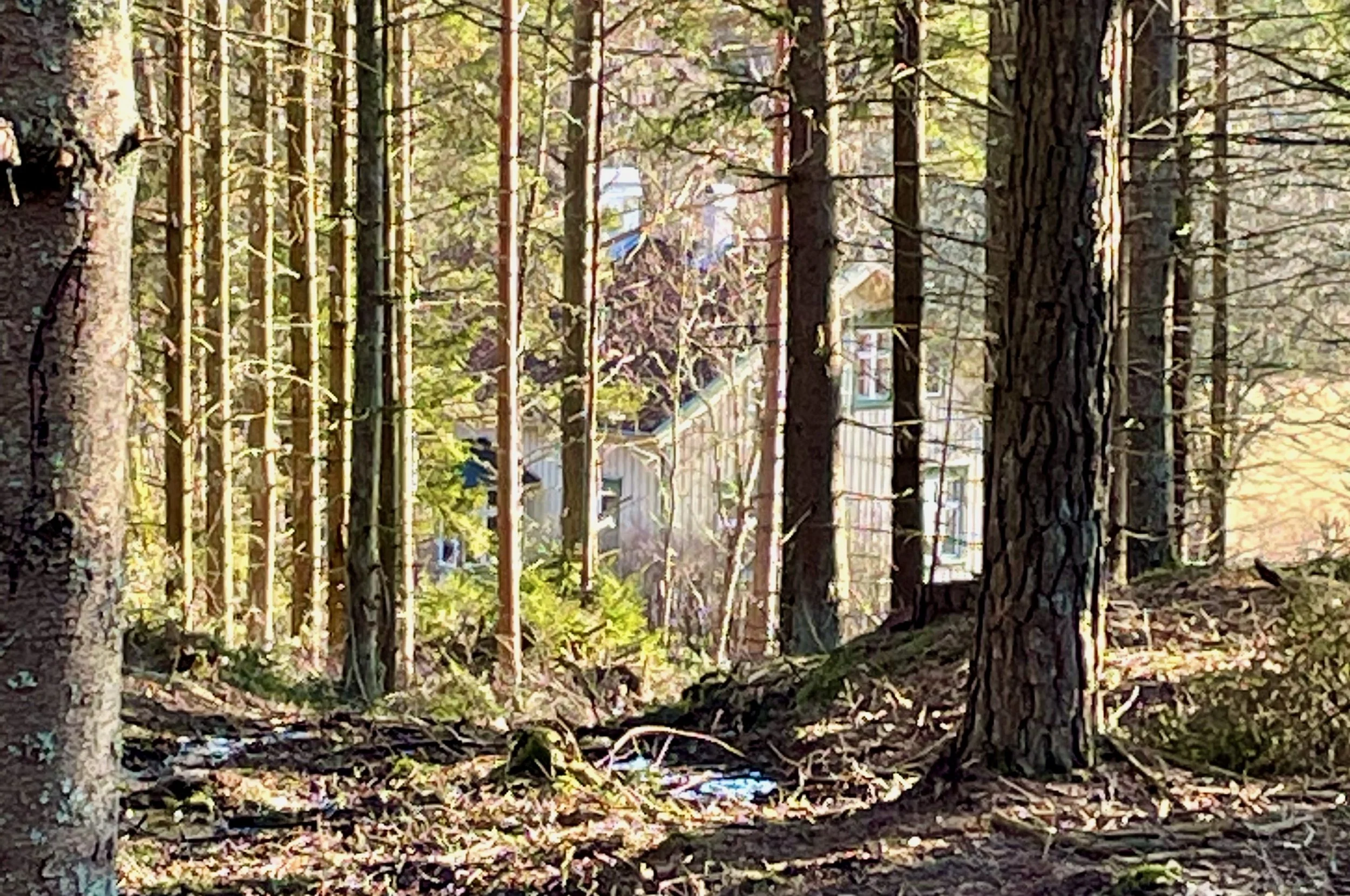
Timber was taken from the family’s own forest, selected, felled, and worked by hand. The materials were not transported across distances, they were already part of the place, carrying within them the character of the surrounding terrain.
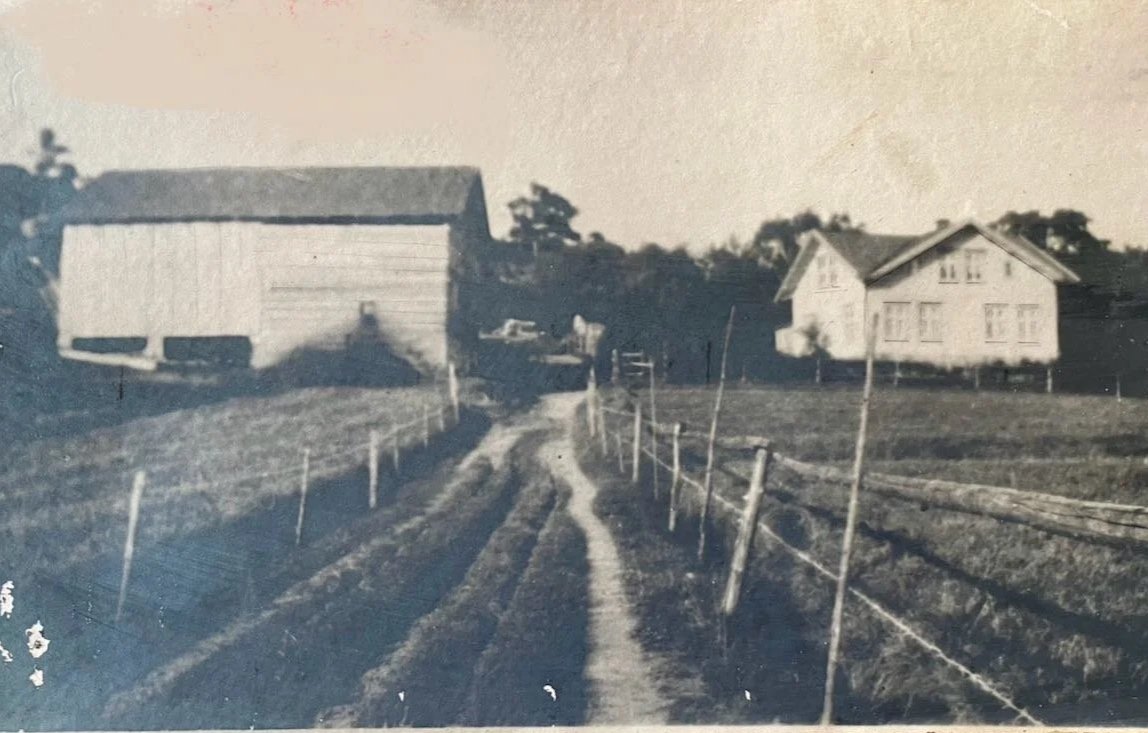
Construction was rarely a solitary effort. Relatives and neighbours gathered to raise the structure, each contributing skill, labour, and time. It was a collective act, where knowledge passed quietly between generations, and where the building itself became a reflection of shared experience.
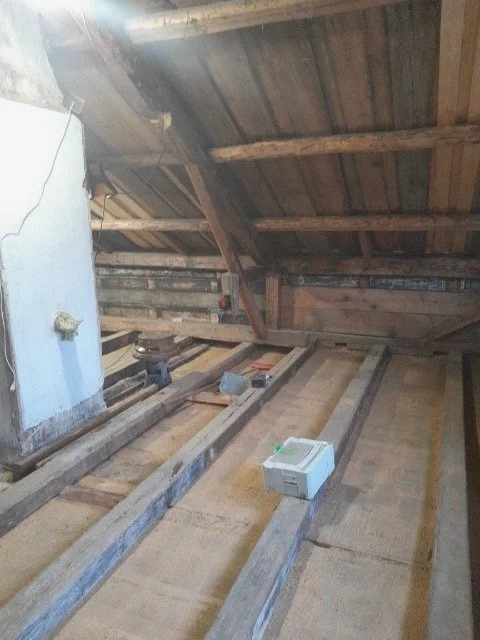
Among those involved were two brothers, one recorded in historical documents as a carpenter. Their work suggests a high level of skill. The structural timber and interior panels were executed with remarkable precision, all of them running in single lengths from one end of a room to the other. Such continuity in the material speaks not only to the quality of the wood, but to a deep understanding of how to work with it.
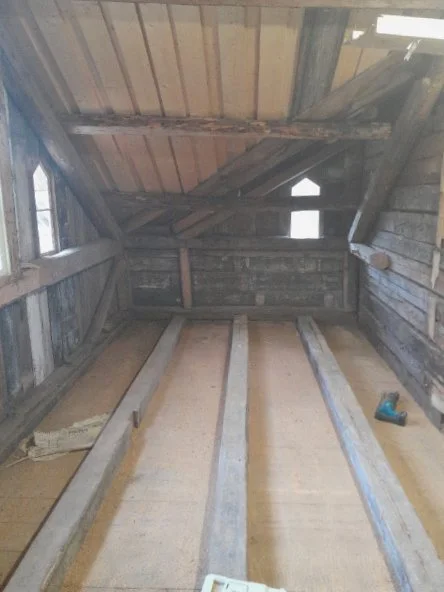
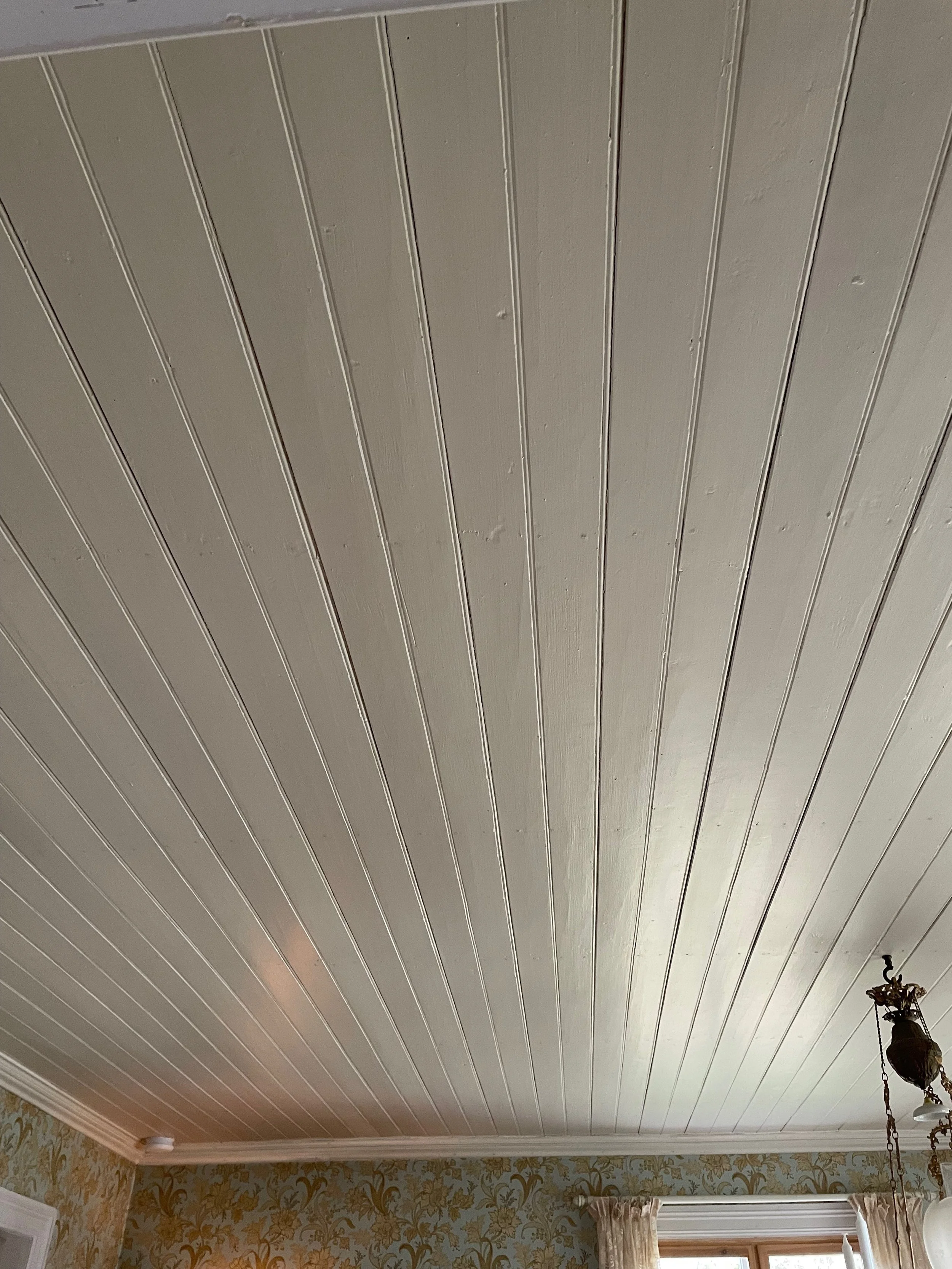
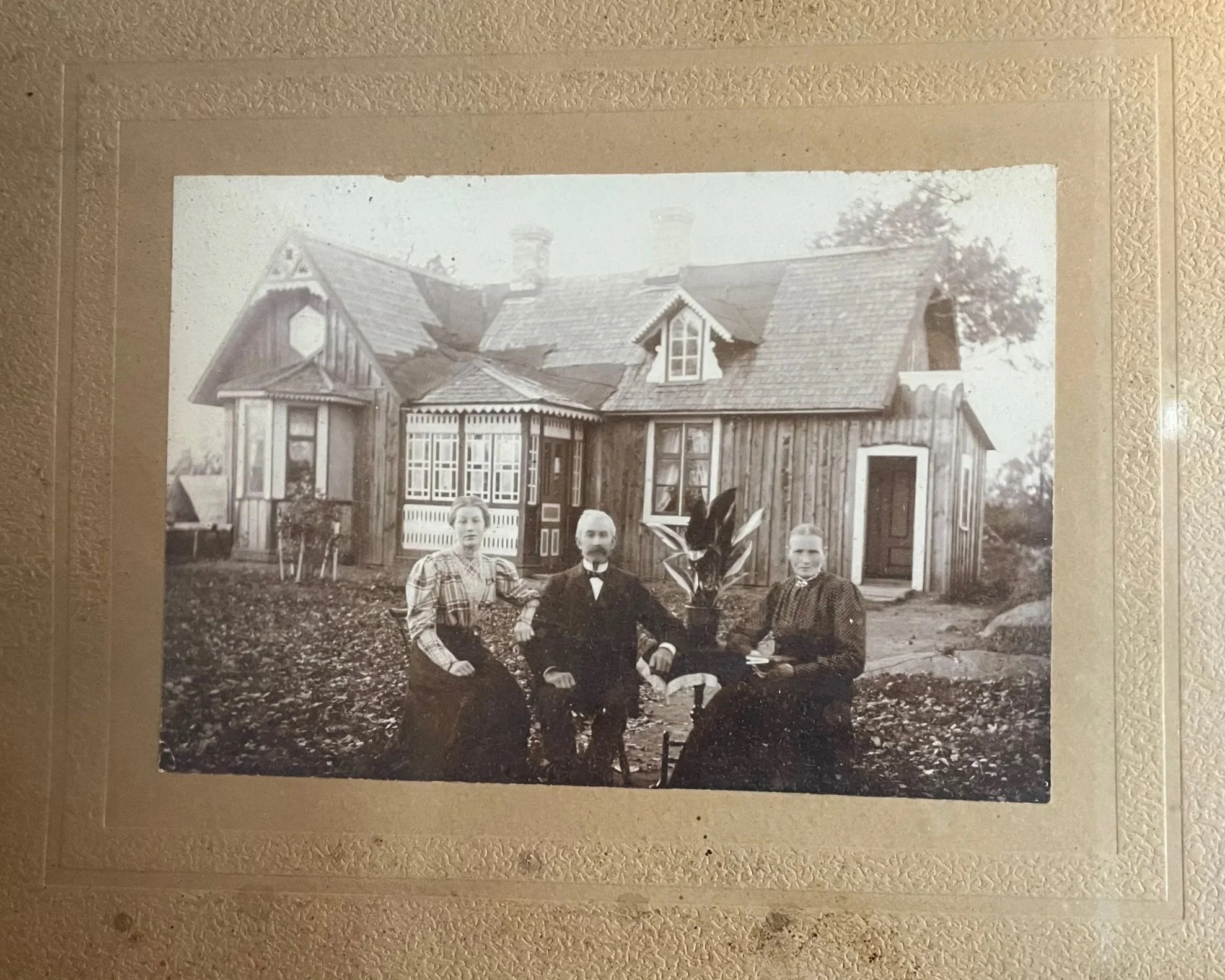
Olof Alfred Andreasson b. 1867.02.08 – d. ca. 1960
Otto Edvin Andreasson b. 1870.06.14, listed as a carpenter in the 1910 census
August Theodor Andreasson b. 1857.12.14
Amelie Andreasson b. 1853
Born in the mid-19th century, the brothers and their siblings would have carried forward building traditions rooted in an earlier time, applying them here with confidence and care. The result is a house that feels both grounded and composed, where proportion, structure, and detail come together with quiet assurance.
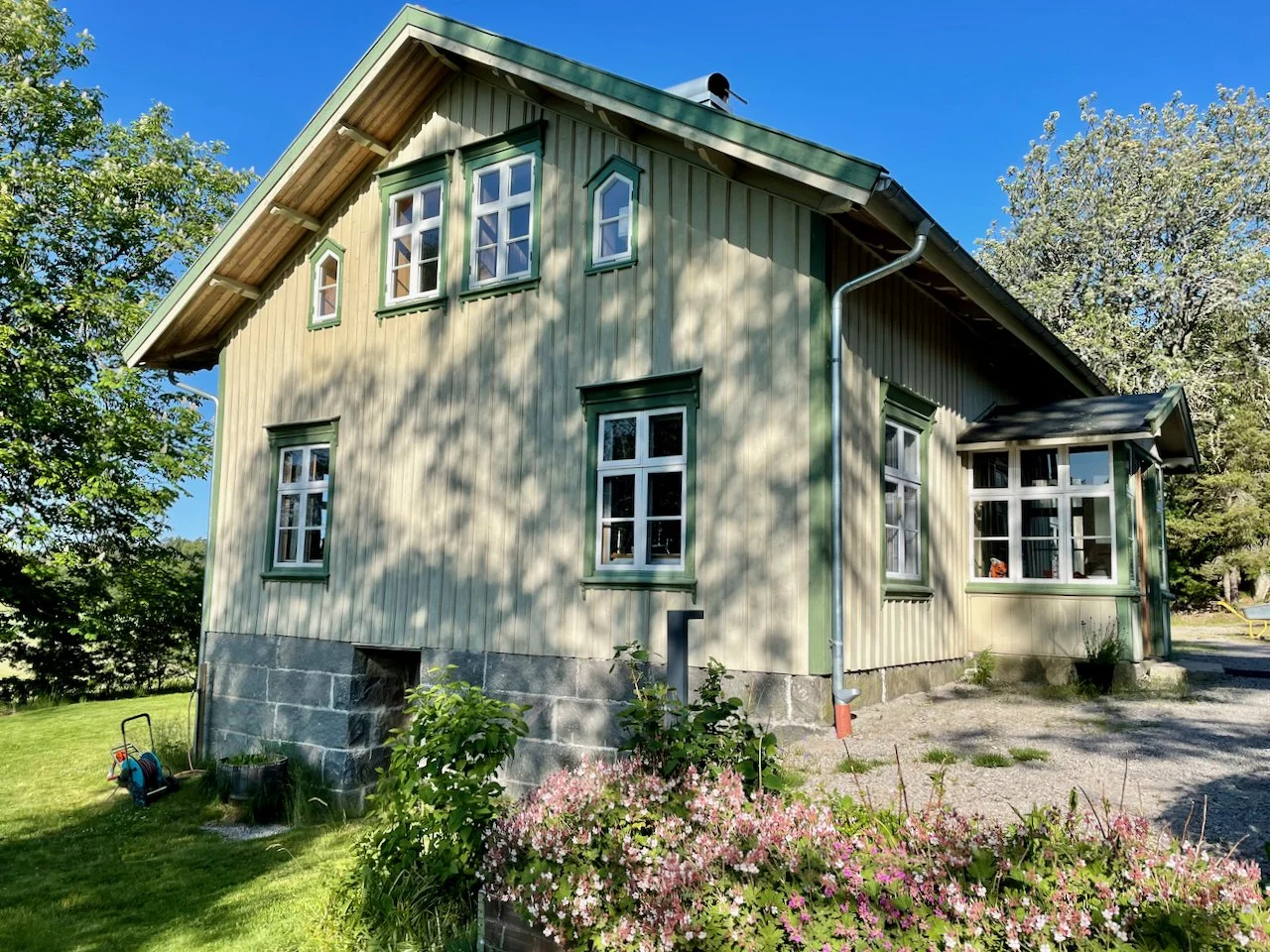
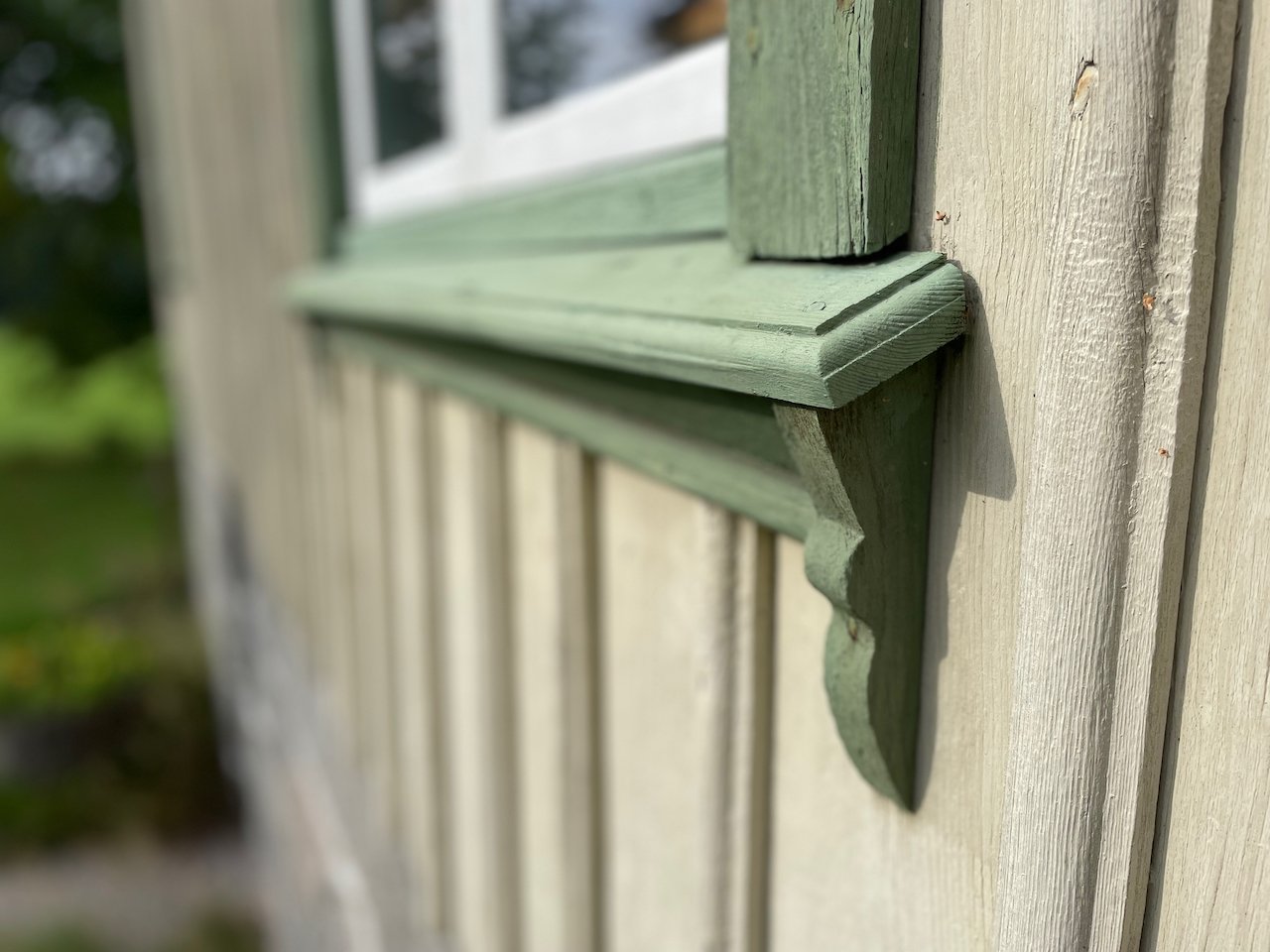
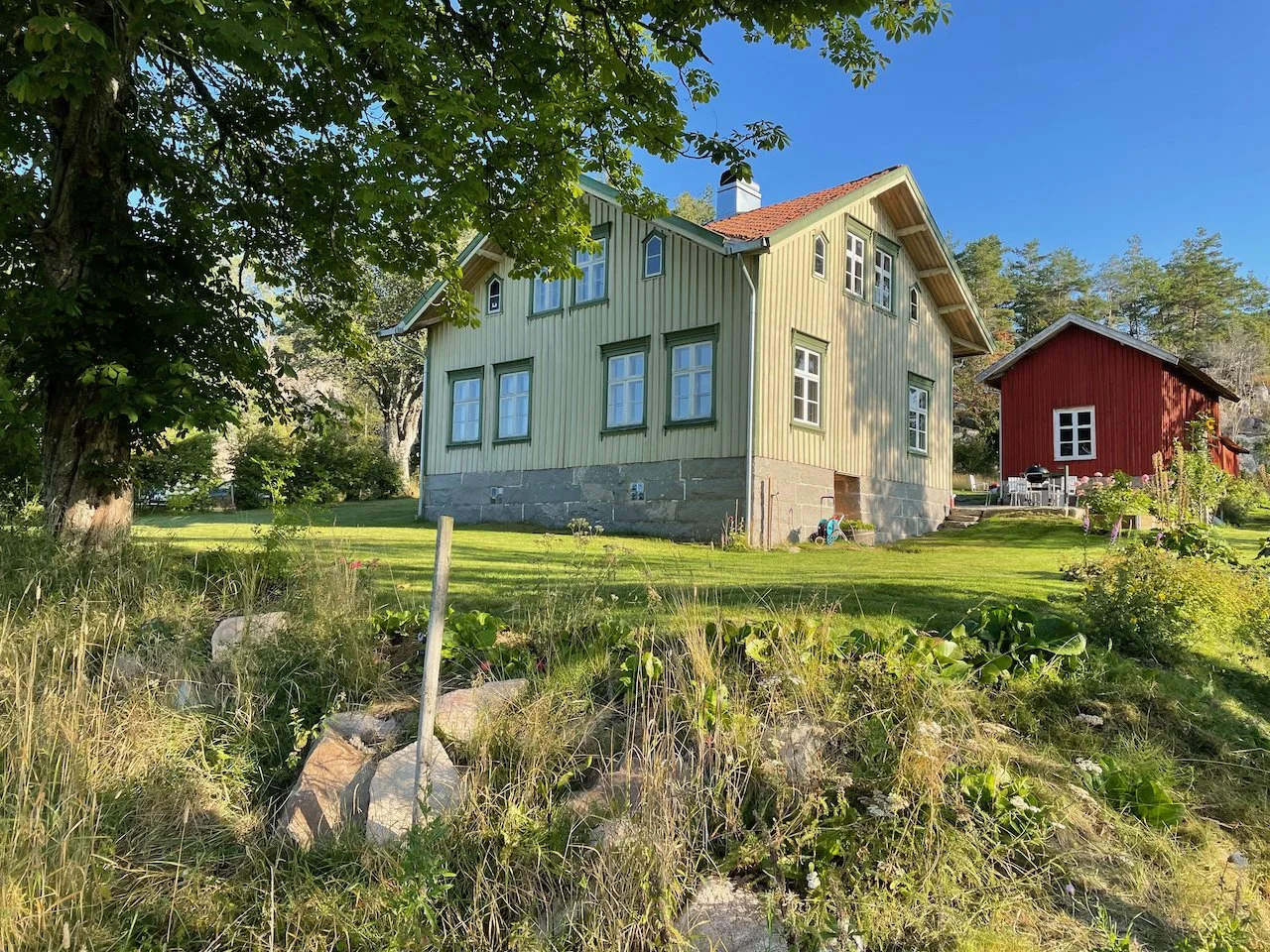
The triple-fronted façade adds a sense of presence, suggesting ambition beyond the purely functional. Yet it remains anchored in the logic of its making: a house raised from the land itself, shaped by skilled hands, and completed, one imagines, with a certain pride.
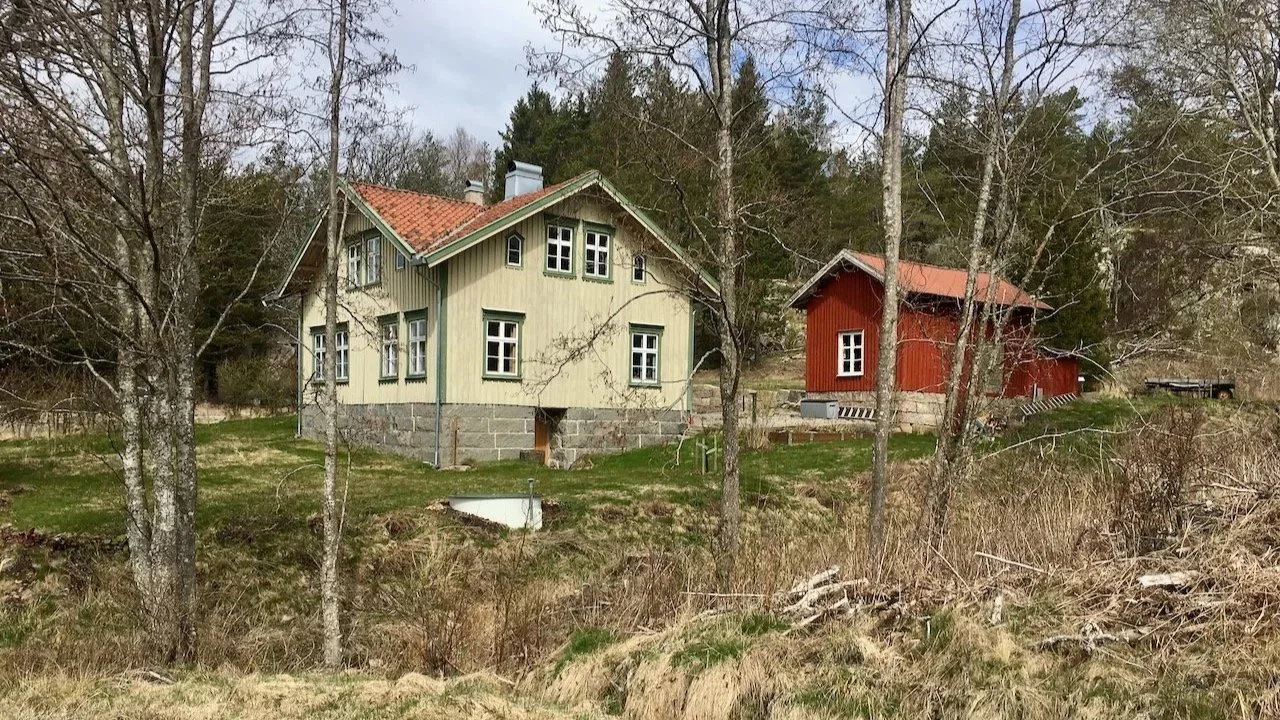
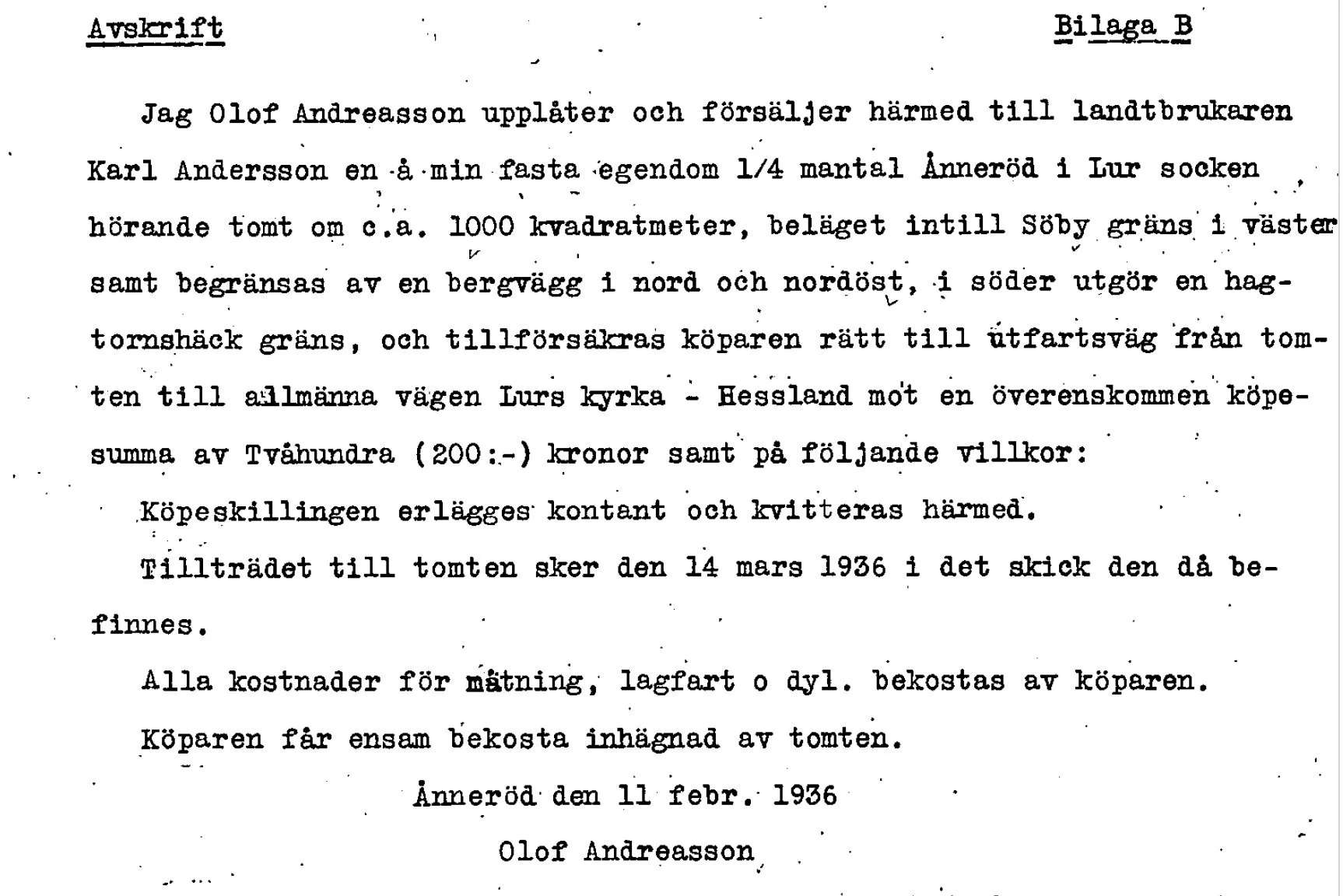
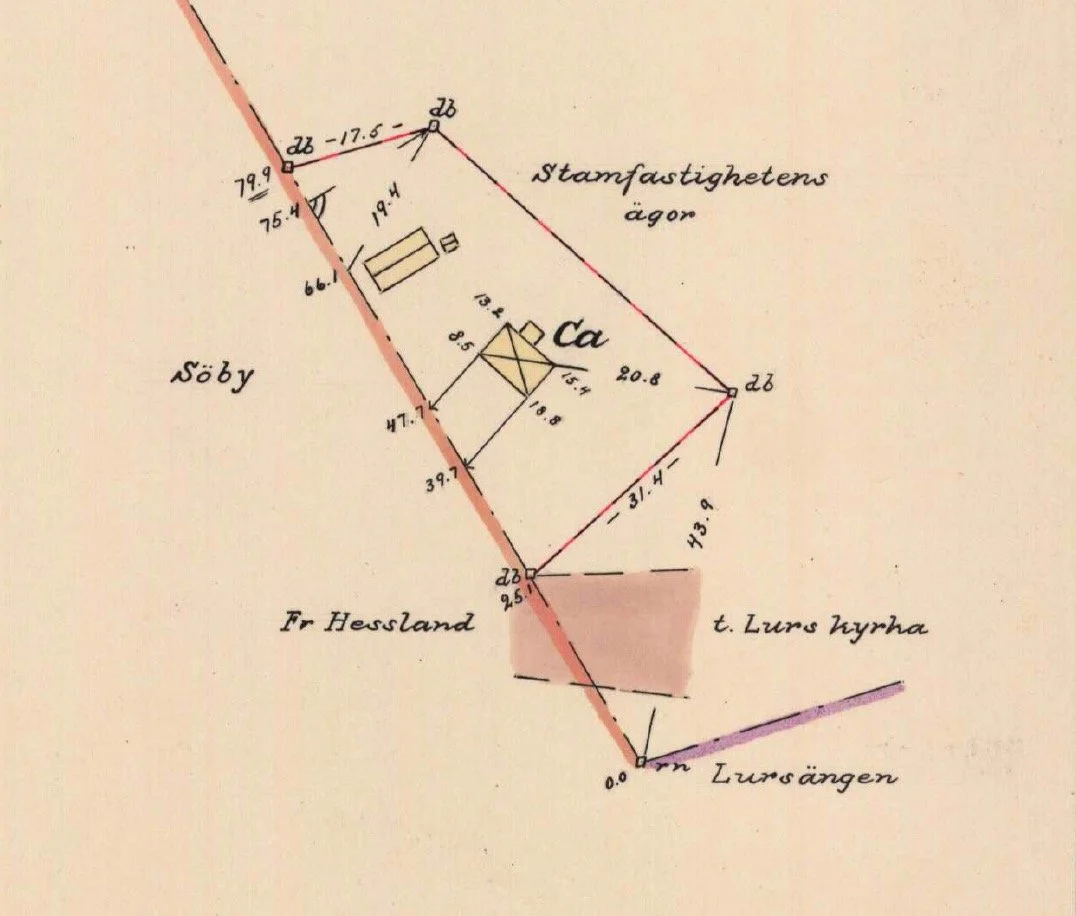
In 1936 Olof Andreasson referred to as “Olle” sold an old croft building on the edge of the farm estate. In Swedish, such buildings are known as “torp”. These crofts buildings were often allocated to soldiers as part of their service, but many farmsteads also constructed them for rental purposes. In exchange for their rent, the crofters “torpare” would assist with various tasks on the farm.
Back to: A Swedish Farmstead Through Time →
This article is part of History of the Farmstead→