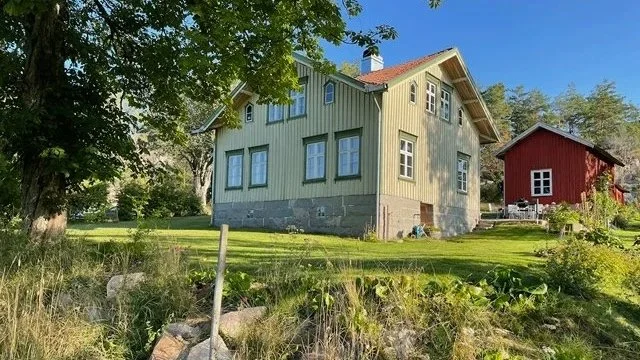
This historic farmstead was completed on July 4th, 1912, and reflects the building traditions, materials, and way of life of its time, shaped by both necessity and craftsmanship, and forms part of the broader narrative of restoring the past.
History of the Farmstead
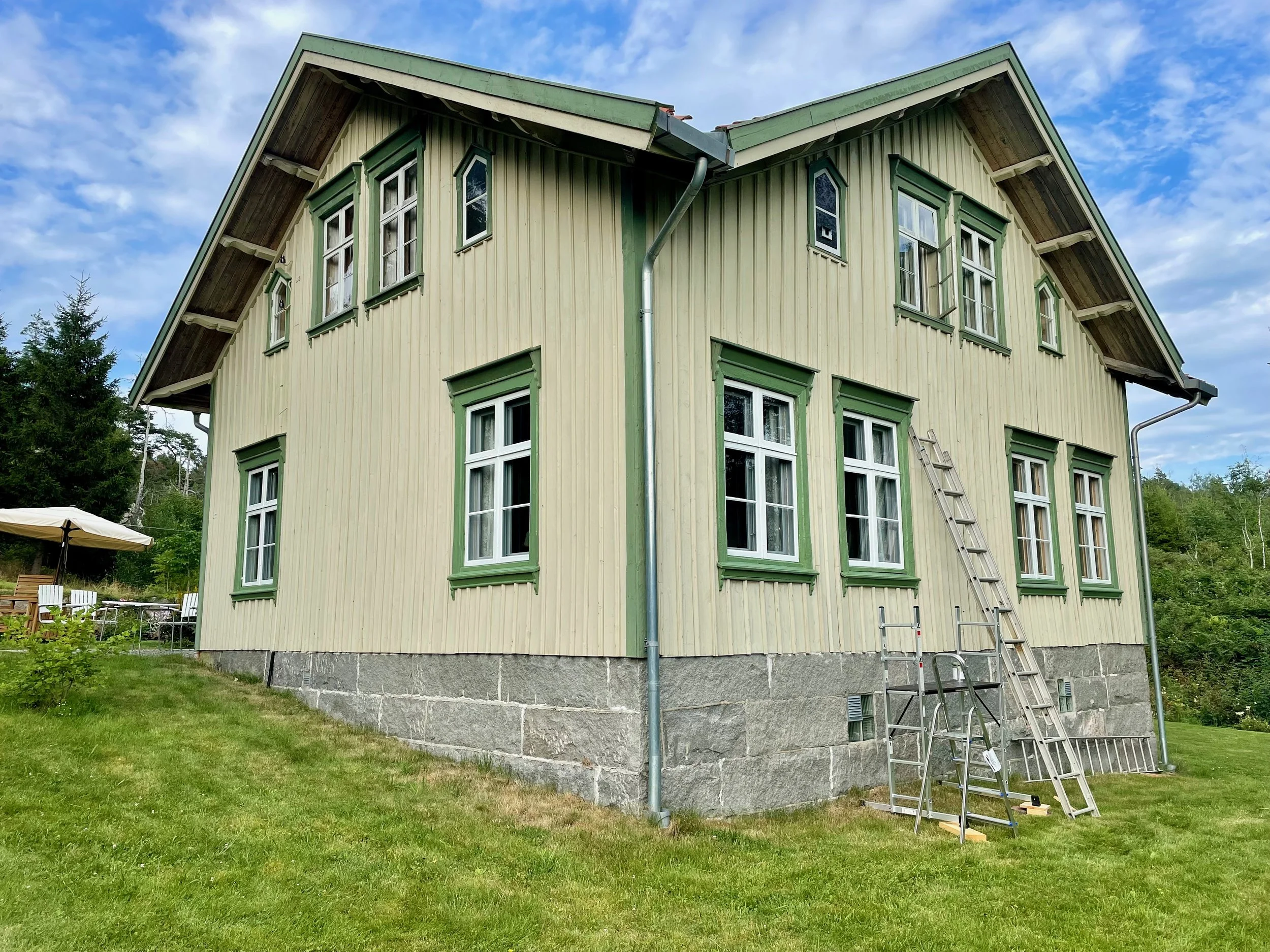
The main house, with its three façades, represents a style of larger rural residence built in north-western Sweden during this period. The design reflects both the architectural preferences of the time and the practical needs of the family who built it, with many of these qualities still visible in the home’s authentic features.
A House Shaped by Its Time
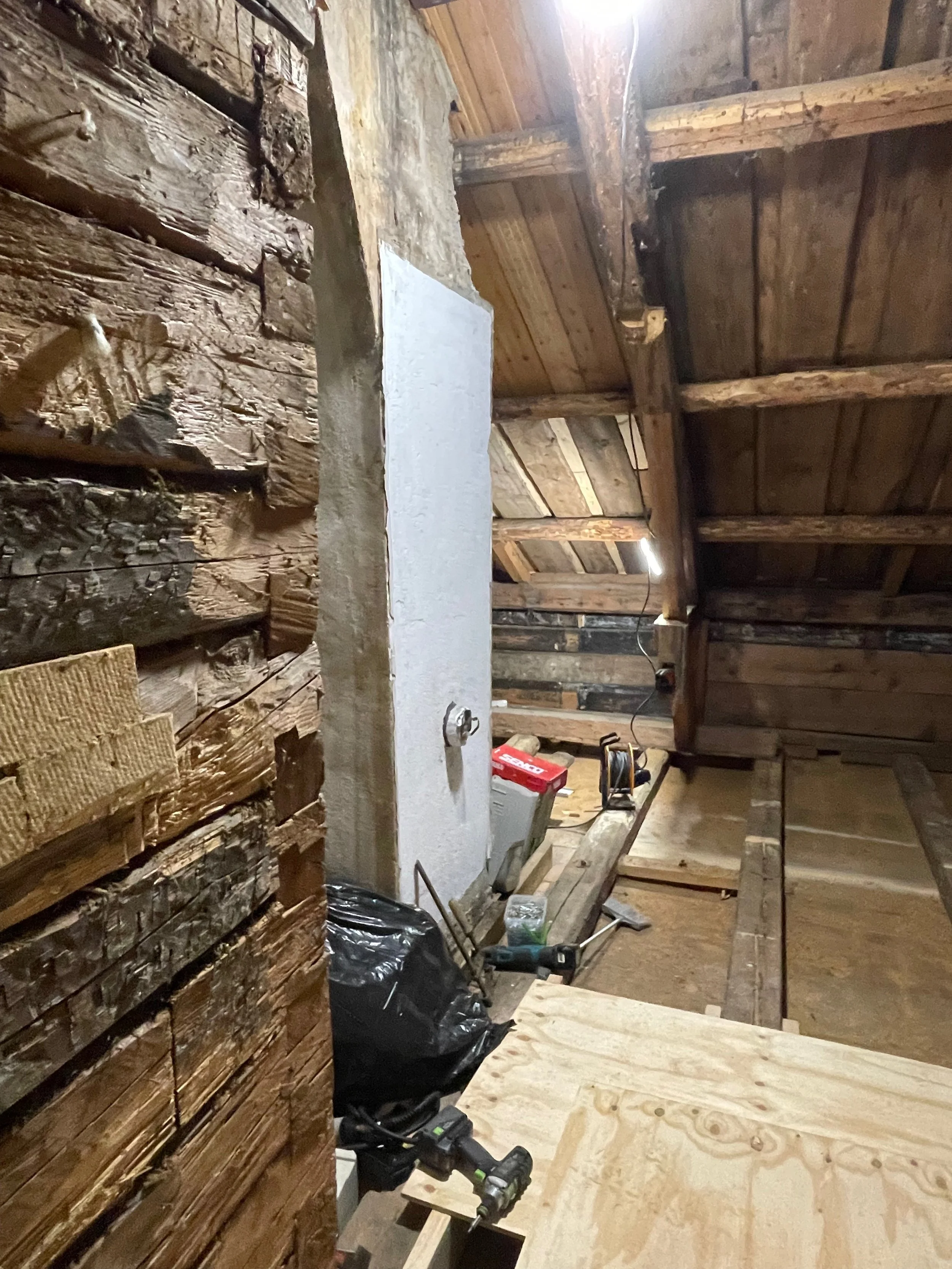
Construction was guided by locally available materials and established building knowledge. Timber, craftsmanship, and surface treatments all reflect a tradition where buildings were designed to work with their environment, an approach closely tied to traditional materials and linseed oil paint.
Materials and Local Tradition
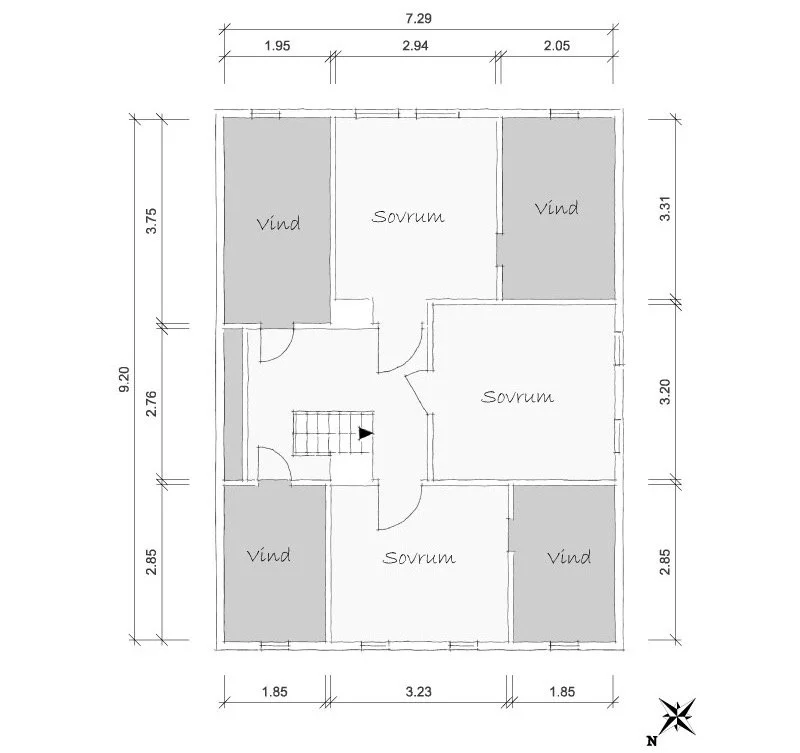
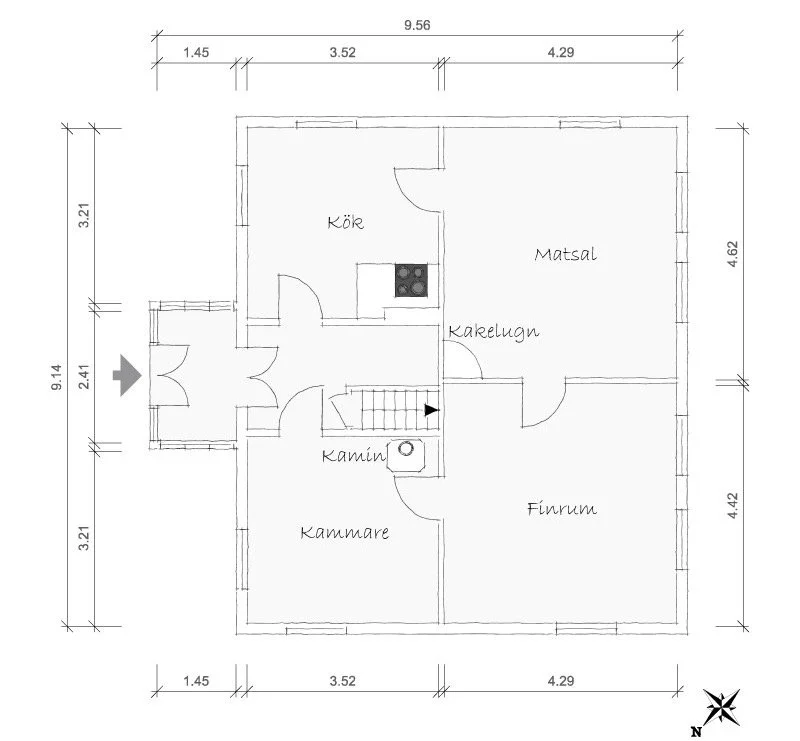
The scale and layout of the house suggest careful planning. Rooms were arranged with purpose, balancing shared and private spaces. These decisions reflect not only architectural thinking but also the rhythms of everyday life at the time.
Space, Function, and Daily Life
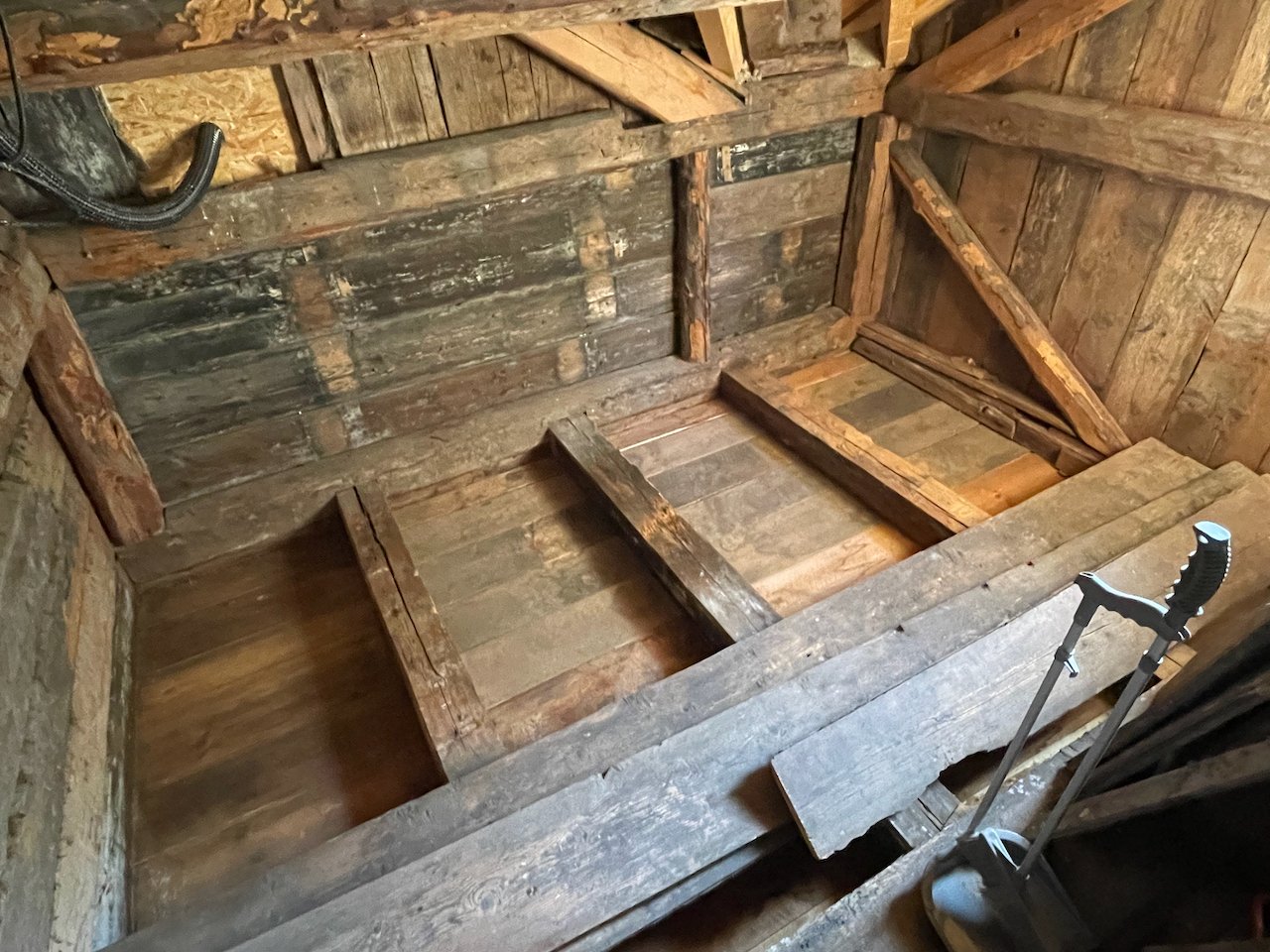
During later restoration work, structural details revealed traces of the original construction. Hidden layers and subtle changes offered insight into how the building was made and how it evolved, discoveries that continue to inform historic renovation principles.
Traces Revealed Over Time
No building remains unchanged. Over time, adaptations reflect new needs, materials, and ideas. Understanding these layers allows for a more balanced approach to modernization and renovation, where change becomes part of the building’s ongoing story rather than a break from it.
Continuity and Change
Before and After
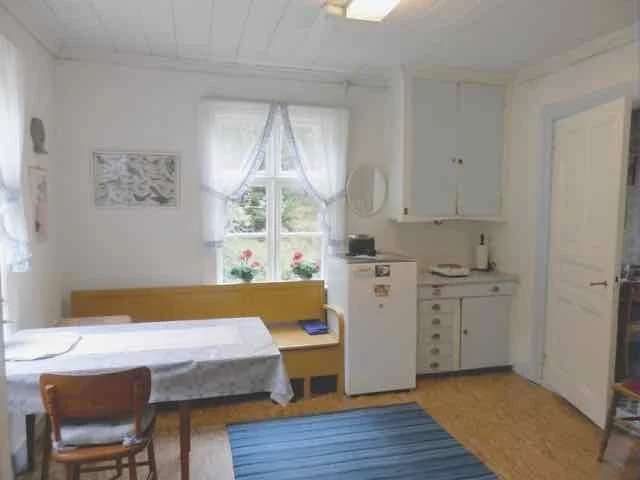
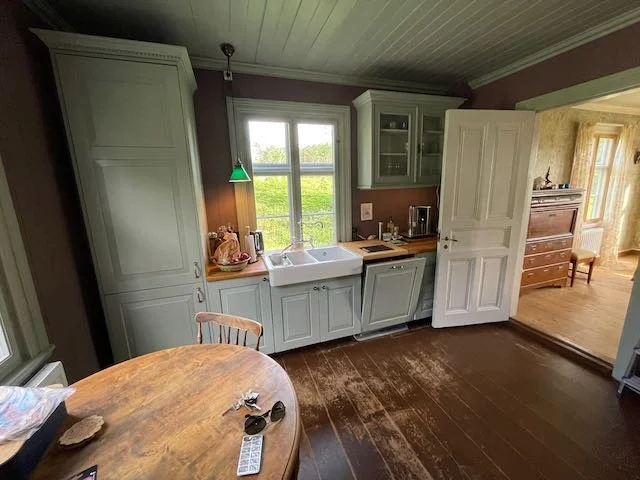
Understanding the history of a building is the foundation for every decision that follows.
Article: Dry Composting Toilet →
Article: A Swedish Farmstead Through Time →
Article: Raised From the Land →
Next: Authentic Features →
Back to: Restoring the Past →