
Original elements carry the memory of how a house was built and used. They form the foundation of thoughtful, long-term restoration.
The value of a historic building often lies in what remains. Original doors, mouldings, and surfaces reflect both craftsmanship and everyday life, forming a central part of historic renovation principles.
Authentic Features
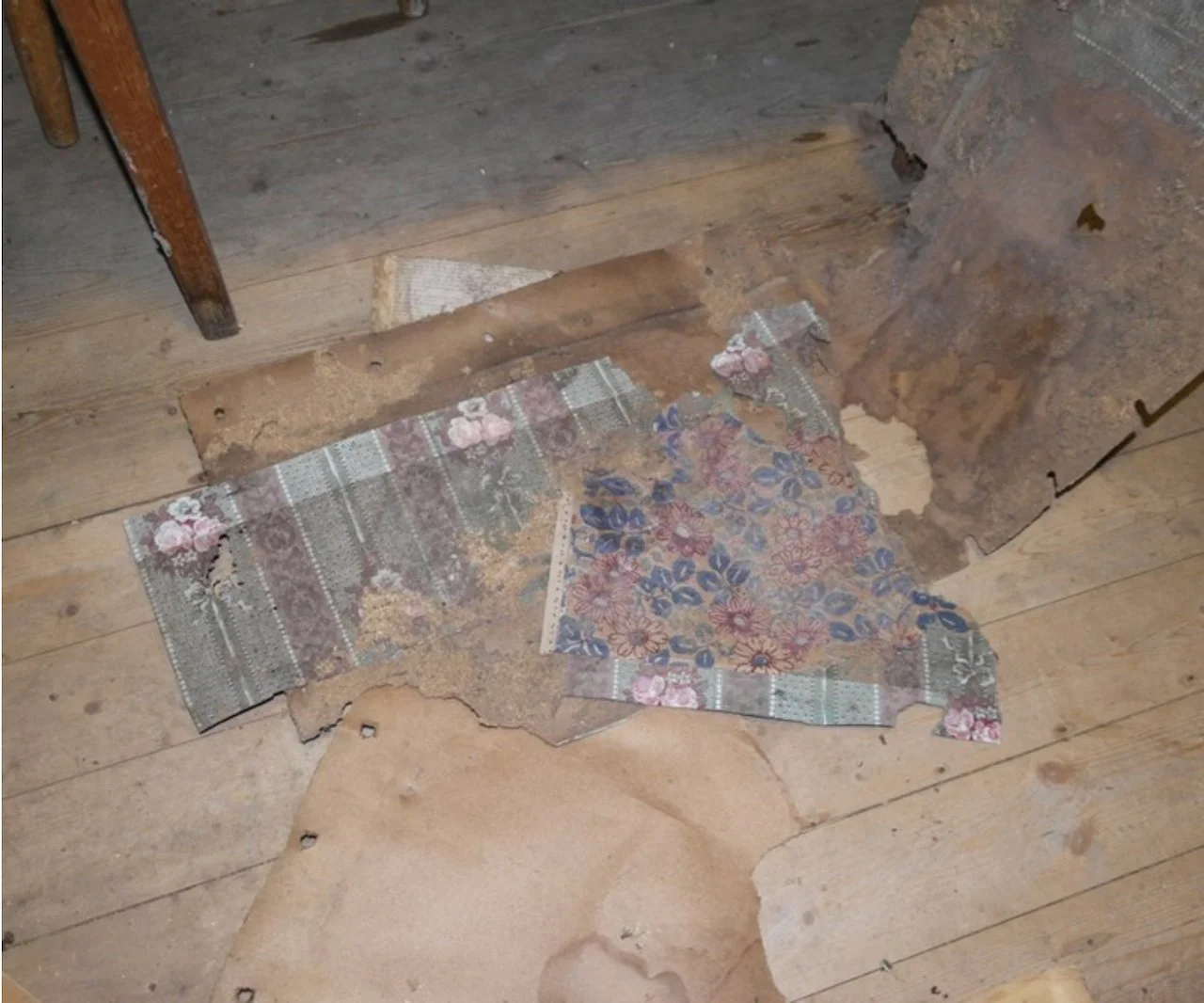
Many features survive beneath later changes. Layers of paint and alterations often conceal rather than remove original details. During the process of restoring the past, these elements re-emerge and guide restoration decisions.
Hidden Layers Revealed

Craftsmanship is often most visible in the details. Joinery, proportions, and material transitions reflect a building culture rooted in skill and necessity. These qualities are closely connected to the use of traditional materials and linseed oil paint.
Craftsmanship & Joinery

Authentic features are not isolated elements. They form part of a larger system, where structure and surface work together. Understanding this relationship is key to making informed decisions, especially when seen alongside the building’s history and original construction.
The Relationship Between Structure and Surface
To preserve these features is not simply to maintain appearance. It is to retain knowledge about materials, methods, and ways of building that remain relevant today. These insights support a more careful and sustainable approach to historic renovation.
Why Preservation Matters
Work Underway

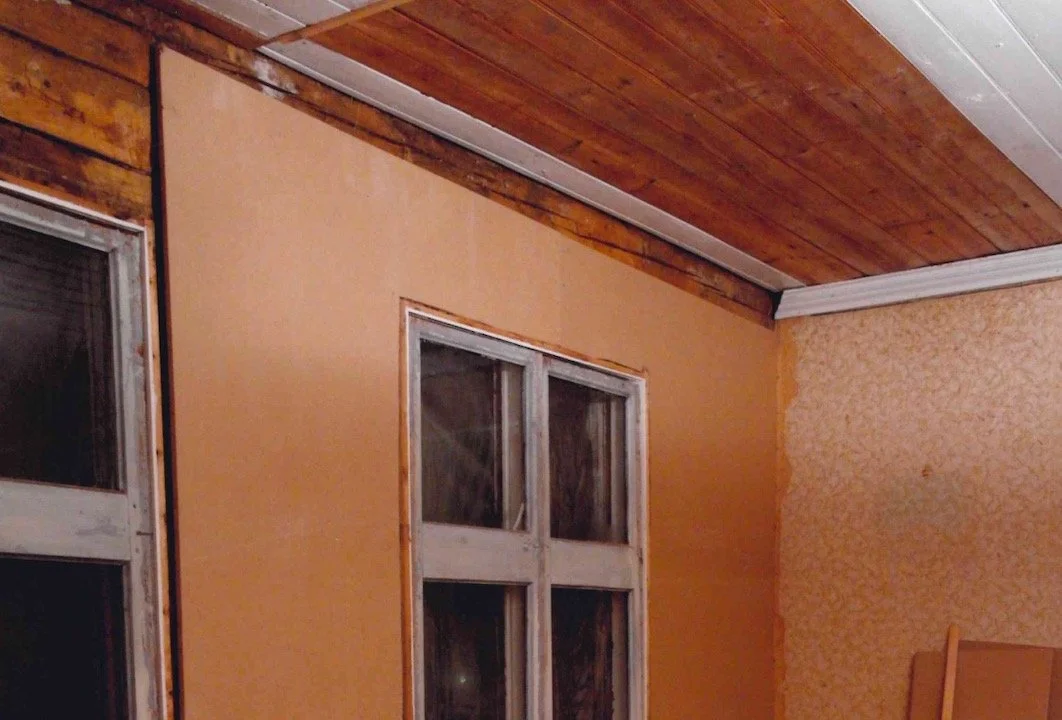
Understanding authentic features often begins with the materials and techniques that created them.
Article: Honour This Legacy →
Article: “ ” →
Article: “ ” →
Next: Materials & Linseed Oil Paint →
Back to: Restoring the Past→