Our StoryTo understand a place, you must understand its people
Our journey began by uncovering the lives and generations who once called this farm home - tracing family lines, listening to the voices of those who grew up within these walls, and piecing together their stories.
By exploring the wider history of the region, we place the house in context and give it meaning.
This is not just a building. This is the story of an old farm - Stan.
The last details to make the main house a resident for the Andreasson siblings were completed in 1913.
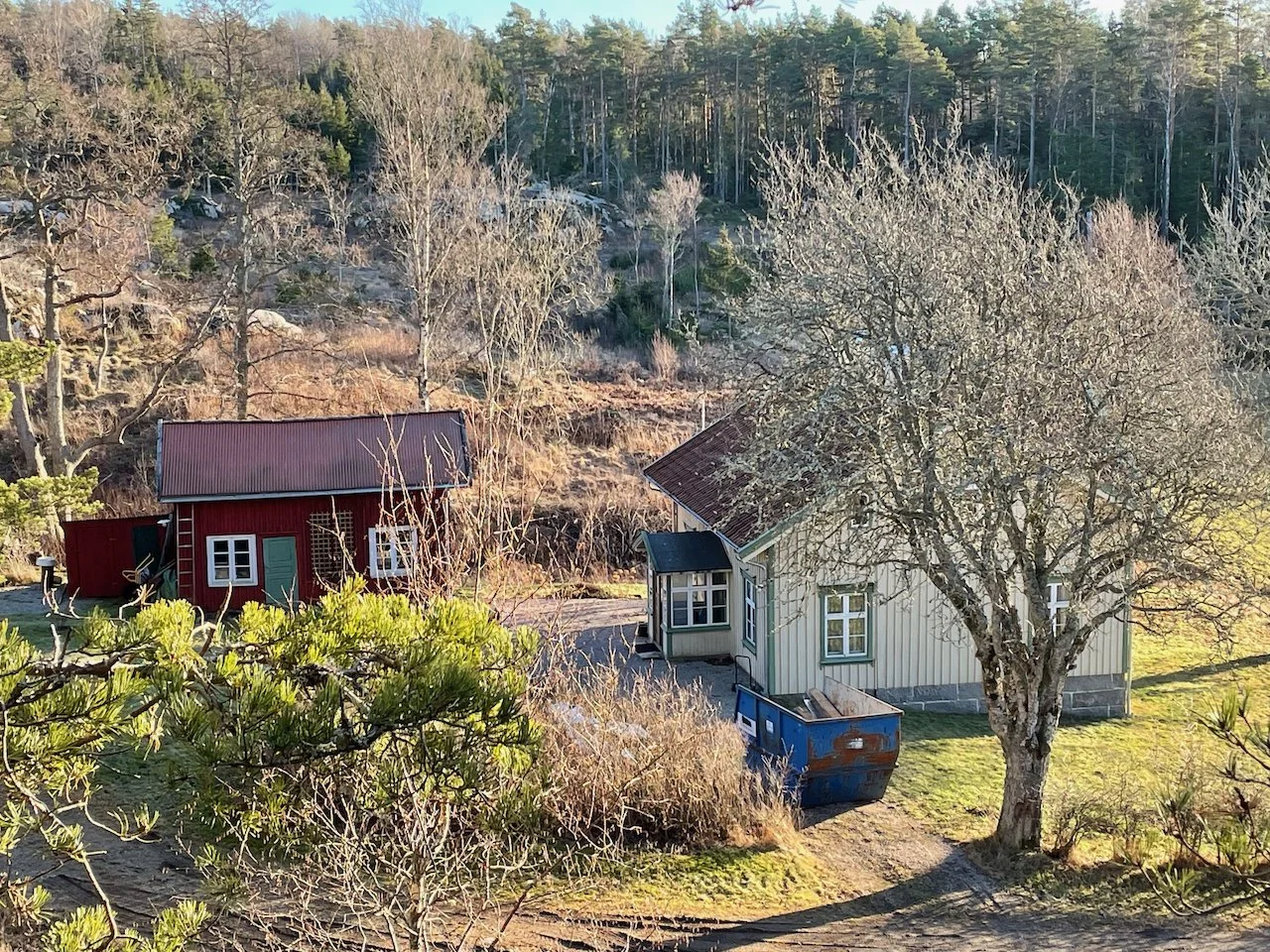
A distinctive feature of the estate is the double-width main house with three facades—a style of larger residence that was constructed in the area of Sweden, along with its surrounding parishes, during the early 20th century.
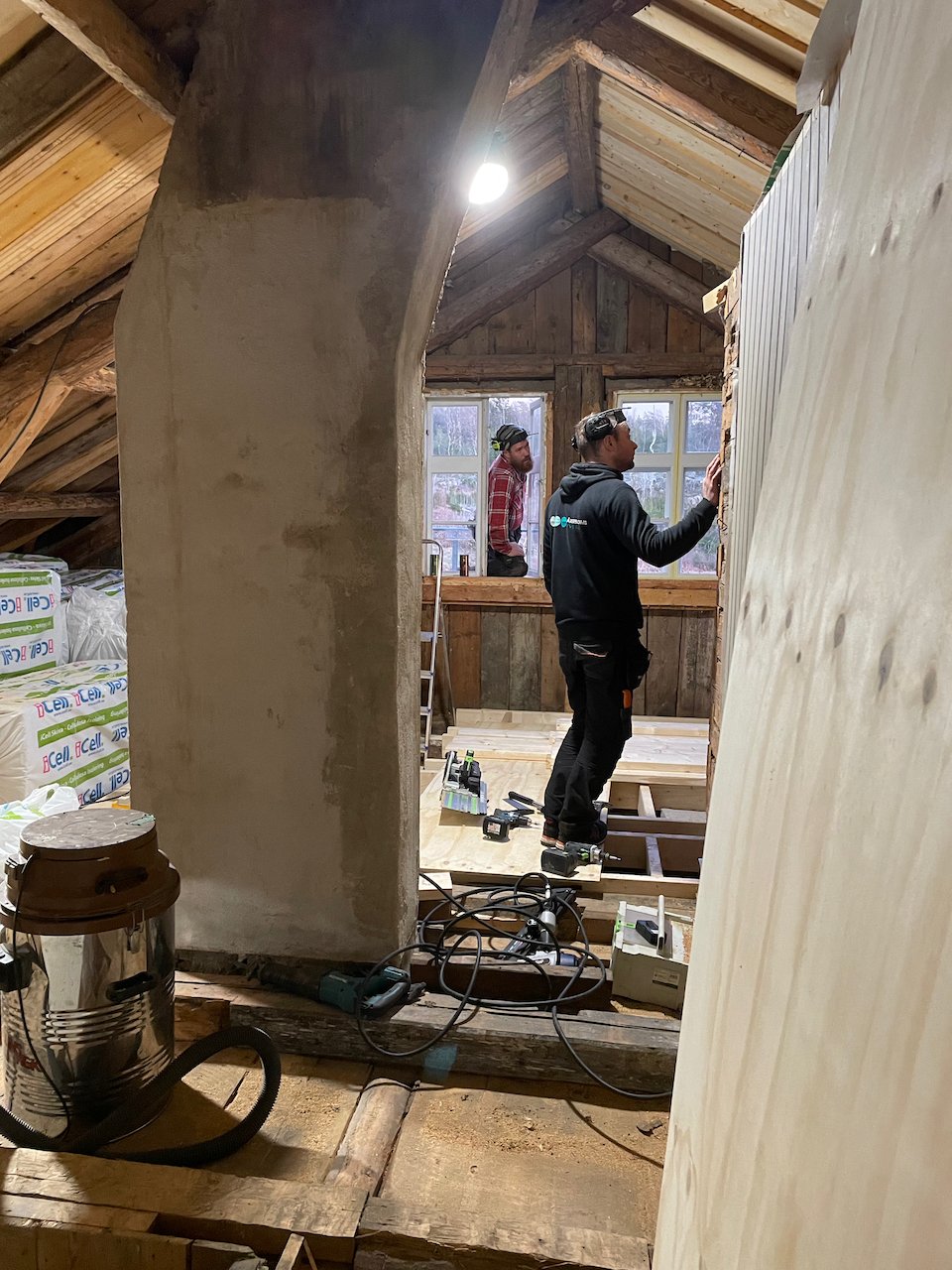

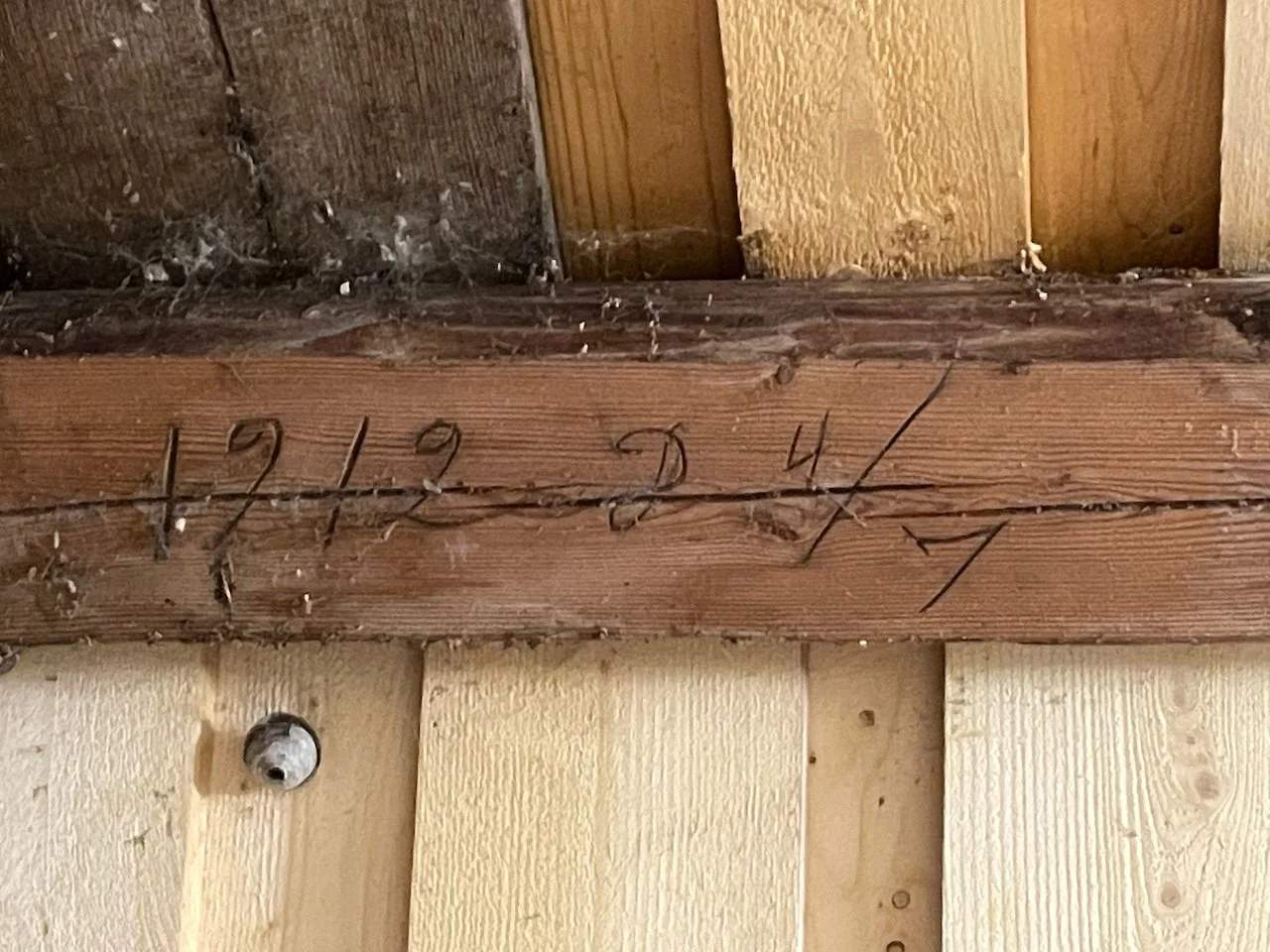

Their parents purchased the property and land in 1939. Confirmed on 1938.01.27.
Father: Oskar Napoleon Andersson, b. 1904, Lur, d. 1996
Mother: Hildur Maria Andersson, b. 1903, Lur, d. 1949
The three brothers who sold the Stan farm in 1939 continued to reside in the house alongside the new owners, occupying two rooms in the house. Olle's room on the ground floor and one room on the upper floor - it was common in Sweden at that time for sellers to remain on their sold farms for the rest of their lives.
Holger Andersson, son of Oscar, recounted that the brew house was previously the main house and that the Andreasson siblings were the last to use the old bake oven in the old house.
In Sweden subdivisions of farms continued, but rural life experienced a resurgence, with both animals and cultivated land, reaching its peak in the 1930s.
Other important facts for the region:
1873-1924 - The Scandinavian Monetary Union was a historic agreement between the Nordic countries to create a common currency system based on gold. The union introduced the krone/krona as a shared monetary unit.
1814-1905 - The Union between Sweden and Norway. This was a personal union, meaning that the two countries shared the same monarch and conducted foreign policy together.
Previously, the farm estate encompassed 46 hectares, with six hectares dedicated to cultivated fields and the remaining expanse utilized as pasture and woodland. A croft building “torp” in Swedish was also allocated on the edge of the farmland until sold in 1936.
The buildings maintains a period-appropriate pillar construction and timber-framed walls. The estate also features an older single-width residential building, formerly utilized as a brew house and grain loft.
The Last Farm Owners from 1939 to 2000
The heirs to the last farmer Oskar sold the land in 2000 and the house in 2003:
Holger Andersson and Irene Lilian Hermansson
If you are interested to find out more about your own Swedish ancestors for free, visit the Swedish National Archives: https://sok.riksarkivet.se and choose your language on the site menu.
I also found a very useful site with an overview for genealogy in Sweden: https://biveros.com/genealogy-sweden-sources/

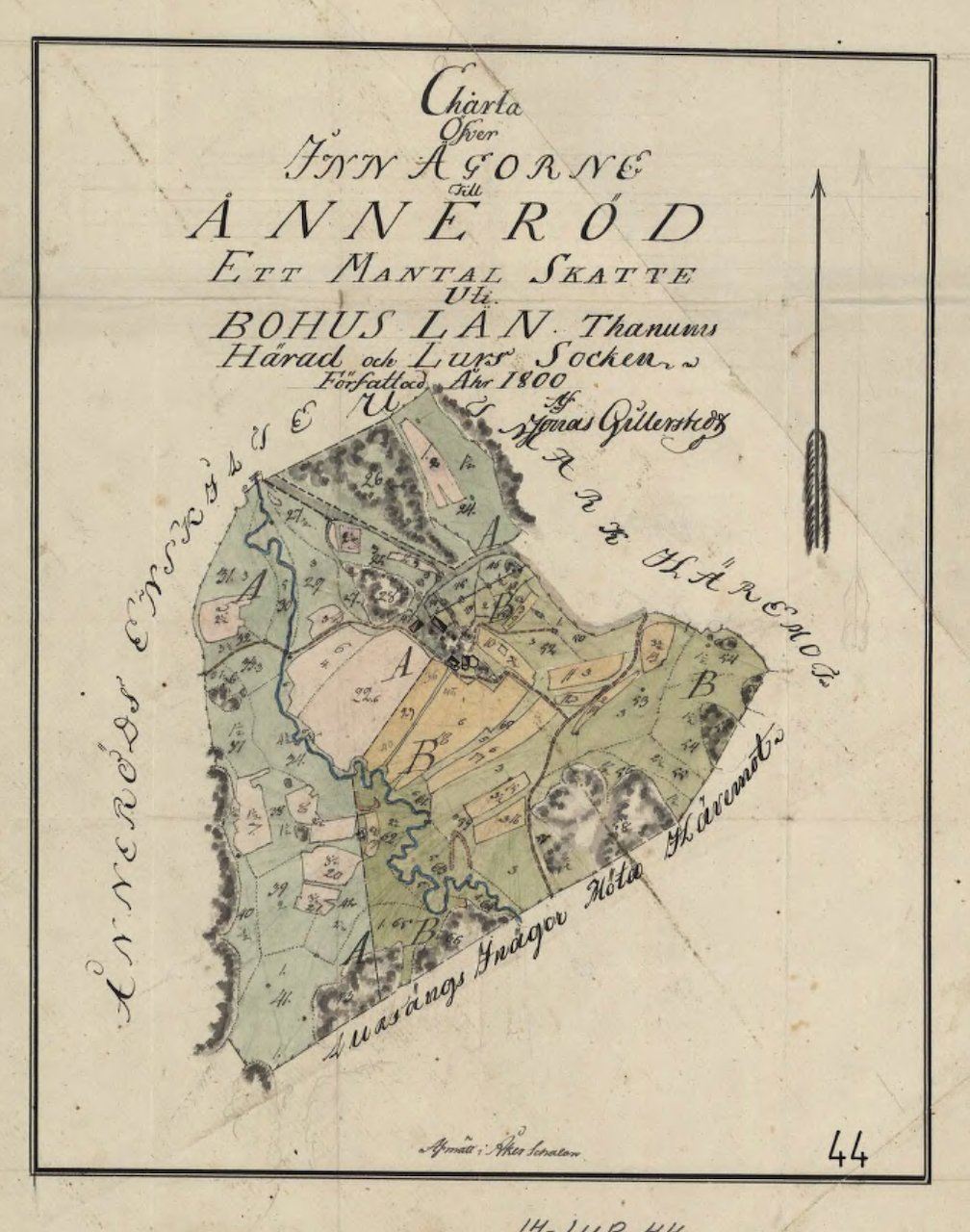
Genealogy of Farm Owners from 1825 - 1939
The main house was constructed by Otto Edvin Andreasson, a carpenter, with assistance from his brother Olof Alfred Andreasson. The timber was sourced from their own forest.
Olof Alfred Andreasson b. 1867.02.08 – d. ca. 1960
Otto Edvin Andreasson b. 1870.06.14, listed as a carpenter in the 1910 census
August Theodor Andreasson b. 1857.12.14
Amelie Andreasson b. 1853
In 1936 Olof Andreasson referred to as “Olle” sold an old croft building on the edge of the farm estate. In Swedish, such buildings are known as “torp”. These crofts buildings were often allocated to soldiers as part of their service, but many farmsteads also constructed them for rental purposes. In exchange for their rent, the crofters “torpare” would assist with various tasks on the farm.
Parents of the brothers (had 6 children):
Mother: Johanna Maja (Maria) Andersdotter
b. 1828.10.06, d. 1904.04.18
Father: Andreas Olsson (Tanum)
b. 1824.07.24, d. 1910.04.26
It's uncertain whether the brew house previously served as the main house or if there was an additional house on the estate.
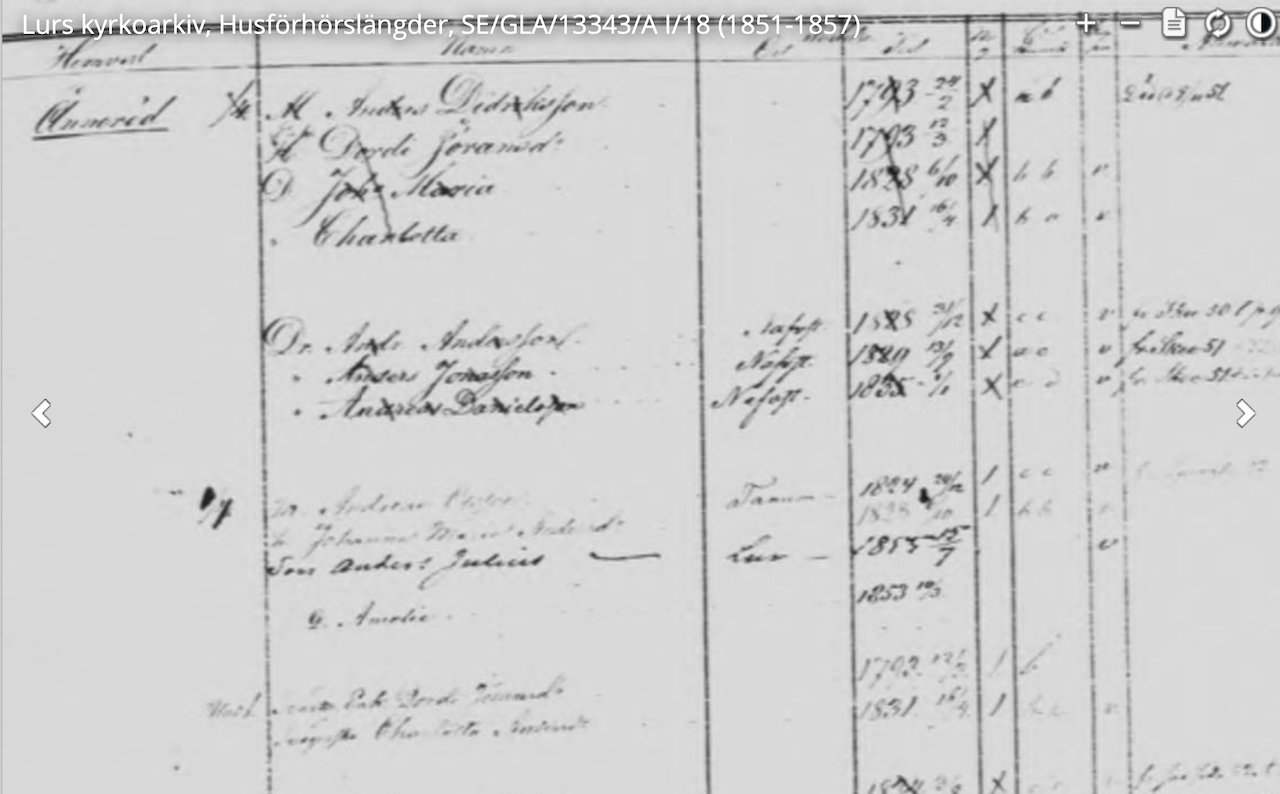
In 1851, Johanna Maria Andersdotter inherits her share of the Ånneröd Stan farm after her father. She had a younger sister, Charlotta. On the map, section B had been divided into B and C in 1825.
Parents of Johanna Maria Andersdotter (had 2 daughters):
In 1845, inheritance rights became equal for both men and women, yet a married woman's husband still controlled money and property. Married women were still considered minors.
Ånneröd C-skiftet:
Father: Anders Didriksson b. 1793.01.27, d. 1851.11.09
Mother: Dordi Jöransdotter b.1793, d.1858.02.04
1825 - Enclosure in Sweden, fields consolidated into larger contiguous plots, and Ånneröd was divided into three parts. Houses that had been centrally located were moved to the fields, establishing the characteristic scattered farmsteads seen today. Timber-framed houses were disassembled and relocated to their designated parcels.
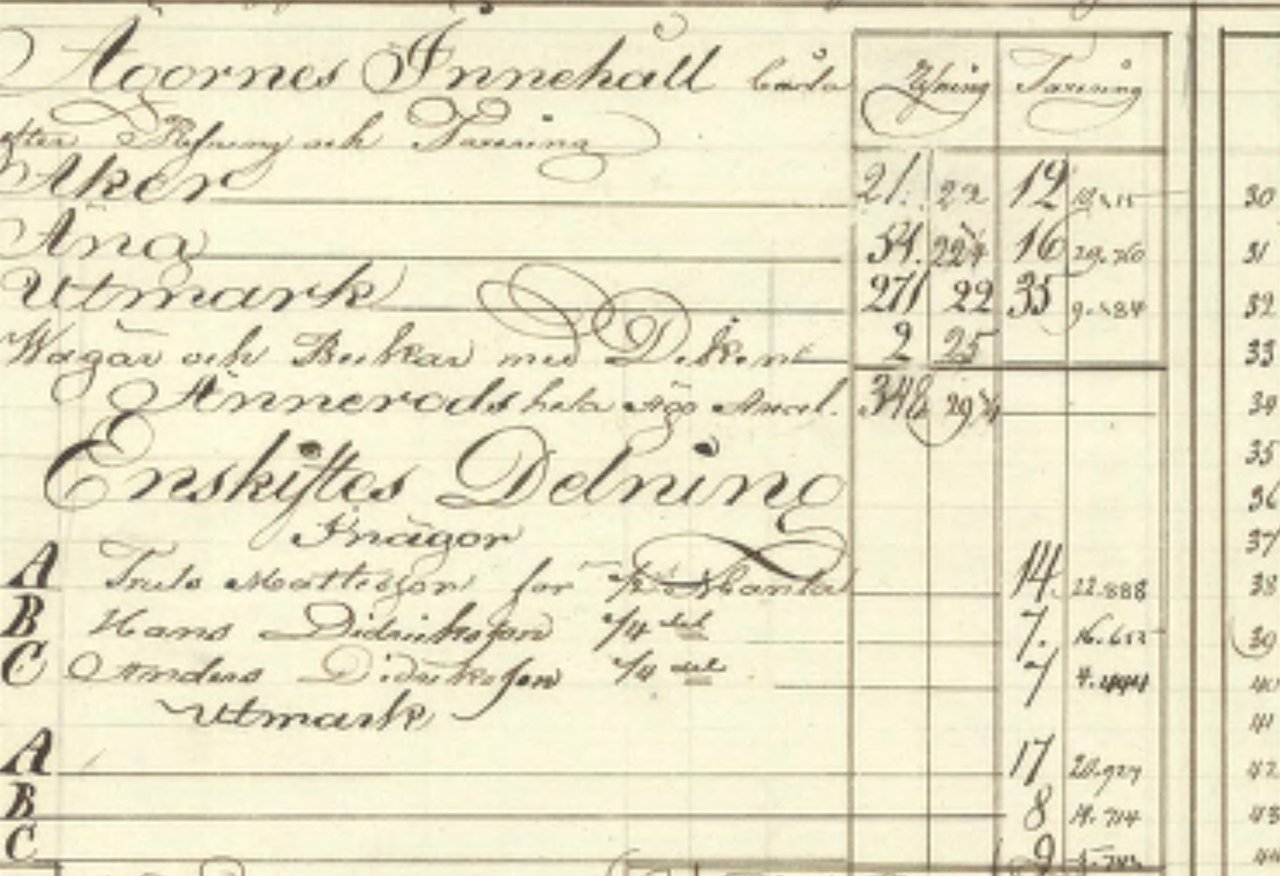
1825 - Ånneröd Enclosure: Confirmed on 1825.05.26
A-shift = Småris 1:2 = Truls Mattisson b. 1769.09.25, d.1854.10.28
B-shift Ånneröd 4 = Hans Didriksson b. 1787, d. 1825.03.22 Eldest son takes over, Anders Hansson b. 1816, d. 1900.11.01
C-shift Ånneröd 1:4 = Anders Didriksson b. 1793.01.27, d.1851.11.09 Farmstead – Stan
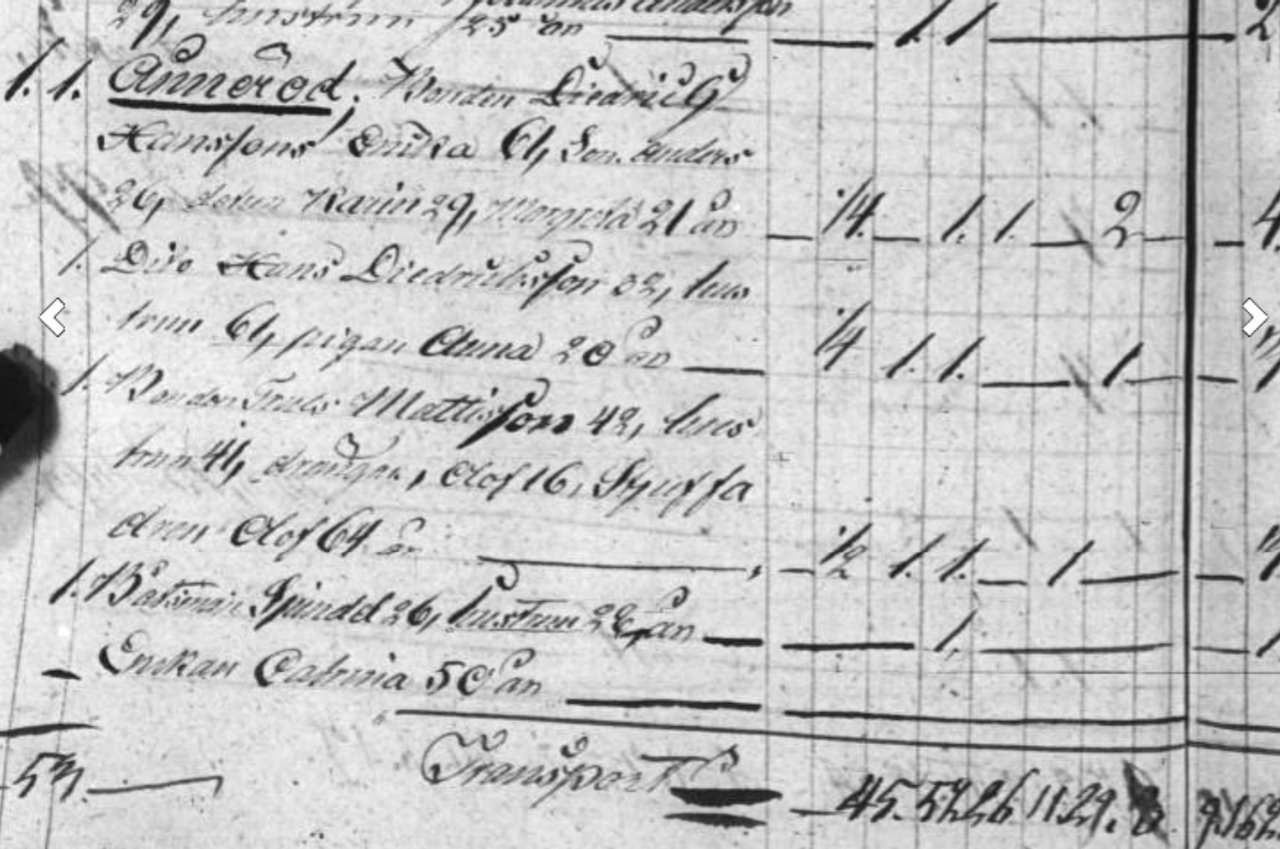
Landowners and farm owners before the 1825 enclosure: Land Register Farm (Matrikkelgard)
Around this time, all buildings in Ånneröd were situated closely together at the border between A-shift and B-shift.
Farm owners: (and parents of both Anders and Hans Didriksson, they had 6 children)
Mother: Ingrid Olsdotter b. 1758.09.27, d. 1824.12.07
Father: Didrik Hansson b. 1751.12.19, d. 1818.08.19
(1753 - Lurs church archives) Father Didrik Hansson moved from Tjärnöbo in Tjärnö parish.

During the 1600s, there are strong indications that the farm originated as former outlying land or an early clearing attached of a larger estate. The surrounding small holdings were classified as crofts and outlying lands belonging to the main estate.
This system remained in place until the major land reforms (the Great Partition and the Enclosure Acts), when many of these holdings were separated or developed into more independent farms.


Important facts for the region as a military borderland:
1716-1720 - The later part of the Great Northern War. Bohuslän was involved in Charles XII's campaign against Norway.
In 1719, after the death of Charles XII, Peder Tordenskiøld takes Marstrand and Strömstad. Both cities are returned to Sweden.
1718 - King Charles XII of Sweden was shot dead in Fredrikshald, today Halden in Norway.
In 1716, on July 8th, the Battle of Dynekilen took place. Peder Tordenskiøld captures a Swedish supply fleet.
1680 - The establishment of Gothenburg and Bohus County, with Gothenburg as the administrative center.
1670 - King Frederick III of Denmark dies of sudden illness
Under King Charles XI of Sweden all the old Danish-Norwegian territories were assimilated. Danish and Norwegian books were banned.
1661 - On October 26 the national border between Sweden and Norway was finalized, which meant that the entire Enningdal parish remained part of Norway.
1660 - King Charles X Gustav of Sweden dies from sepsis.
1658 - On 26 February the Treaty of Roskilde was signed by Fredrik III of Denmark-Norway, and the county of Båhuslen became part of Sweden.
1657 - In the Spring, King Fredrik III of Denmark-Norway wanted revenge for the 1645 - Second Peace of Brömsebro, and war becomes a reality once again.
1648 - King Christian IV dies from declining health, multiple war injuries.
1624 - King Christian IV founds the city of Christiania, September 28th after medieval Oslo had burned in August the same year.
1588 - Danish King Frederick II dies, and the 11-year-old King Christian IV is crowned. He oversaw Båhuslen during periods of Swedish-Danish tensions.
1559 - Danish King Christian III dies. His successor was King Frederick II, who strengthen the border defenses in Båhuslen.
1541 - Bishop Hans Rev becomes the first Lutheran superintendent in Oslo, which also included the whole of Båhuslen. (He was also the last appointed Catholic Bishop of Oslo)
1537 - The Reformation takes place in Denmark-Norway, and church property in Båhuslen is confiscated and sent to Copenhagen.
1533 - The Danish King Frederick I dies and triggers a succession crisis - interregnum. For Båhuslen, this meant that trade, administration, and military readiness were unstable.
1524 - The Malmö Recess ends the war. Båhuslen is returned to Denmark - and King Gustav Vasa of Sweden gives up claims to Viken in exchange for money.
1523 - End of the Kalmar Union (1397-1523)
Sweden on one side and Denmark-Norway on the other. June 6th - Gustav Vasa became King of Sweden. The Danish King Christian II was deposed and Frederick I ascended to the Danish-Norwegian throne. Kalmar Union effectively ends.
1521 - 1523 - Swedish War of Liberation from the Kalmar Union. Swedish forces temporarily control a big part of northern Båhuslen (Viken).
1520 - King Christian II also became King of Sweden between 1520-1521.
1513 - King Christian II of Denmark-Norway
1490 - Swedish separatist movement, and regional conflicts.
1481 - King Christian I dies and is succeeded by John (Hans) Denmark-Norway and also Sweden between 1497-1501.
1450 - 1490 - Båhuslen was relatively calm, but always a border region. Sweden often rebelled against the Danish rulers.
1450 - 1436 - Engelbrekt Rebellion, and the unrest reaches the border areas.
1448 - King Christian I of Denmark-Norway. Fortified border defense in Båhuslen. Sweden chose its own king. Union weakened since Charles VIII (Karl Knutsson Bonde) only in Sweden between 1448-1457.
1448 - Christopher of Bavaria dies, triggering a succession crisis.
1440 - Christopher of Bavaria - King of Denmark, Norway and Sweden.
1439/1442 - King Eric of Pomerania is deposed from the Scandinavian thrones. After abdication, he lived as a private noble in Pomerania. (Northern Poland and northeastern Germany)
1412 - Queen Margaret I dies, and Eric of Pomerania becomes the sole monarch of the Kalmar Union.
1397 - The Kalmar Union was established. (1397-1523) Queen Margaret I crowned Eric of Pomerania as king of the three kingdoms.
1380 - 1412 - Queen Margaret I, de facto ruler, Queen of Denmark, regent of Norway and Sweden.
1747-1808 - The Herring Period. An economic boom for the entire province.
1788 - The Theater War. A Norwegian force enters the province, capturing Uddevalla, Åmål, and Vänersborg. This was a response to Sweden's attack on Russia. Denmark-Norway had made a treaty with Russia. Faced with threats from both England and Prussia to intervene, the Norwegian forces retreated to Norway.
During this time, it was the husband of a married woman who controlled money and property. Married women were considered minors. Ingrid Olsdotter inherits the farm from:
Father: Oluf Hansson b. 1722, d. 1771.01.20
Mother: Margaretha Halfvordsdotter b. 1721 d. 1802.09.02 (81,4 years) - had 6 children, all daughters
Farm owner Oluf Hansson takes over his part in Ånneröd from:
Father: Hans Persson b. 1666, d. 1750.05.29 (84 years)
Mother: Runnog Olsdotter b. 1668 d. 1748.01.17 (80 years)
Farmer Hans and his wife Runnog had a long life and lived through a very turbulent time for the region.