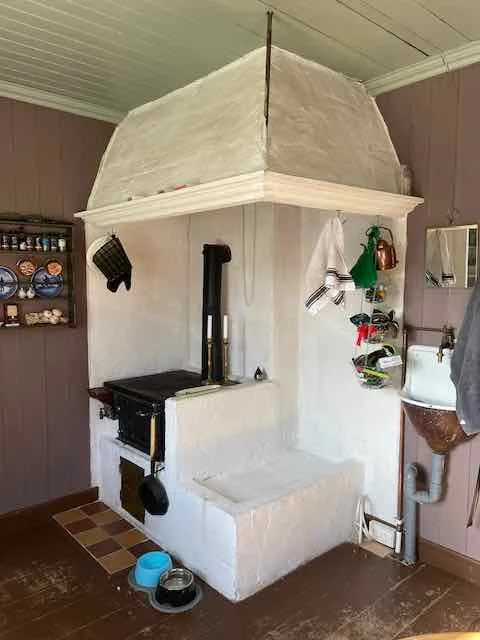
Taking care of an old house is not about forcing it into the present, but listening to what it has already survived. Every beam, every wall, every surface carries choices made long before us.
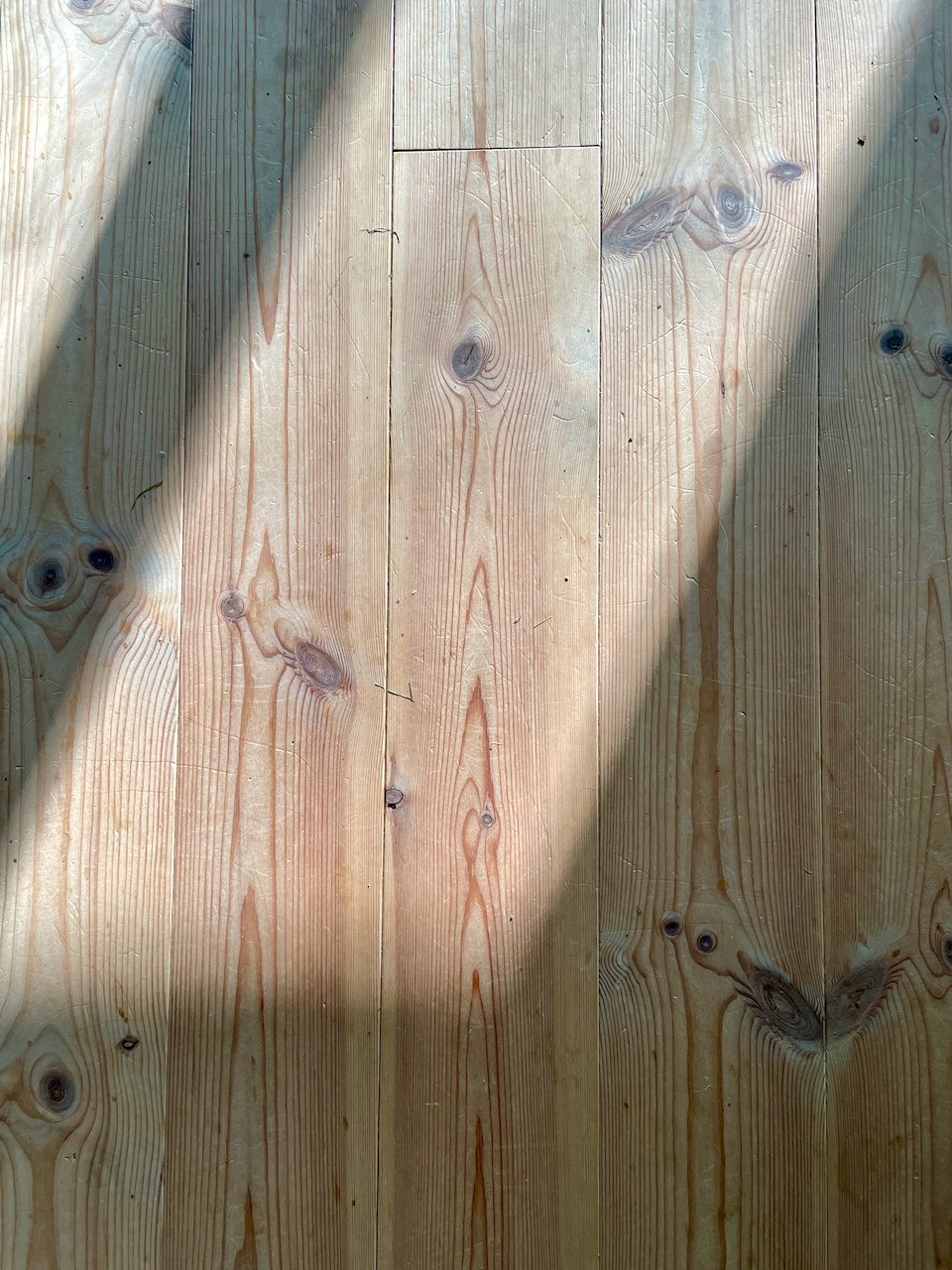
To respect an old house is to respect its materials – stone that needs to breathe, wood that wants oil instead of plastic-paint, that protects rather than suffocates.
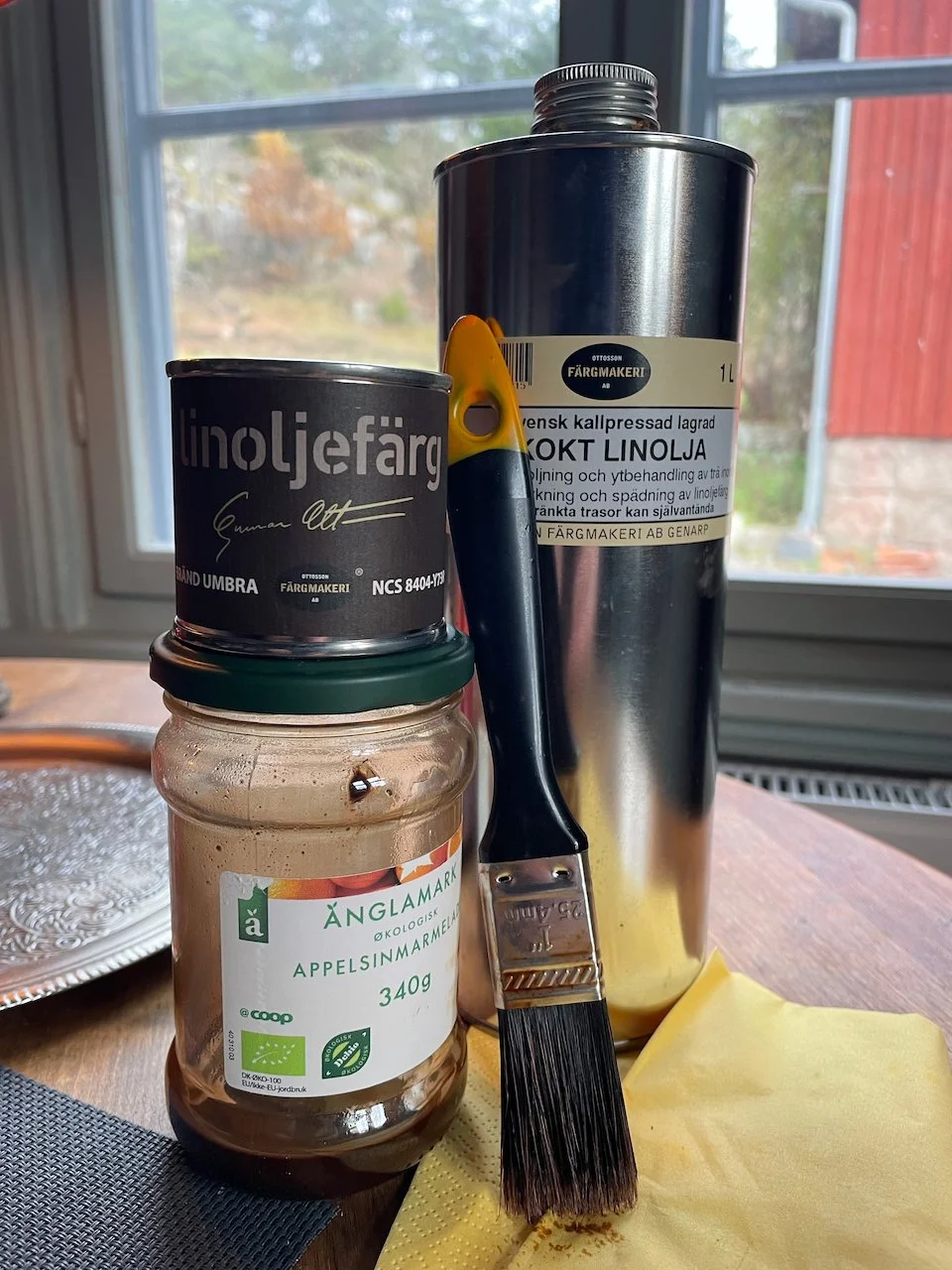
Furthermore, linseed oil paint is ideal for both interiors and facades because it is natural, breathable, and highly durable. It protects wood and walls from moisture while allowing them to breathe.
Modern solutions are tempting. They are fast, clean, and often wrong. An old house asks for patience and knowledge: lime instead of cement, linseed oil instead of acrylic, repairs instead of replacements. These are not nostalgic gestures – they are practical acts of care.
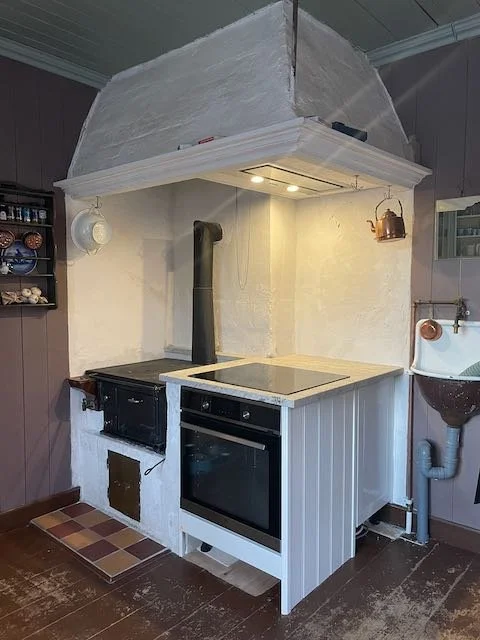
Some modernize. Some time-travel
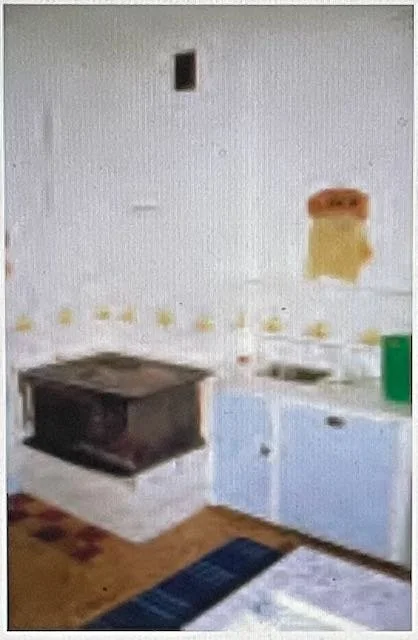
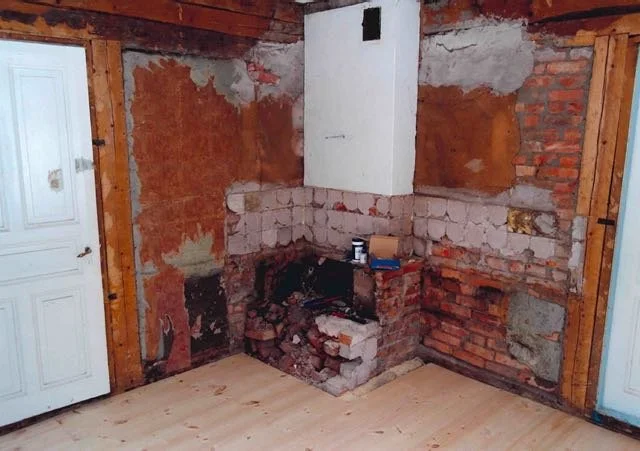
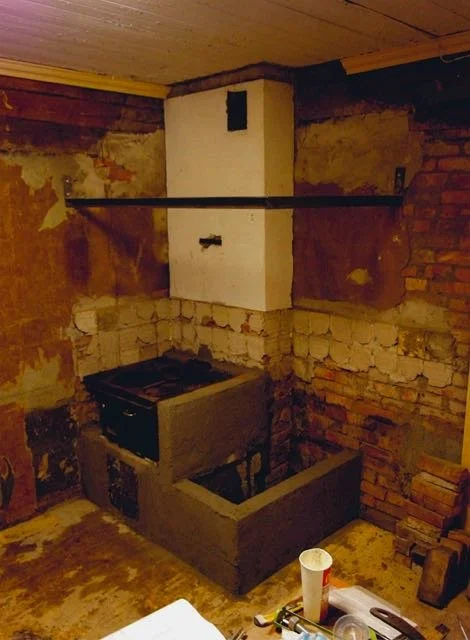
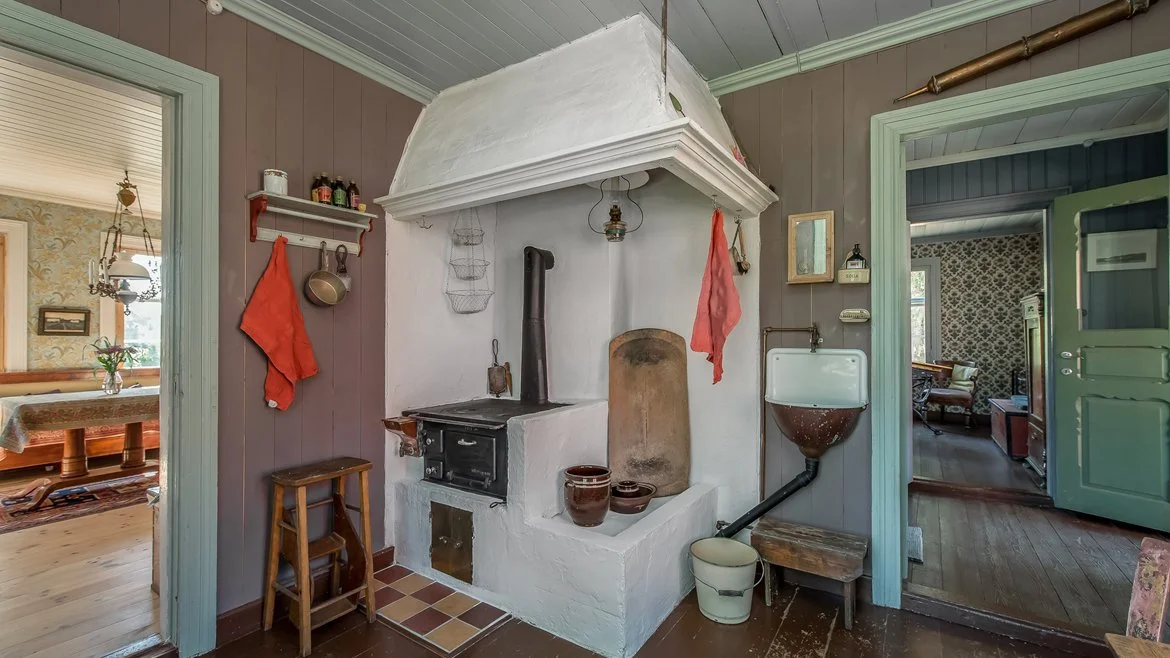
Some owners modernize.
Some restore what was forgotten.
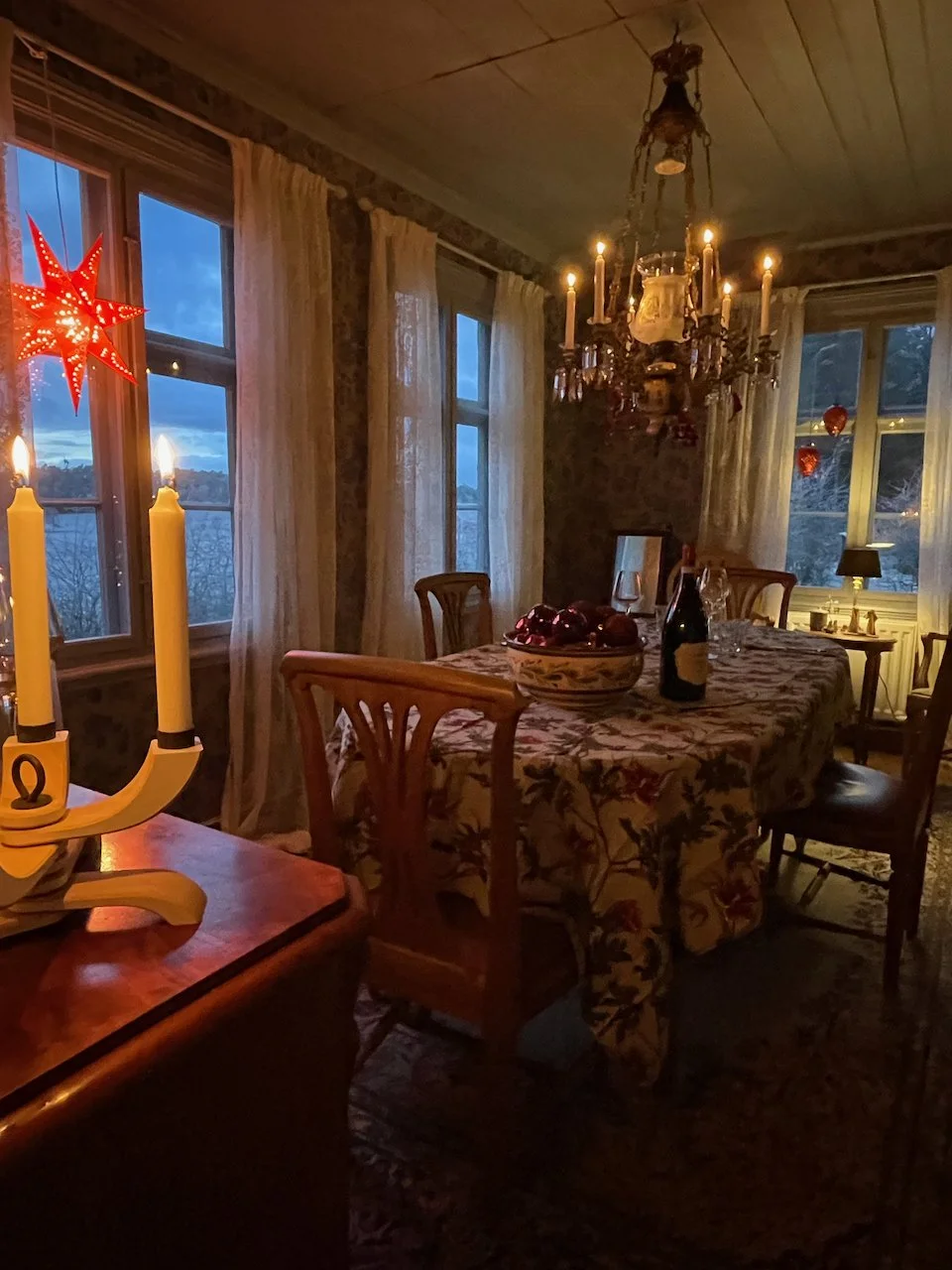
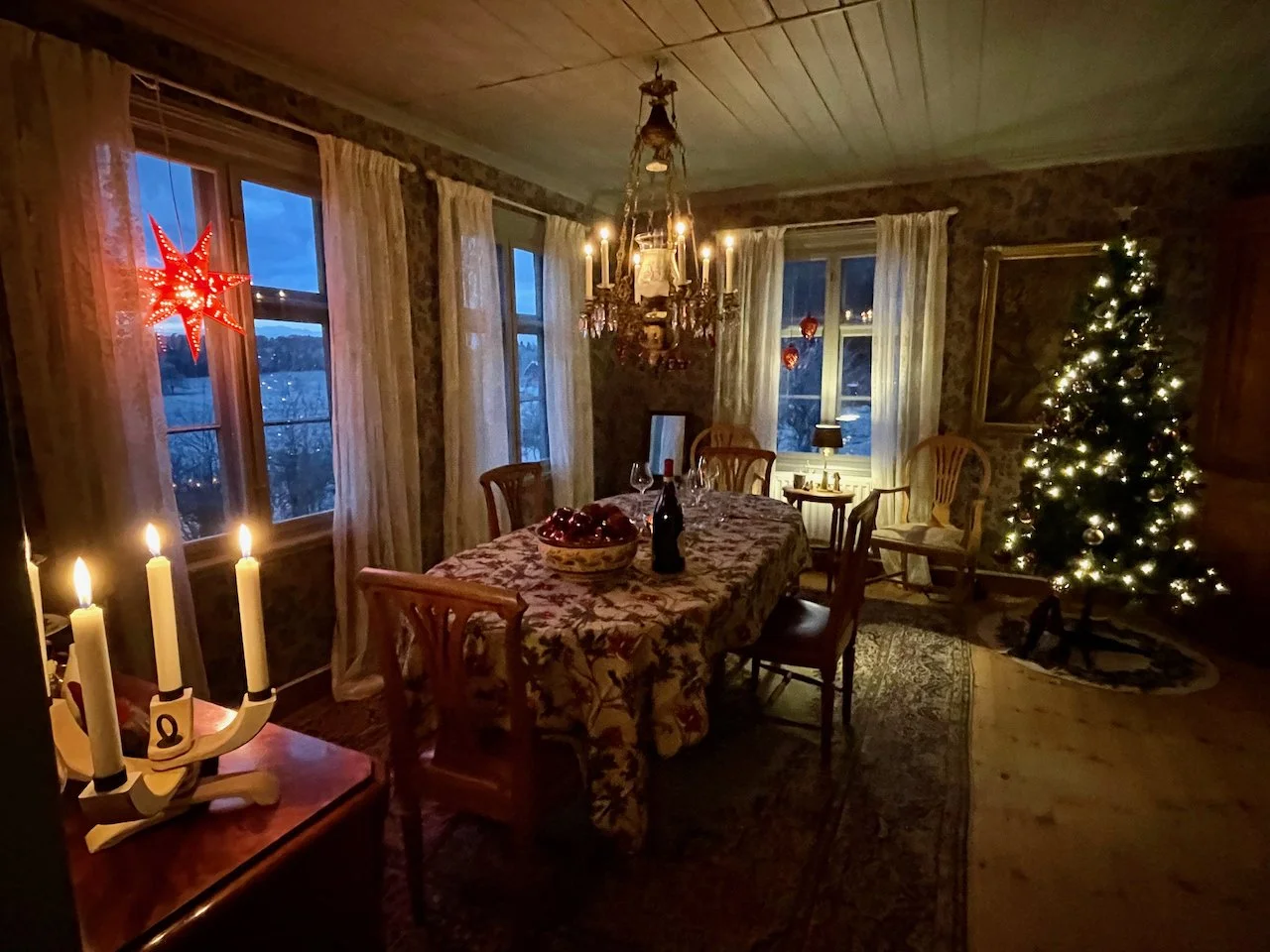
And some choose to travel back in time, not to escape the present, but to understand the house on its own terms.
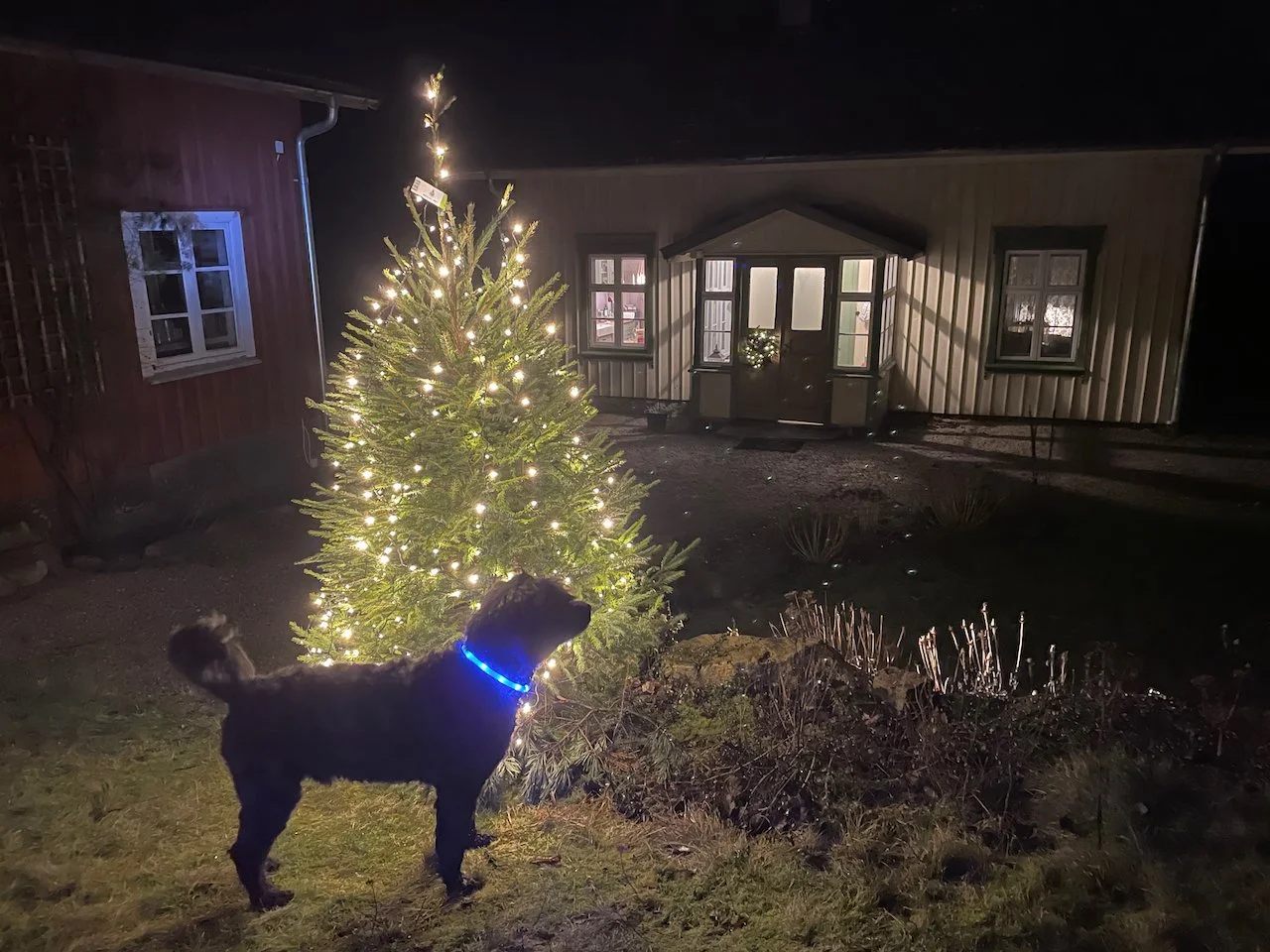
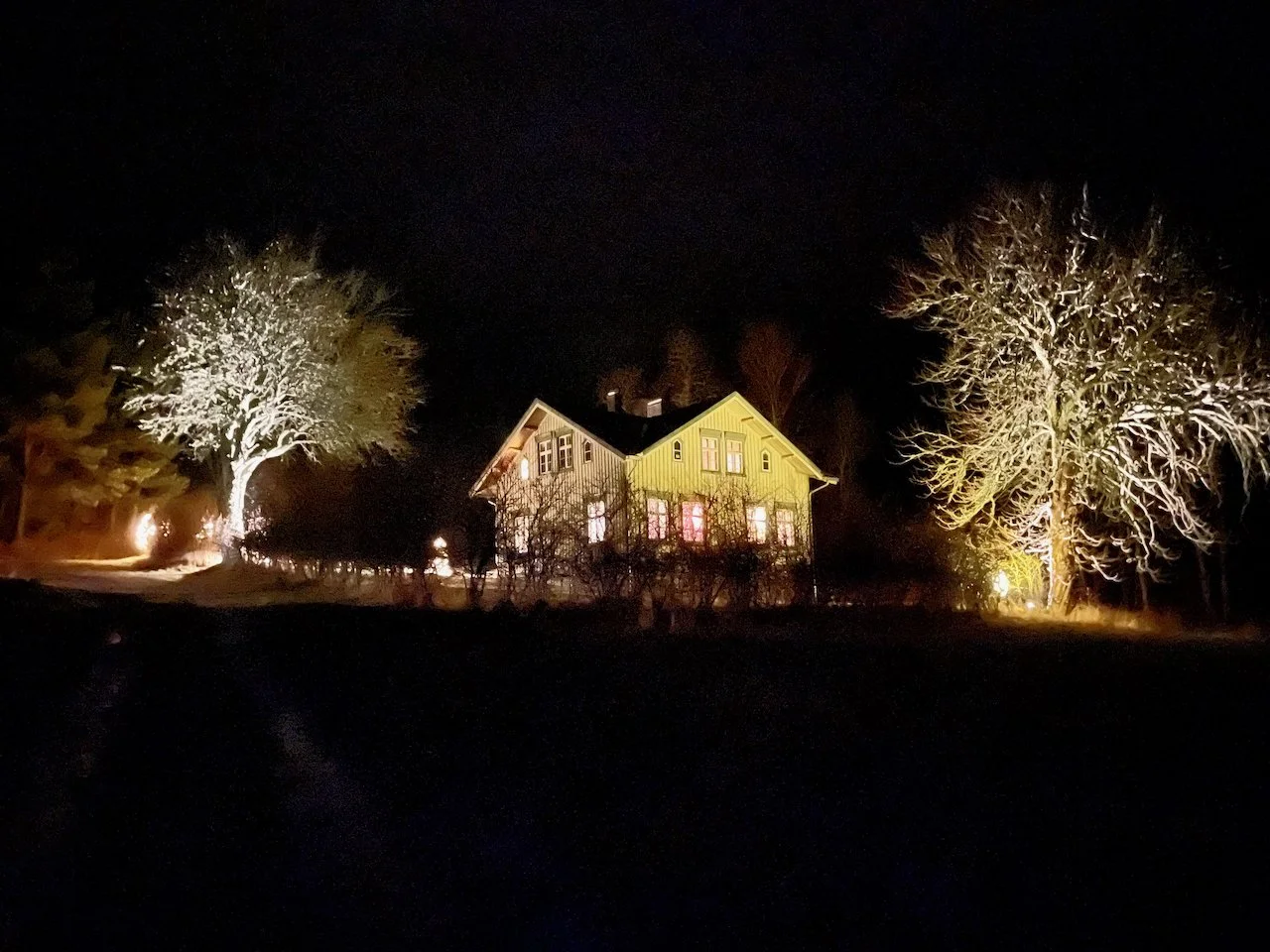
Across Scandinavia, thousands of ødehus stand quietly in forests and valleys, waiting. Houses that once held families, firelight, and everyday life now long only for new inhabitants, running water, and a secure roof. They are not ruins, they are stories paused. Saving these houses is not only about comfort or design. It is about keeping history alive – one wall, one roof, one careful decision at a time.
That is when renovation becomes something more than construction.
It becomes a collaboration with the past, and a promise to the future.
This article is part of: Balacing Old and Modern →