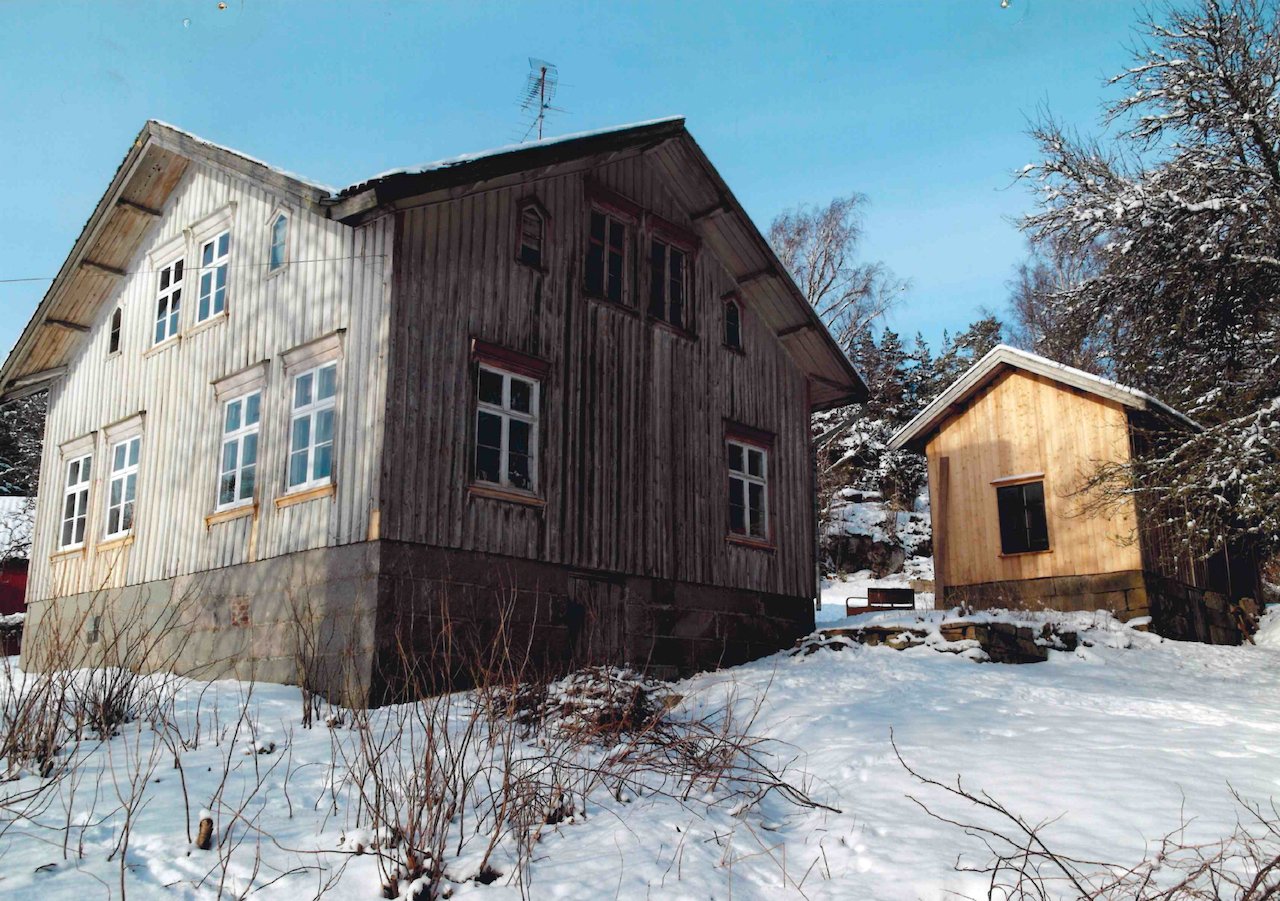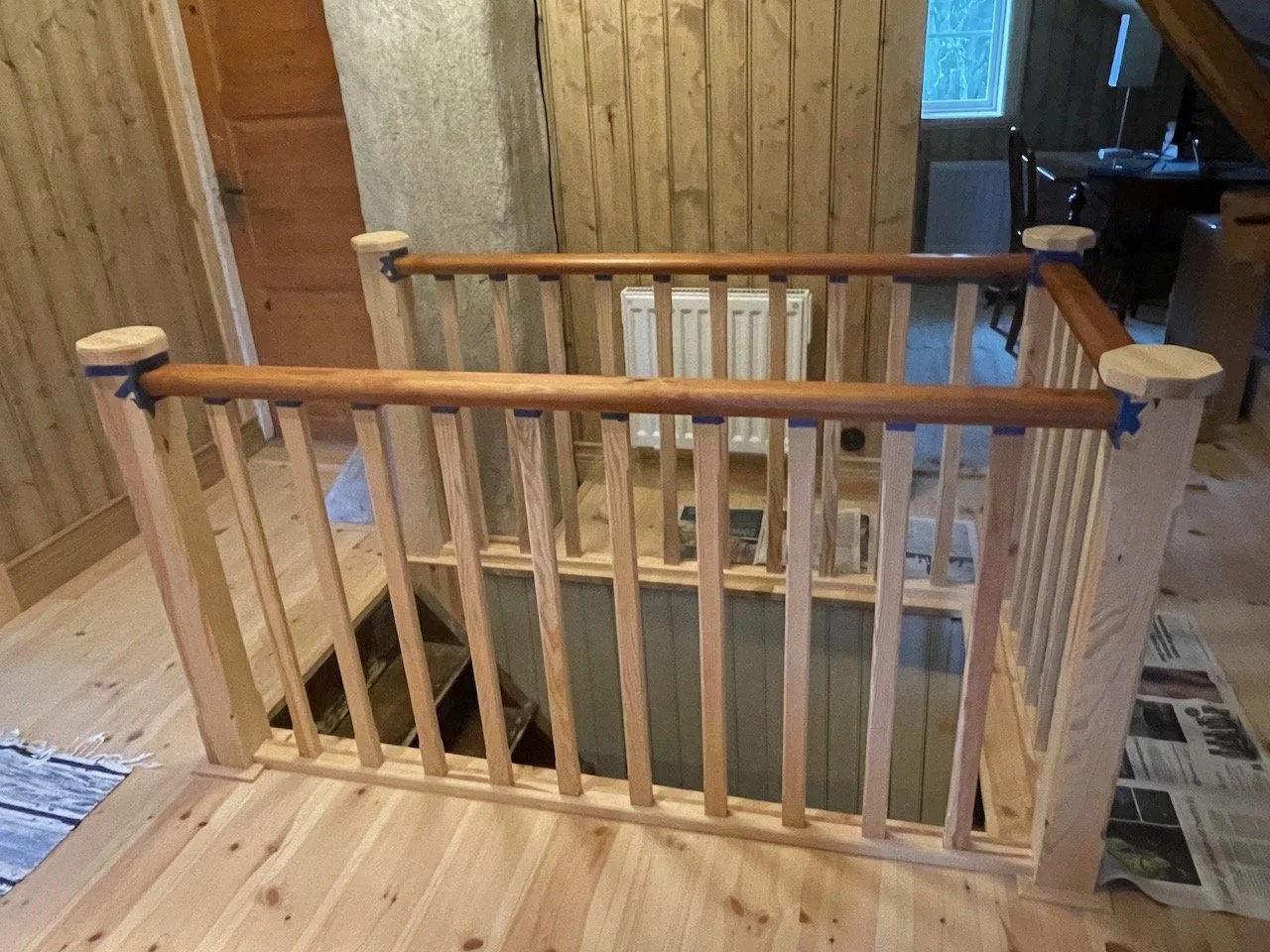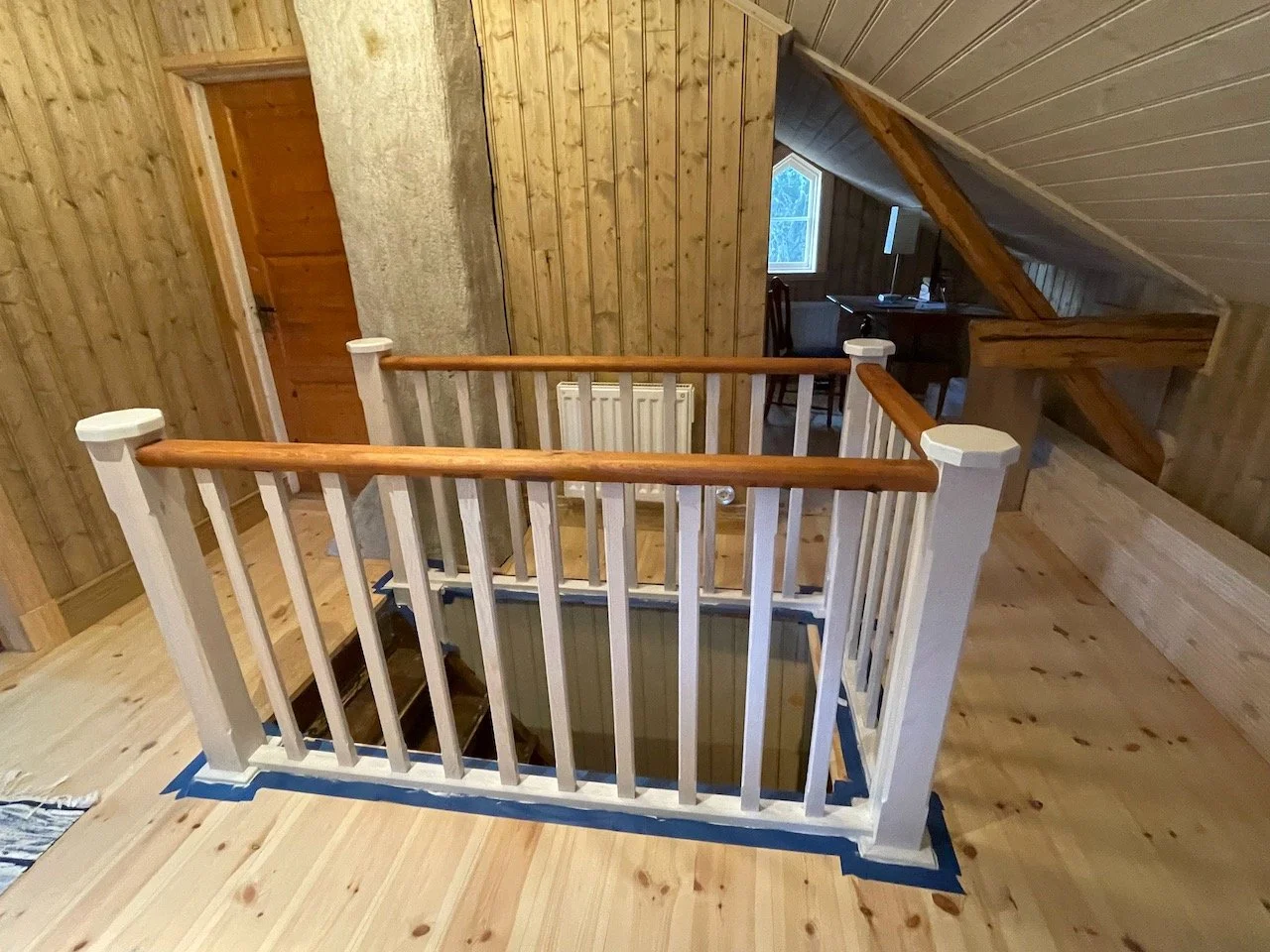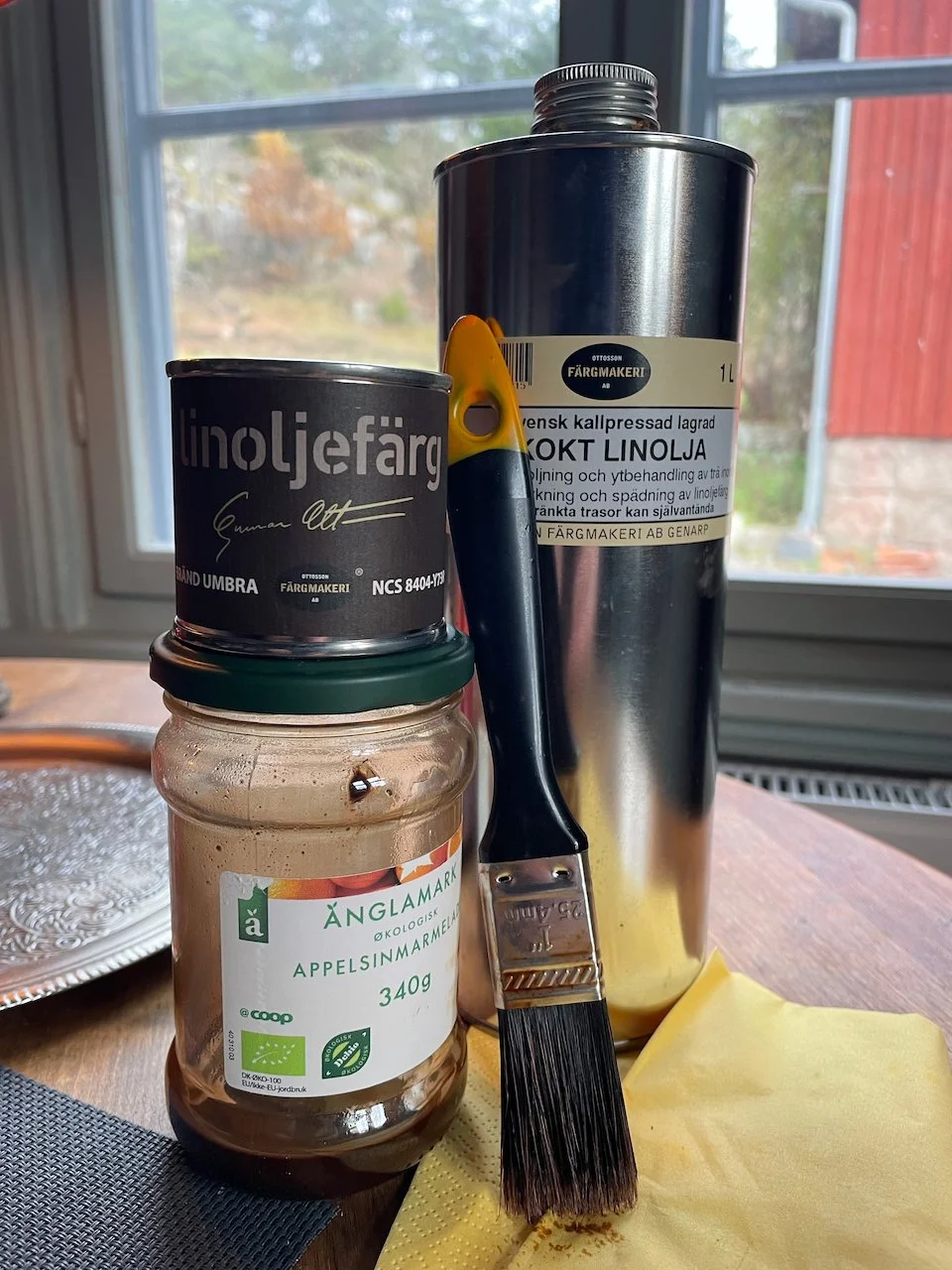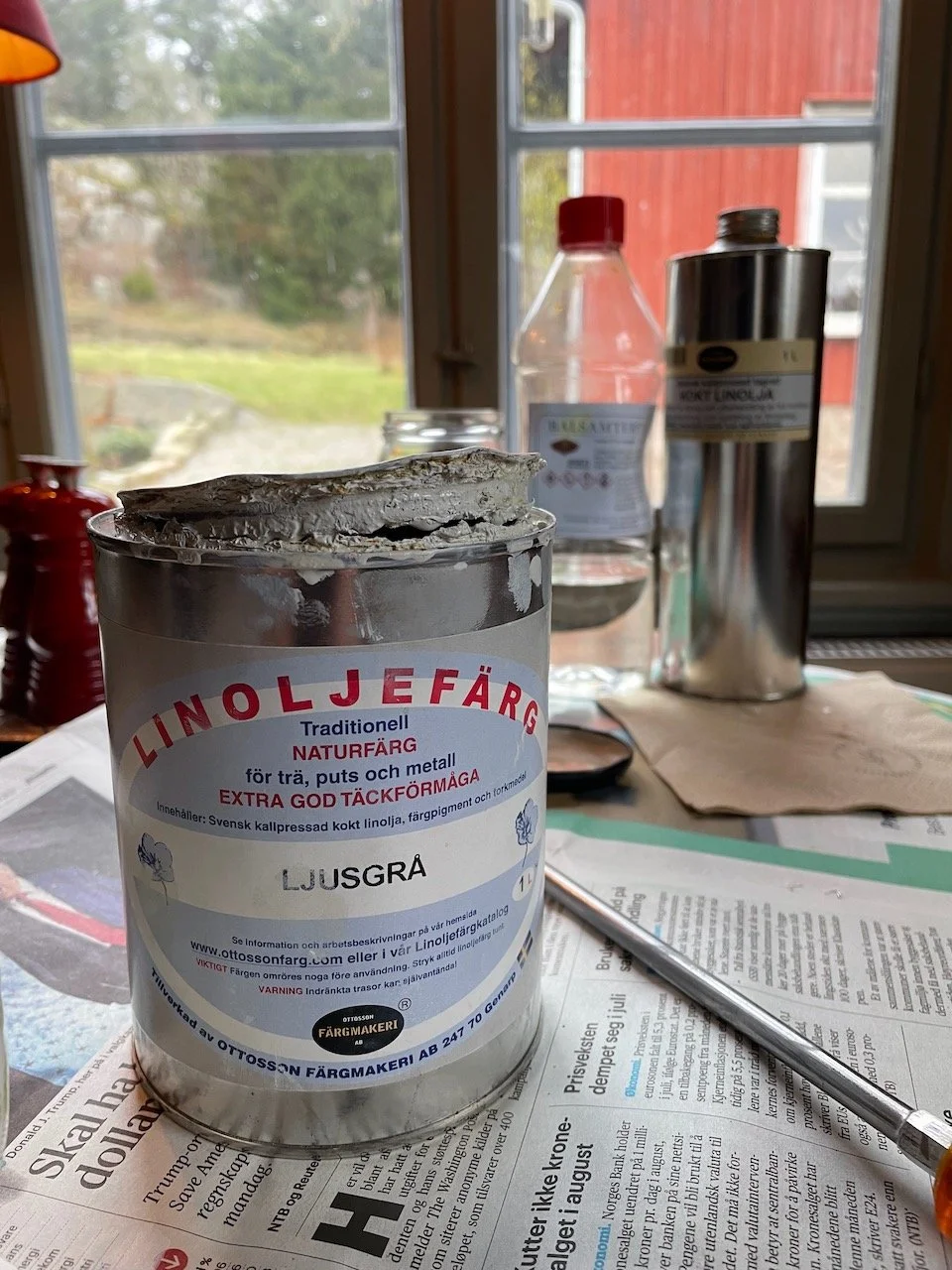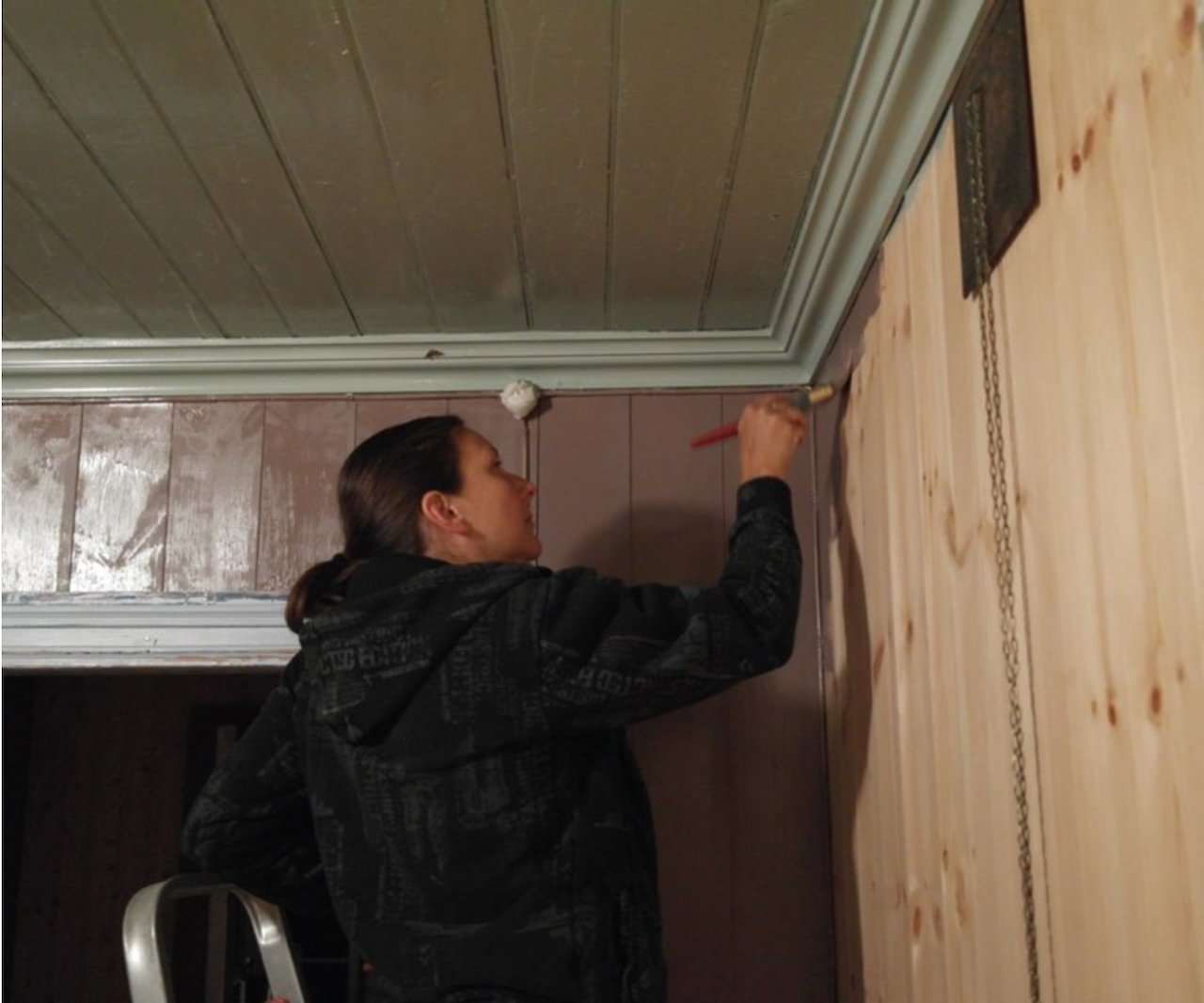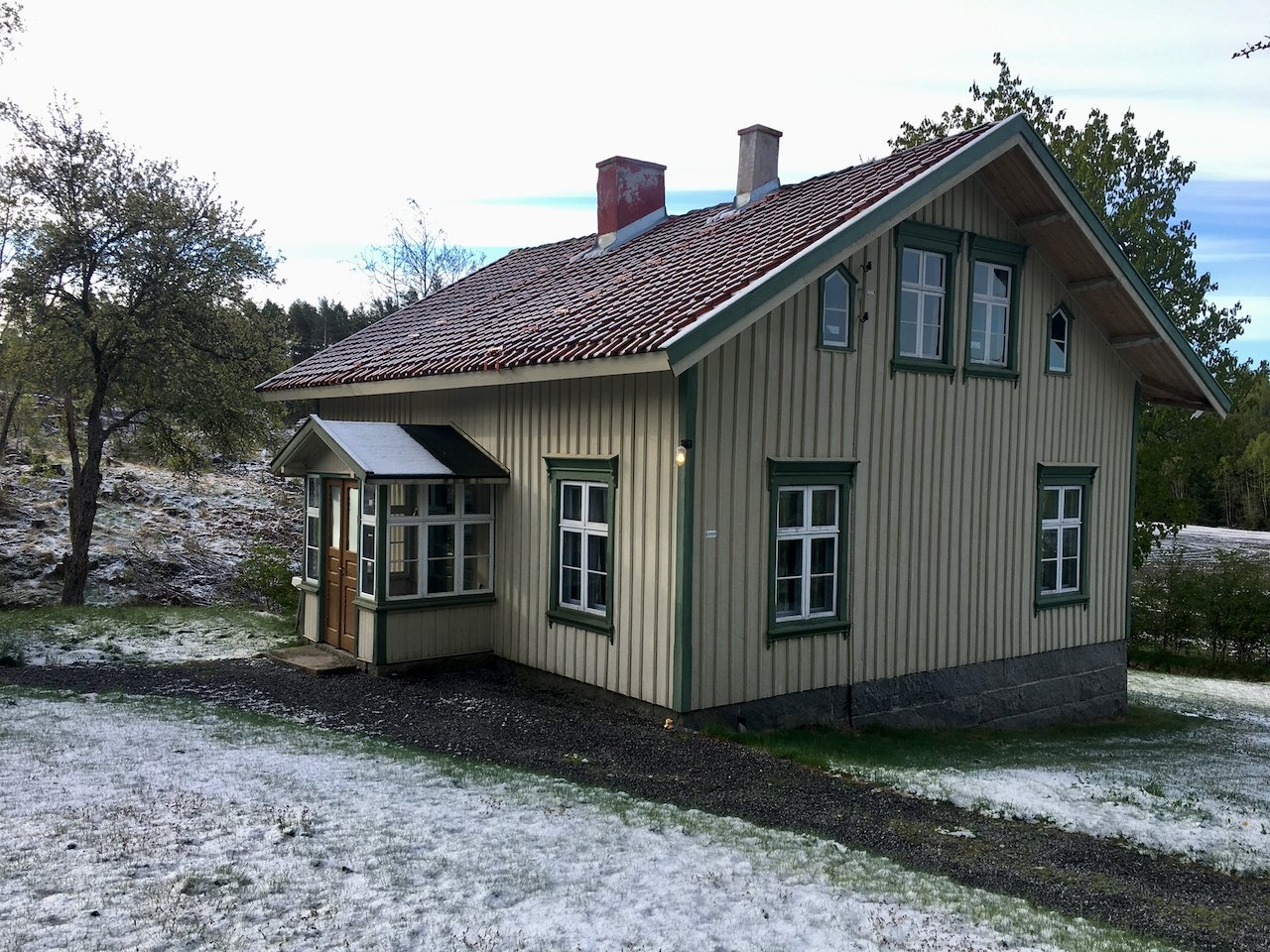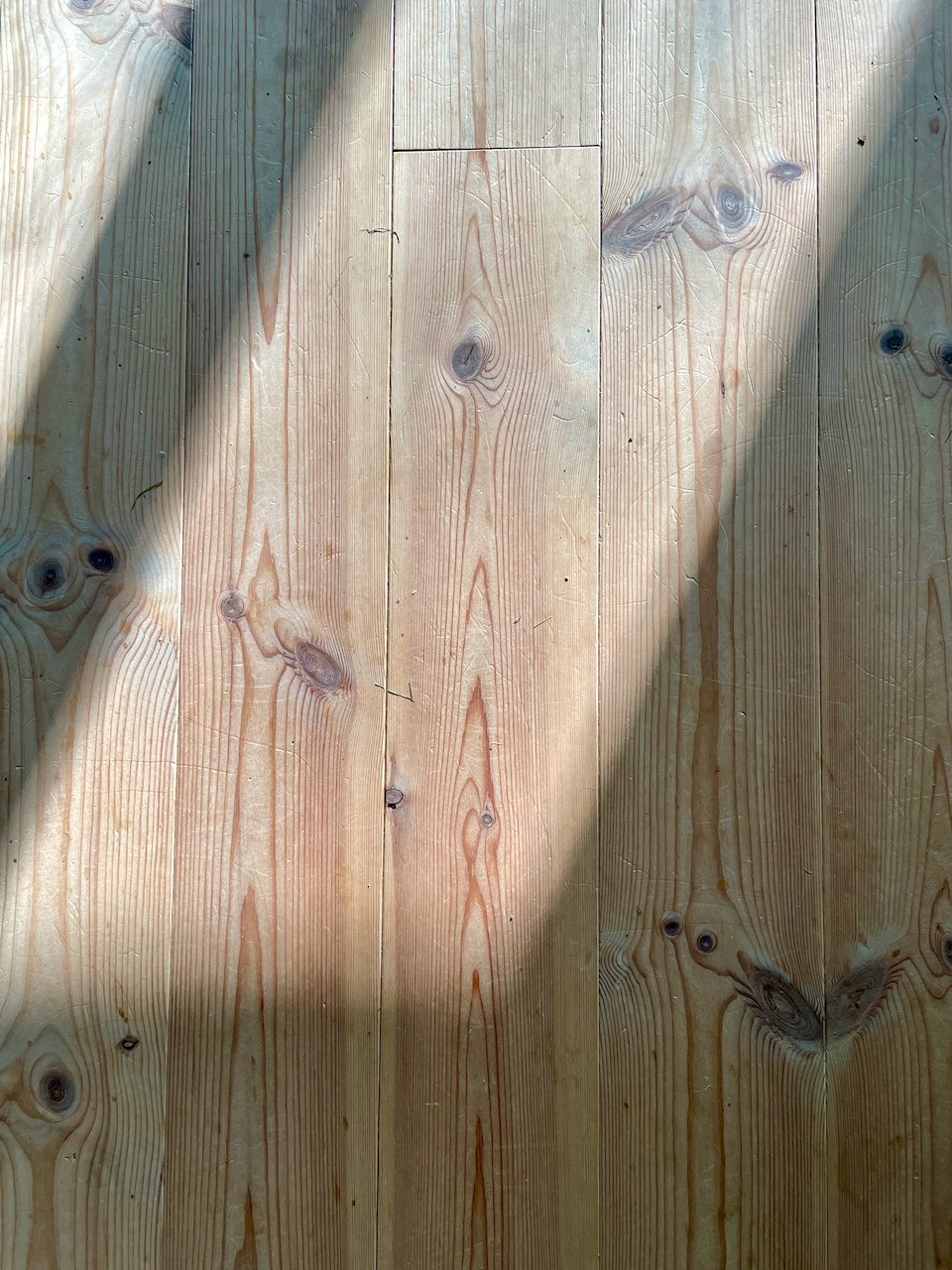
Linseed oil paint offers a natural, breathable, and long-lasting finish that is especially well-suited to historic homes. When mixed with raw linseed oil or turpentine, it can be applied as a transparent wash in thin layers using a brush or cloth. Excess paint is gently wiped away to create a soft, aged surface with depth and character.
Although it dries slowly - usually within 24 to 48 hours per coat - linseed oil paint cures into a highly durable surface over time. The result is an eco-friendly, moisture-resistant finish that protects walls while allowing them to breathe, preserving both the material and the spirit of the home.
Mix linseed oil paint with boiled linseed oil or turpentine (1:1 ratio) for a transparent stain. Stir well and apply thinly with a brush, sponge, or cloth. Wipe off excess for a soft effect. Let each layer dry for 24-48 hours before adding more if needed.
Furthermore, linseed oil paint is ideal for both interiors and facades because it is natural, breathable, and highly durable. It protects wood and walls from moisture while allowing them to breathe, preventing peeling and cracking. Indoors, it creates a beautiful, matte finish with a healthy, toxin-free environment.
For more information regarding using linseed oil paint, check out the Swedish producer Ottoson:
https://ottossonfarg.com/en/linoljefarg/how-to-paint-with-linseed-oil-paint/