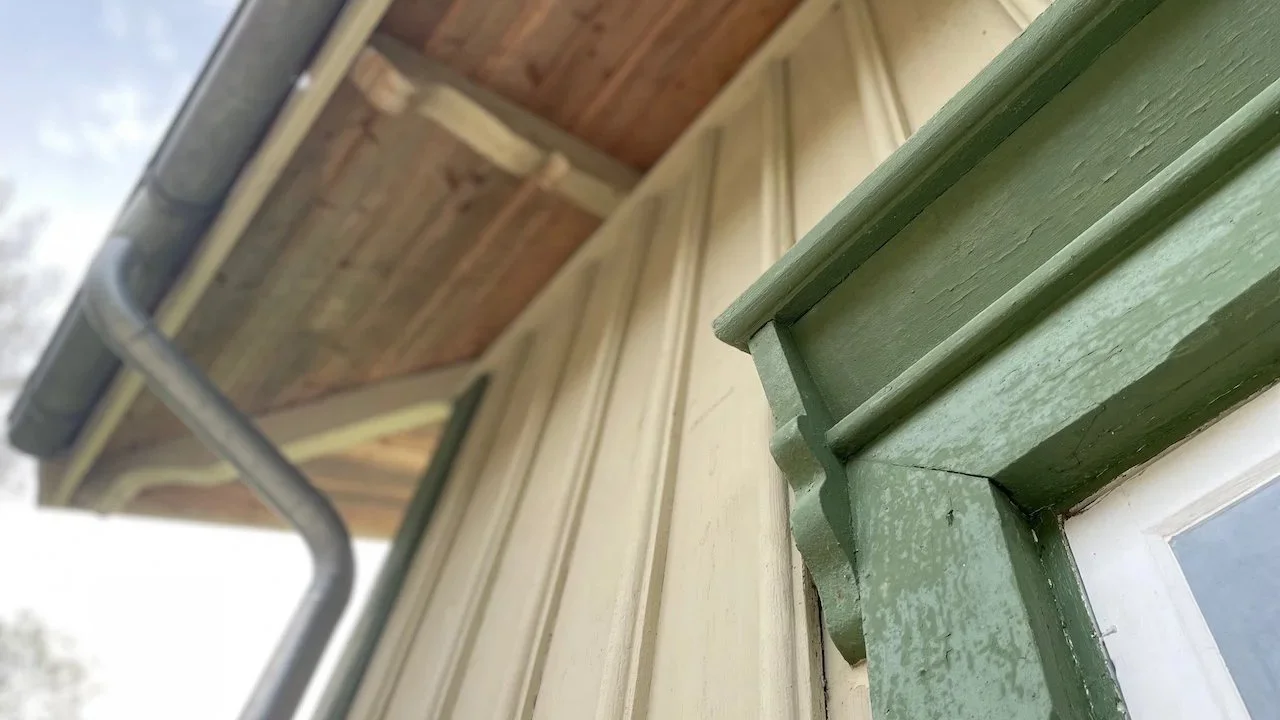
The materials of a building define how it ages, breathes, and endures. Among them, linseed oil paint plays a central role in traditional construction.
Historic buildings are shaped by materials that work with nature rather than against it. Understanding these materials is essential to historic renovation principles, where compatibility and continuity guide every decision.
Materials & Linseed Oil Paint
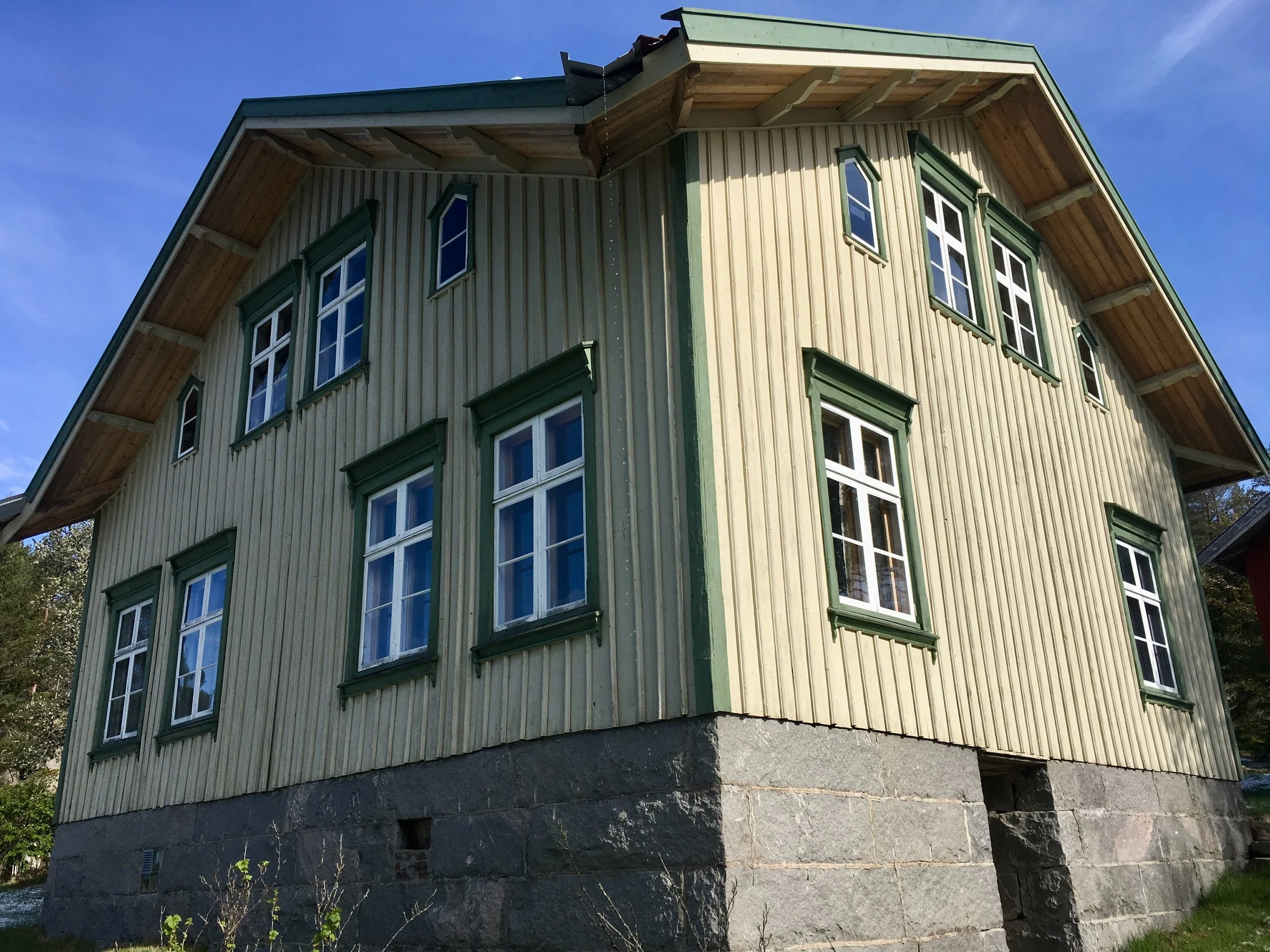
Unlike modern synthetic solutions, traditional materials are permeable and responsive. They allow moisture to move through the structure, reducing long-term damage and supporting the natural behaviour of timber.
This is particularly important in buildings like this, as described in the history of the farmstead, where construction relied on locally available resources.
What Makes Traditional Materials Different
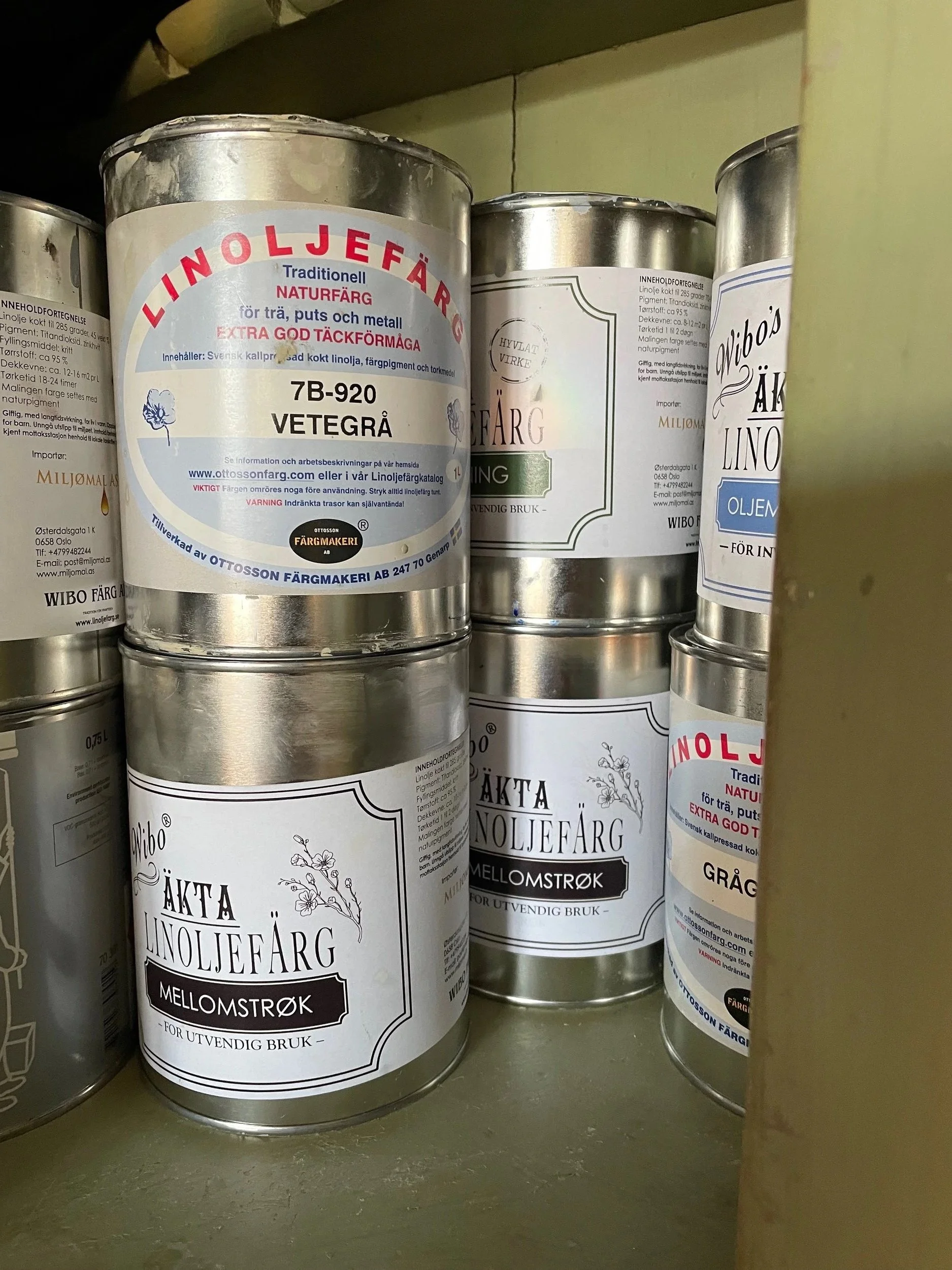
Linseed oil paint differs fundamentally from modern coatings. Instead of forming a sealed layer, it penetrates the wood, protecting it from within while allowing it to breathe.
This behaviour makes it particularly suited for preserving authentic features, where original materials require compatible treatments.
Linseed Oil Paint – How It Works

Over time, surfaces accumulate layers that tell a story. Each coat reflects a moment, an aesthetic choice, a repair, or a use- change.
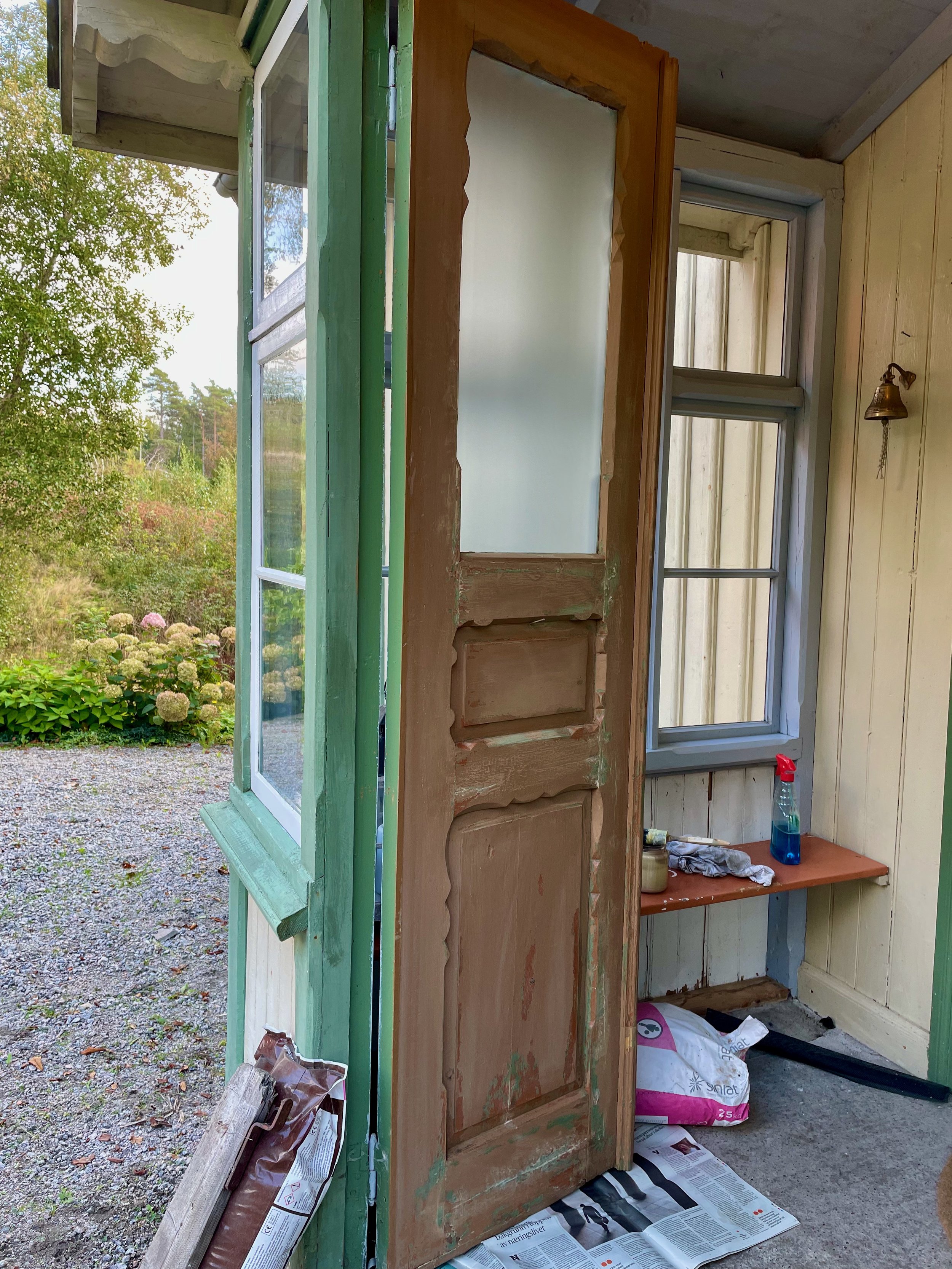
When carefully uncovered, these layers provide insight into both material behaviour and historical context, often revealed during the process of restoring the past.
Working with the Existing Structure
Materials cannot be chosen in isolation. Their performance depends on how they interact with the structure as a whole. Using modern, impermeable coatings on traditional timber can trap moisture and accelerate decay.
Working instead with breathable systems, such as linseed oil Paint ensures continuity with the building’s original construction and supports a balanced approach to modernization and renovation. These are the clear benefits of using linseed oil paint in every historic-home restoration.
Compatibility with the Structure
Detail Focus
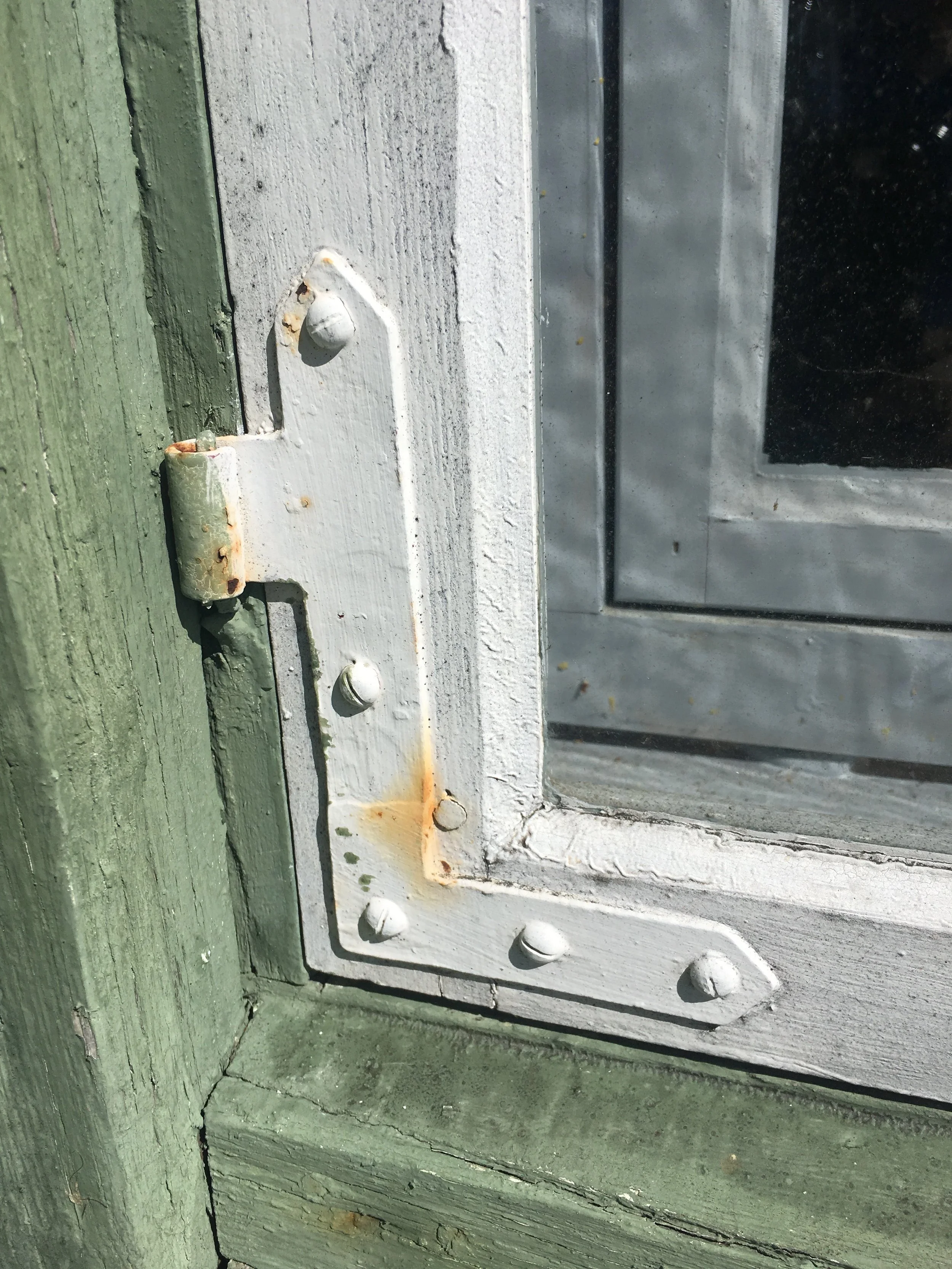
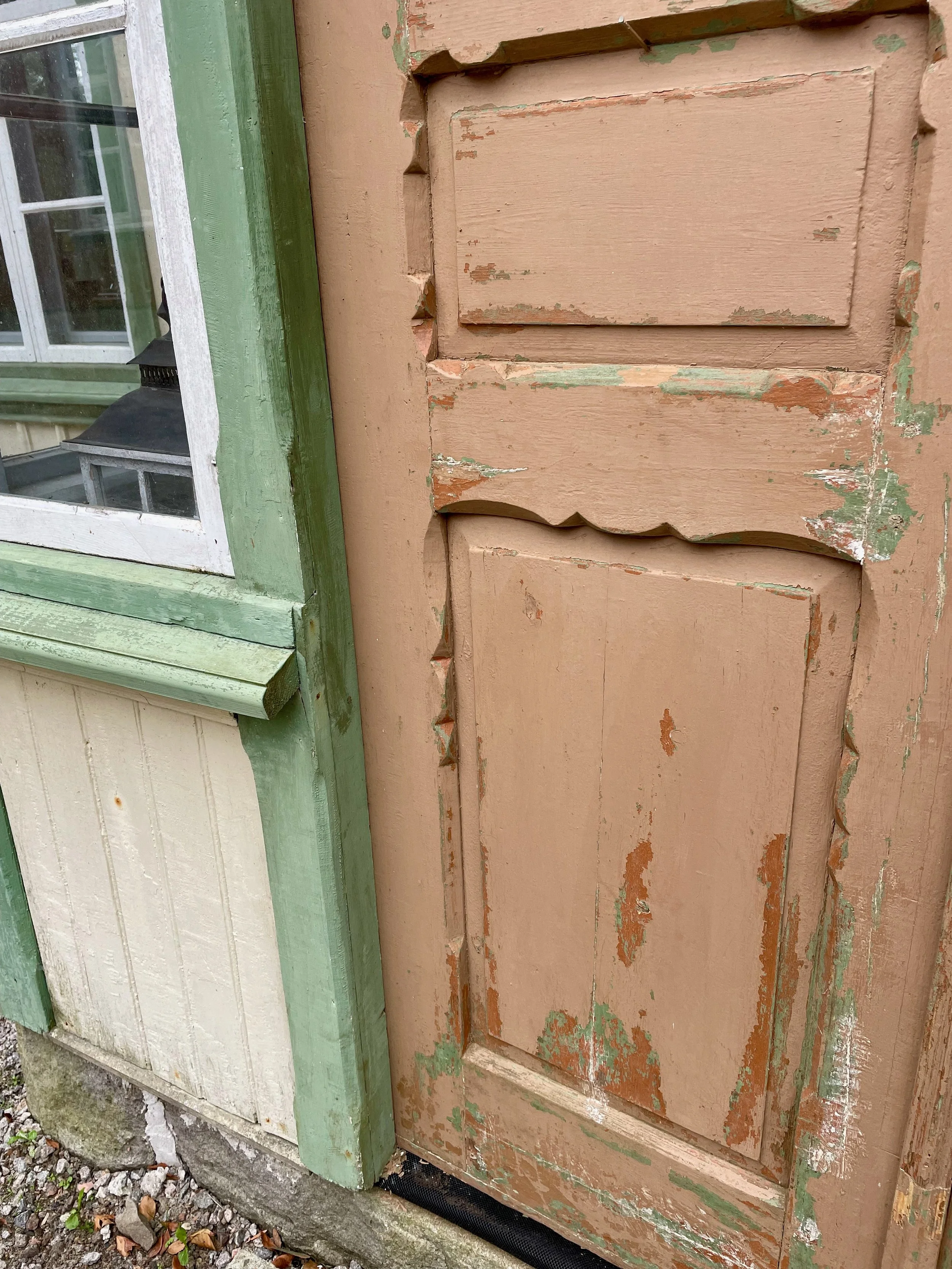
The effect of materials is often most visible in the details. Subtle variations in texture, sheen, and ageing contribute to the overall character of the building, qualities that are inseparable from its authentic features.
Article: Tips Restoring Old Windows →
Article: Traditional Nordic Linseed Oil Paint →
Article: Step-by-Step: Painting with Linseed Oil →
Next: Explore Modernization & Renovation→
Back to: Restoring the Past→