Renovating the Old Staircase
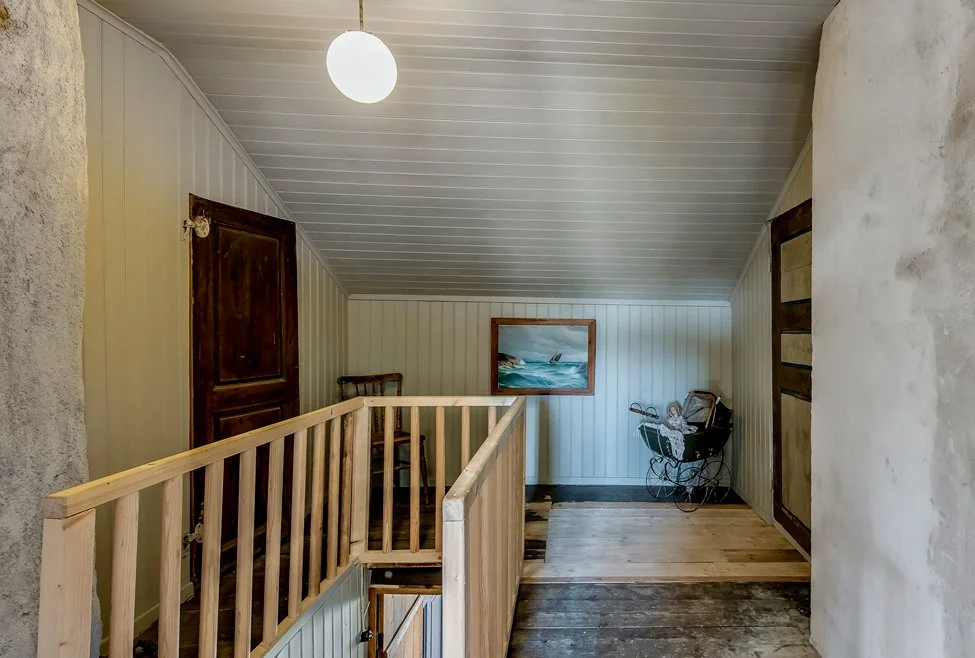
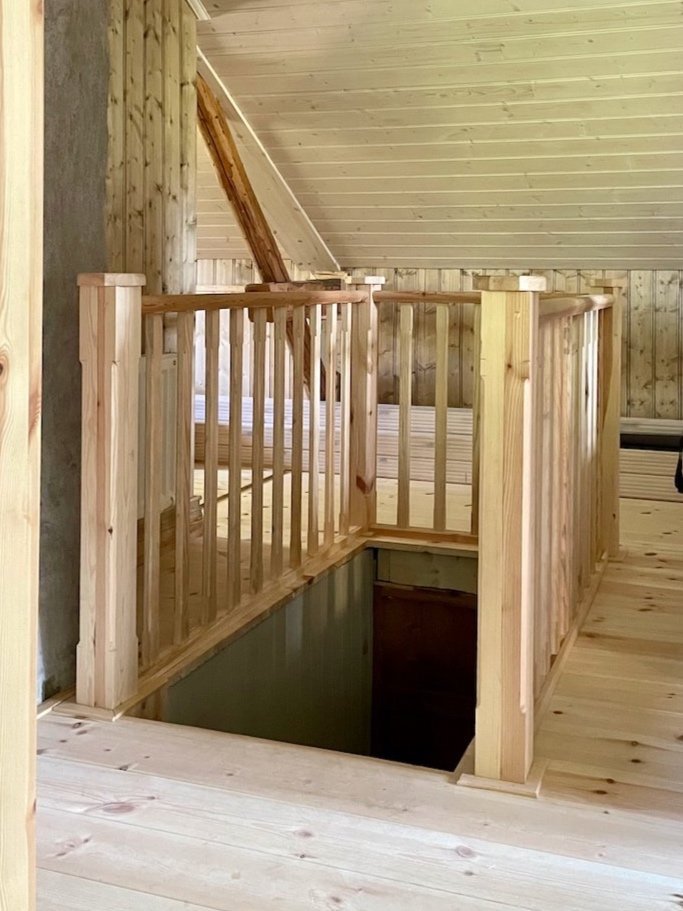
It became a necessity, with safety and aesthetics at the forefront of considerations. The staircase needed to offer secure passage, ensuring stability with every step.
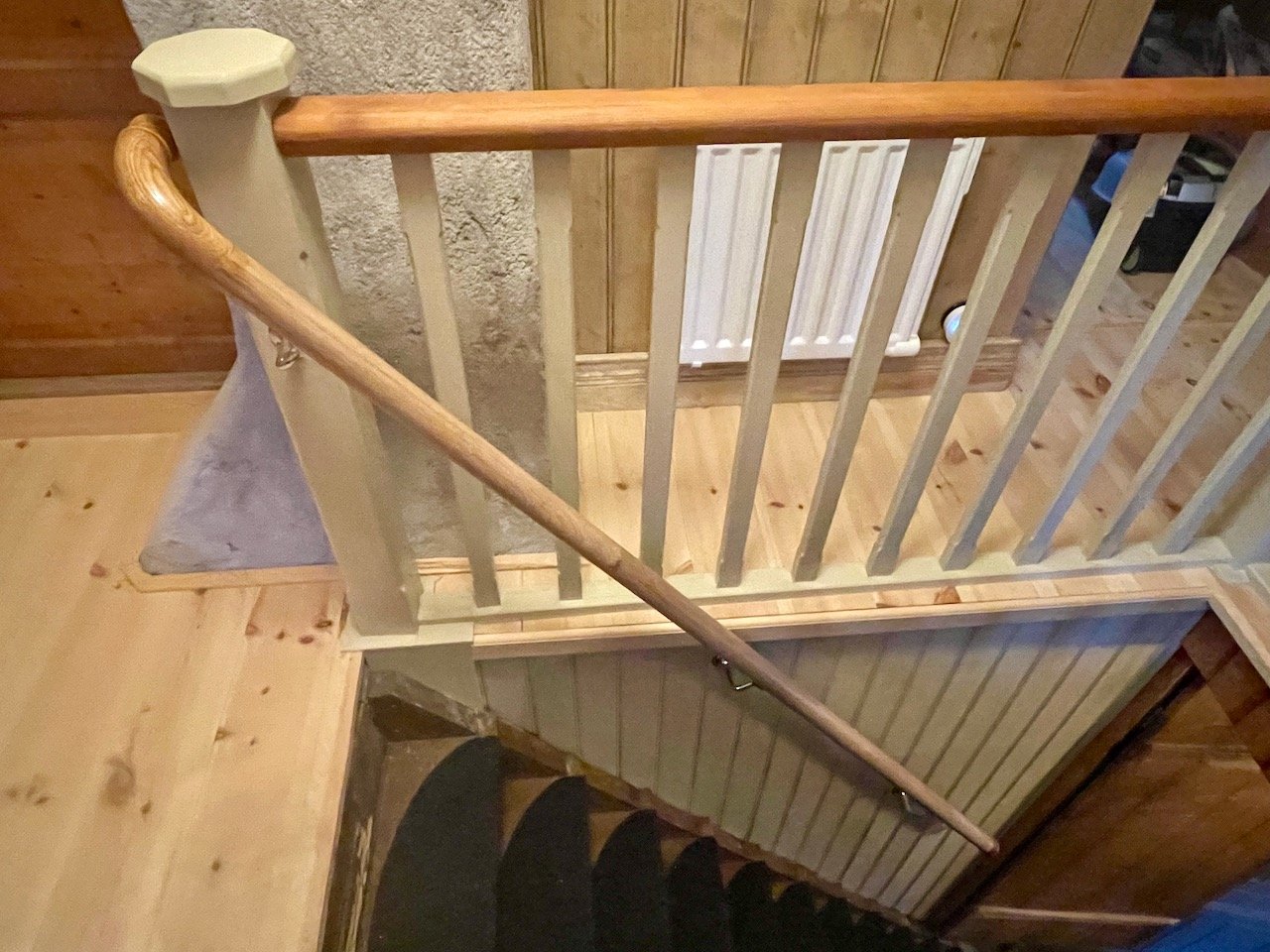
The new design prioritized safety and stability by eliminating any wobbly components. A revised baluster design was planned and implemented to achieve this goal while harmonizing with the historic charm of the old house.
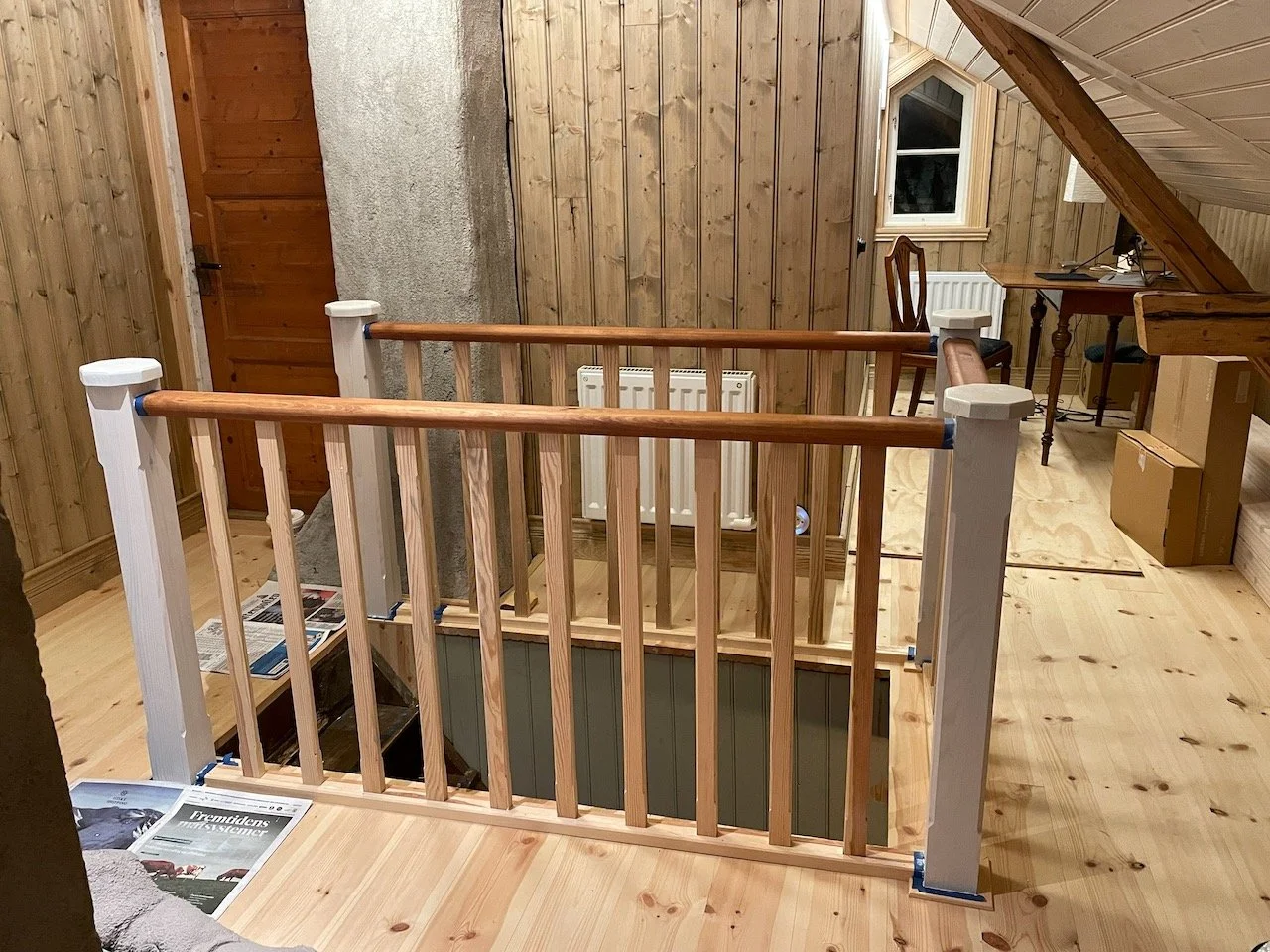
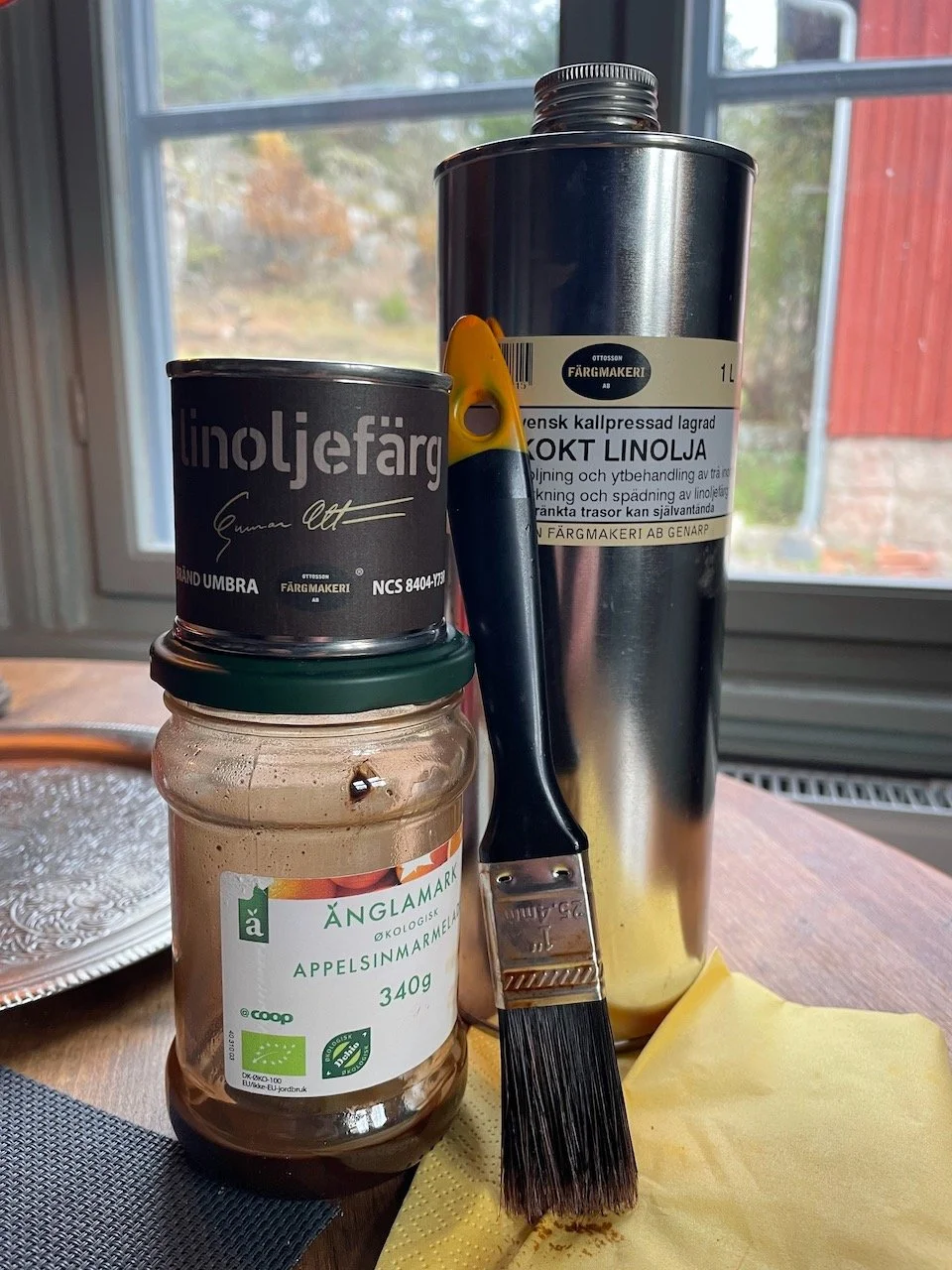
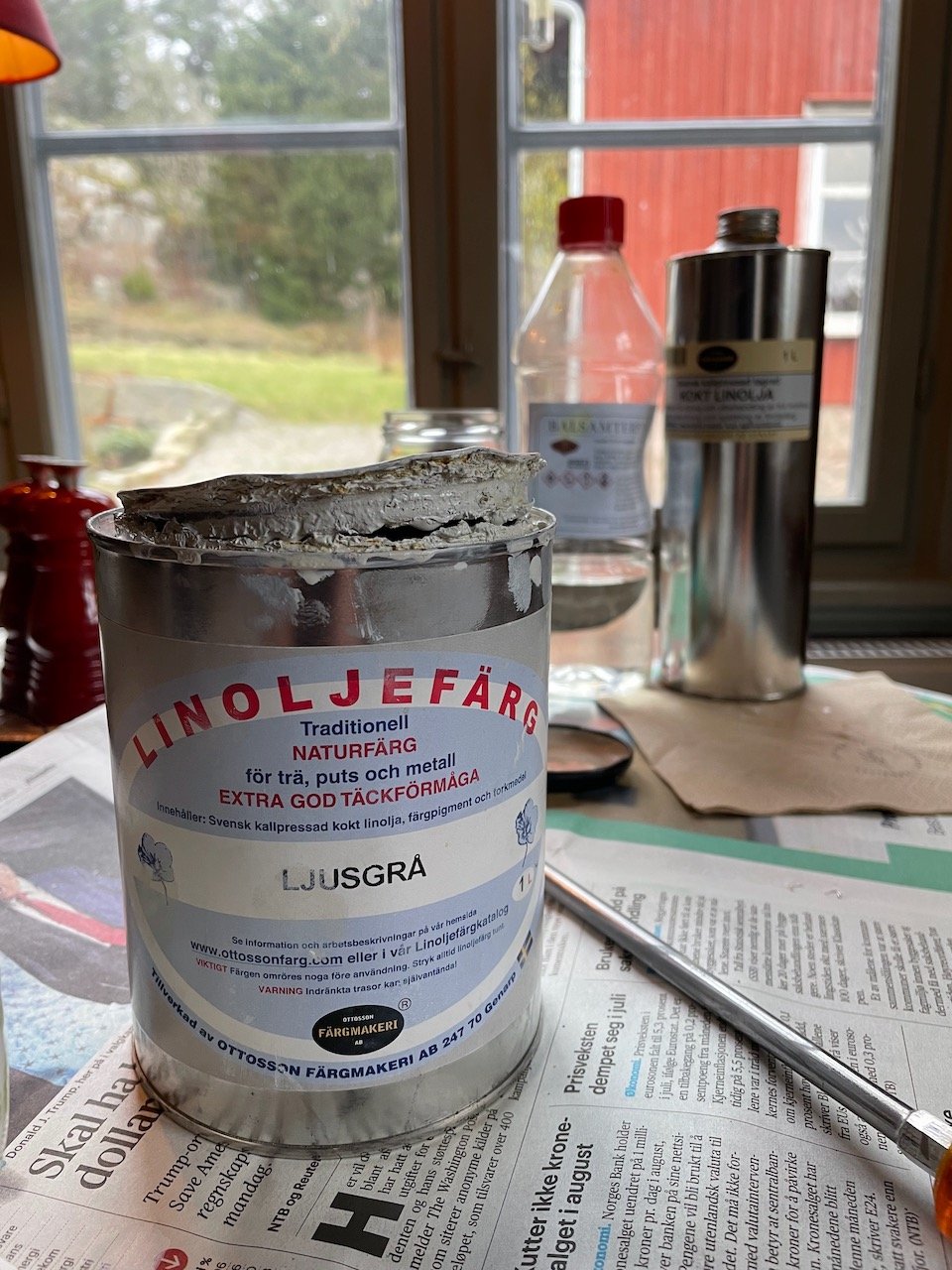
Attention to the finish and seal of the structure was paramount, necessitating some research into old finishes.
Protecting the wood while enhancing its appearance remained a primary concern throughout the renovation process.
Multiple coats of finish were carefully applied, with due consideration given to old painting techniques and sufficient drying time between coats.
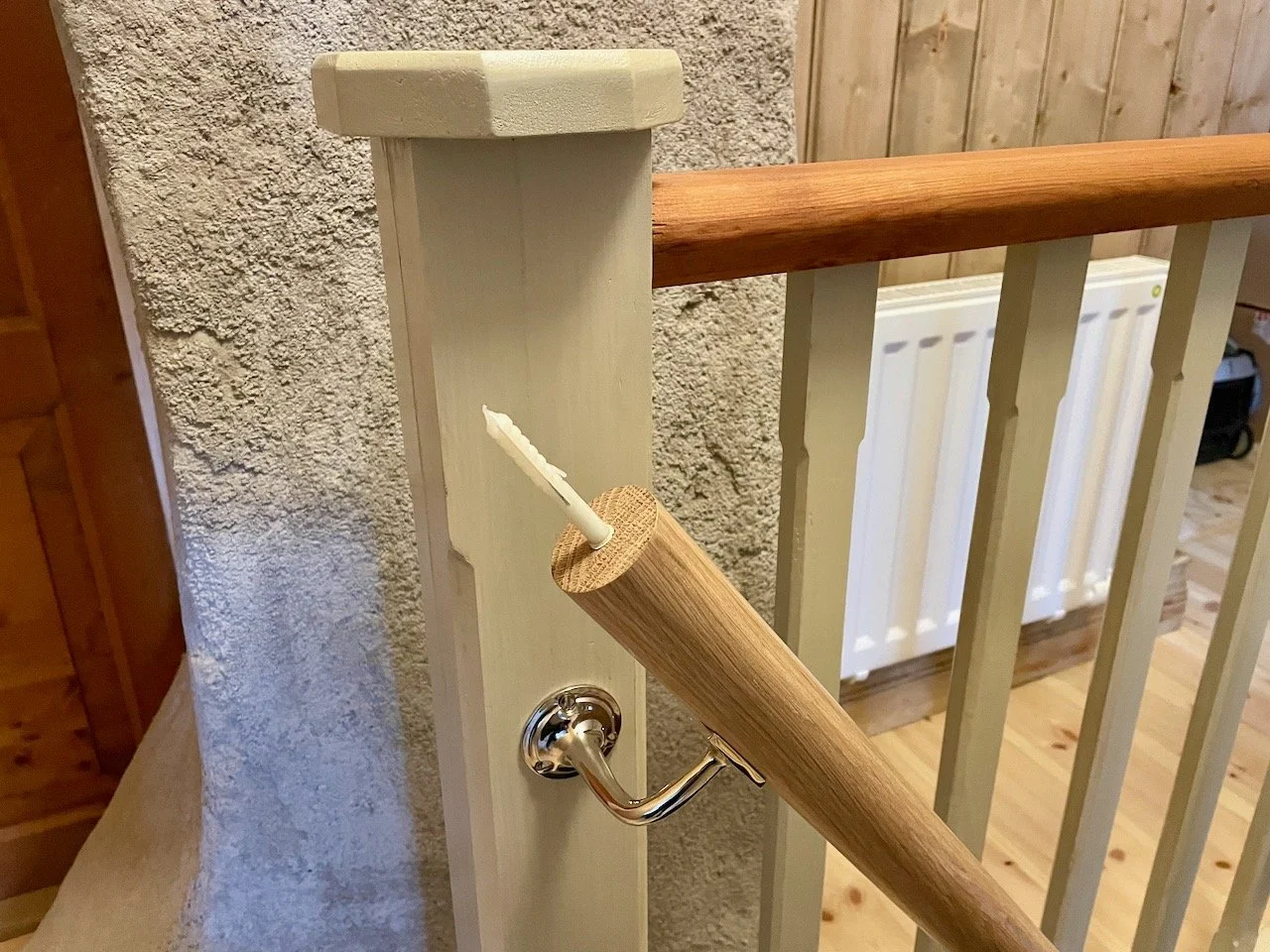
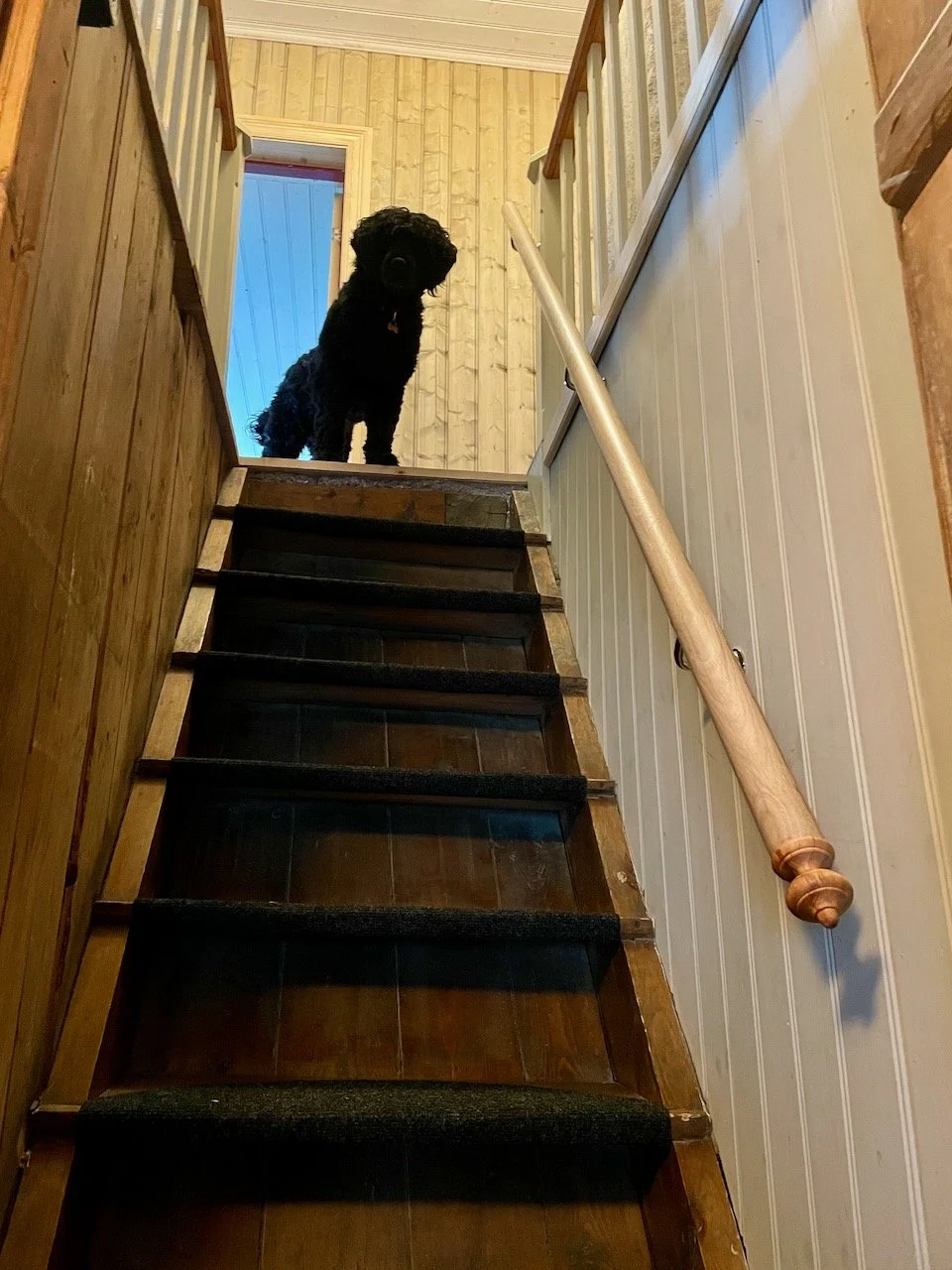
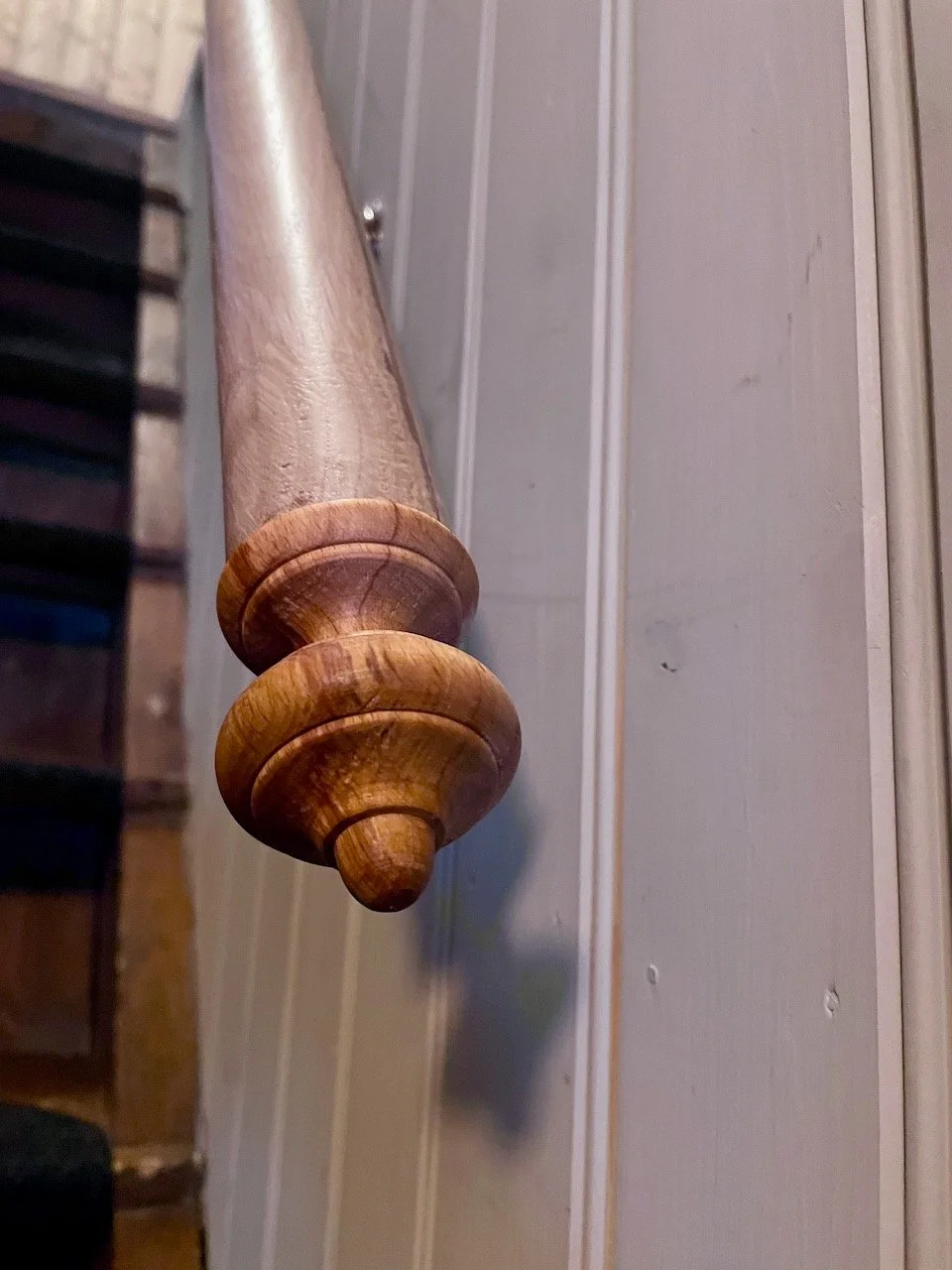
A new handrail, tailored to fit the staircase space, was ordered, taking into account the height from the steps, angle, and fixtures to the wall.
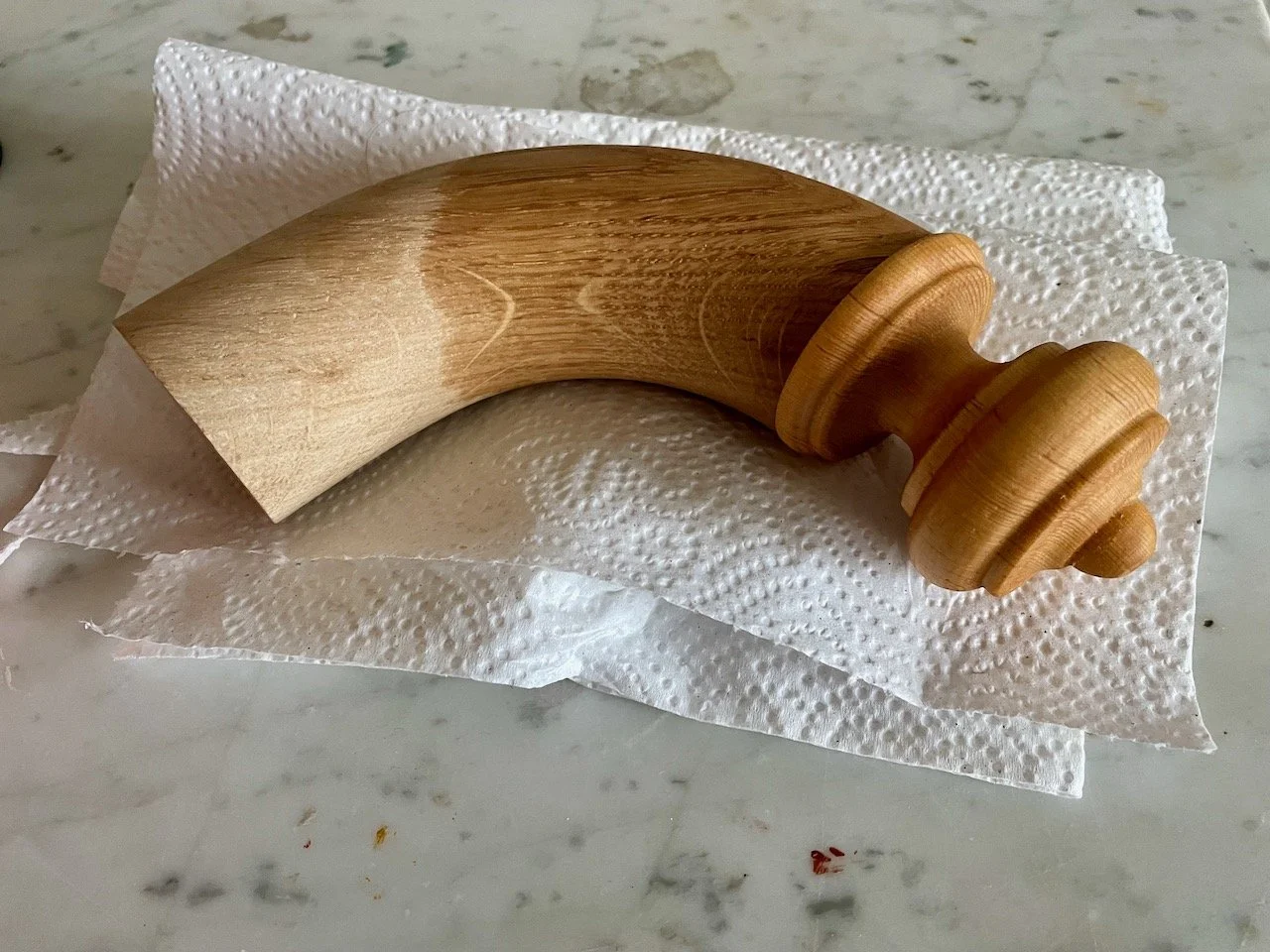
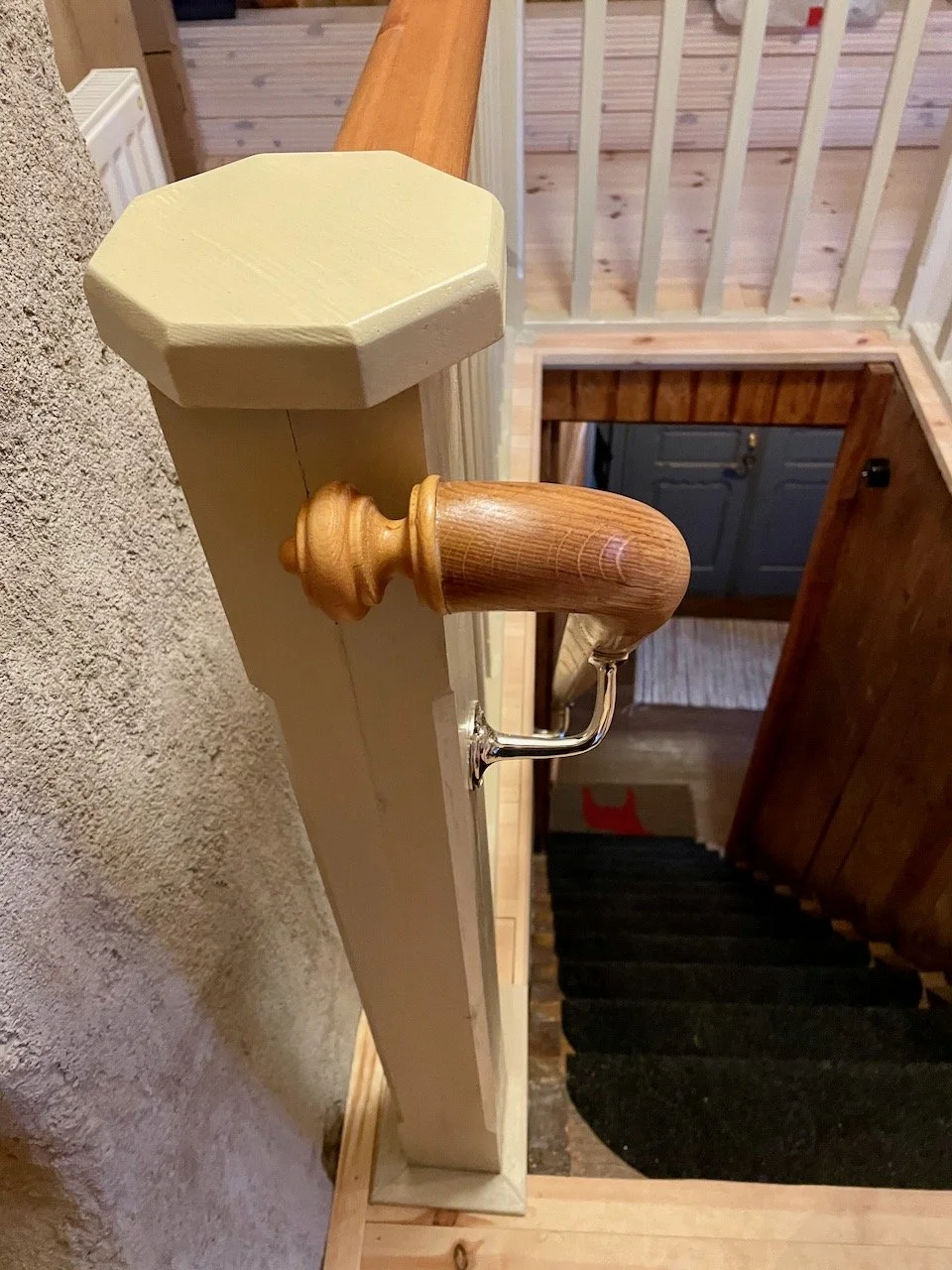
To enhance safety, a handrail bend was installed at the top of the staircase to prevent bag handles from accidentally catching during descent, and classic brackets and handrail ends were carefully put in place.
Additionally, the inclusion of anti-slip carpets for each step was deemed crucial, particularly given the steep angle of the existing staircase.