Garden Journal: July
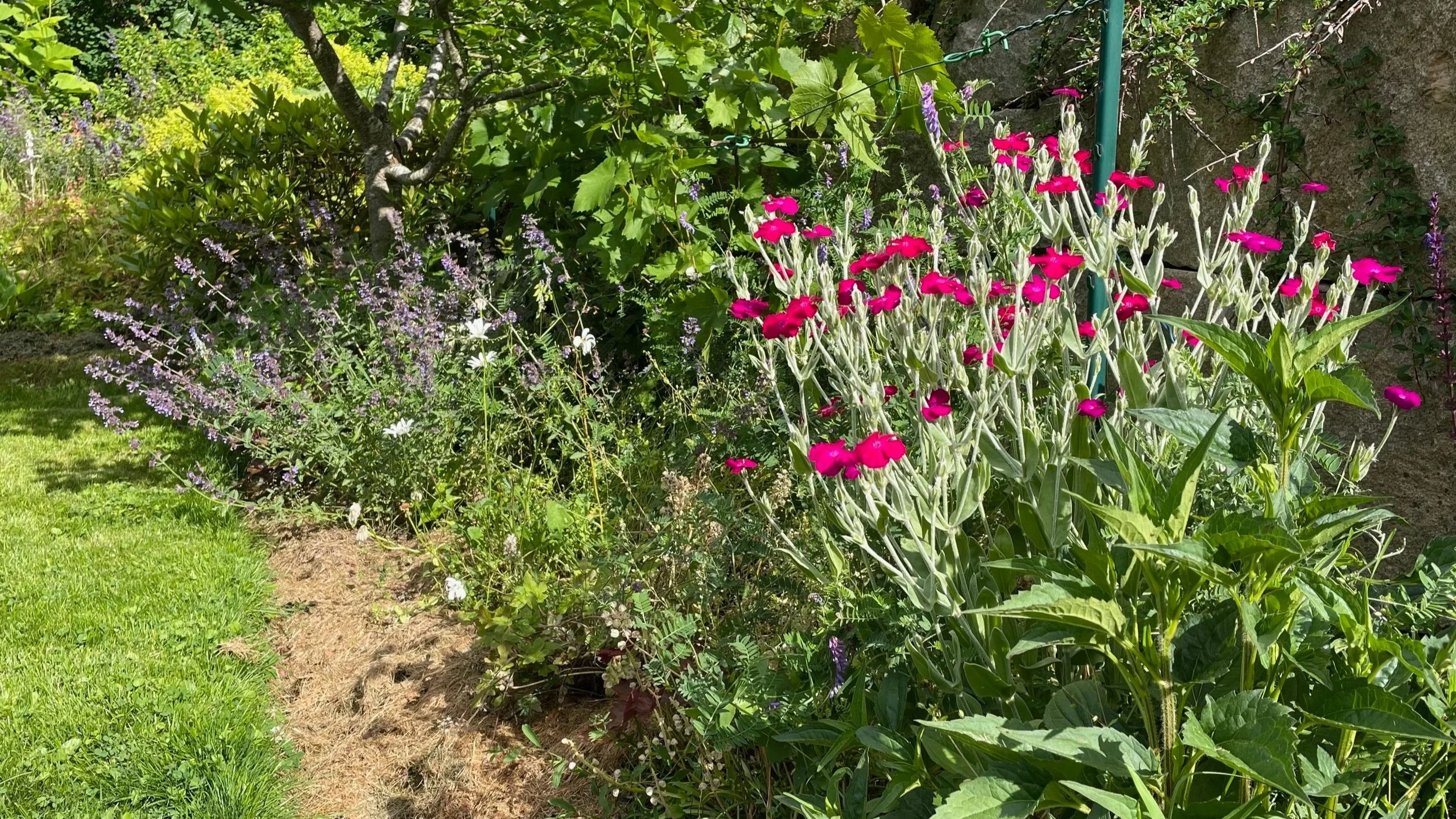
Preparing New Flower Beds
Creating new planting areas begins below the surface. While extending one of the shrub and perennial borders, careful attention was given to improving the soil before planting. Healthy, well-drained soil provides the foundation for strong root development, while firm planting helps trees, shrubs, and perennials establish securely.
The unusually dry summer also reinforced the importance of consistent watering during a plant's first growing seasons. Even hardy Nordic plants benefit from regular moisture while becoming established.
This season has been a reminder that fruit trees follow their own rhythm. Our Ingrid Marie apple tree produced only thirteen apples, a modest harvest compared to previous years. While disappointing, it is not unusual for young or establishing trees to vary significantly from one season to the next.
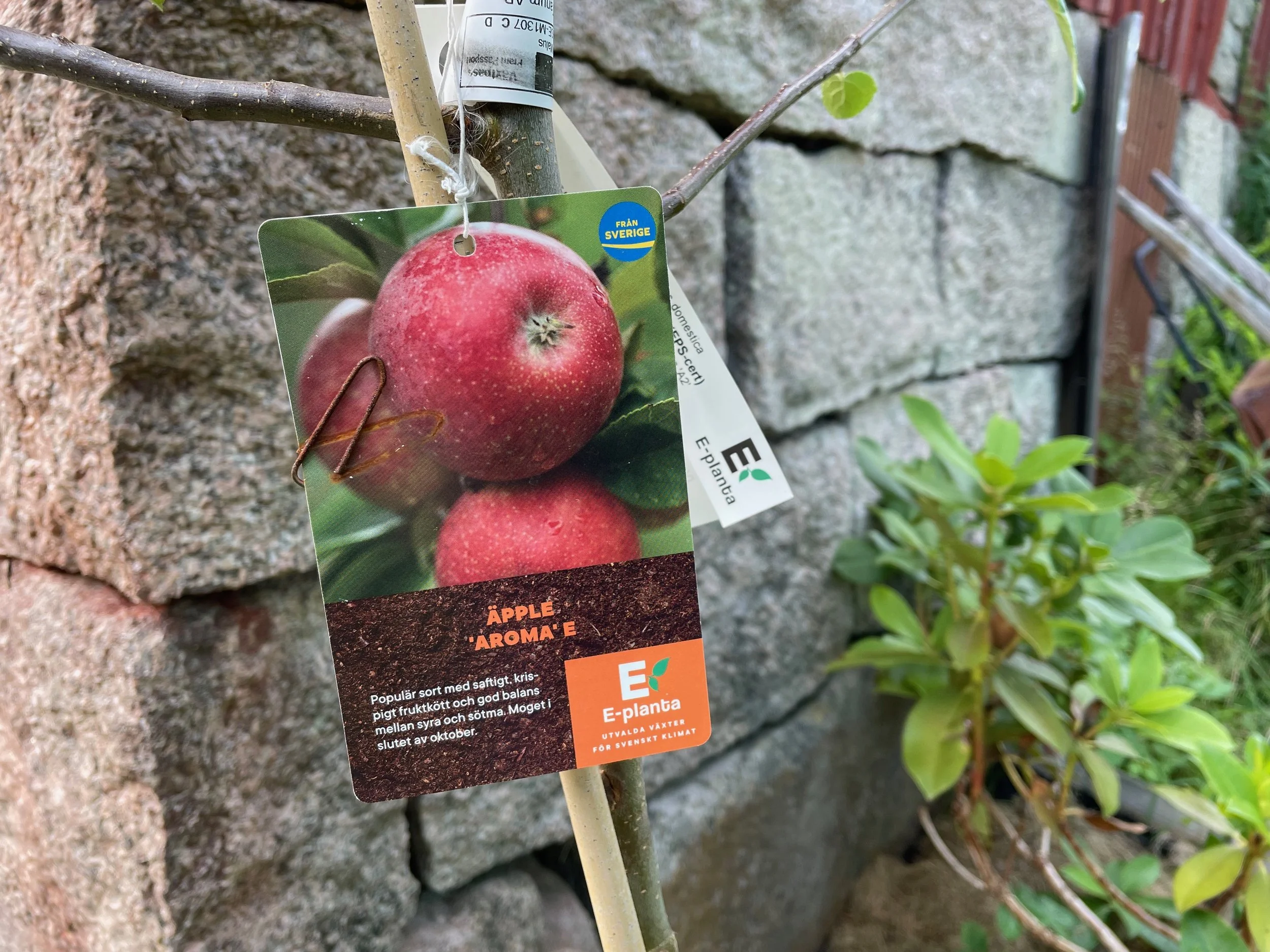
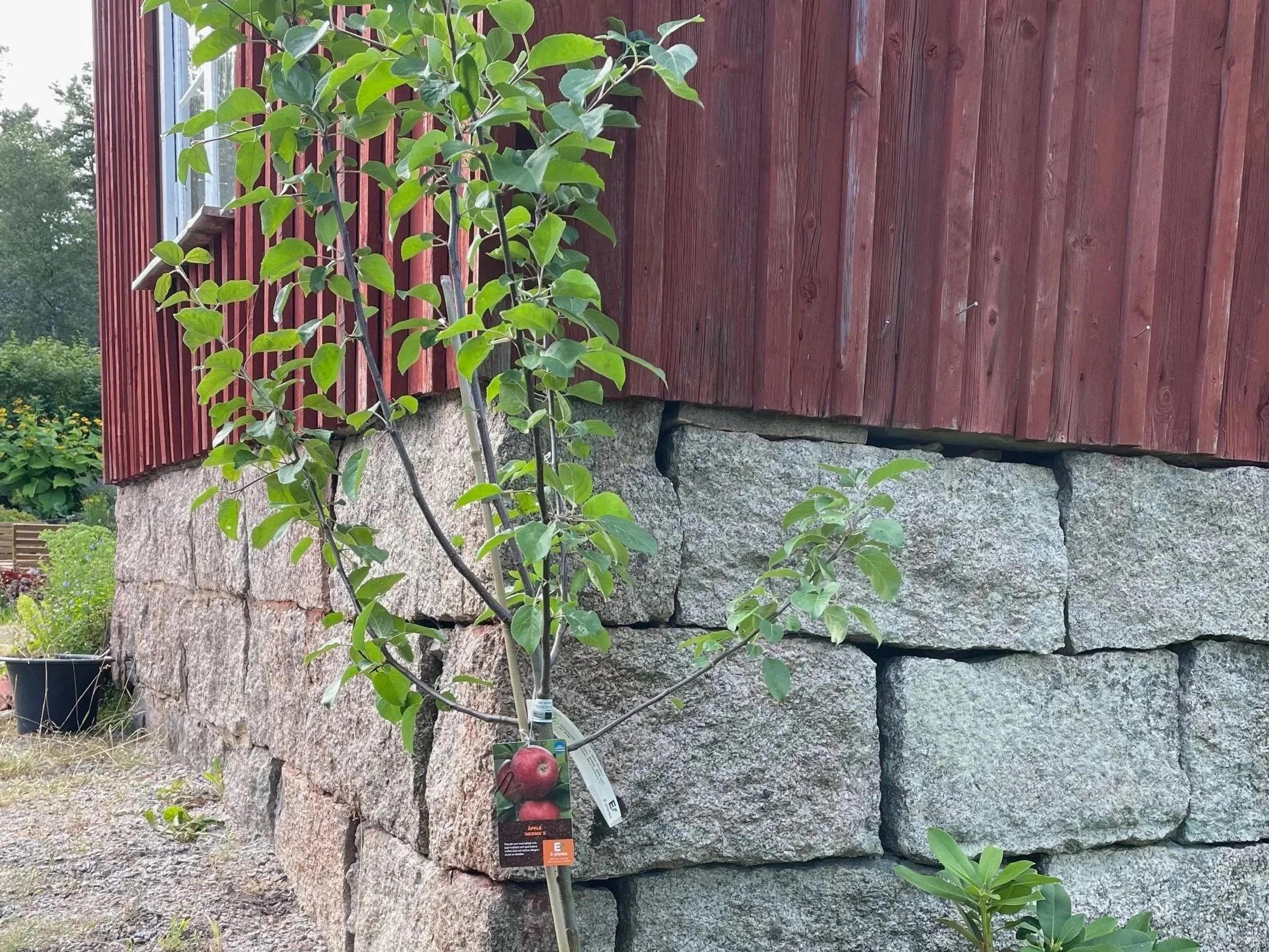
To improve future pollination, we planted an additional Aroma apple tree. As a compatible pollinator, Aroma should help increase fruit set while also adding another reliable Swedish variety to the orchard. Establishing a small mix of compatible cultivars is one of the best long-term investments for a productive Nordic orchard.
Apples – A Year of Patience
Herbs Flourishing in the Kitchen Garden
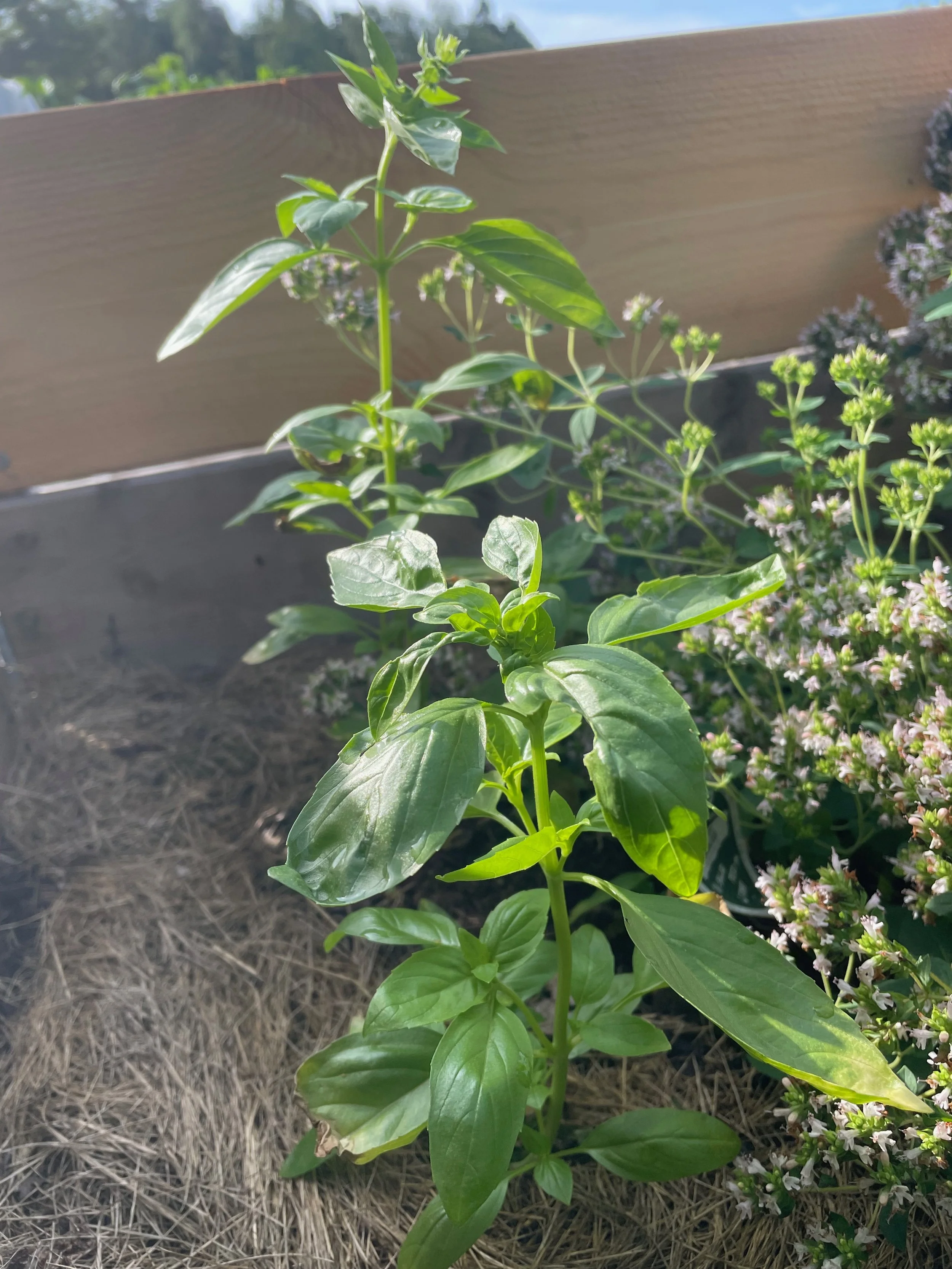
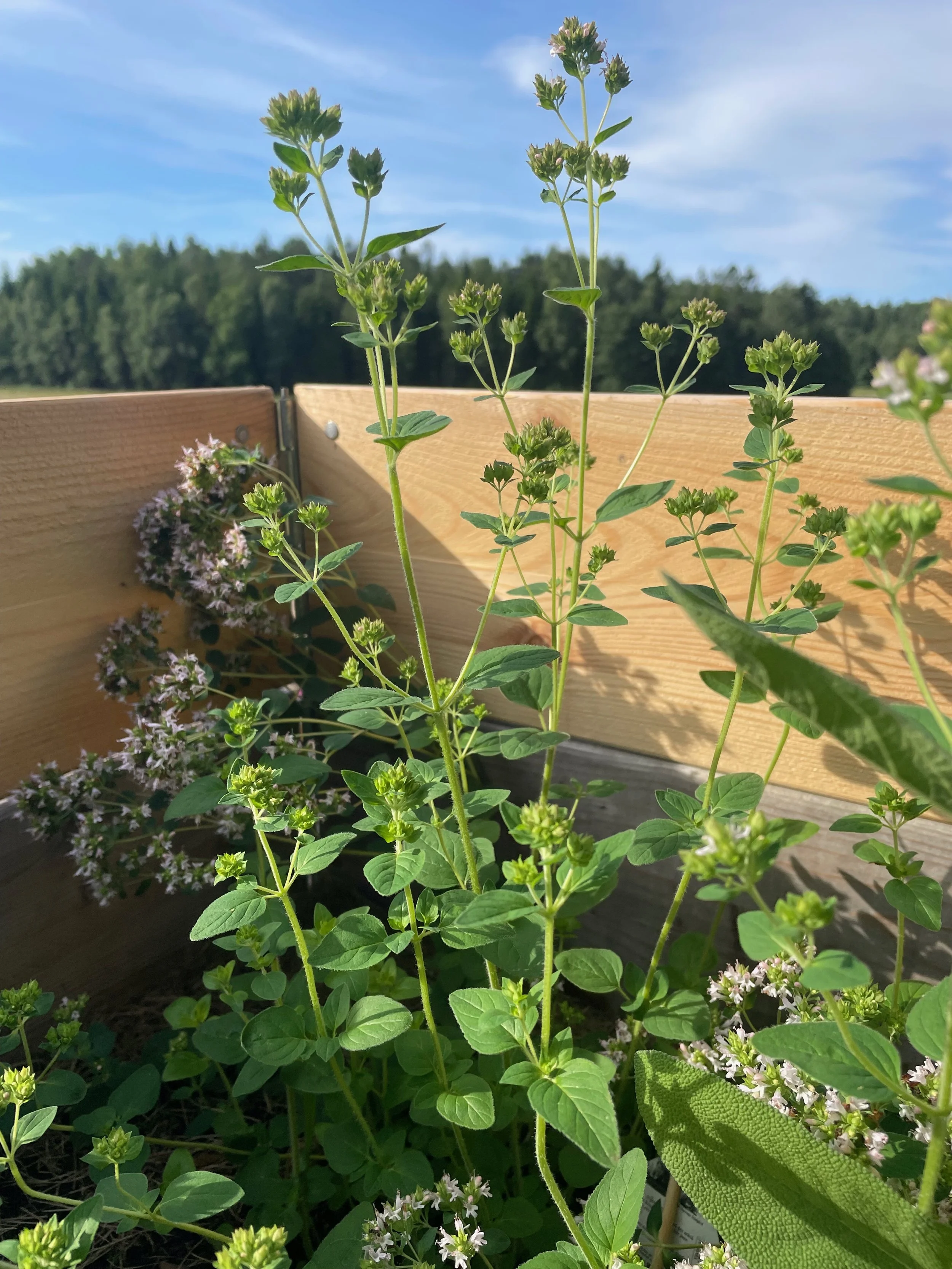
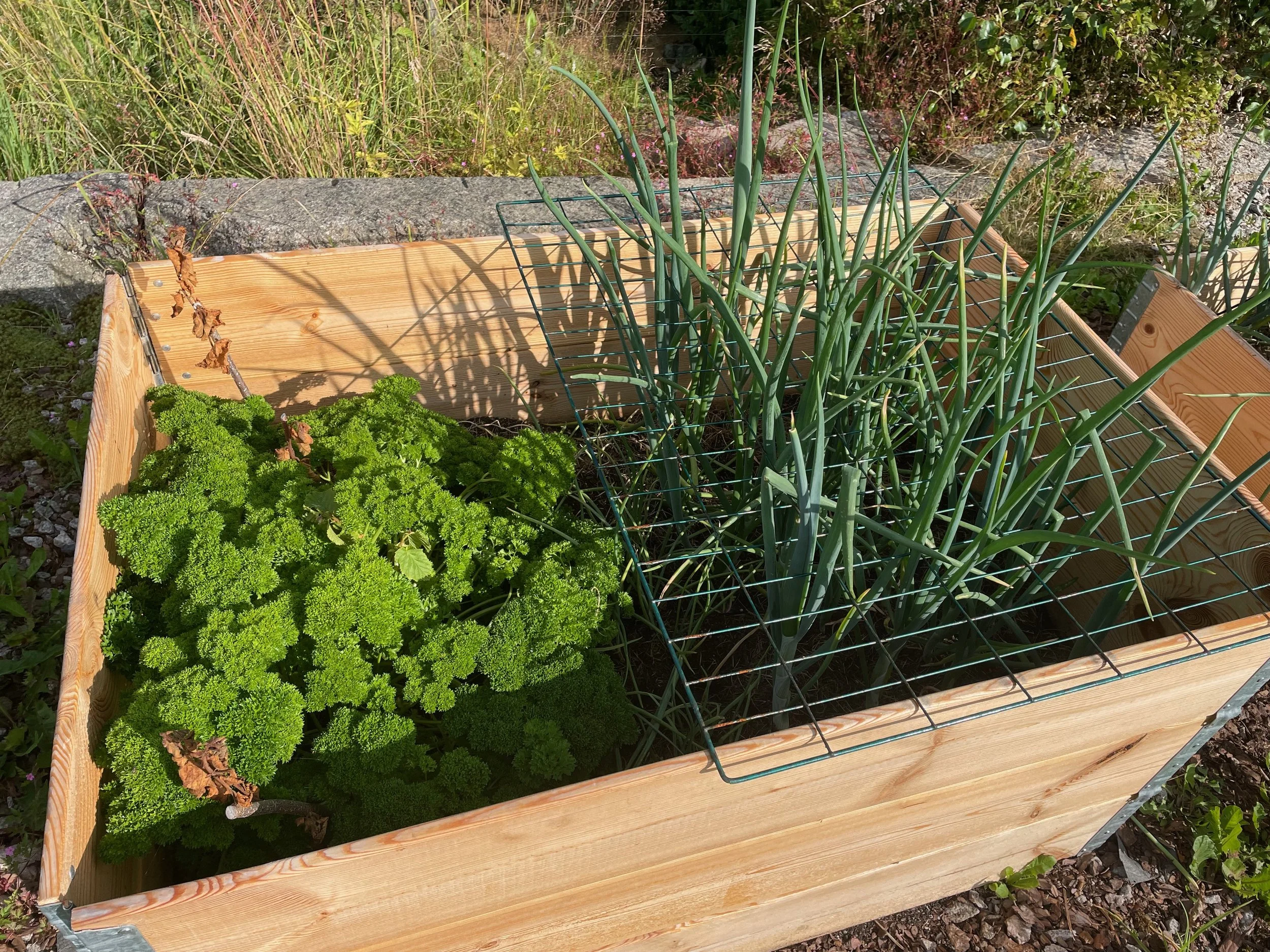
The herb beds have been one of the highlights of the season. Basil, oregano, thyme, and parsley have all grown vigorously, filling and in many places overflowing the raised beds.
One experiment combined herbs with melon in the same bed. While the plants have grown well, it remains to be seen whether this pairing is the most practical, as the melon occupies considerable space and competes with neighbouring herbs.
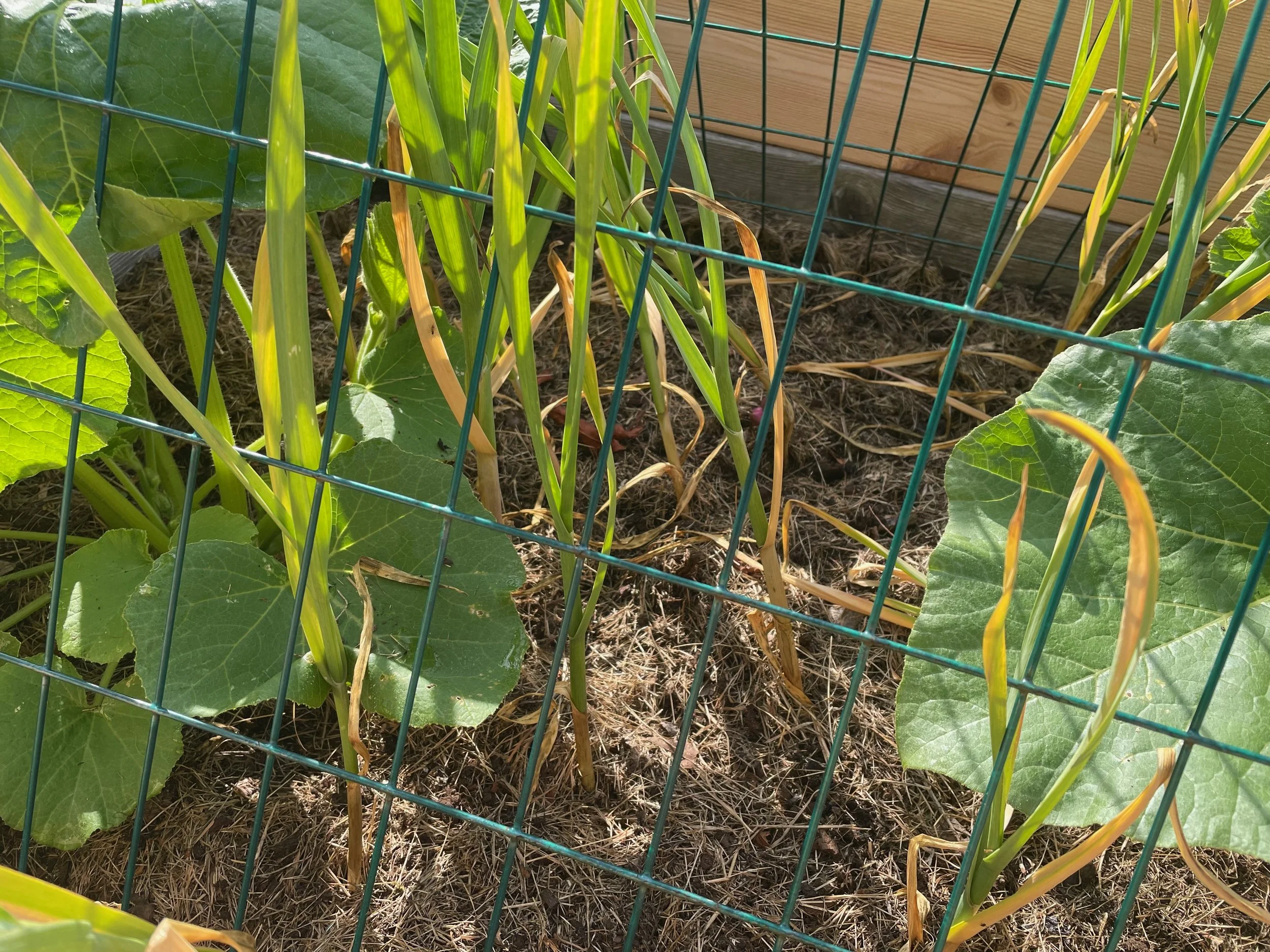
Garlic – A Disappointing Harvest
This year's garlic harvest fell well below expectations. The bulbs remained noticeably smaller than in previous seasons, most likely due to prolonged dry conditions during the period when bulb development is at its peak.
Adequate watering during late spring and early summer is essential for producing large, healthy bulbs, making irrigation an important consideration for future growing seasons.
Onions Showing Promise
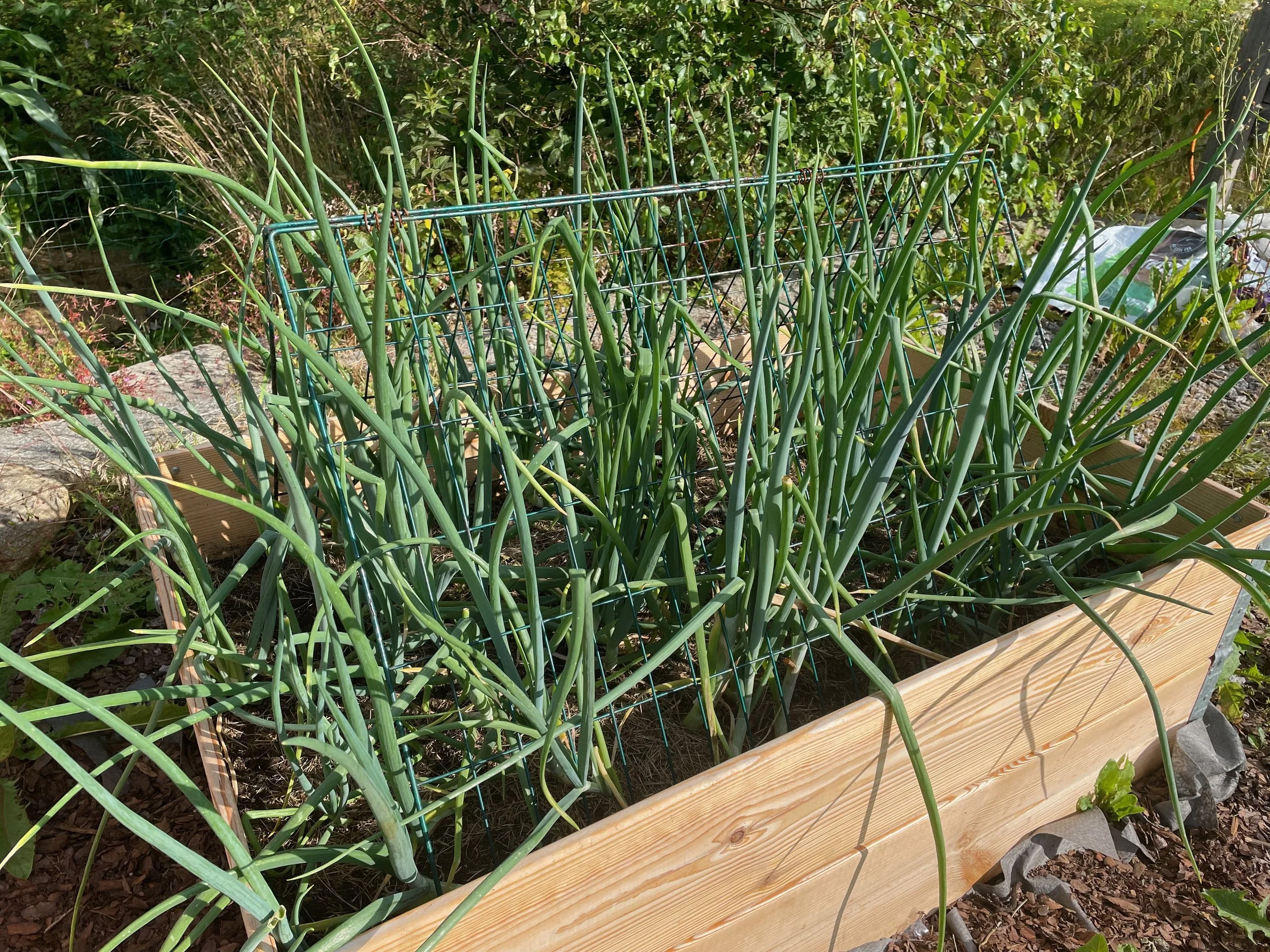
The onions have generally performed well and developed into healthy bulbs. A small number were damaged by late frosts early in the season, but the remaining crop has continued to mature successfully and should provide a good harvest.
Squash, Cucumbers and Self-Seeded Tomatoes
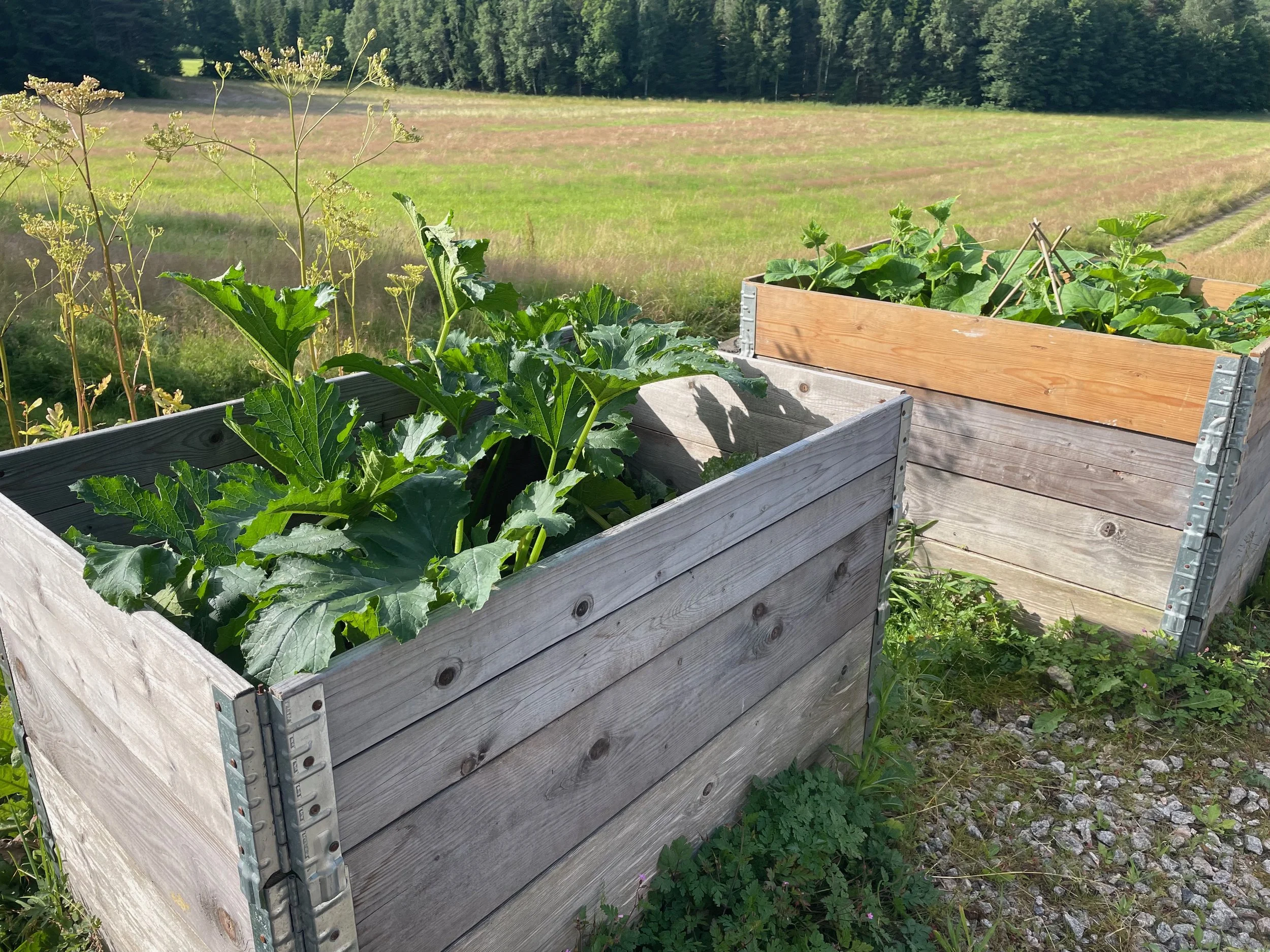
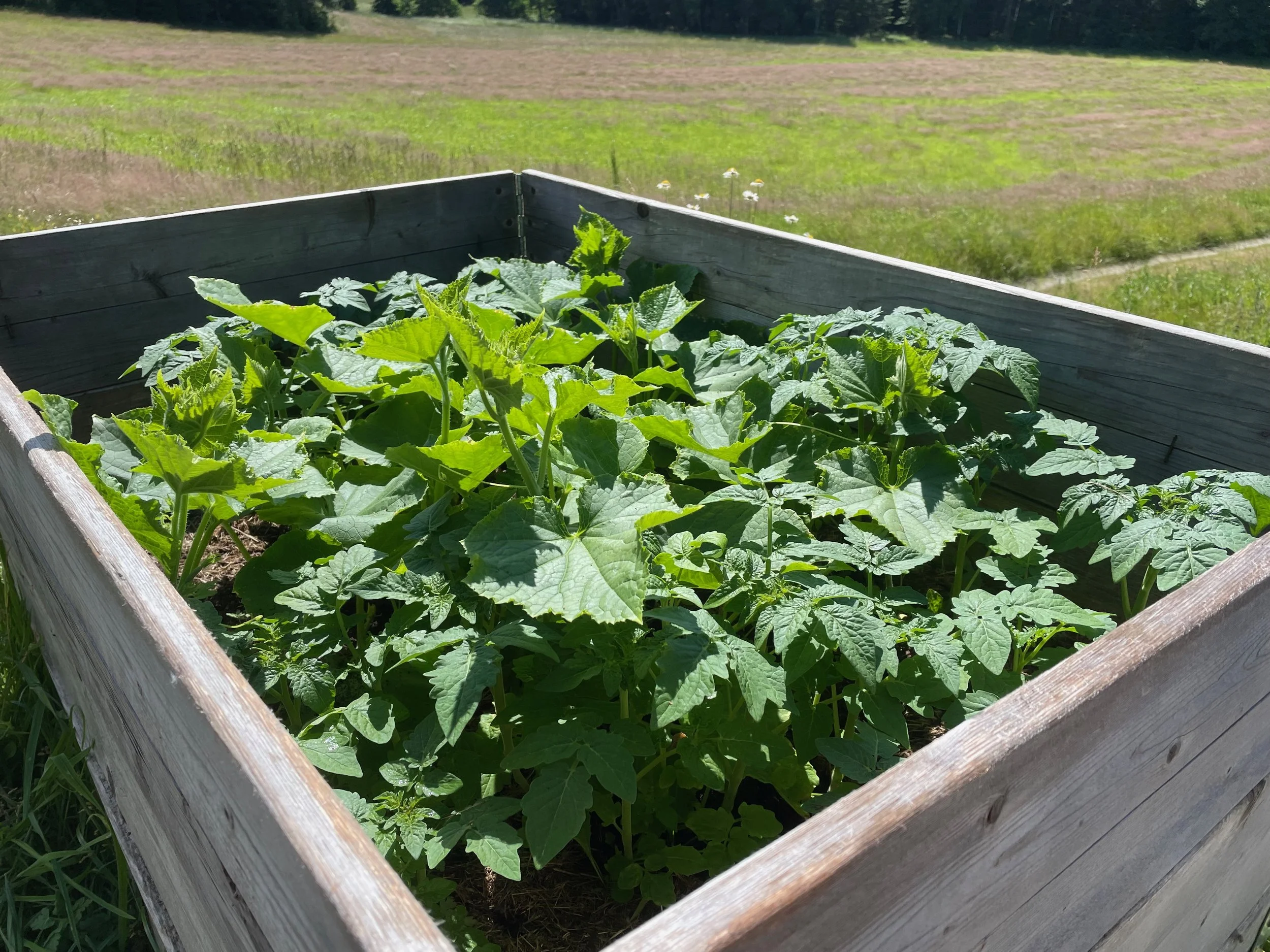
The vegetable garden has rewarded us with an abundant crop of squash and cucumbers, both of which have thrived throughout the summer.
Several tomato plants also appeared unexpectedly after self-seeding from the previous year. While most are still developing, one vigorous plant has already begun producing ripe tomatoes, demonstrating how easily some varieties can establish themselves when conditions are favourable.
Pears and Plums Looking Ahead
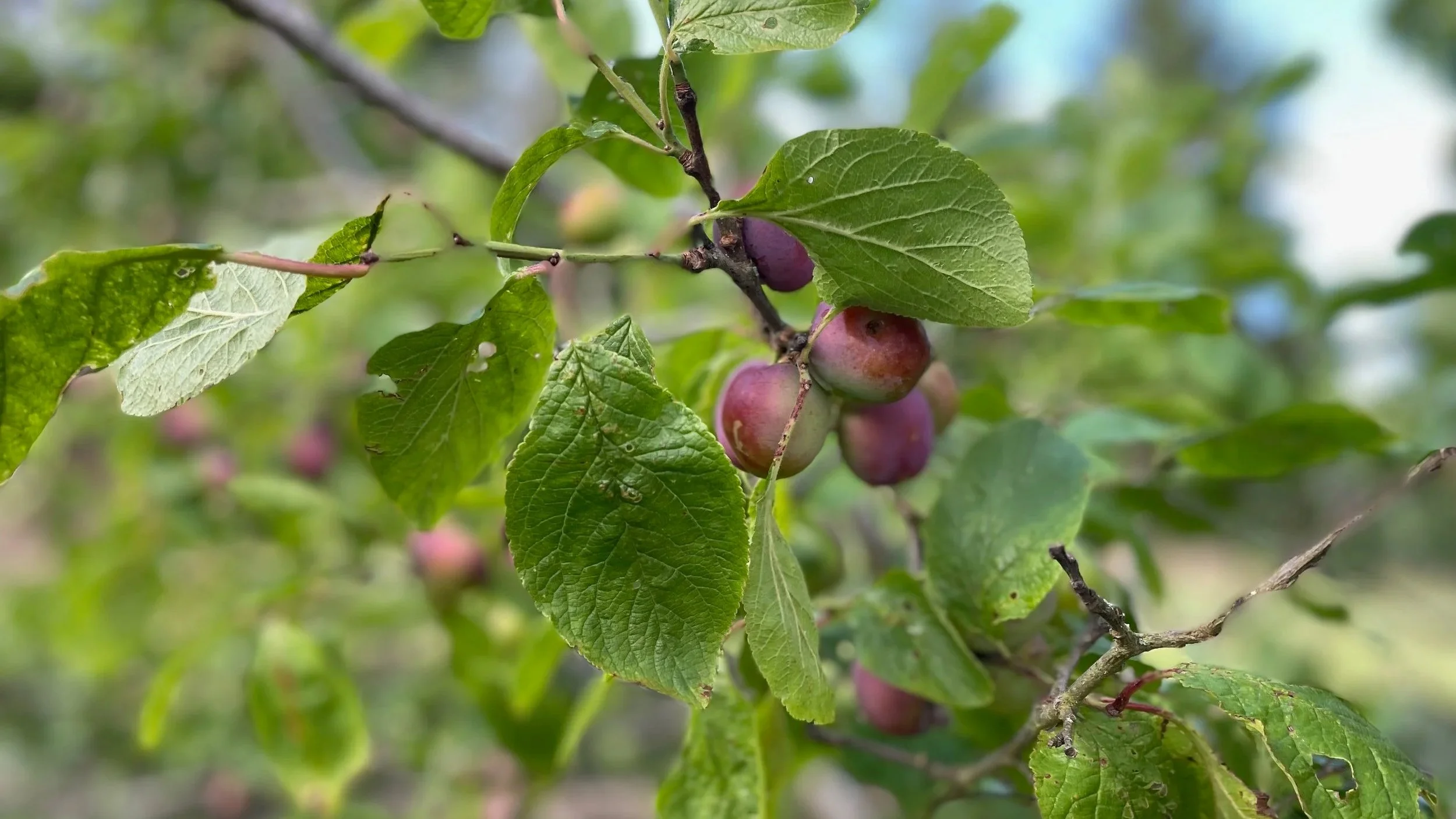
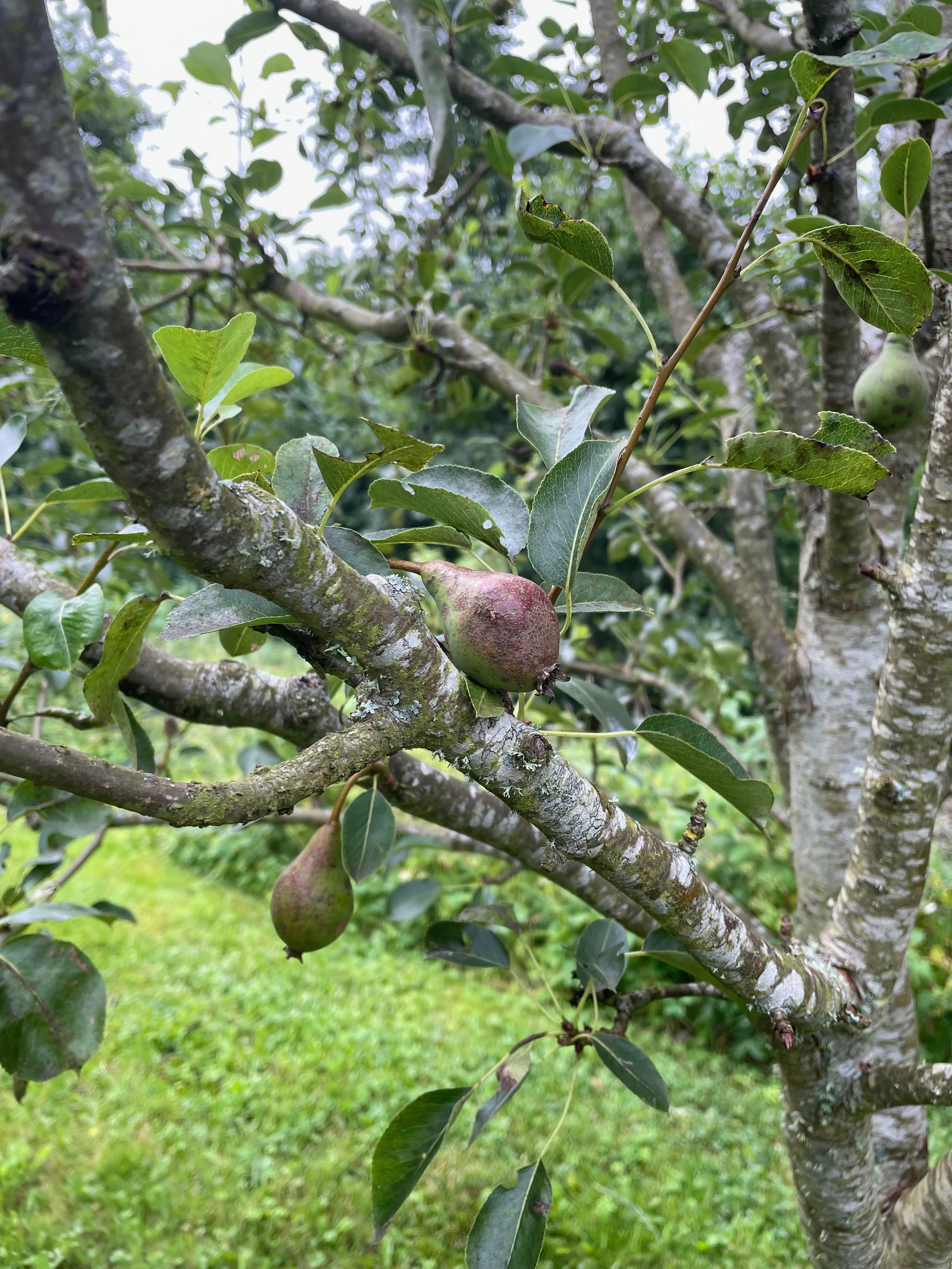
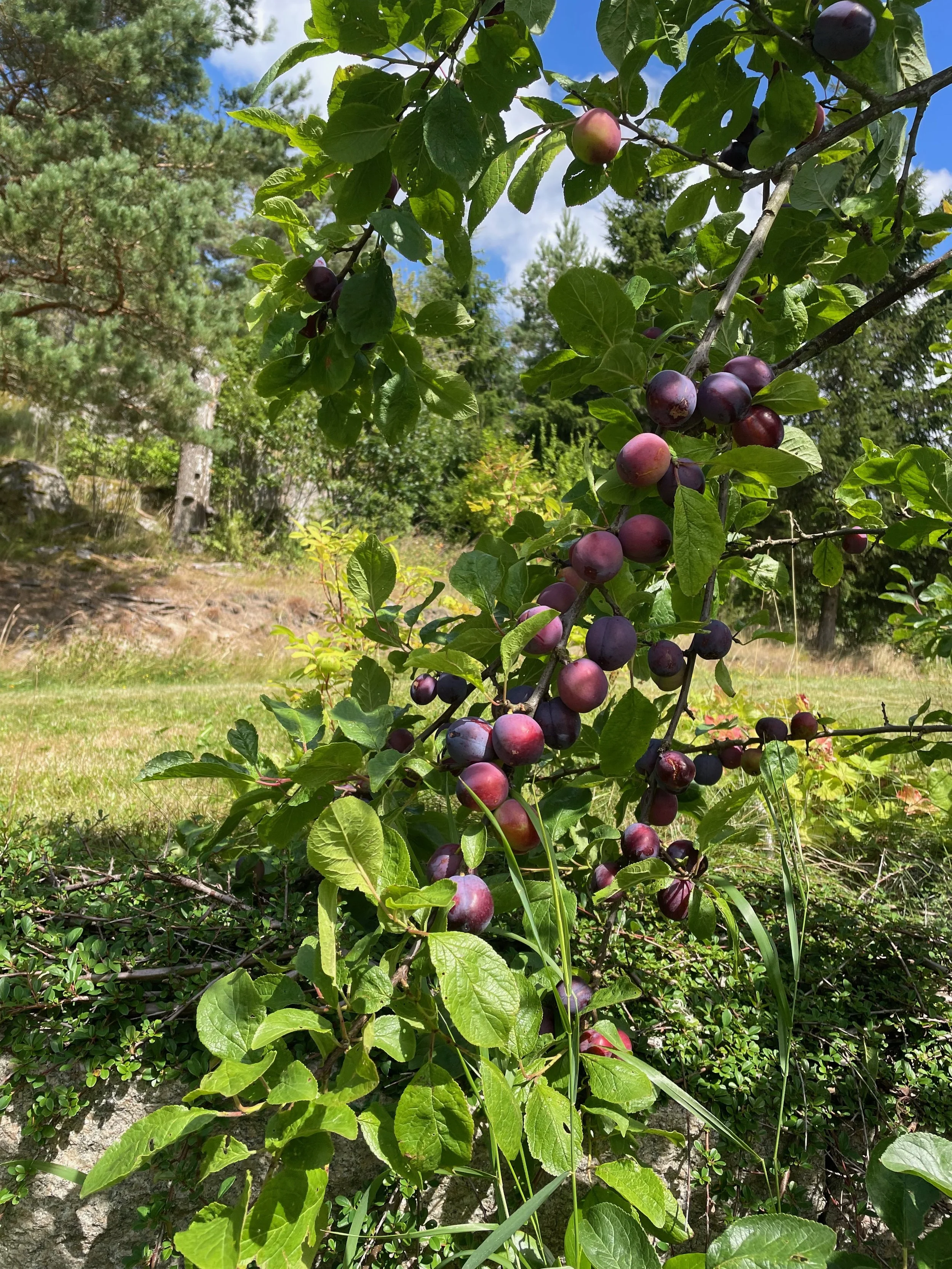
While the apple harvest has been modest, both the pear and plum trees are carrying heavy crops this year. Their branches are filled with developing fruit, promising an abundant harvest later in the season.
As with much of Nordic gardening, every year tells a different story. Some crops exceed expectations while others require patience, but together they reflect the natural rhythm of growing in a northern climate.
Sweet Corn Showing Great Promise
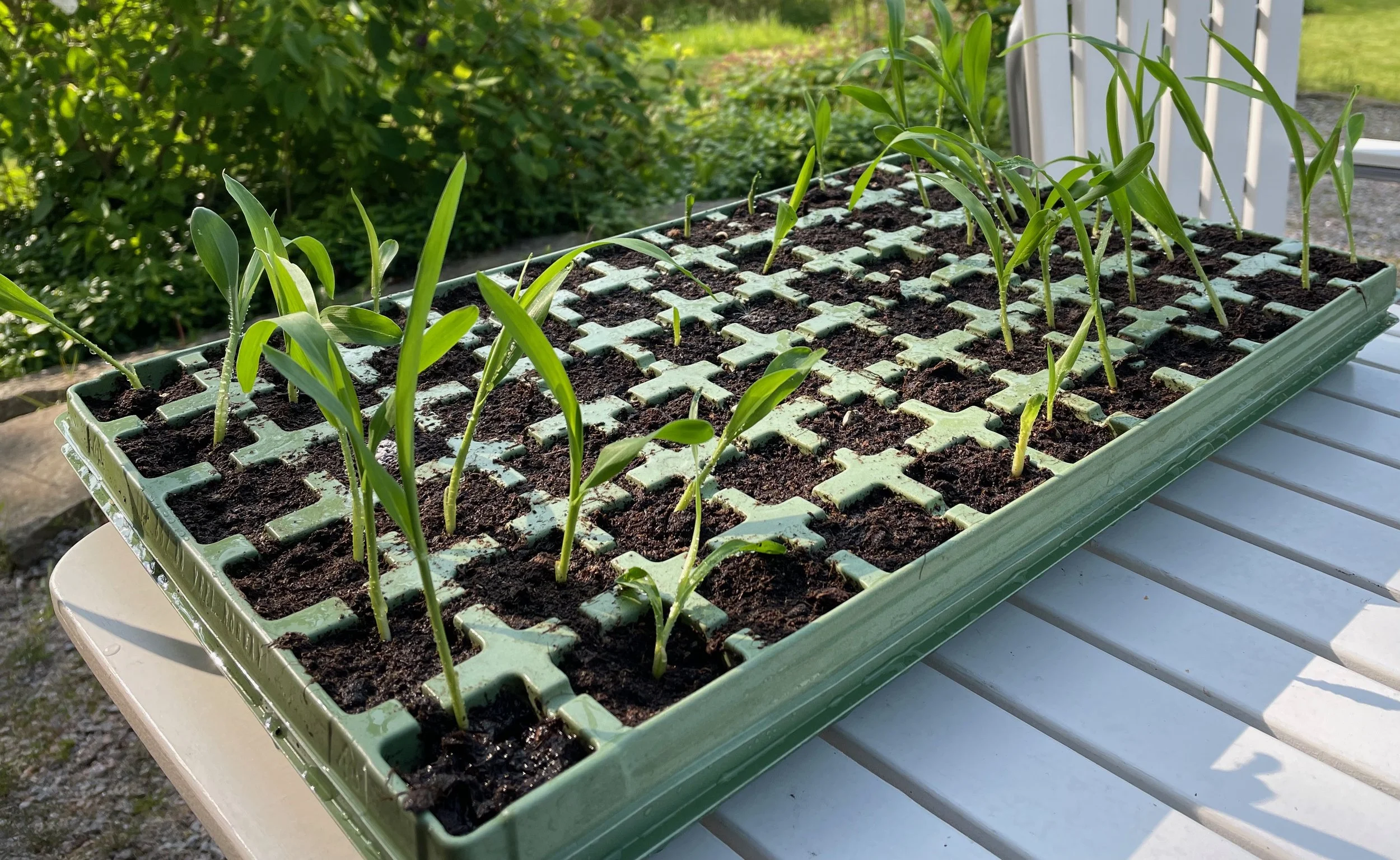
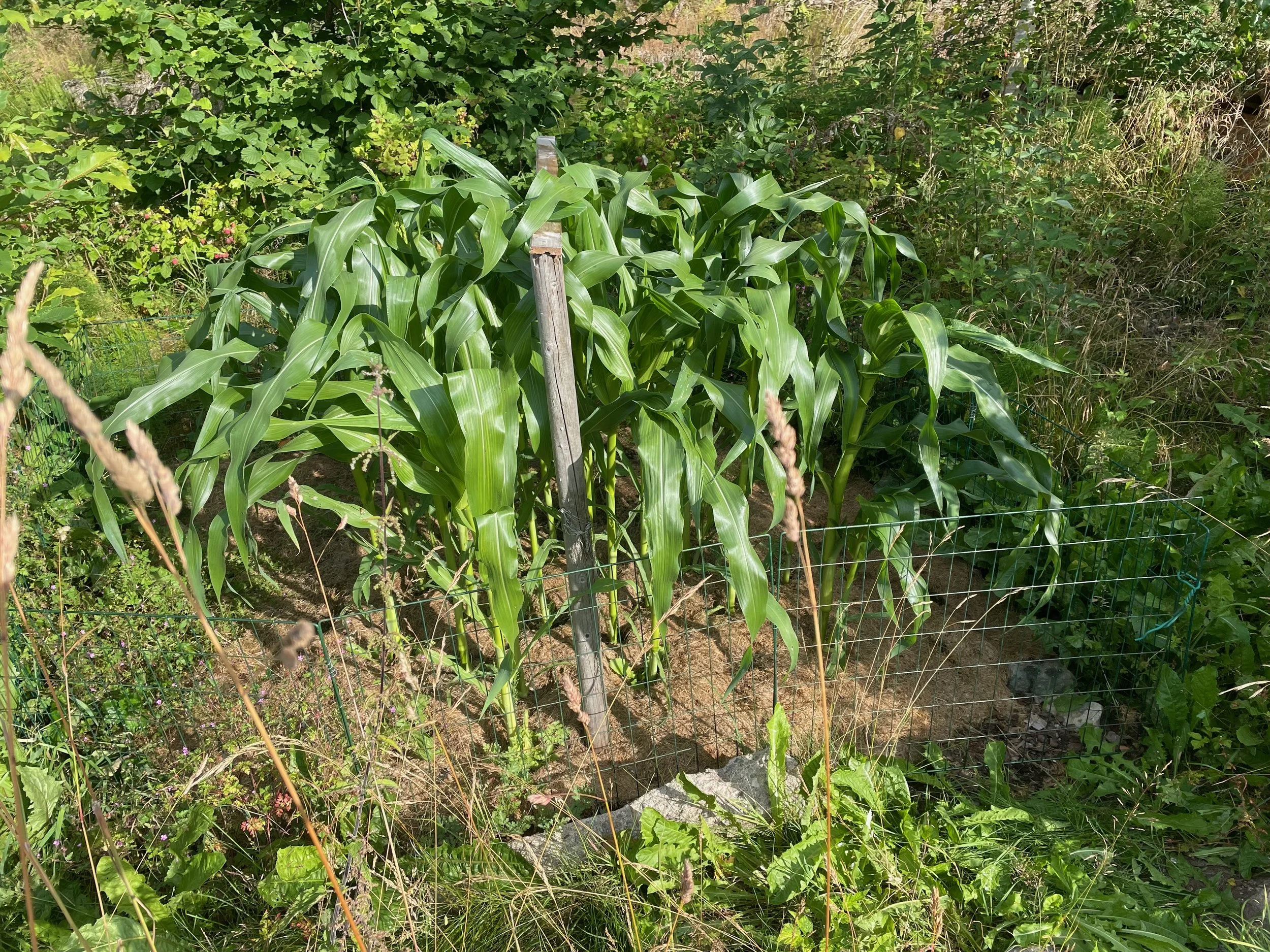
The sweet corn has been one of the most impressive crops in the kitchen garden this season. The plants have grown tall and vigorous, with healthy foliage and well-developed ears beginning to form. So far, they look exceptionally promising.
Whether that translates into a generous harvest remains to be seen. Much will depend on the weather during the final weeks of ripening, but the signs are encouraging, and the crop is shaping up to be one of the highlights of the year.
Young Vines Settling In
The grapevines planted last year have come through their first Nordic winter better than expected. Of the seven vines planted, six have survived. Although the above-ground stems did not withstand the winter, the root systems remained healthy, allowing new shoots to emerge from the base in spring.
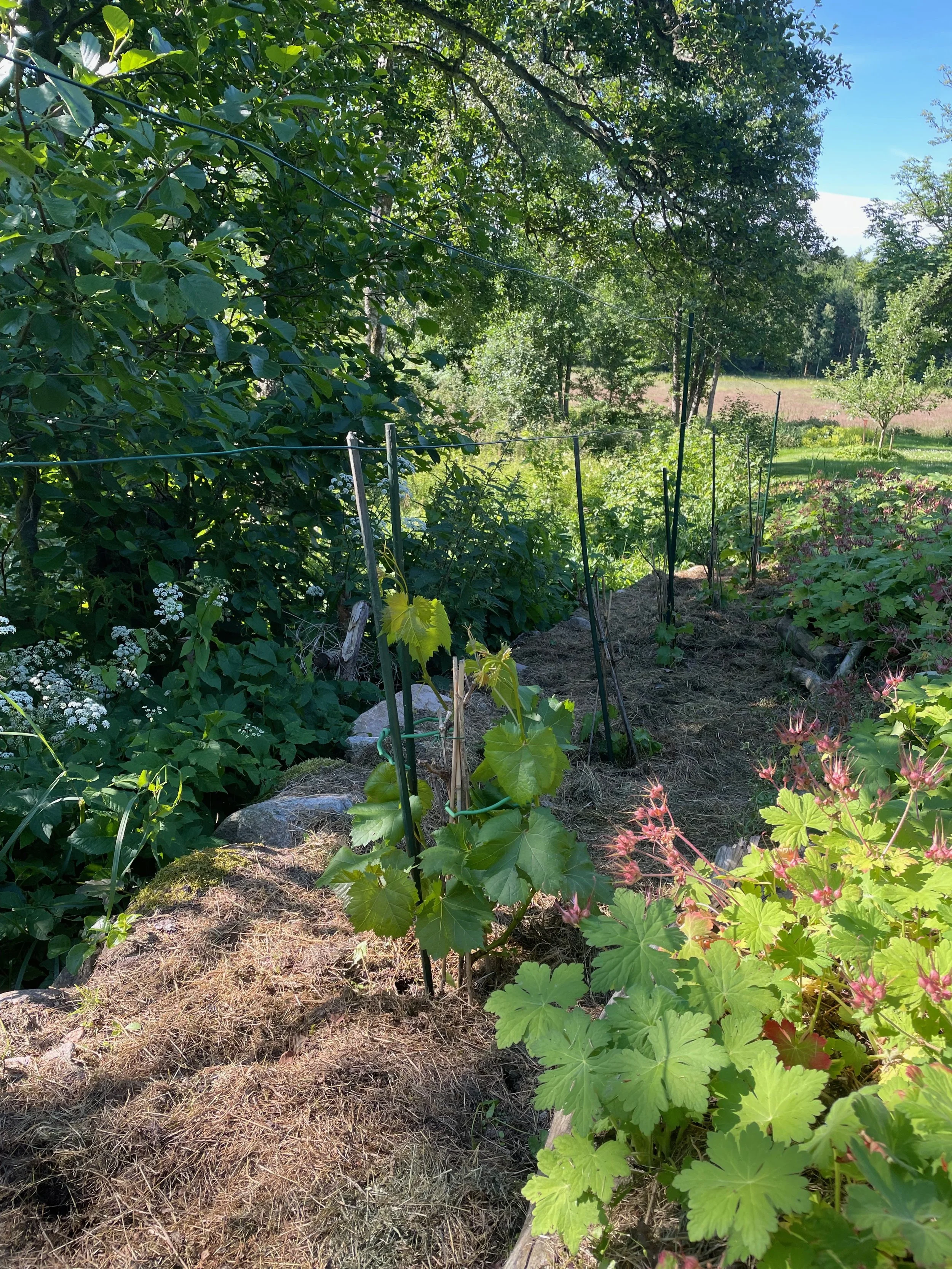
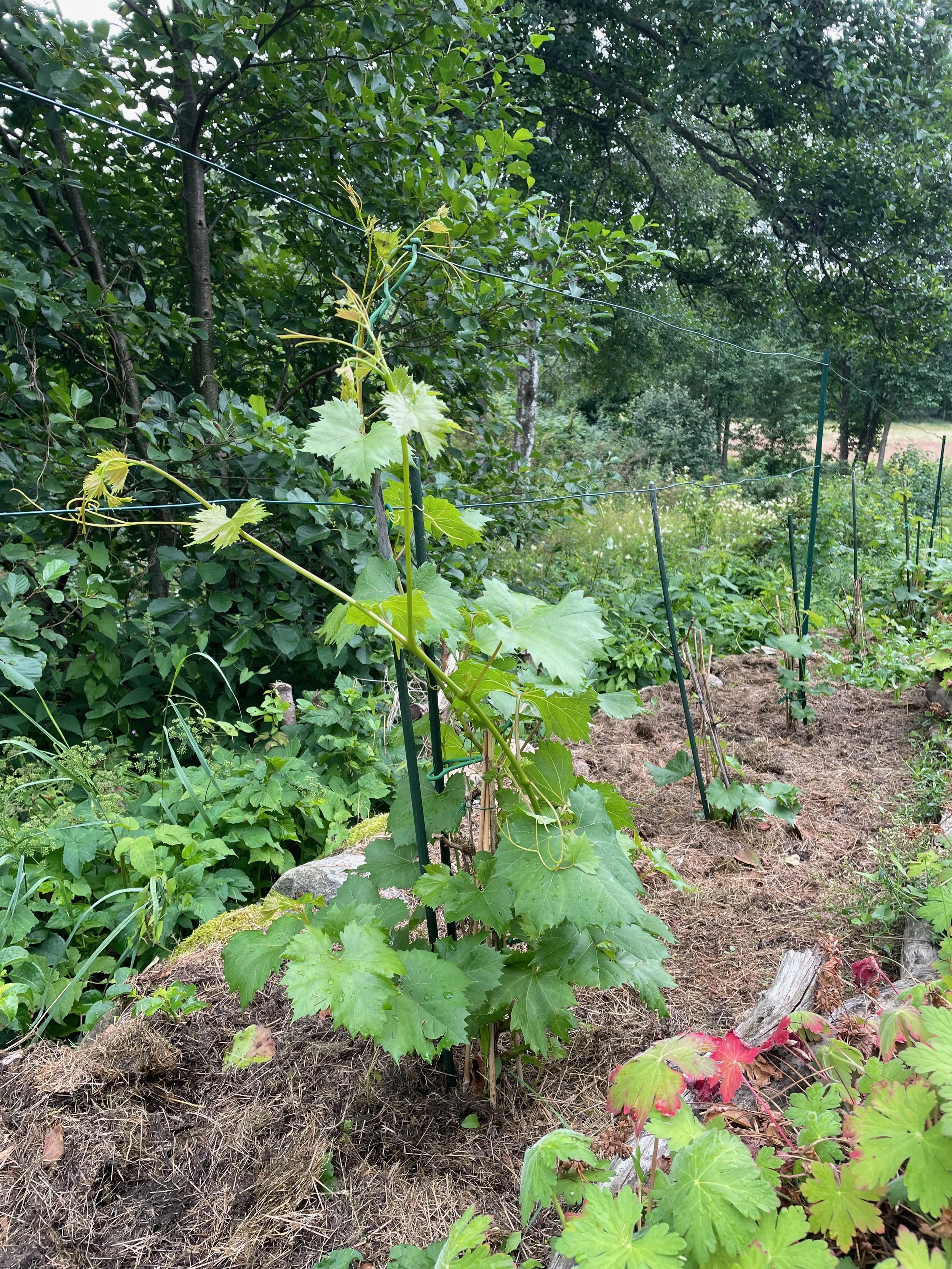
This kind of dieback is not uncommon while young vines are establishing themselves in colder climates. Their long-term success is still uncertain, but the strong regrowth is an encouraging sign that the plants are adapting to their new conditions.
Before the coming winter, additional protection around the base of the vines may help them become more fully established. For now, however, they are growing steadily, and it will be exciting to see how they develop over the next few seasons.
Follow up: Garden Journal - August →
Explore more: Nordic Garden →