
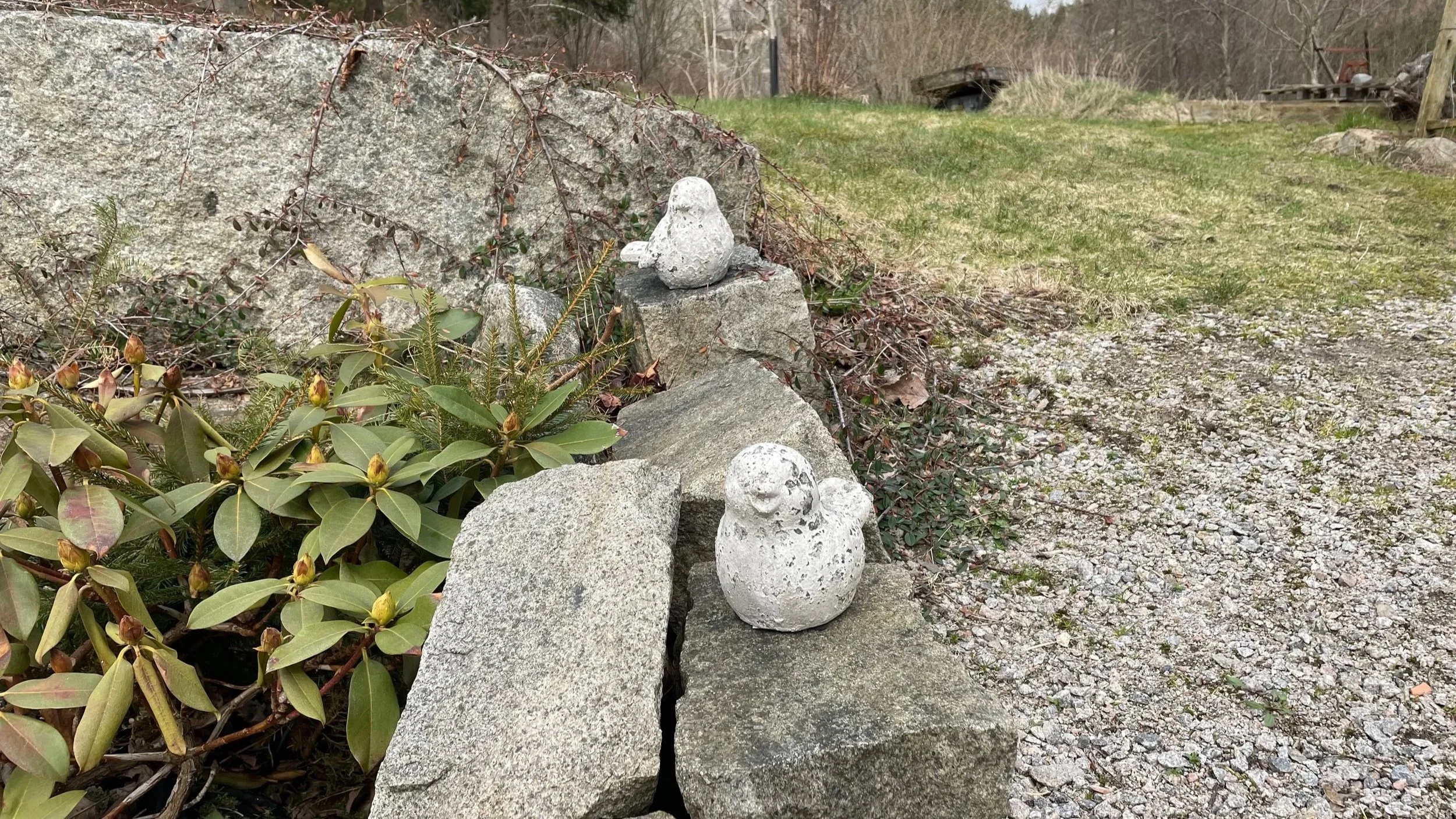
Spring in the Garden is Finally Here
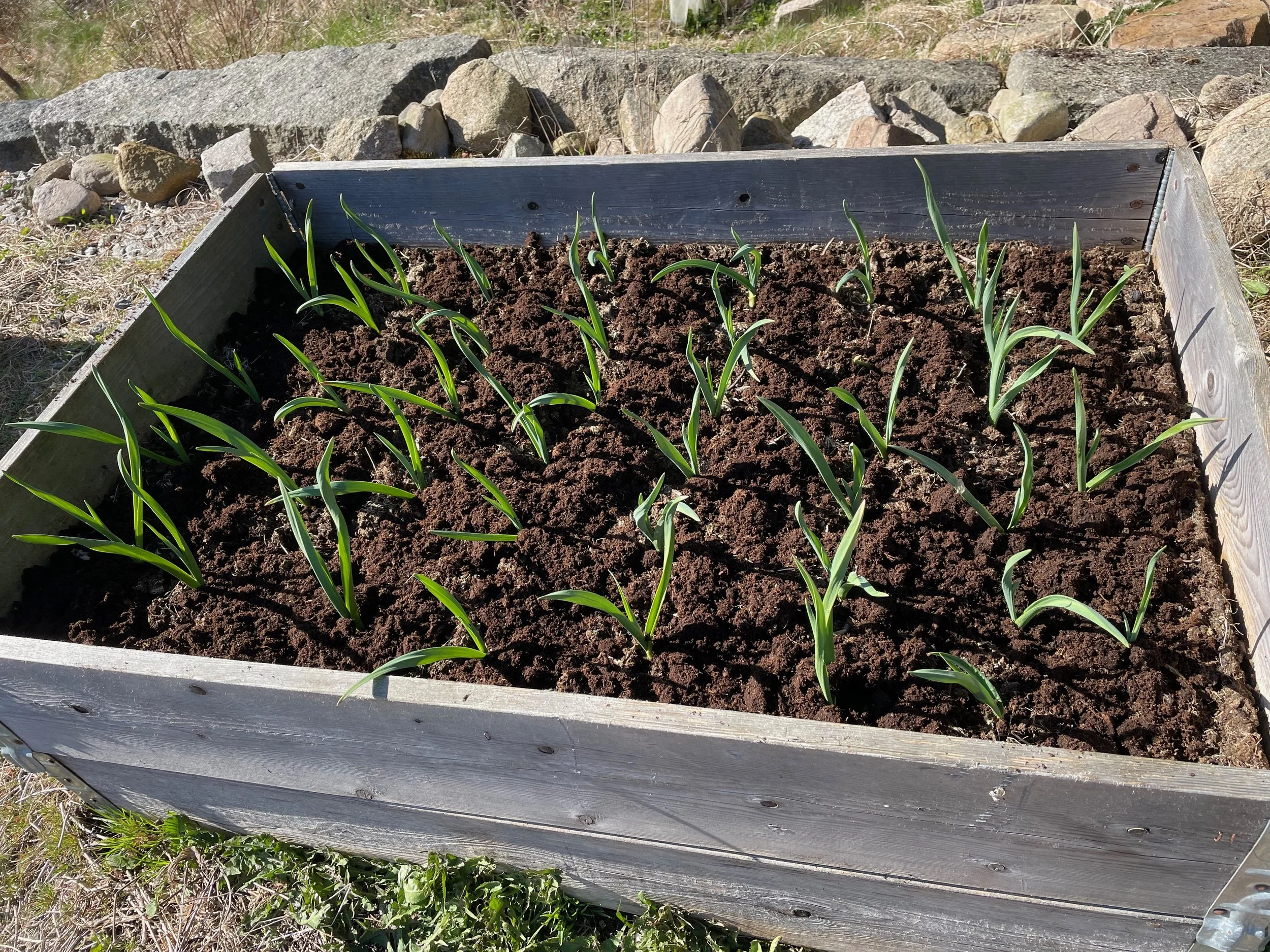
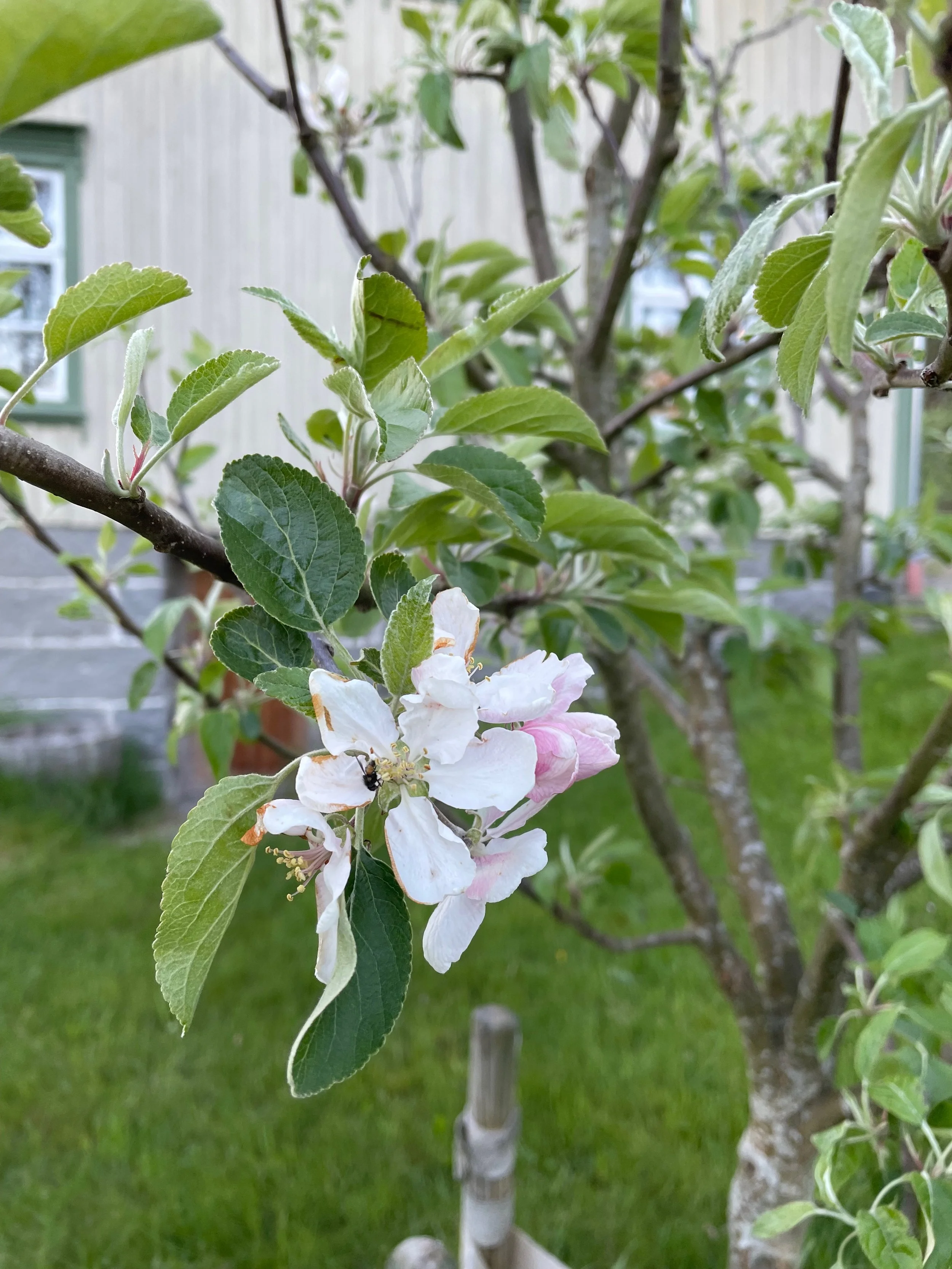
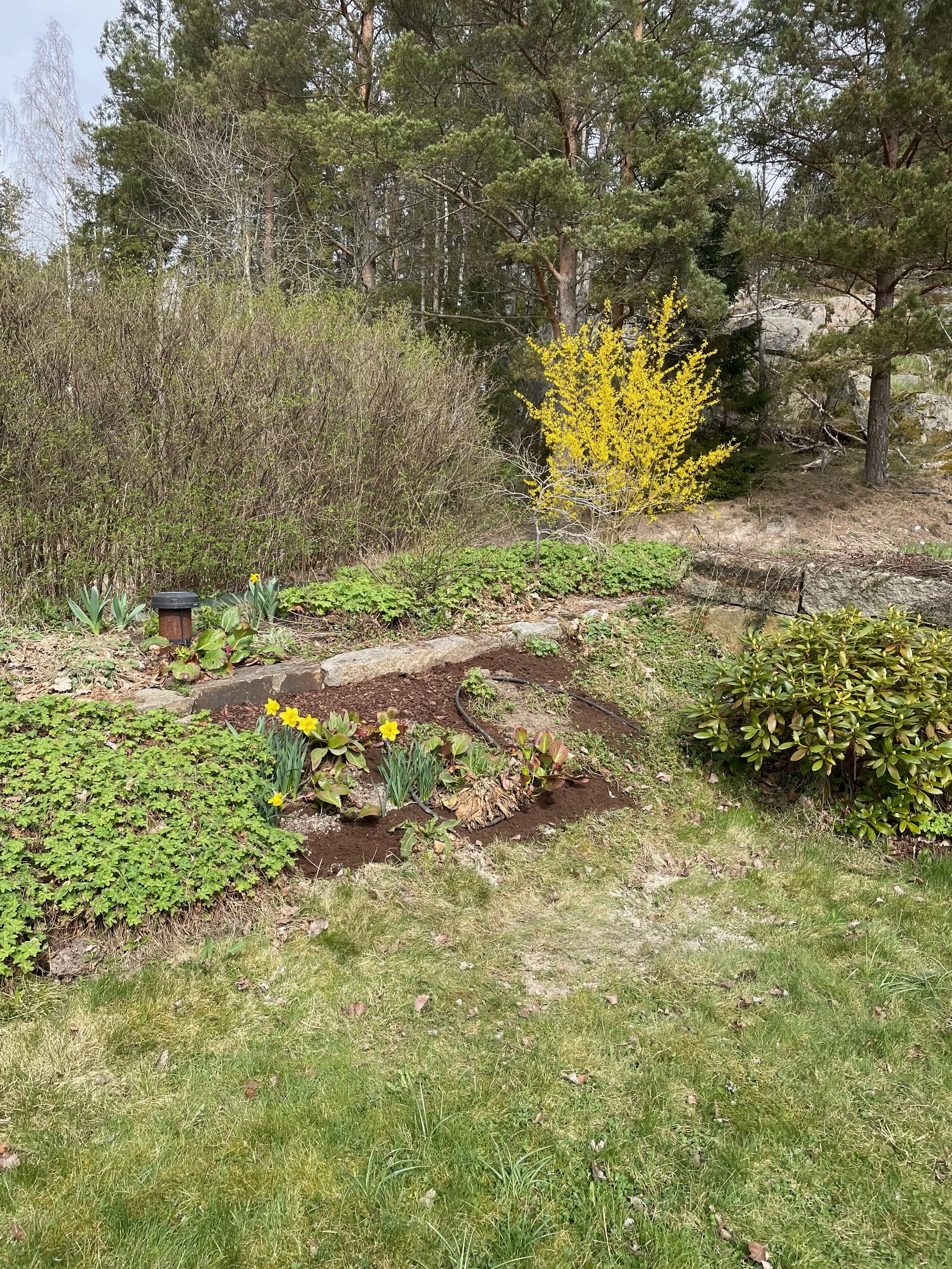
After months of frost, darkness, and dormant soil, the garden slowly begins to wake. The first signs are subtle: a softer light through the trees, birds returning to familiar branches, snowdrops pushing through cold earth, and the unmistakable scent of wet soil after winter.
The surrounding forest stirs first, followed by the garden.
Now is the time to begin preparing for a new growing season.
For many gardeners, spring is both practical and emotional. It is the season of possibility, the moment when plans made during winter can finally be put into action. Seed packets are opened, tools are cleaned, and vegetable beds are prepared for another year of growth.
Before planting begins, however, the garden needs attention.
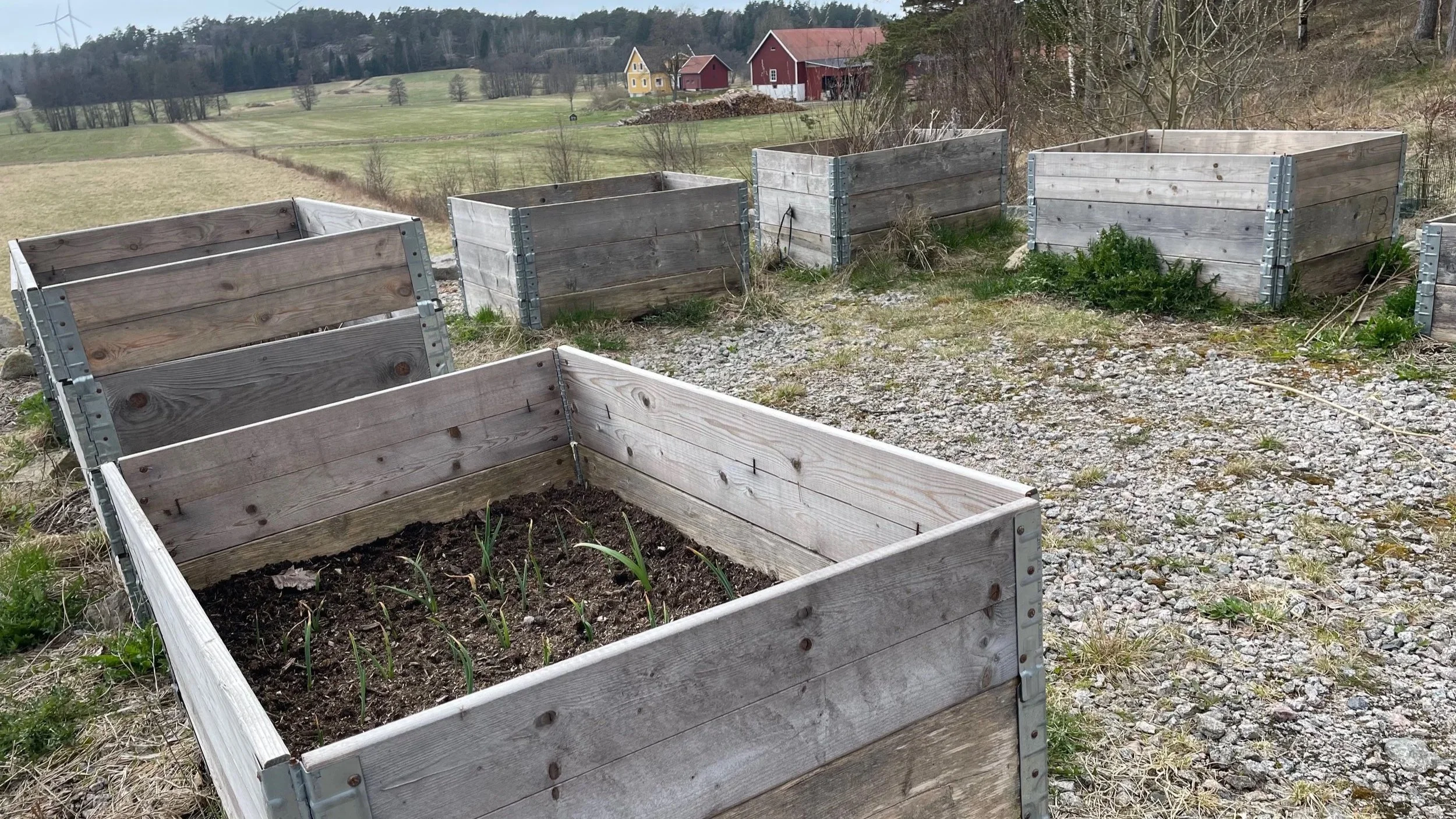
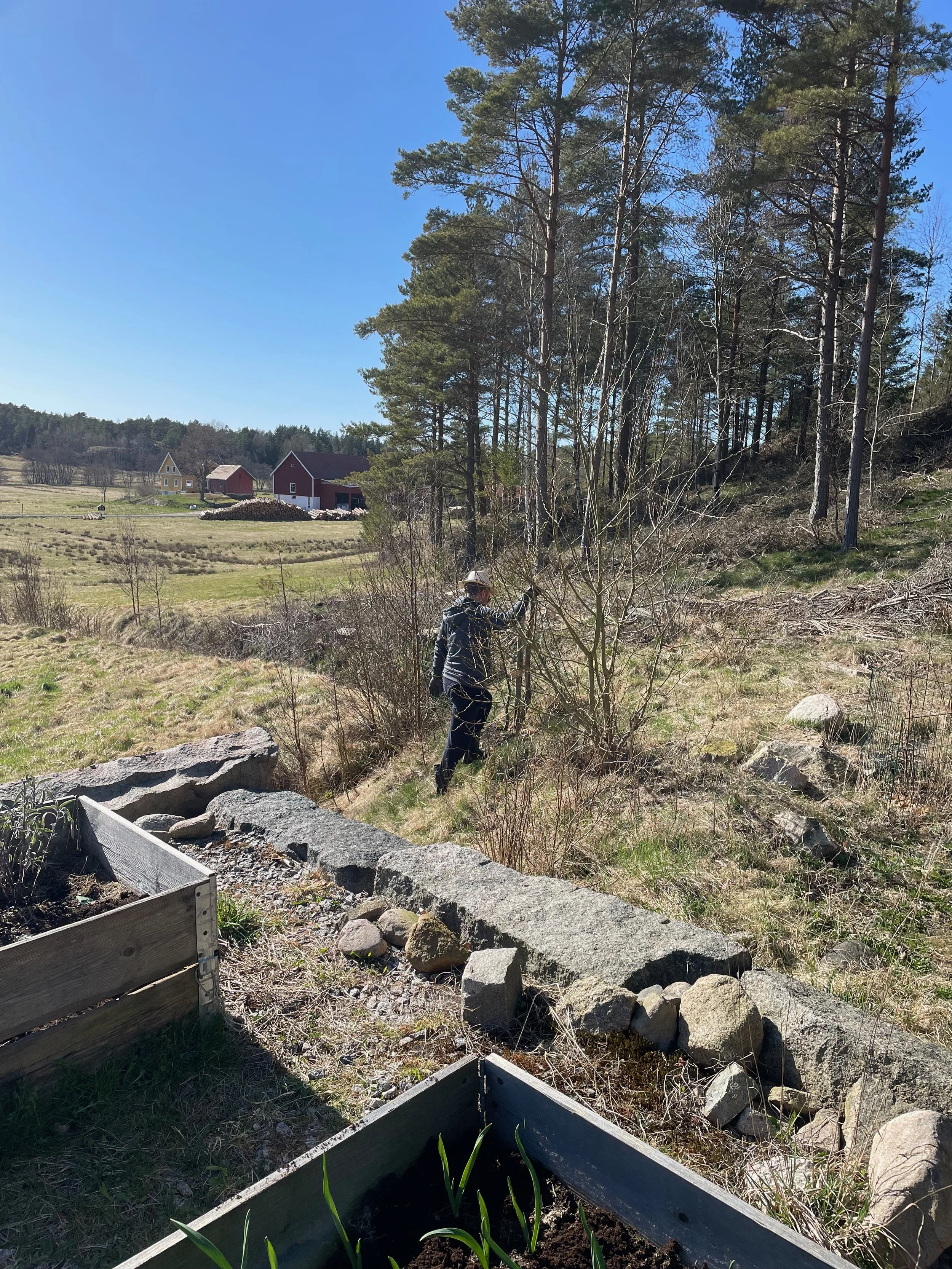
Before rushing into tasks, take a slow walk through the garden.
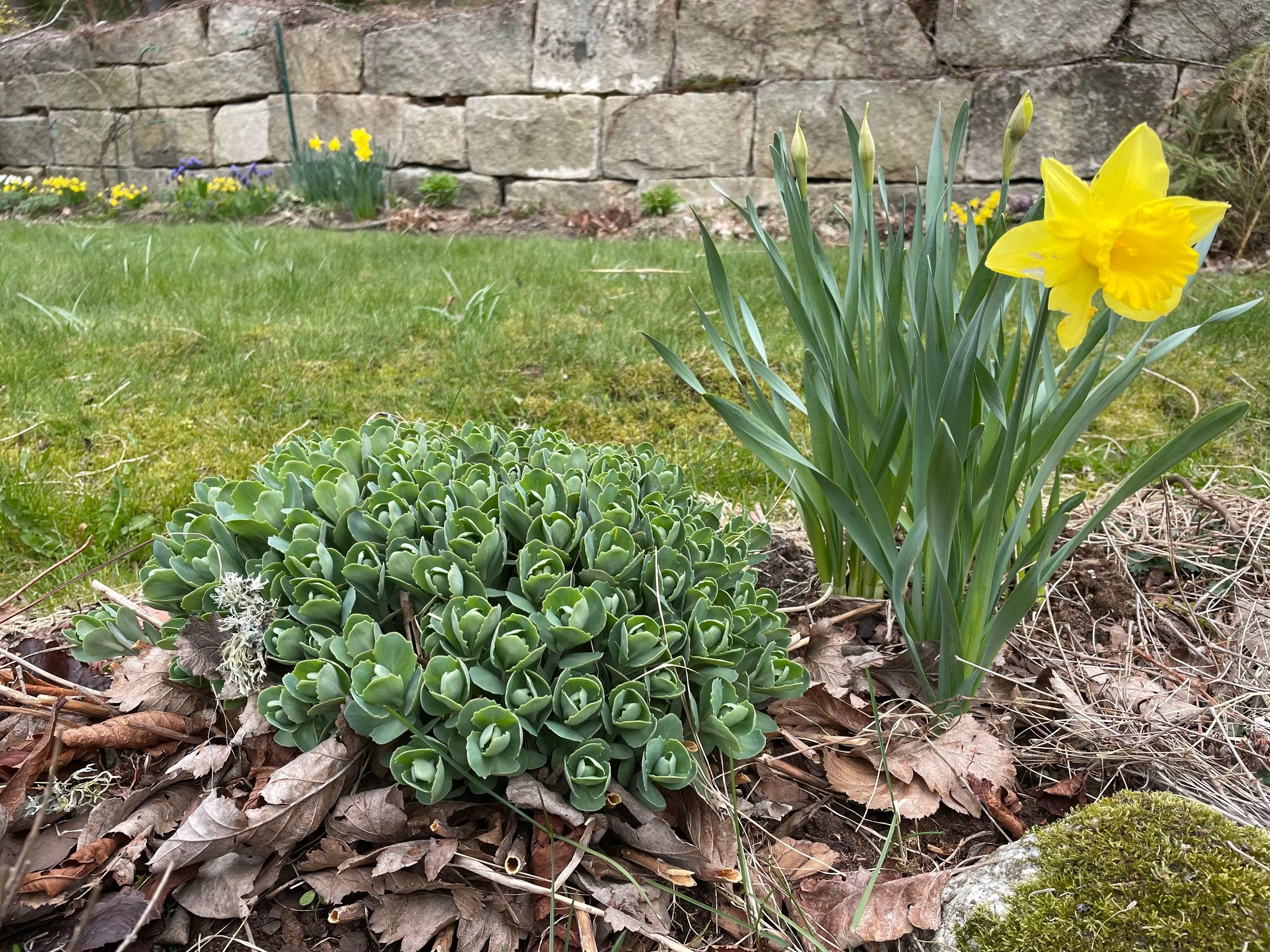
Winter always leaves its mark. Some plants return stronger than expected, while others may not have survived the cold. Early spring is the moment to assess what remains.
Ask yourself:
What plants survived the winter?
Which shrubs or perennials need pruning?
Are there broken branches or winter damage?
Have weeds already started to emerge?
How does the soil look after months of frost and snow?
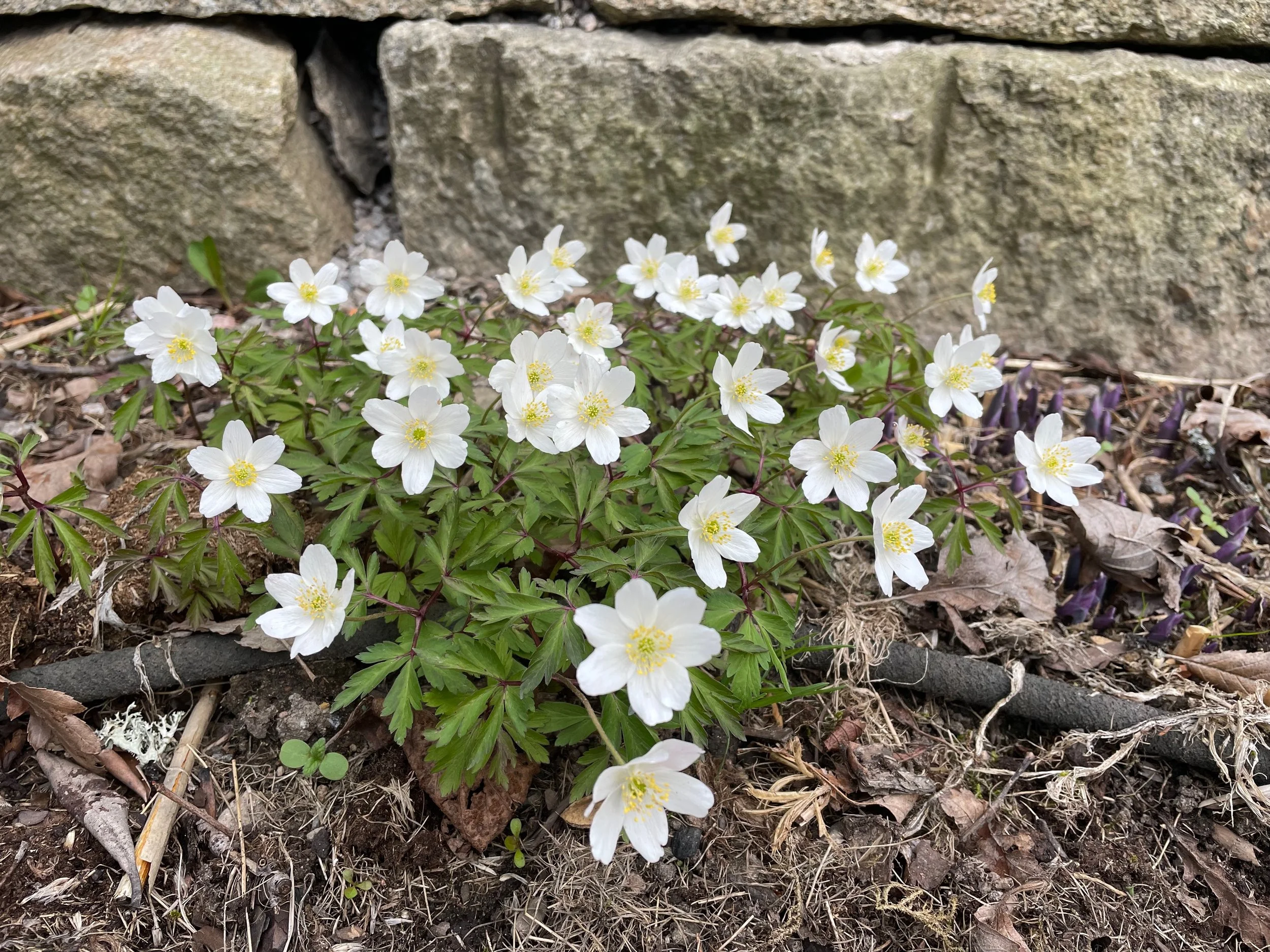
A garden always tells a story after winter, you simply need to read it first. Not to forget, you must also take time to enjoy the daffodils and crocuses you planted in the fall.
Start with Observation
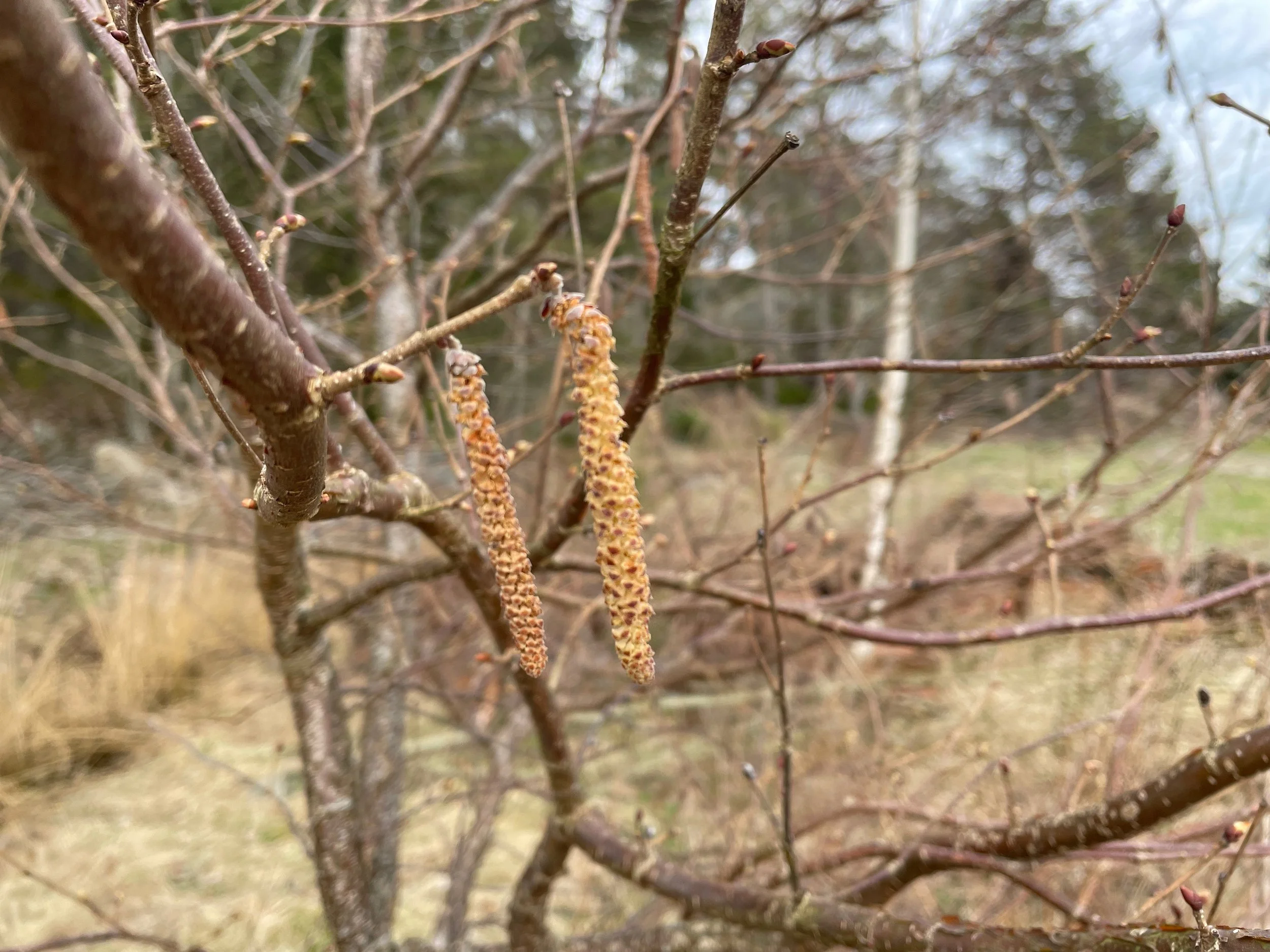
Essential Spring Garden Tasks
Spring preparation is less about perfection and more about creating healthy conditions for growth.
1. Clear and Clean
Remove dead annuals, fallen branches, old leaves, and winter debris.
Be mindful not to clear too aggressively too early. Many insects overwinter in stems, leaves, and small garden shelters.
2. Prune with Purpose
Cut away dead, damaged, or diseased branches from trees, shrubs, and roses.
Some plants welcome hard pruning in early spring, while others should wait until after flowering.
3. Weed Early
Young weeds are far easier to remove before roots have established deep.
An hour spent now saves many hours in summer.
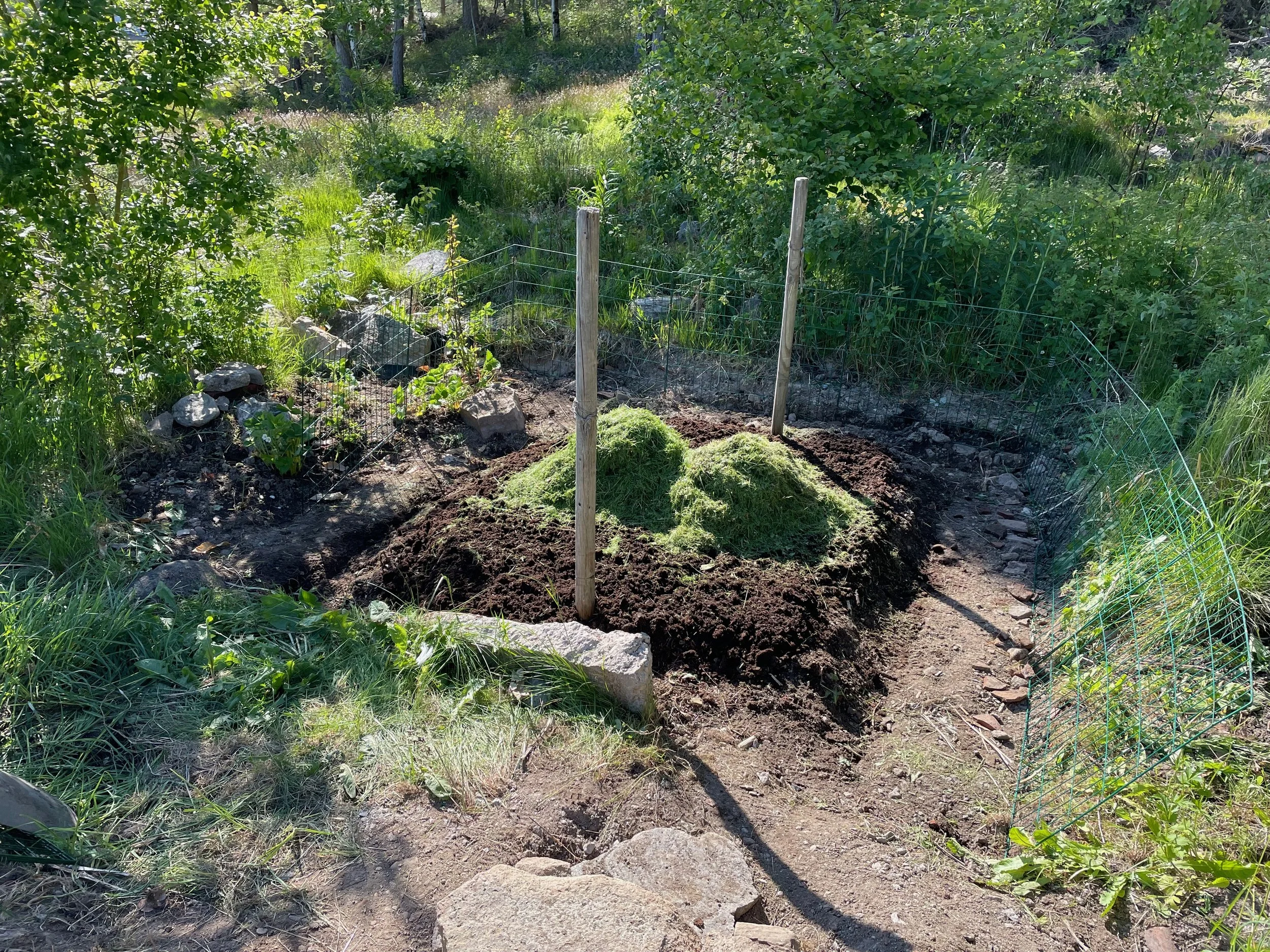
Spring is the perfect time to enrich vegetable beds and borders.
4. Feed the Soil
with compost
well-rotted manure
leaf mold
organic fertilizer
Healthy soil is the foundation of everything that follows.
5. Aerate the Ground
After winter, the soil can become compacted.
Gently loosen the surface with a fork or hand cultivator to improve airflow, drainage, and root development without disturbing soil structure too aggressively.
Time to Start Seeds
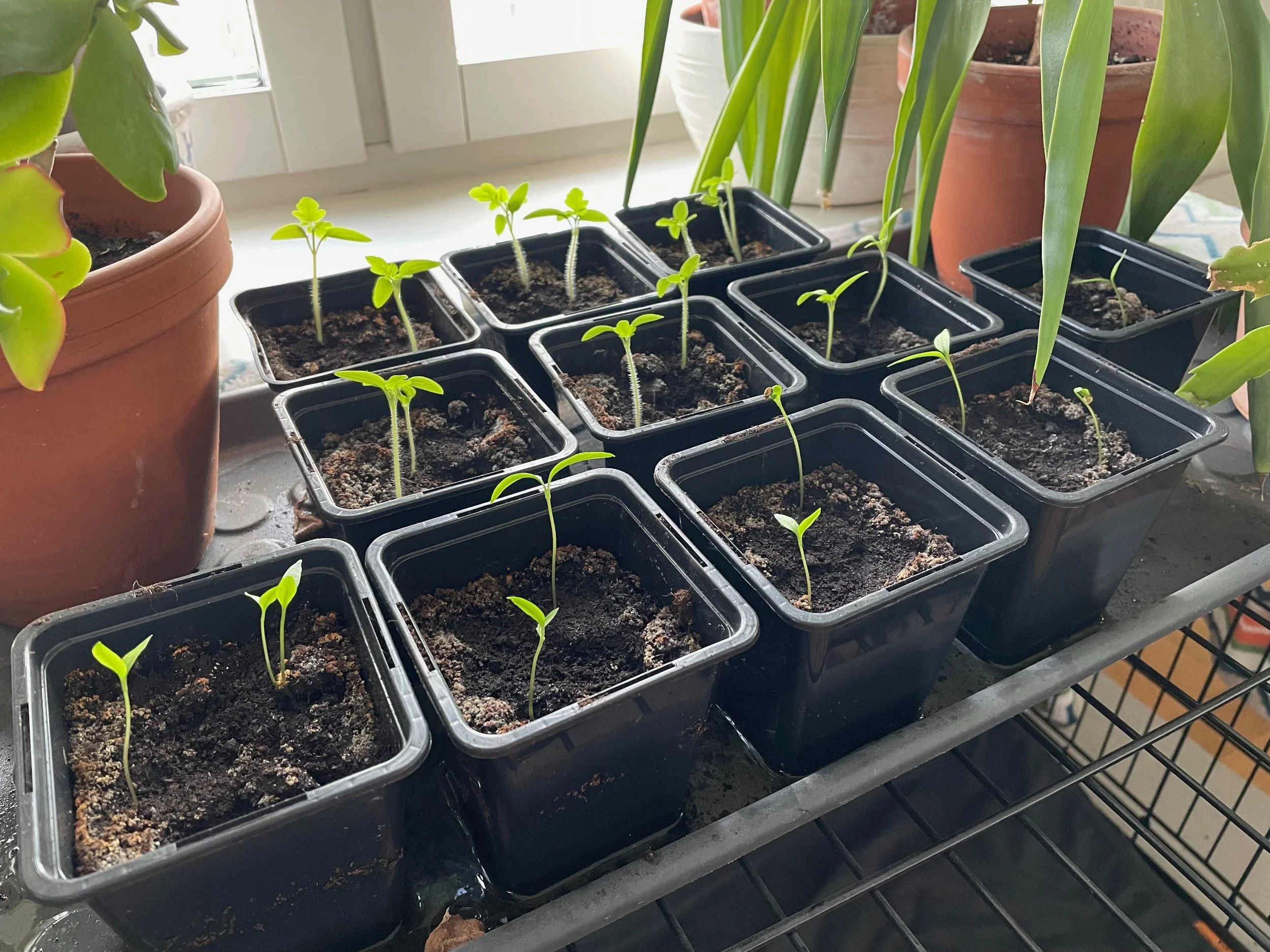
For northern gardeners, spring often begins indoors.
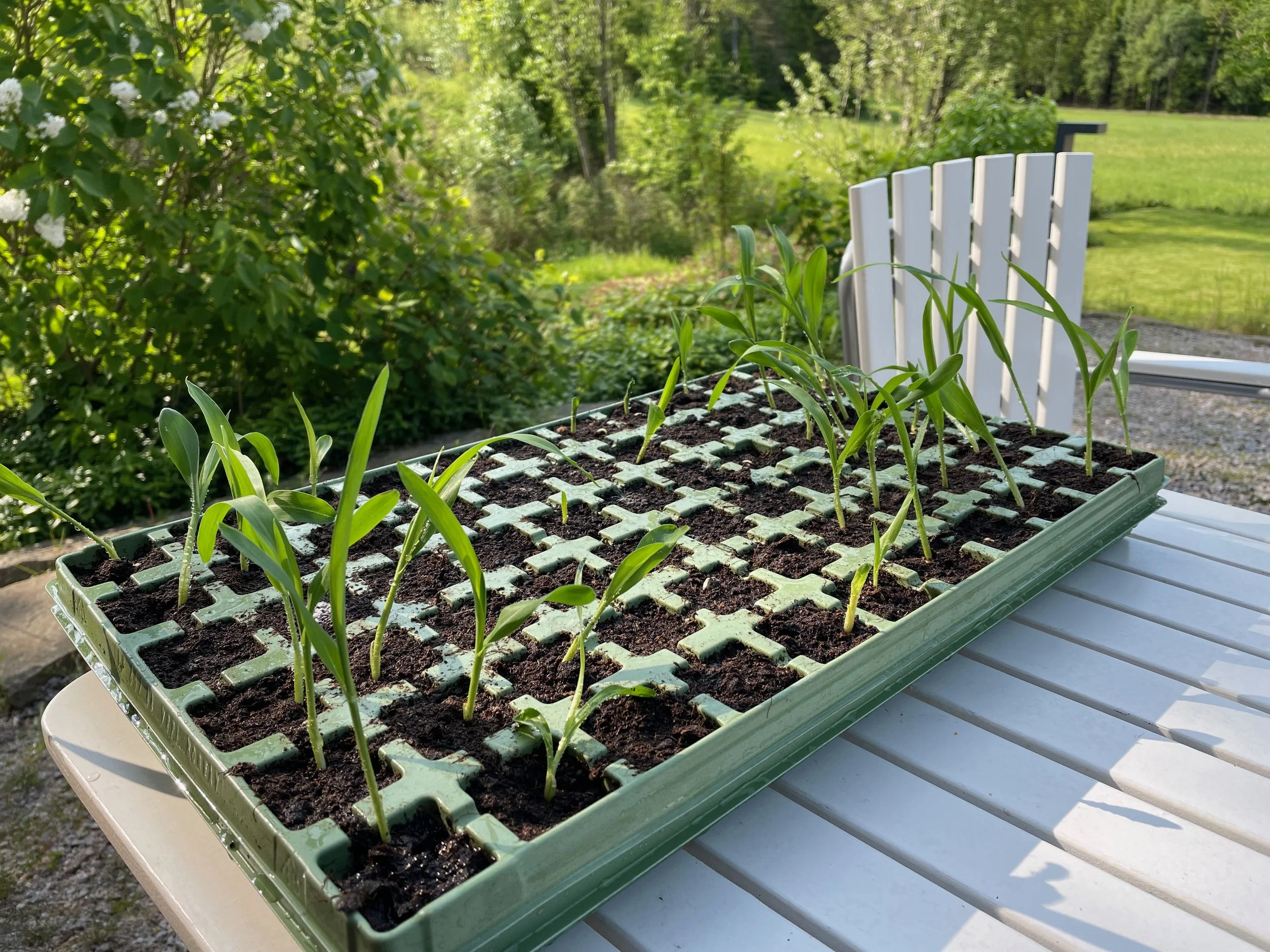
Now is the moment to pre-sow seeds for the vegetable garden:
tomatoes
chili and peppers
lettuce
sweet corn
cabbage
herbs such as basil, parsley, and dill
Starting seeds indoors gives crops a head start before warmer temperatures arrive.
There is something deeply satisfying about the first trays of seedlings lined up by a window. It is a quiet promise of the season ahead.
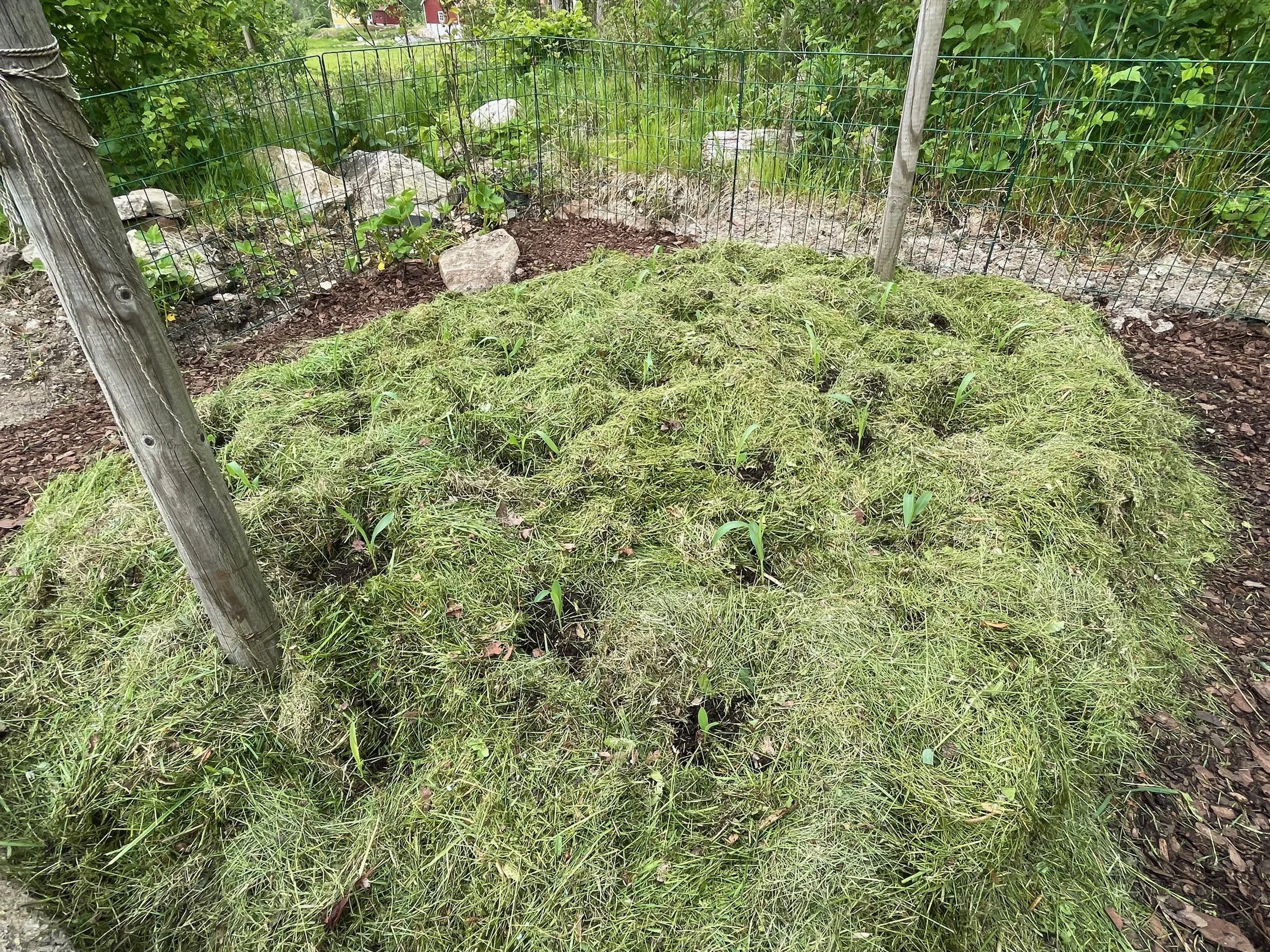
A Garden Checklist for Early Spring
It helps to work with a simple list:
Inspect the garden after winter
Remove debris and dead material
Prune damaged branches
Weed early growth
Add compost and nutrients
Aerate vegetable beds
Start seeds indoors
Clean tools and pots
Plan this year’s planting layout
Spring rewards preparation.
The Beauty of Beginning Again
Perhaps that is why gardening feels especially meaningful in spring.
The season reminds us that growth always begins quietly: beneath the soil, inside a seed, or in a garden bed that appears empty but is full of life waiting to return.
It is the annual opportunity to begin again.
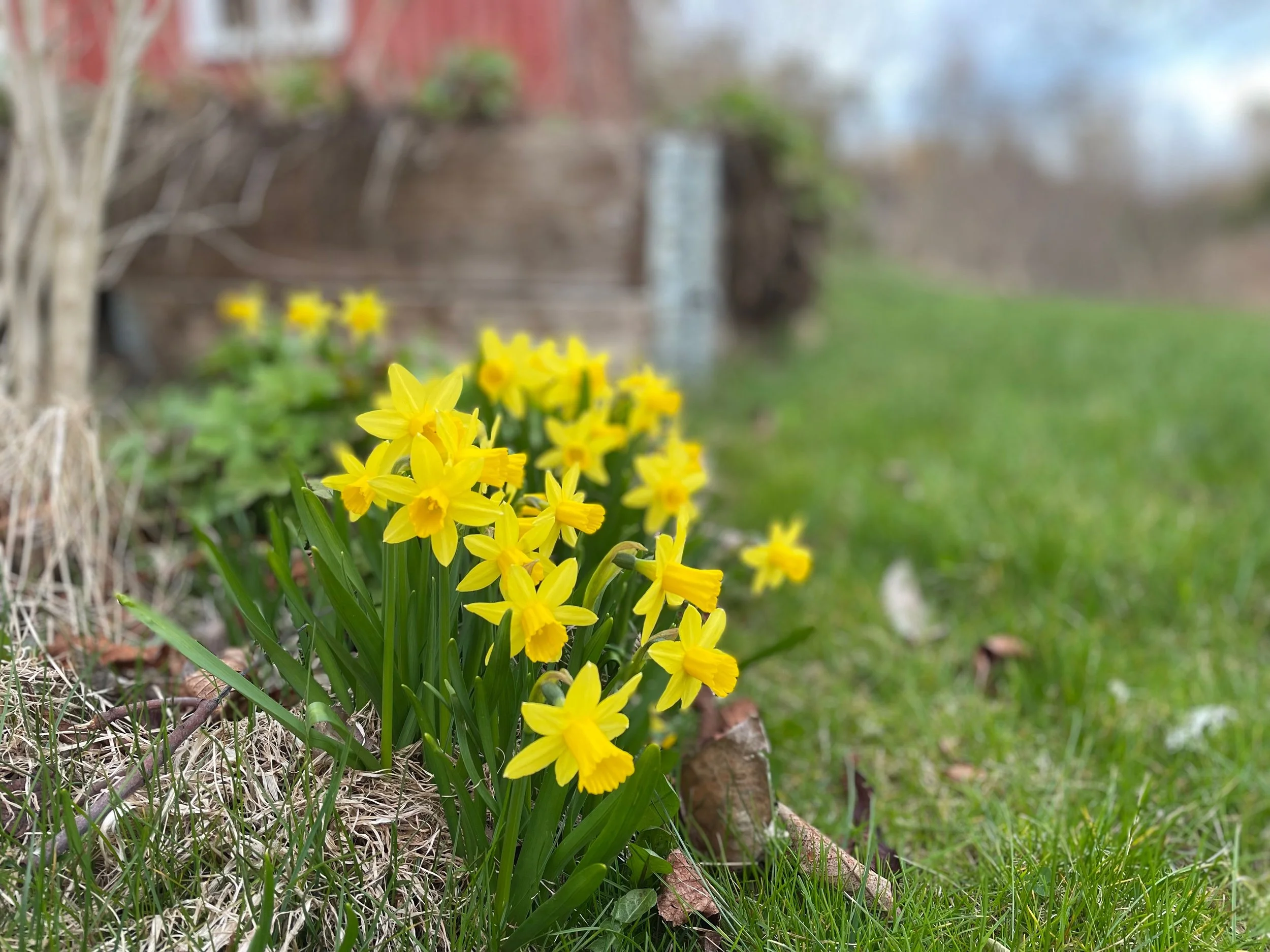
A guide to check: What Survived the Vinter →
Explore more: Nordic Garden →