
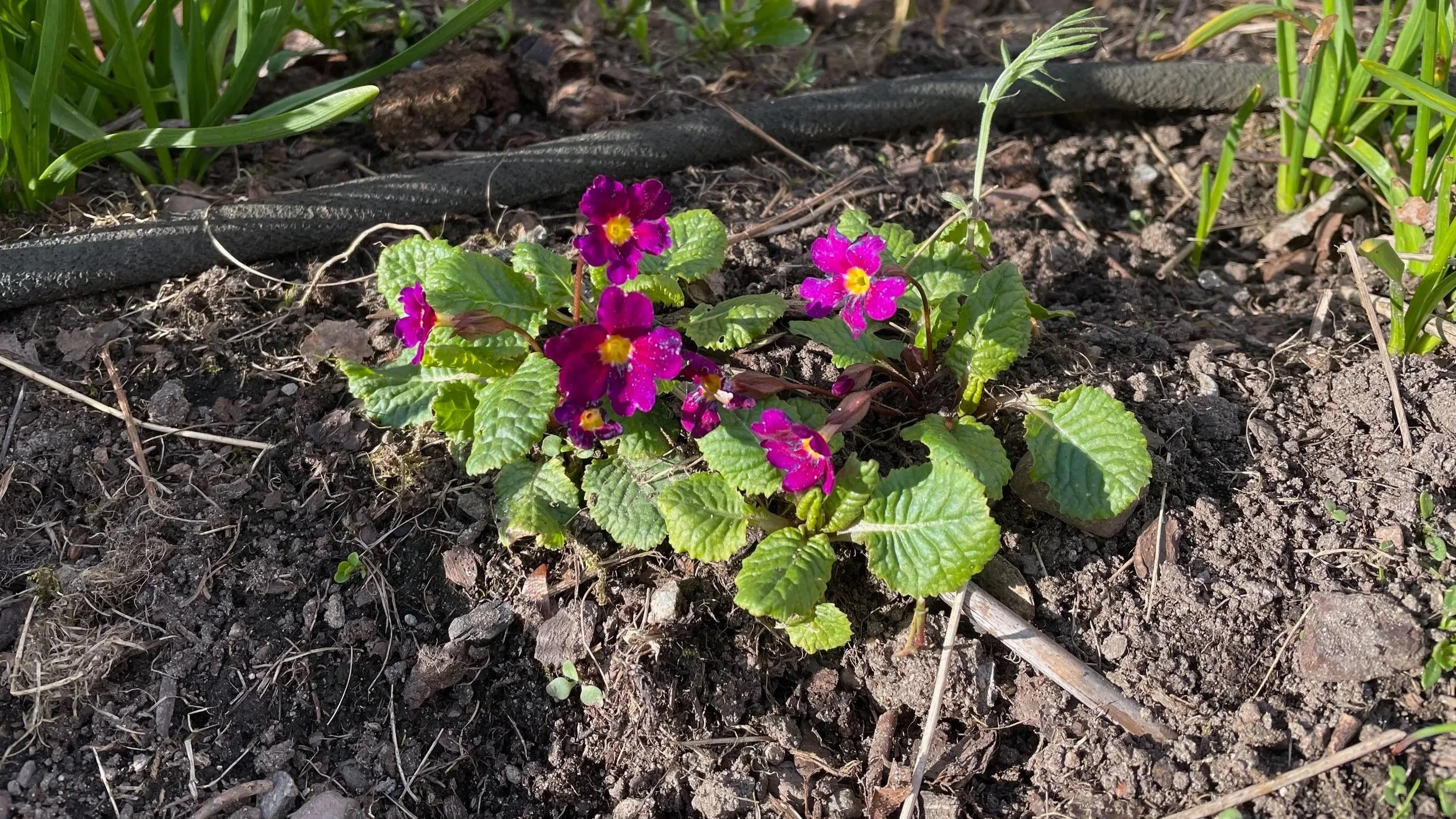
What Survived the Winter?
A Guide to Checking Perennials, Shrubs, and Trees in Early Spring
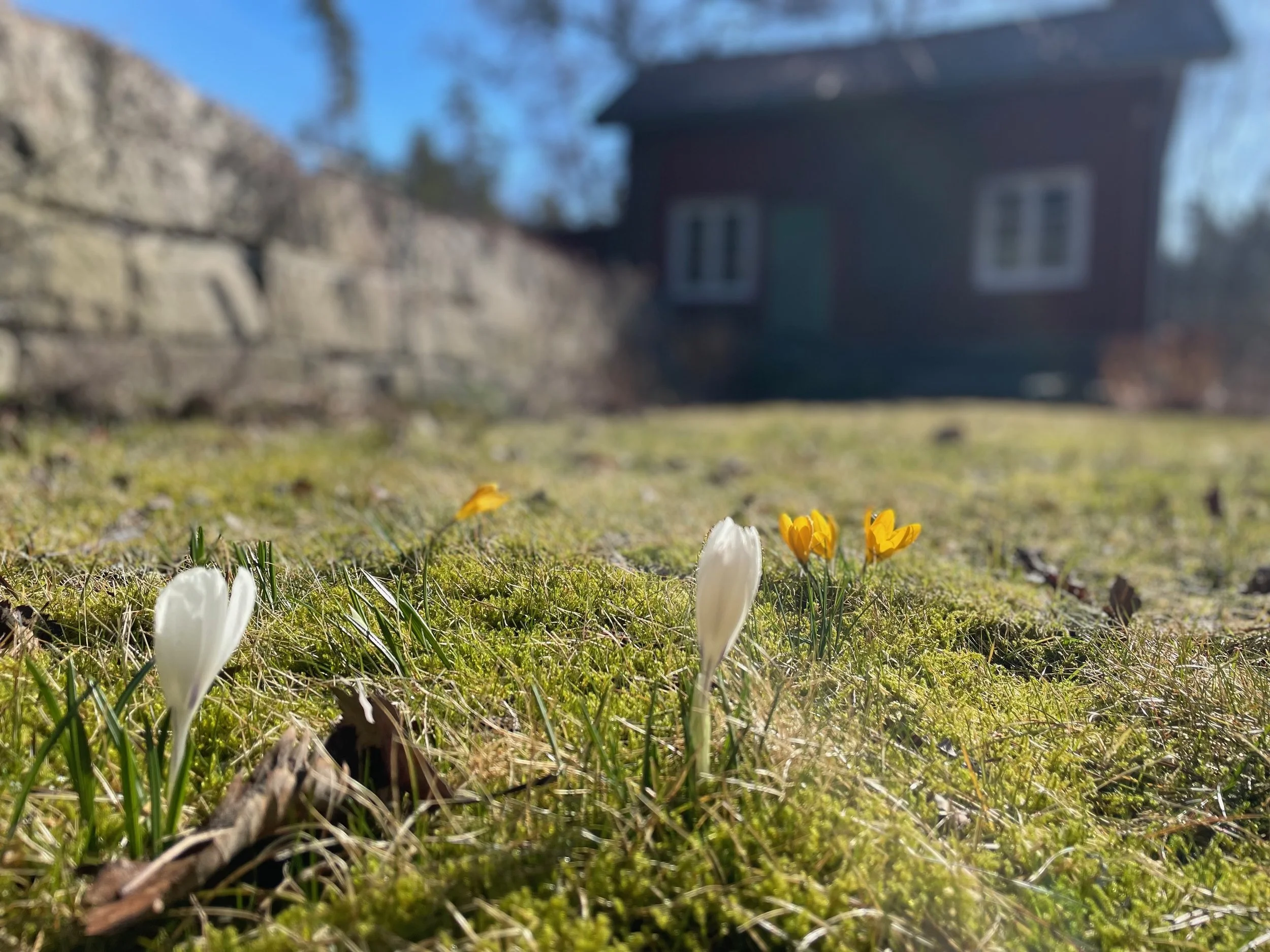
One of the first rituals of spring gardening is simple: walking the garden and taking inventory.
After a long northern winter, the garden rarely looks its best. Branches may appear brittle, perennial borders seem lifeless, and some plants look beyond saving. But appearances can be deceiving.
Spring is a season of patience.
Before removing anything, give the garden time to reveal what is still alive.
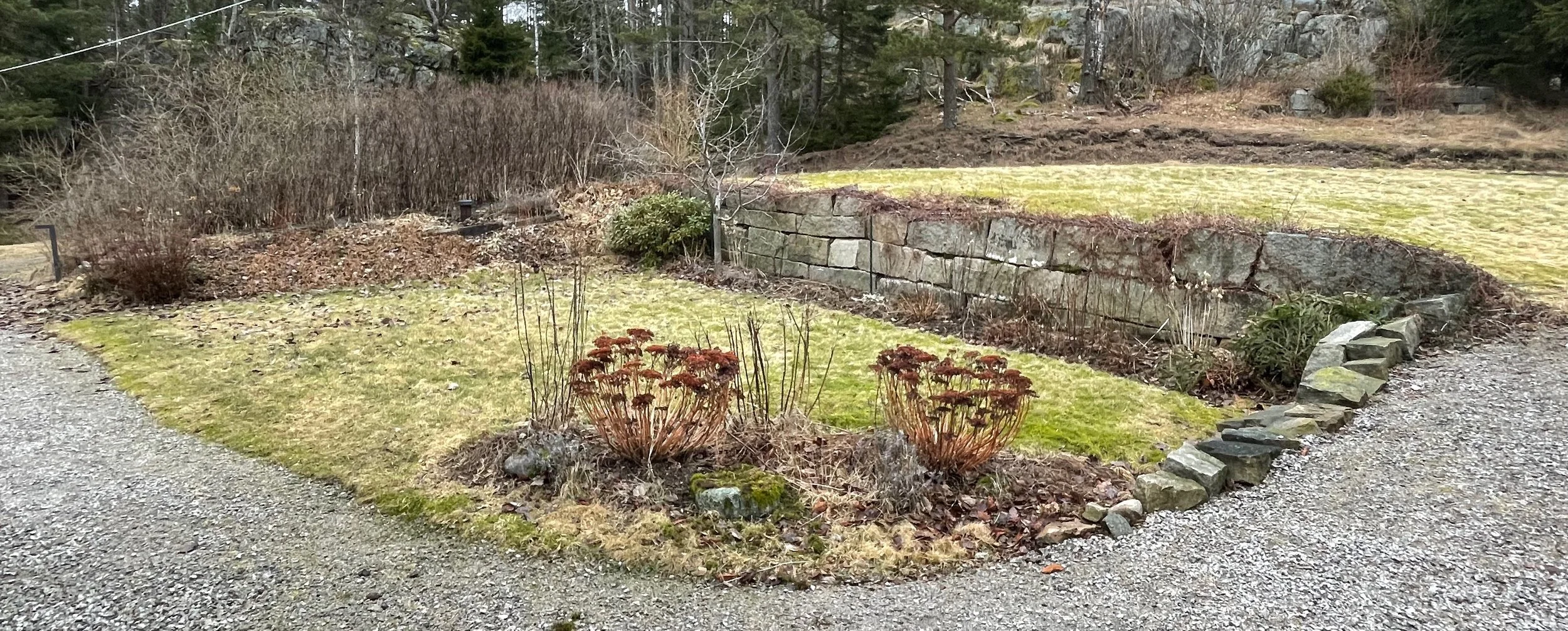
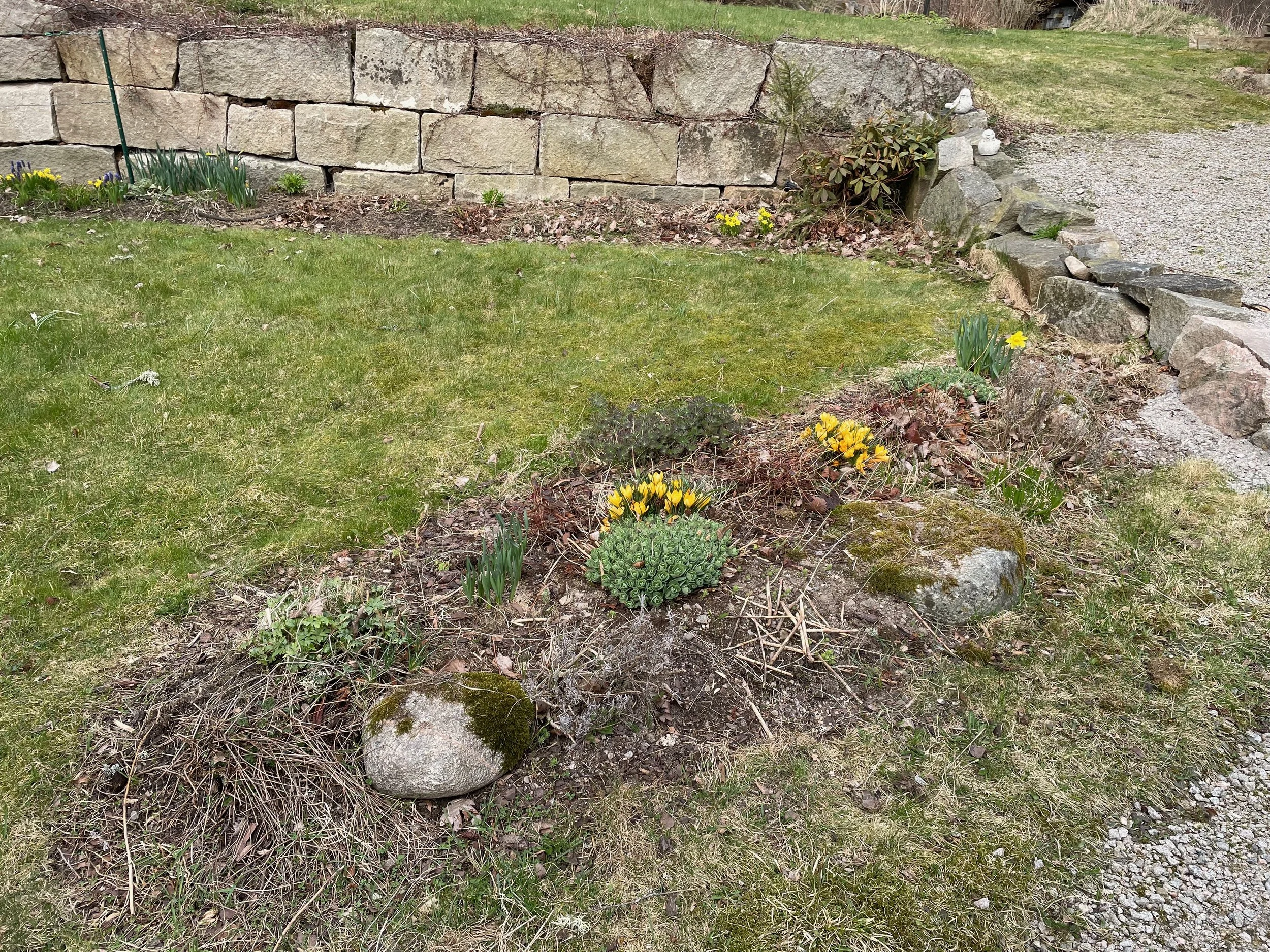
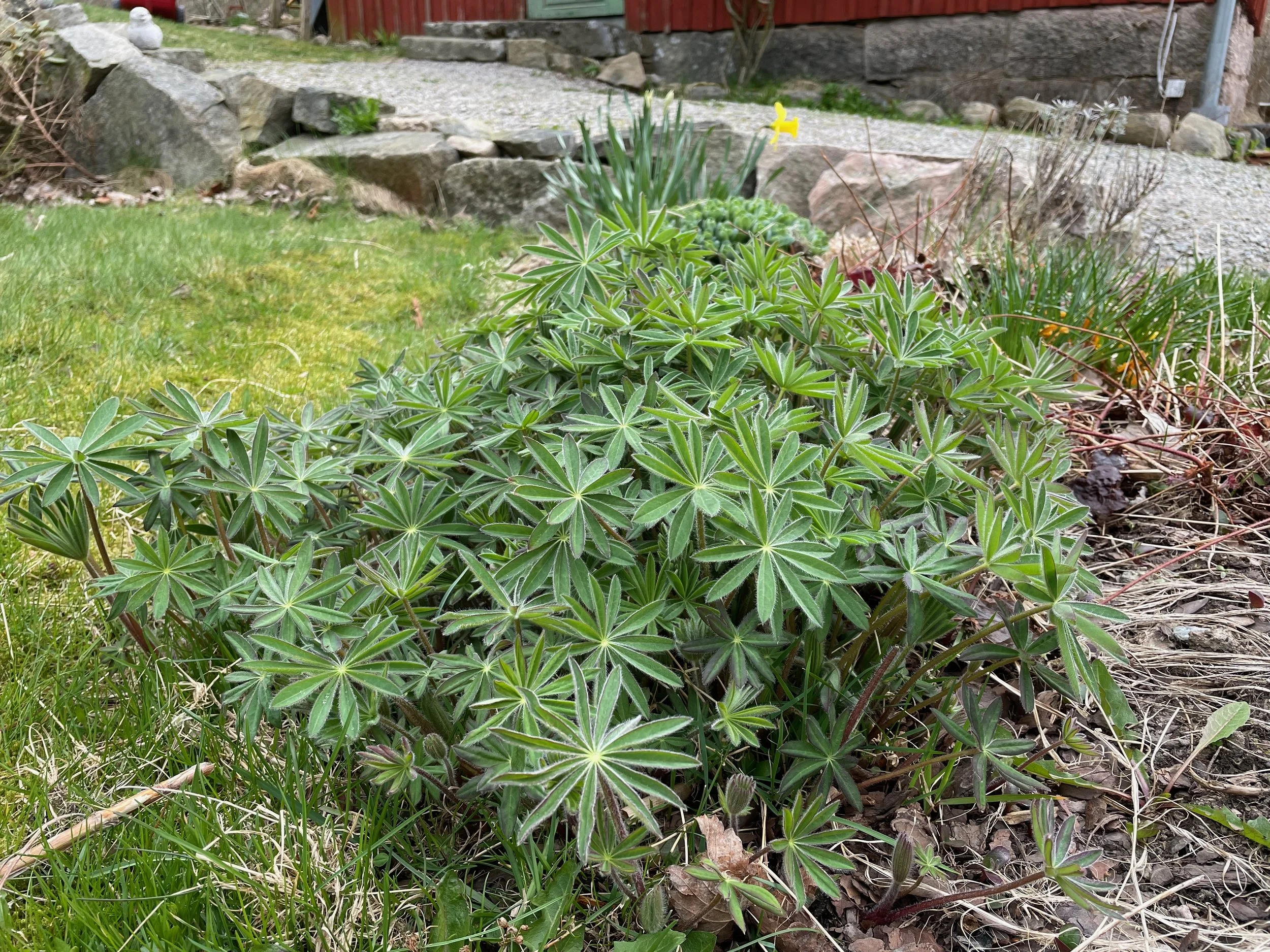
Perennials are often the first plants that we worry about.
Cut back dead stems from last season, but do so carefully. Many early shoots emerge later than expected, especially after cold winters.
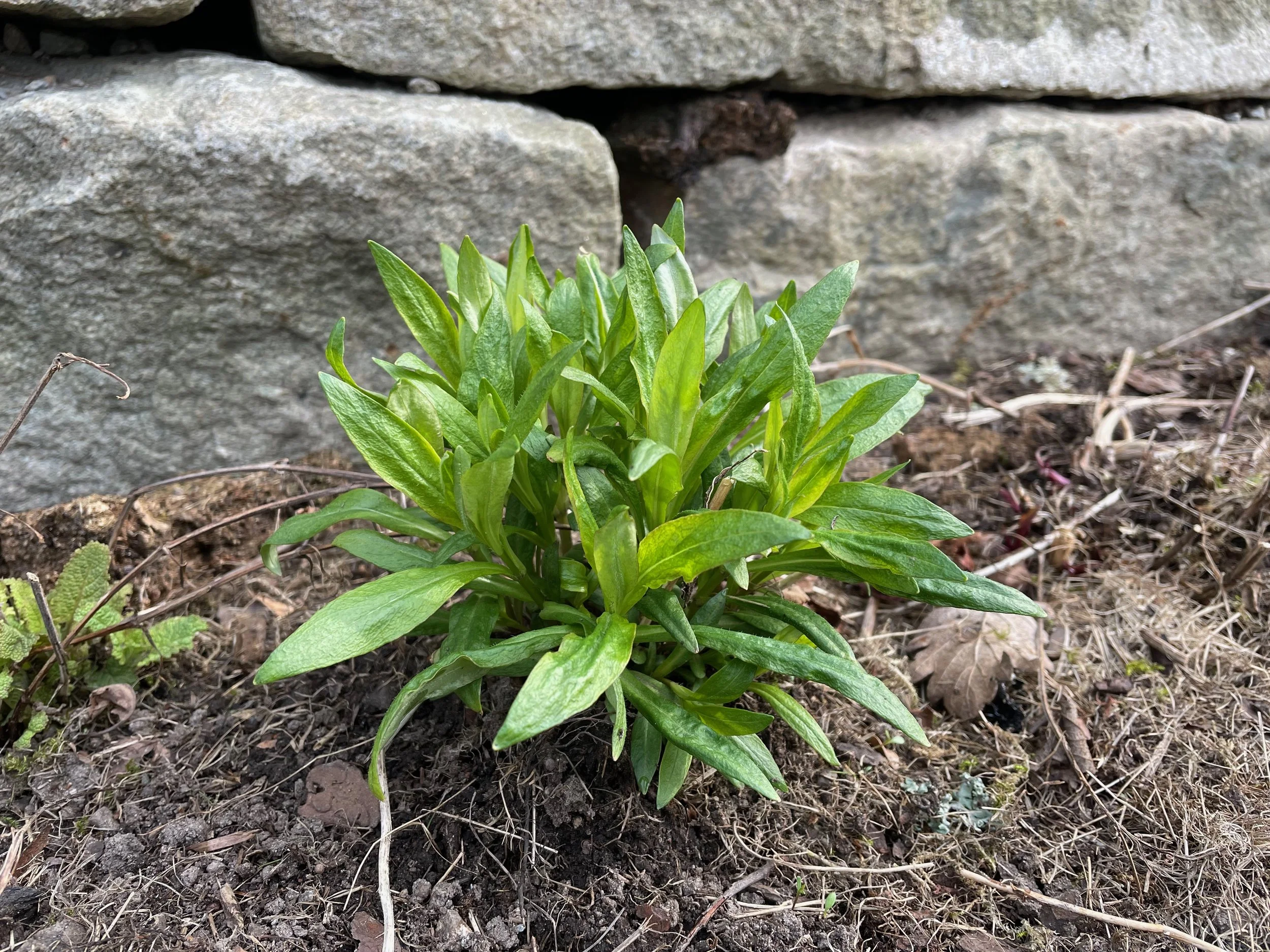
Look for signs of life:
fresh green shoots emerging at the base
new buds near soil level
firm roots and crowns
Start with Perennials
Plants such as hosta, peonies, echinacea, and daylilies can be surprisingly slow.
If in doubt, wait.
A plant that looks dead in April may look perfectly healthy by May.
Check Shrubs for Winter Damage
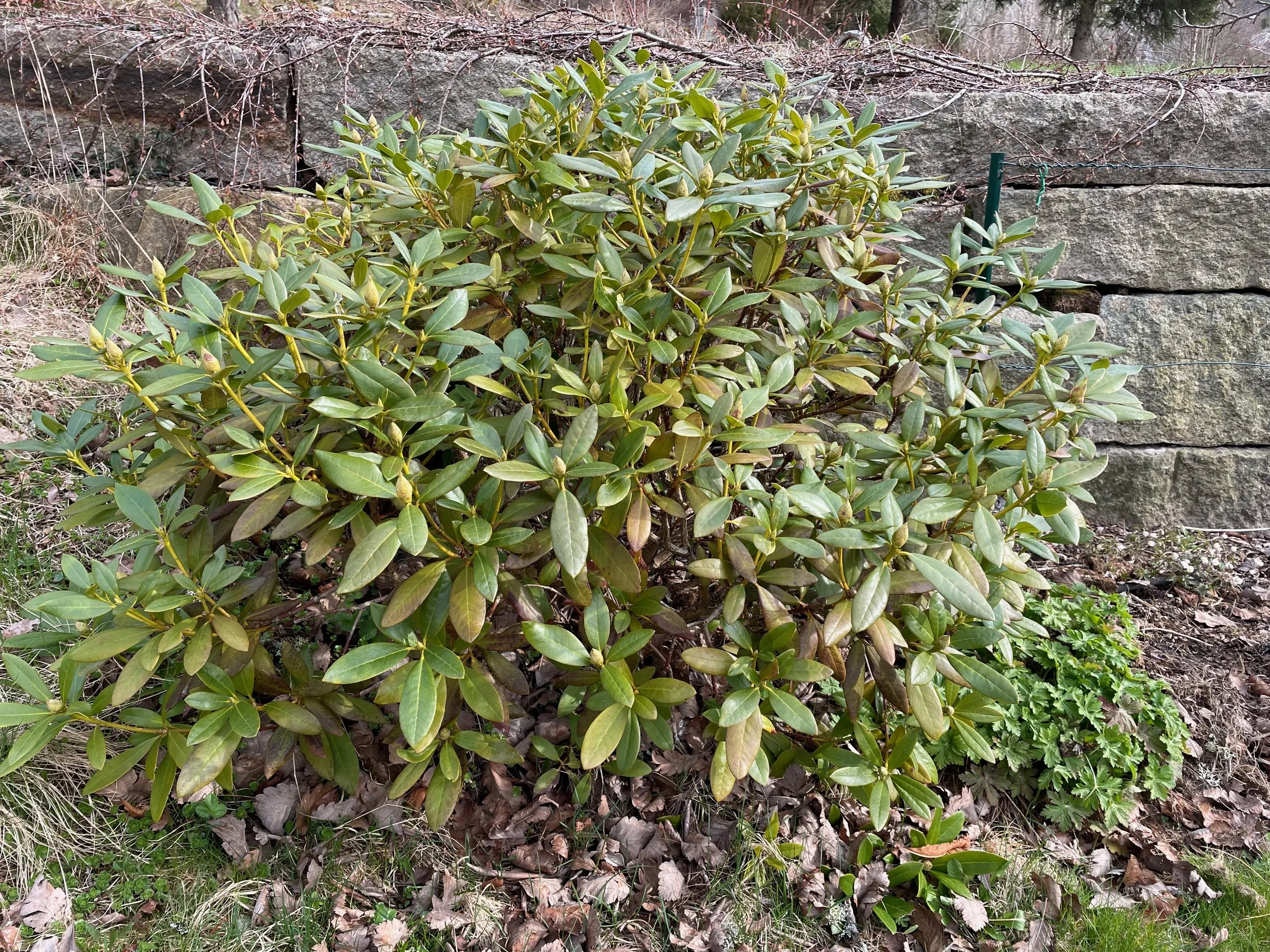
Shrubs often show winter stress more clearly.
Inspect for:
snapped branches from snow load
frost damage at branch tips
bark splitting
sections that remain dry and brittle
Use clean secateurs to remove dead wood until you reach healthy green tissue.
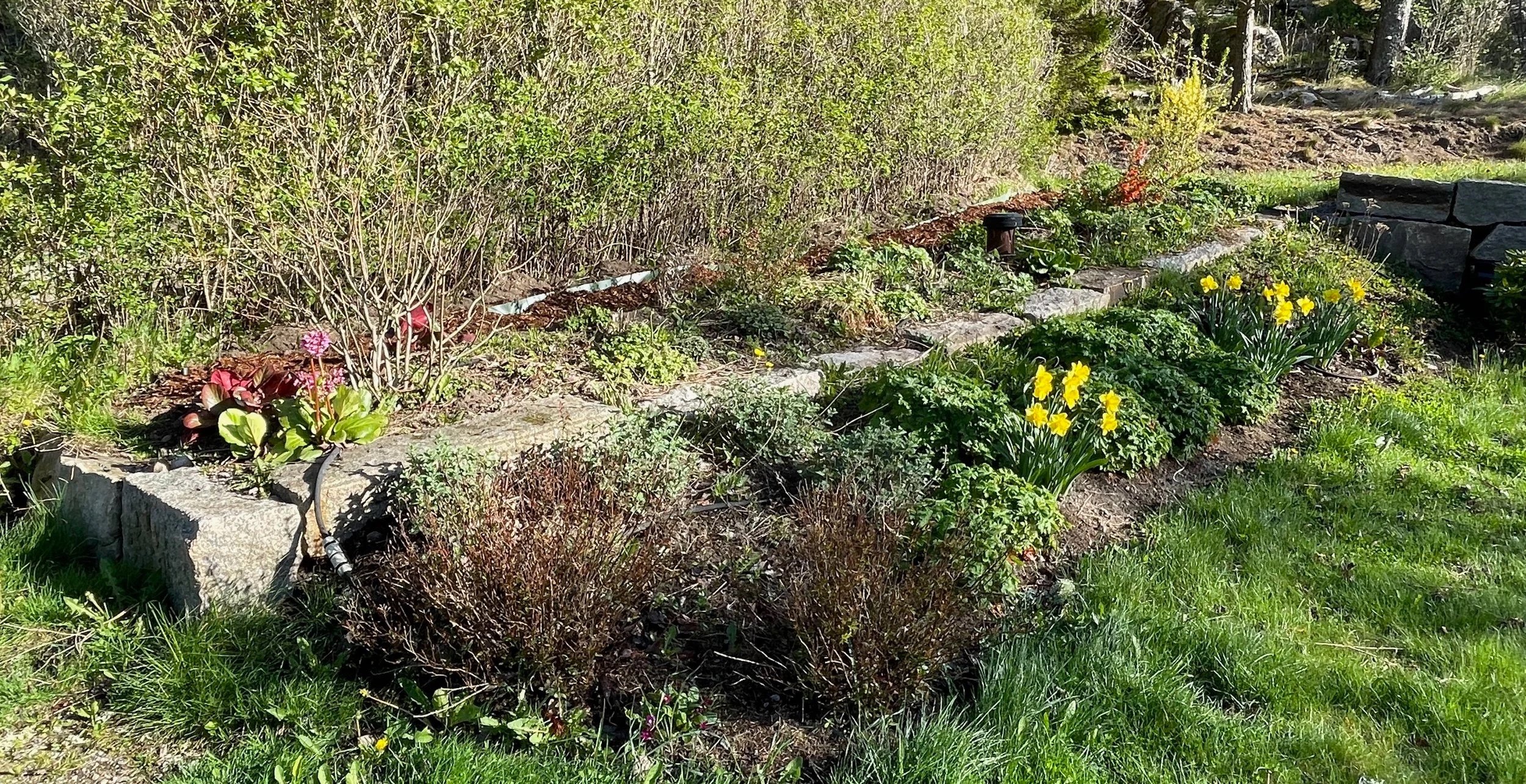
Hydrangeas, roses, currants, and ornamental shrubs often benefit from gentle spring shaping.
Trees Need Attention Too
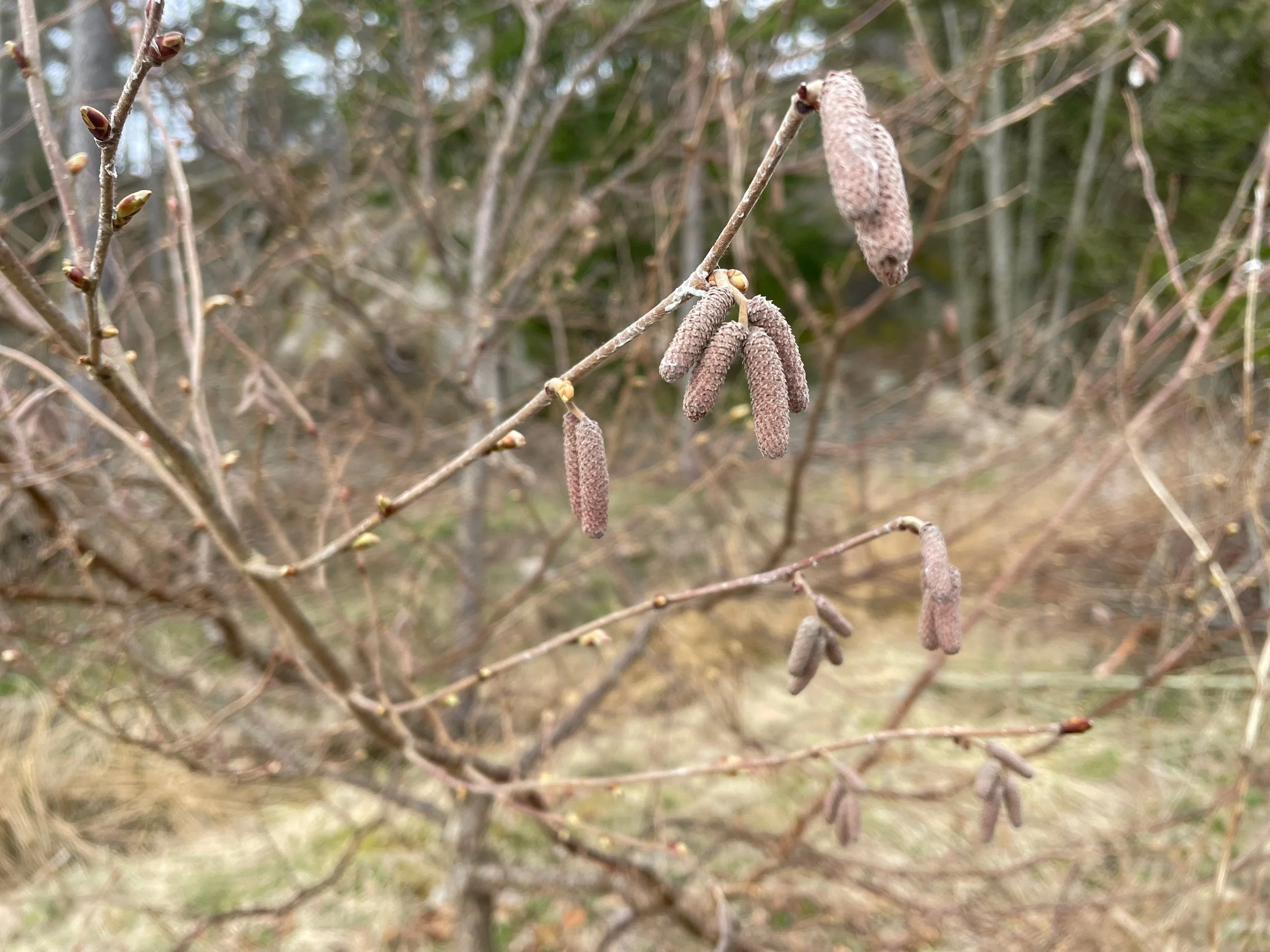
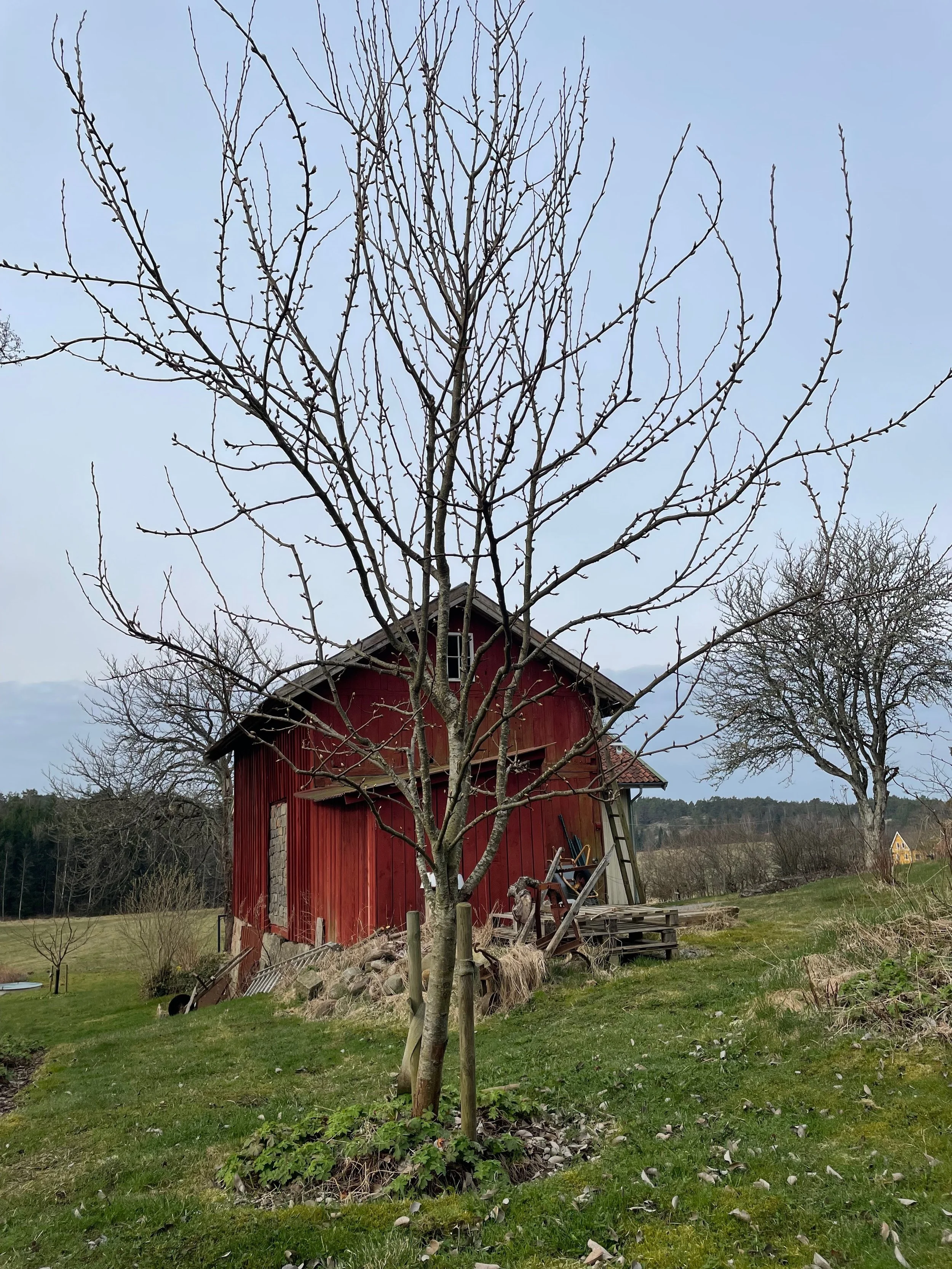
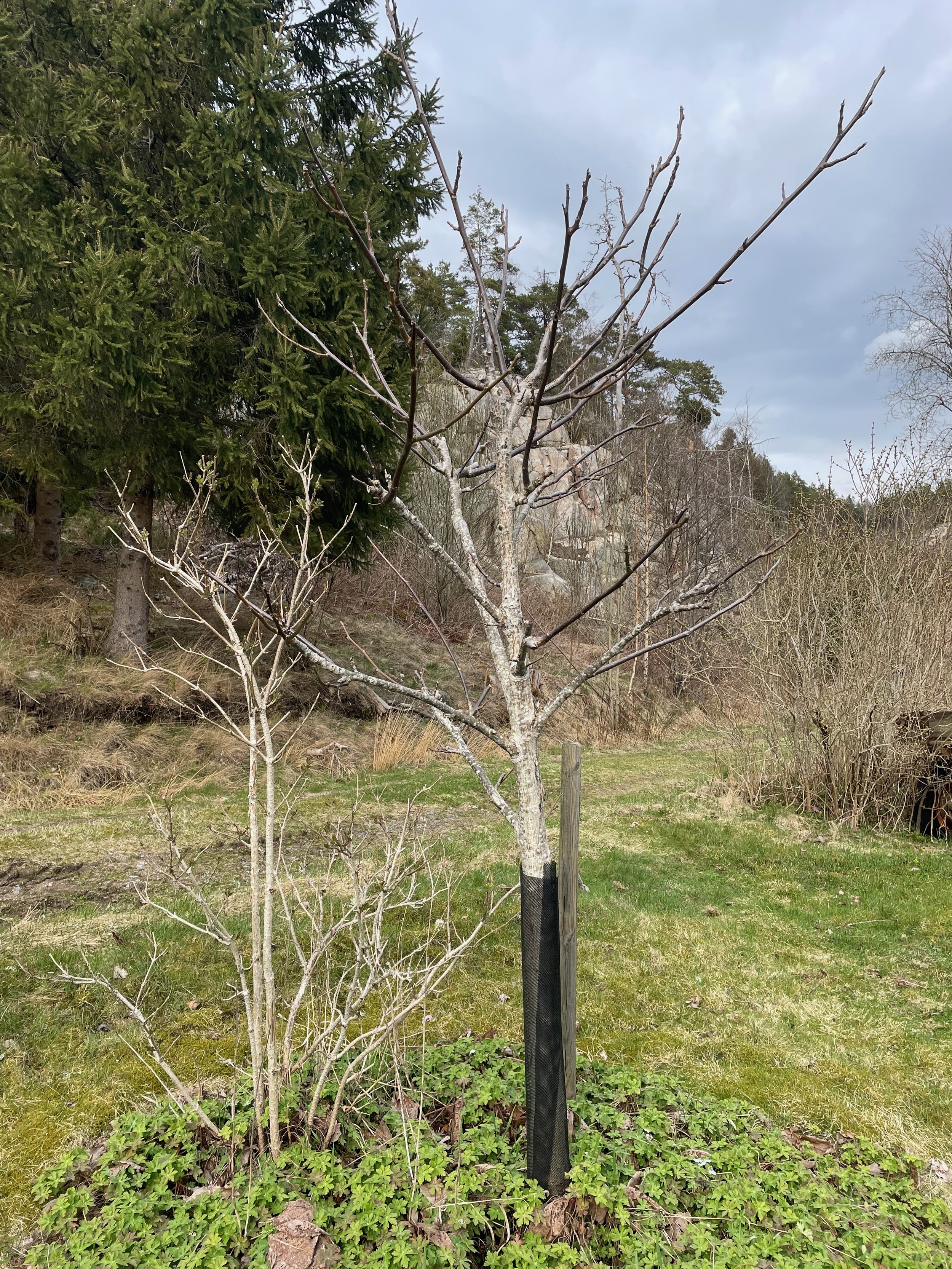
Young trees are especially vulnerable after winter.
Check:
trunk damage from frost or animals
broken limbs
weak branch unions
fungal growth or cracks
Prune only damaged or crossing branches unless the species requires seasonal pruning.
A tree inspected in spring is far easier to manage than one neglected until summer.
Don’t Rush to Replace
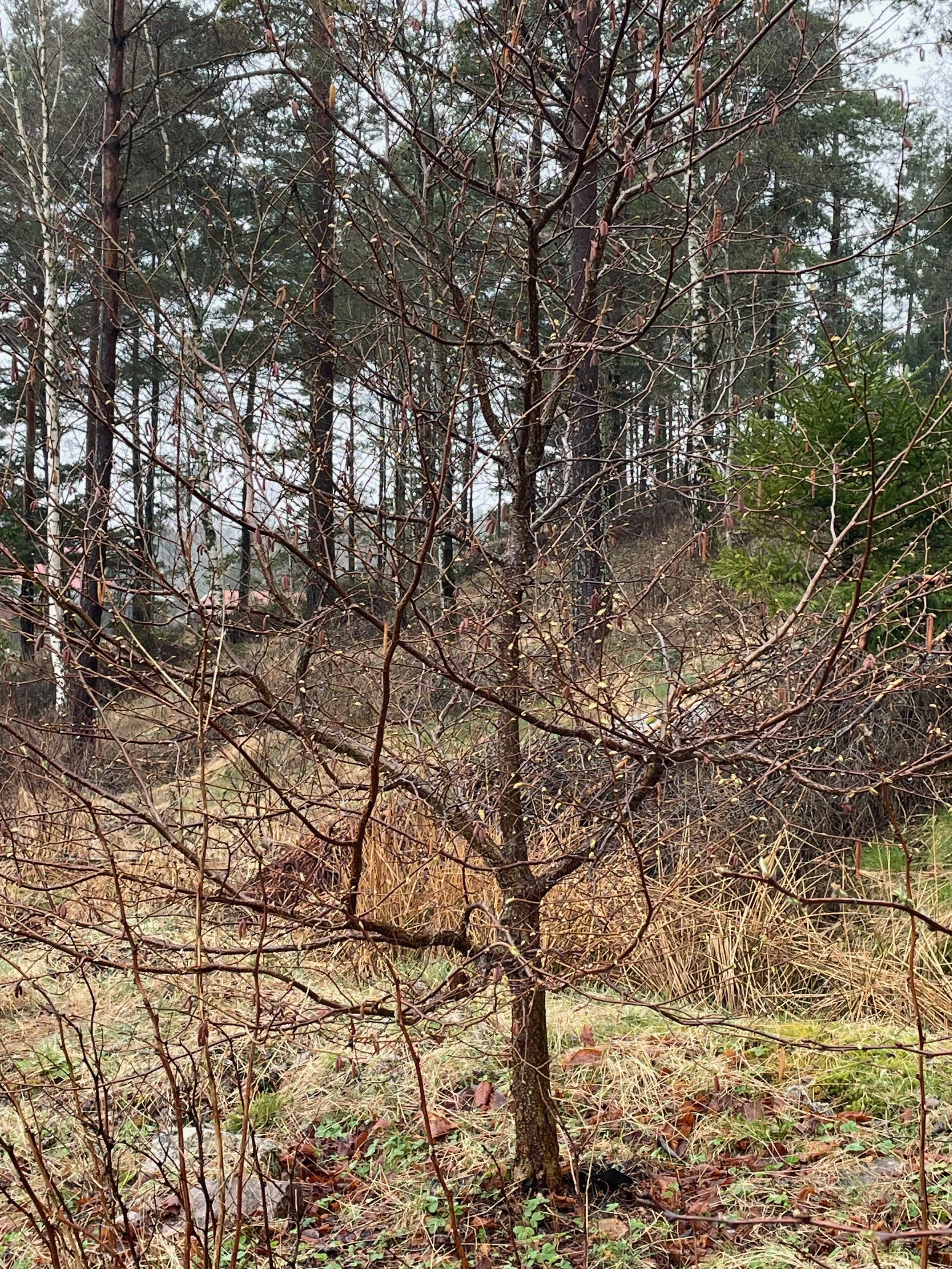
The most common spring mistake is removing plants too soon.
Northern gardens operate on their own calendar. Sometimes survival looks delayed, not dead.
Give your garden time, and remember Spring is full of surprises.
Explore more: Nordic Garden→