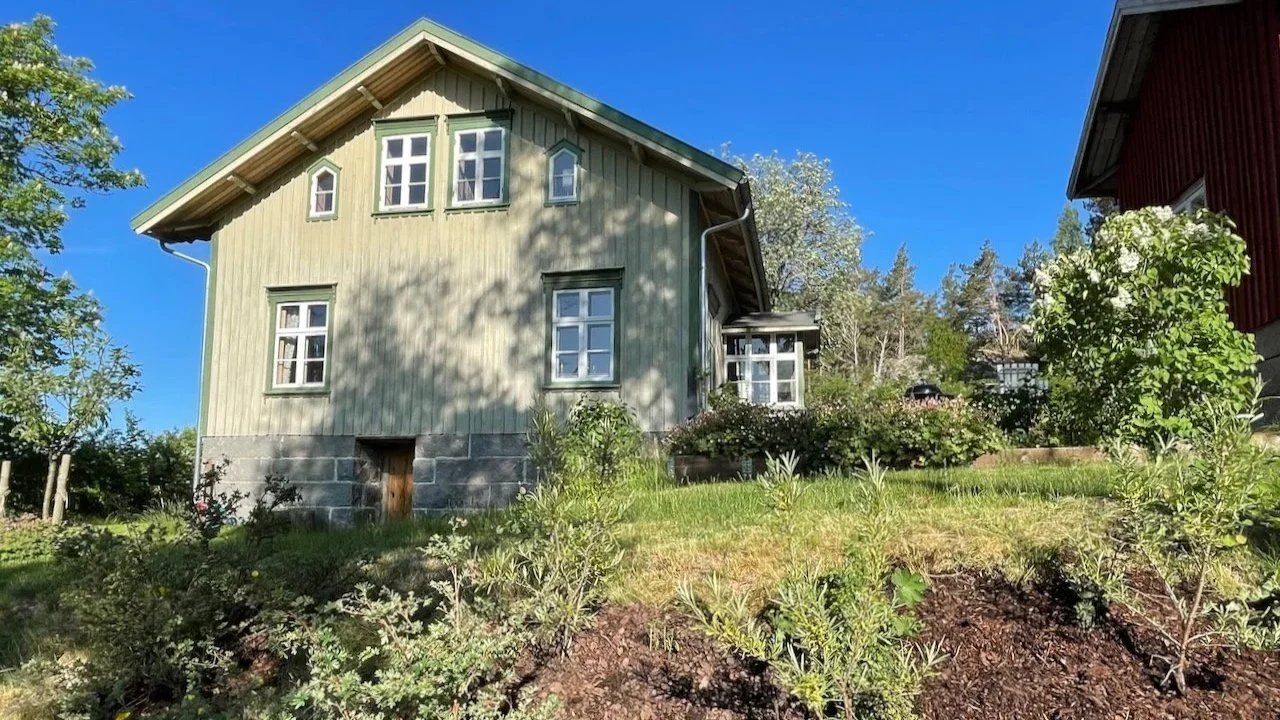
Planting the Nordic Garden
A Nordic garden
To create a resilient and enduring Nordic garden, planting begins with two essential foundations: healthy soil and climate-adapted plant selection.
In Scandinavian garden design, planting is never only about appearance. It is about long-term balance, working with the climate, strengthening the soil, and choosing species that can thrive under Nordic conditions of light, wind, and seasonal change.
This is the stage where the garden shifts from structure to life.
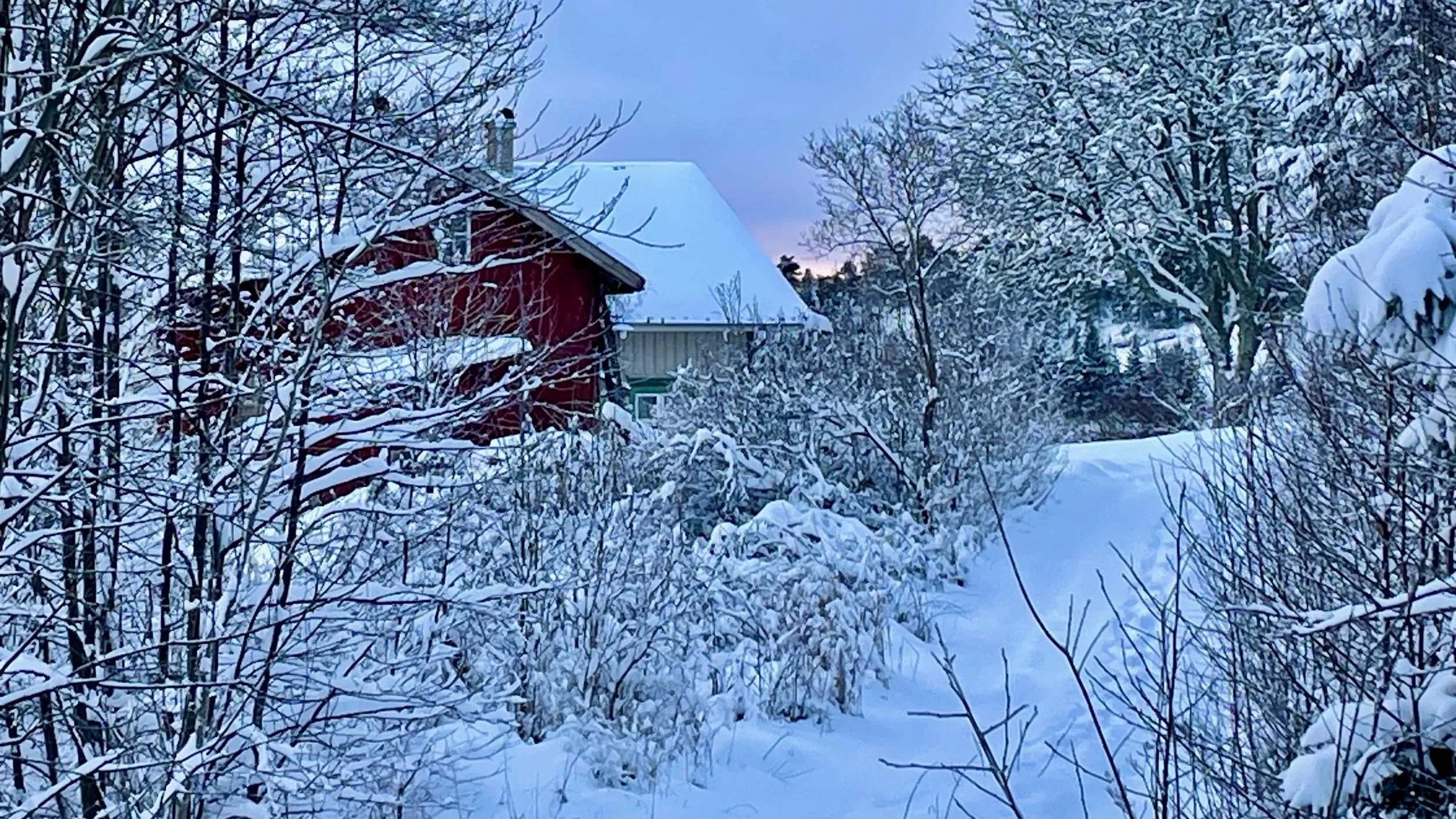
Shaped by Light, Weather, and Season
In coastal regions of Scandinavia, such as southwestern Sweden and parts of southern Norway, the maritime climate creates conditions often described as Nordic hardiness Zone 3 (roughly corresponding to USDA Zones 5–6).
Winters are moderated by the sea, but still cold by international standards. The growing season is shaped less by heat and more by long daylight hours, cool temperatures, and shifting weather patterns.
For this reason, successful Nordic gardens rely on hardy, cold-tolerant plants that can withstand wind exposure, seasonal variation, and relatively short summers.
Understanding this climate context is the starting point for all planting decisions.
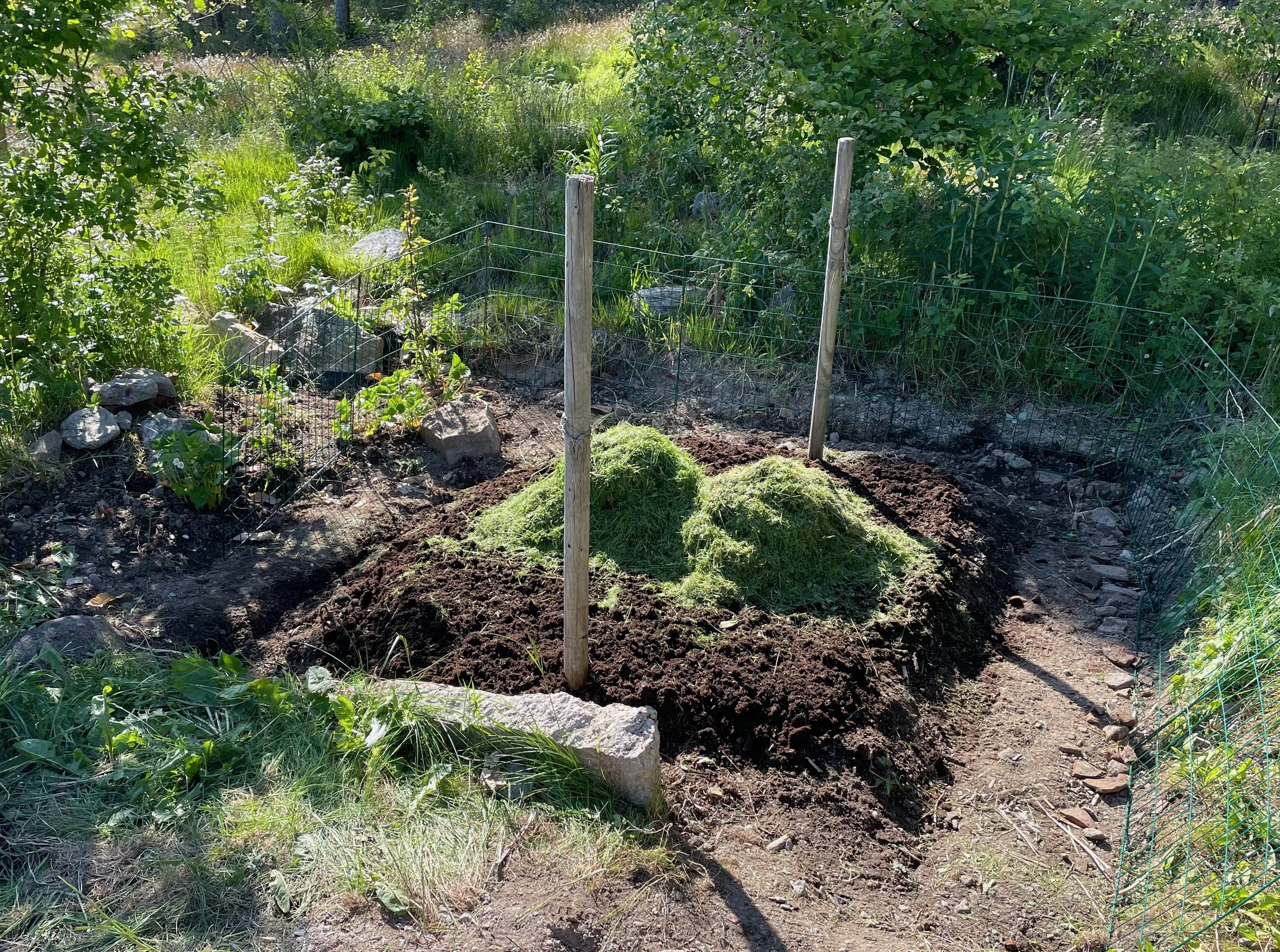
1. Soil as the Foundation of Growth
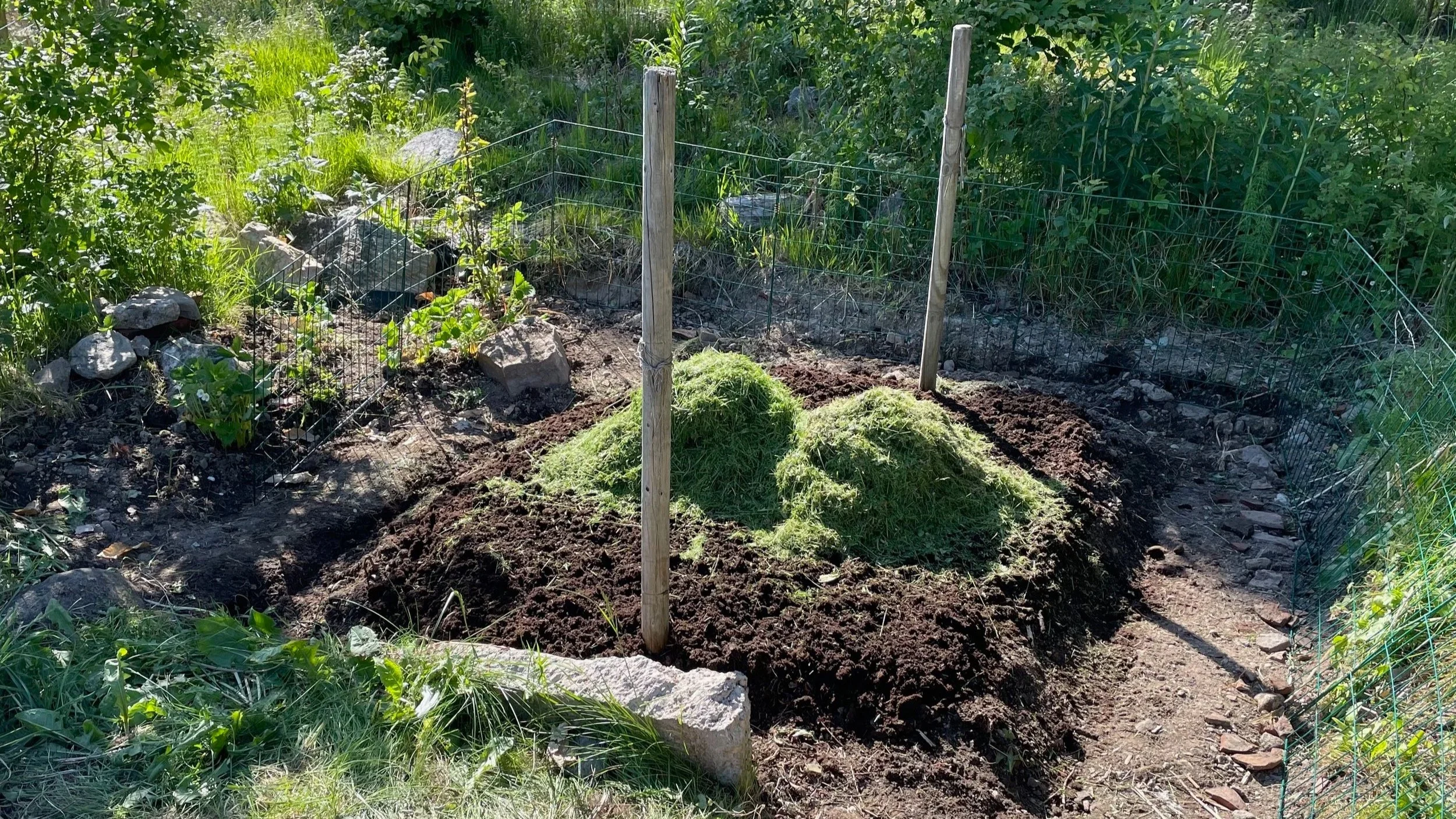
Healthy planting begins below the surface. In a Nordic garden, soil quality is the most important factor in establishing long-term plant vitality. Soil must be:
Rich in organic matter
Well-draining yet moisture-retentive
Structurally balanced and aerated
Improvement is achieved through the regular addition of organic material such as compost or well-matured manure. Over time, this builds soil fertility, strengthens structure, and creates the conditions needed for stable plant growth.
Strong plants always begin with healthy soil.
2. Climate and Plant Selection
Once the soil is prepared, plant selection becomes the defining layer of the garden. In Nordic garden design, plants are chosen not only for appearance, but for resilience and adaptability. Each species must be able to withstand local conditions while contributing to the overall structure of the landscape.
This includes considering:
Hardiness zone and frost tolerance
Wind exposure and coastal influence
Seasonal growth patterns
Light conditions throughout the year
The goal is not abundance, but endurance, and plants that return, strengthen, so they can evolve over time.
3. Thinking Mature Form
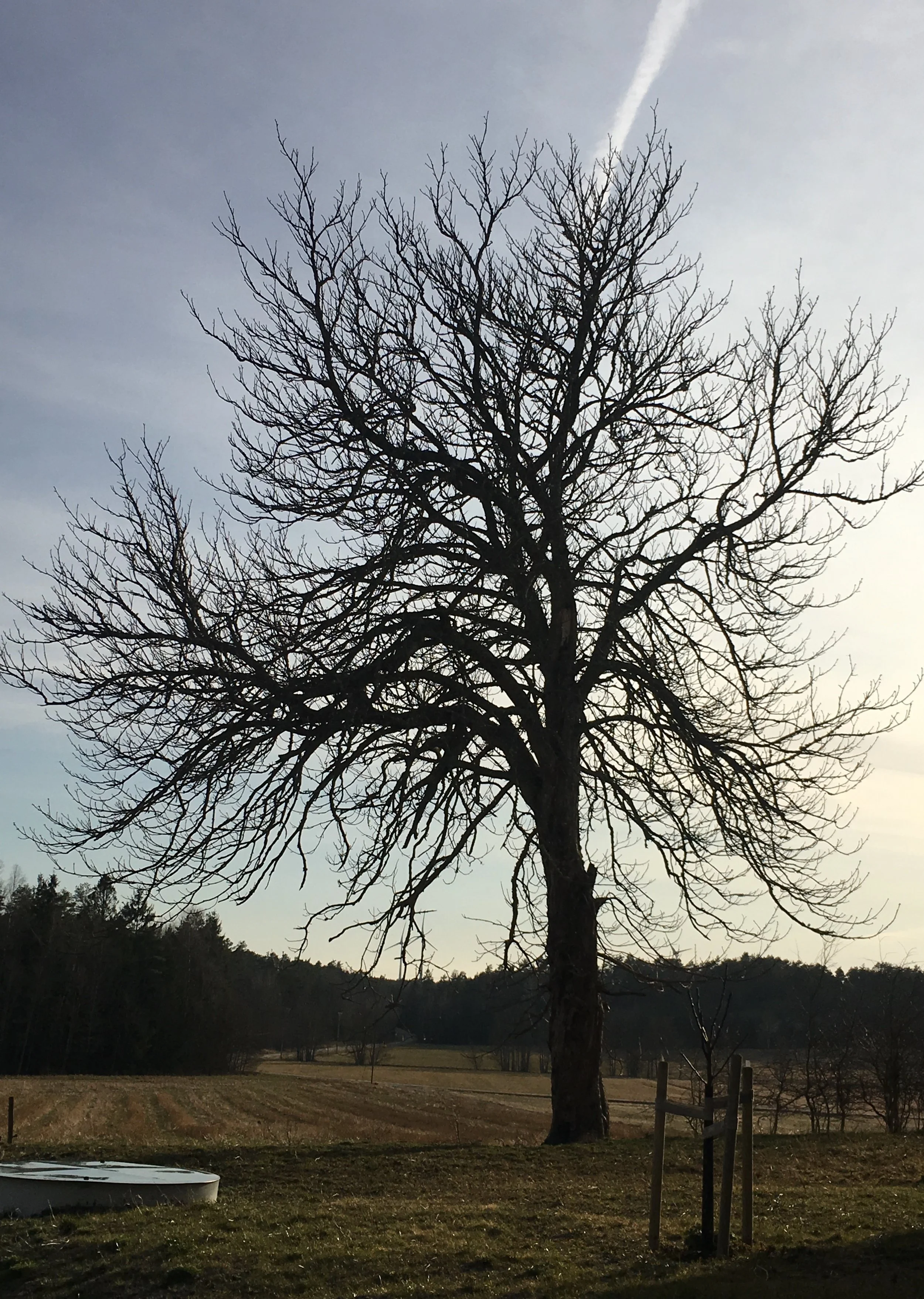
A key principle in Scandinavian planting design is foresight. Plants, especially trees and shrubs, must always be considered in their mature form. Their eventual size, shape, and spatial presence determine how the garden will function in the future.
This long-term perspective ensures that the garden remains balanced, where no element overwhelms the structure, and every planting contributes to a cohesive whole.
In a Nordic garden, time is part of the design.
From Planting to Living Landscape
Once soil and planting are established, the garden enters its most dynamic phase.
Structure, terrain, and vegetation now begin to merge, forming a living landscape shaped by climate, material, and time.
The Nordic garden is no longer being built, it is beginning to grow.
Next step: Discover What We Planted in the Nordic Garden →
Articles: Nordic Vineyard and Terrace →
Back to: Nordic Garden→