
Every renovation is a series of choices. To preserve, adapt, or replace, each decision shapes how a building continues its life.
There is no fixed formula for balance. Instead, it emerges through an understanding of historic renovation principles, where each intervention responds to the building rather than imposing upon it.
Balancing Old and New
The Nature of Balance
Balance is not symmetry. It is a relationship between what remains and what is introduced. In many cases, the most meaningful approach is to retain as much as possible, allowing the building’s authentic features to continue defining its character.
When to Preserve
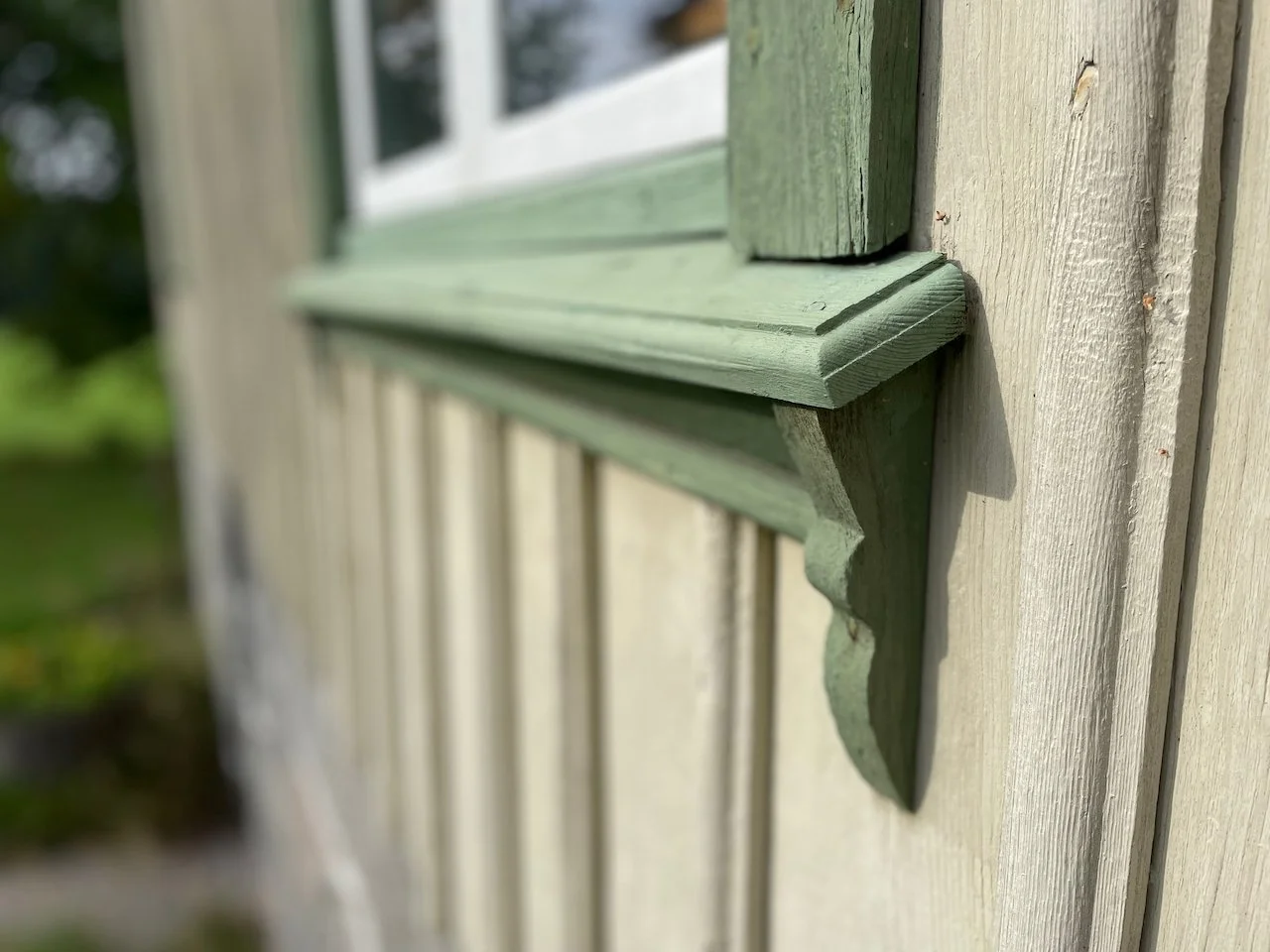
Preservation is often the most sustainable choice. Original materials were selected and worked in ways that are difficult to replicate today. Their value lies not only in appearance, but in how they function within the structure, something closely tied to traditional materials and linseed oil paint.
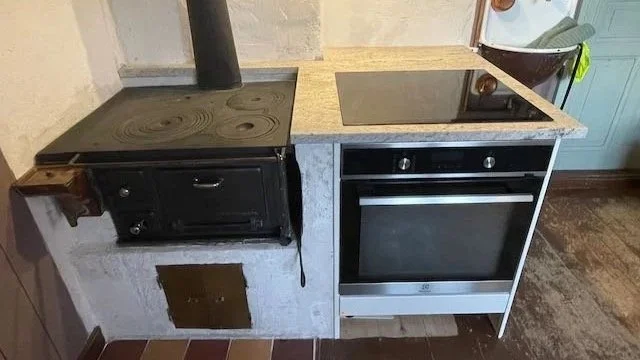
Adaptation becomes necessary when new functions are introduced. The challenge is not to avoid change, but to guide it and ensuring that new elements support the building rather than dominate it. This approach builds on the thinking explored in modernization and renovation.
When to Adapt
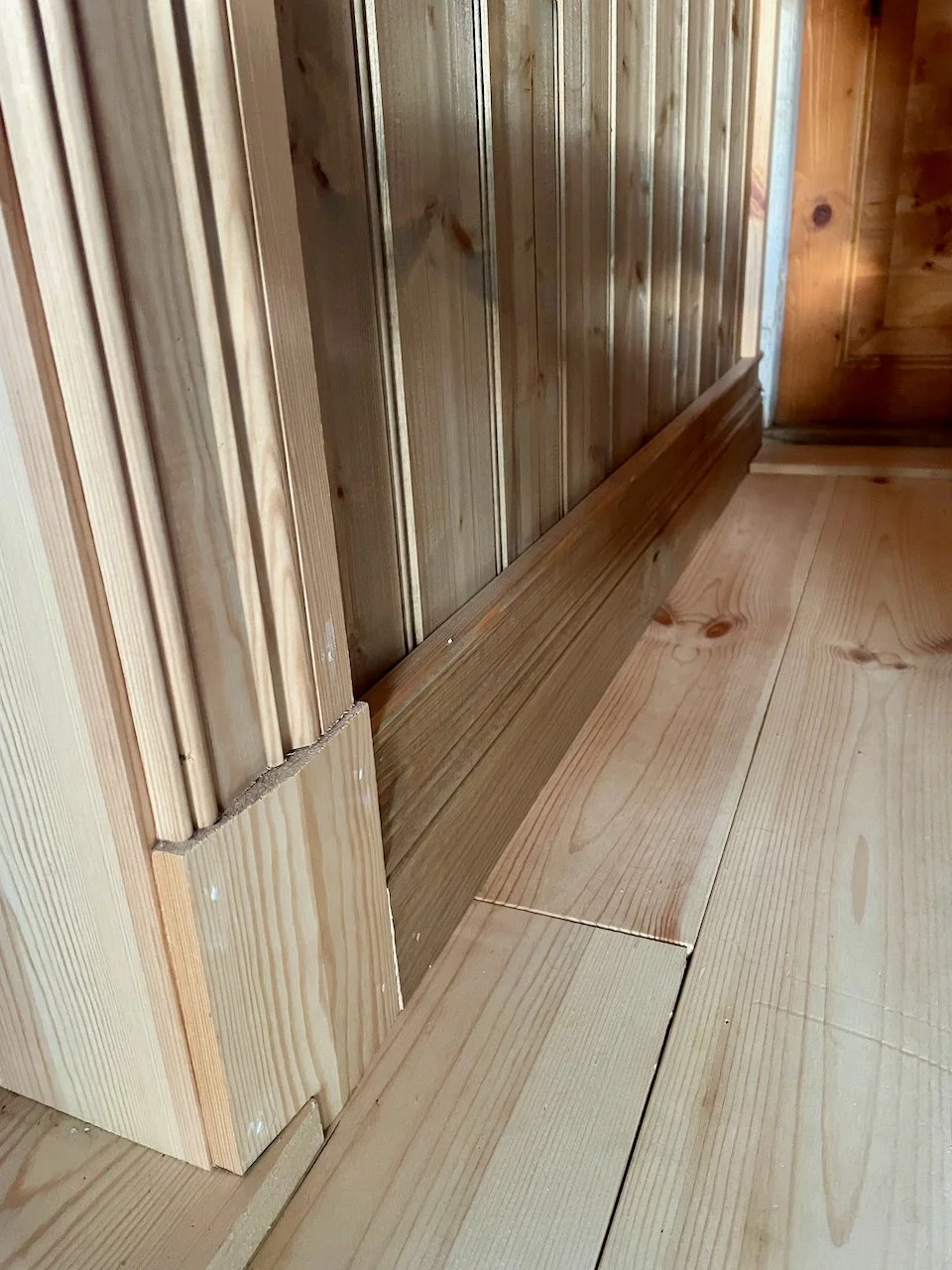
Every building offers clues. Materials, wear, proportions, and past alterations all inform what should be done next. These insights are often uncovered through the process of restoring the past, where careful observation replaces assumption.
Reading the Building
The goal is not perfection. It is continuity. A building should be allowed to carry its history forward, with new layers added carefully over time. This perspective is rooted in the same understanding found in the history of the farmstead, where change is part of the story, not separate from it.
Continuity Over Perfection
Subtle Contrasts
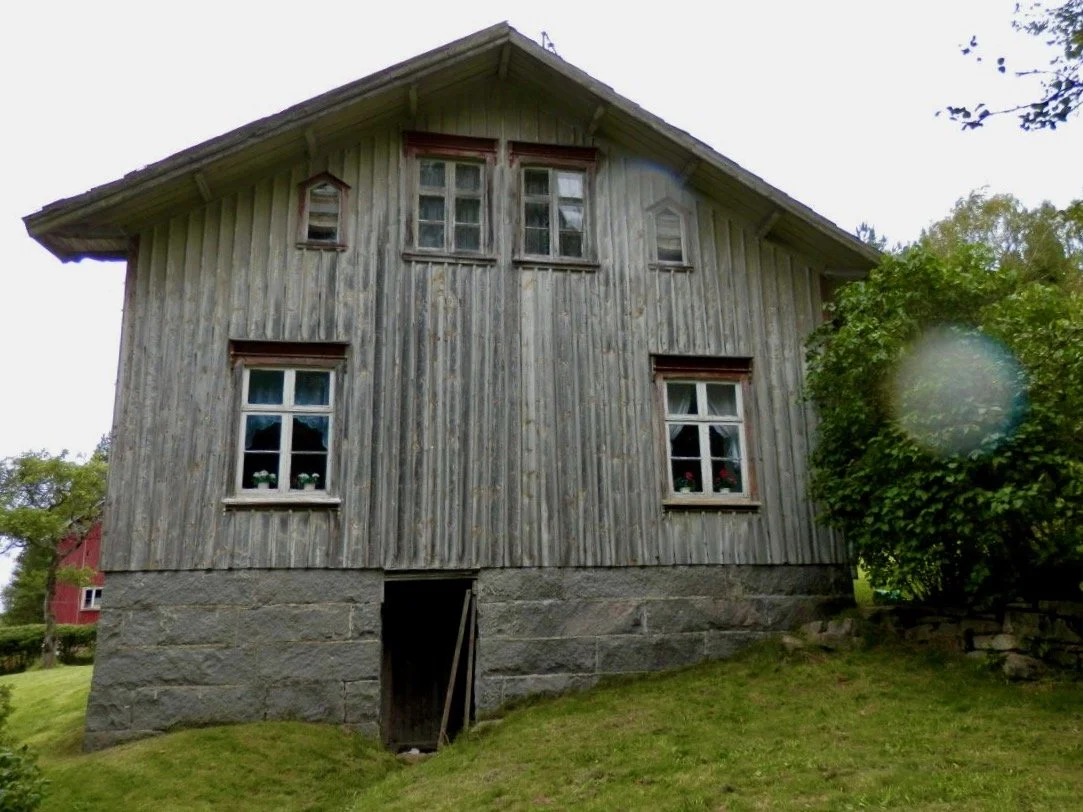
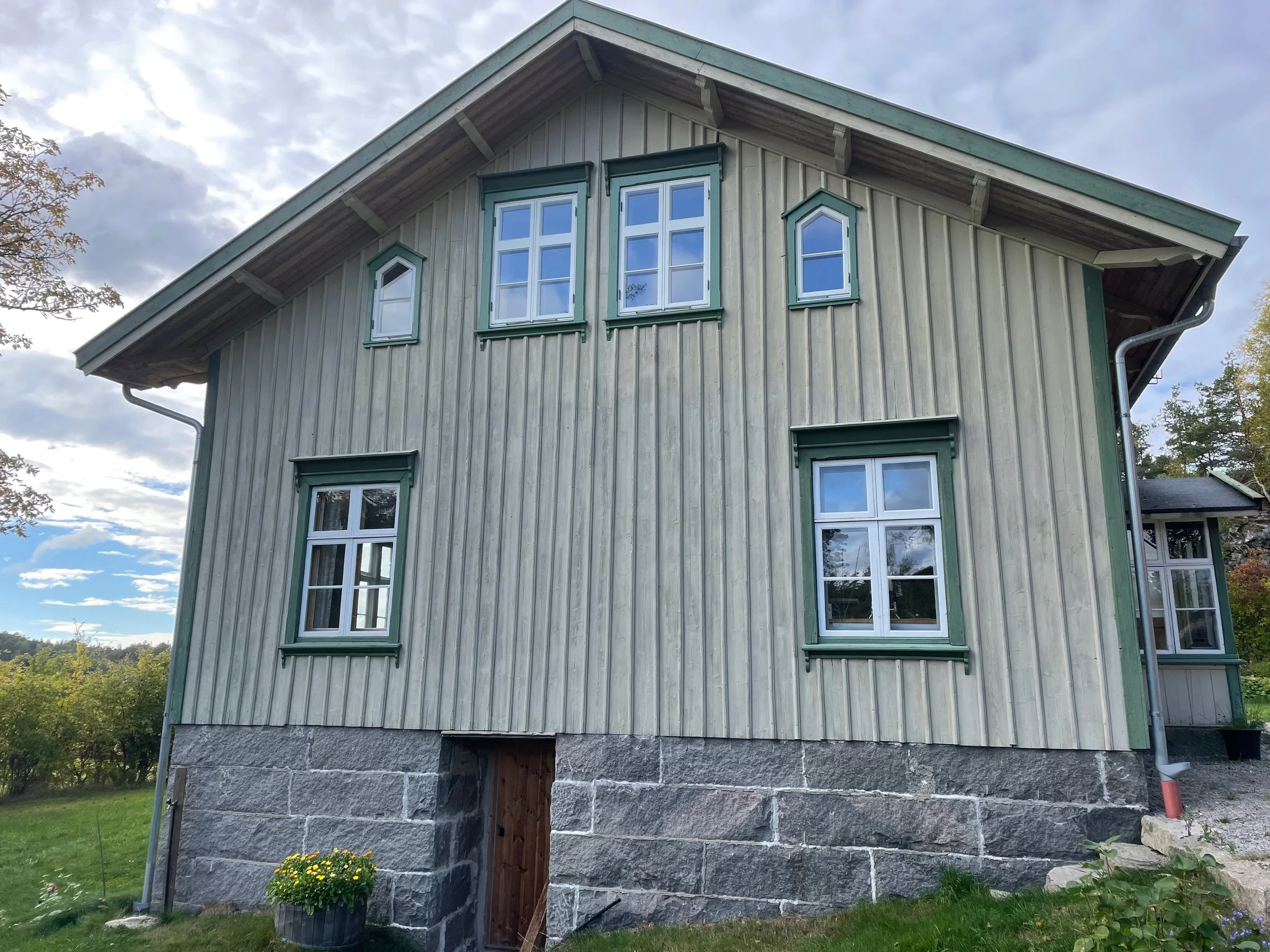
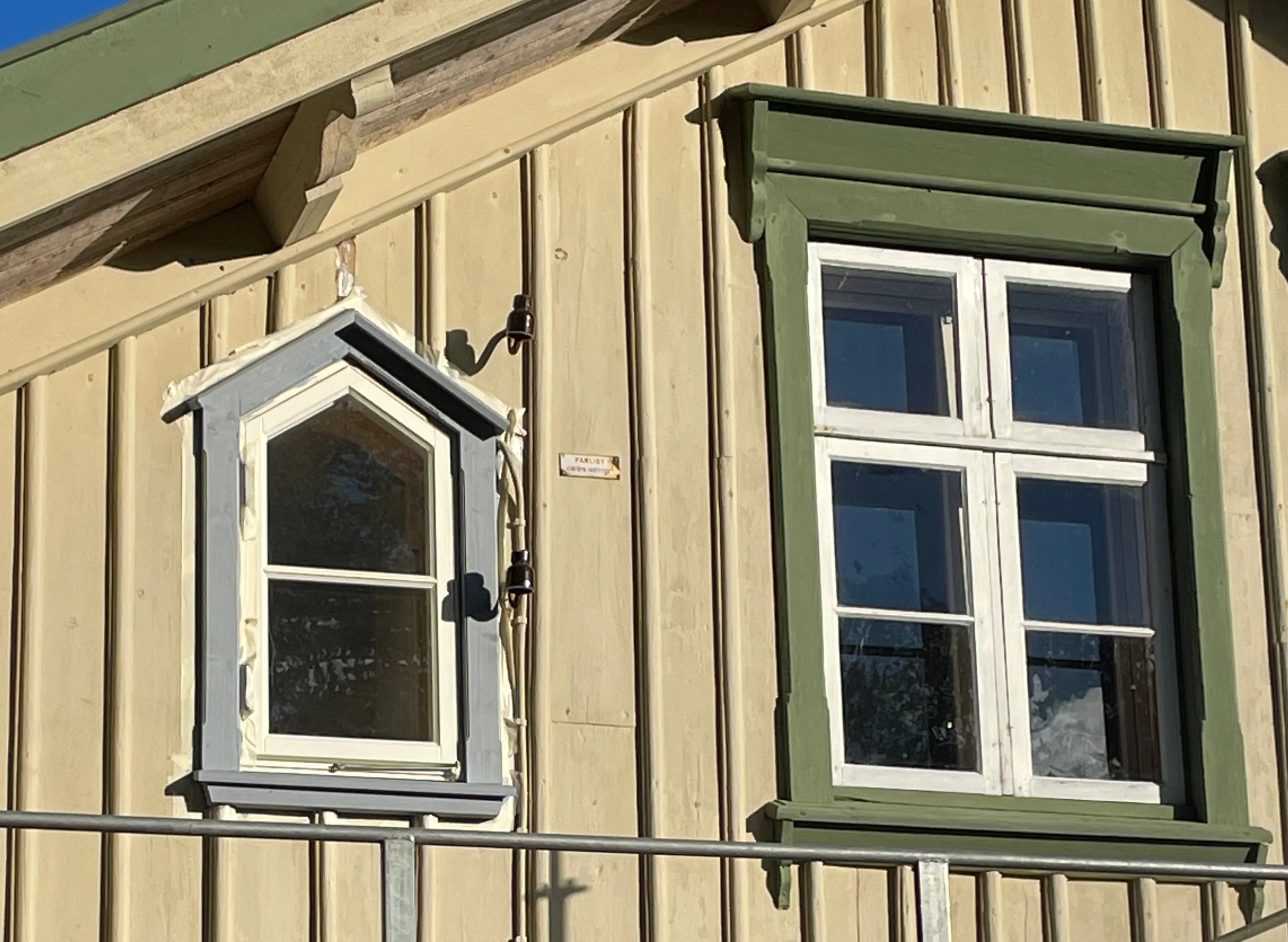
Balance is often most visible in contrast, between rough and refined, old and new, untouched and carefully adjusted. The upper level also got new traditional windows in an old design.
Article: Modernize or Time-Travel →
Article: Vintage Kitchen Made Modern →
Next: History of the Farmstead →
Back to: Restoring the Past→