Nordic Garden
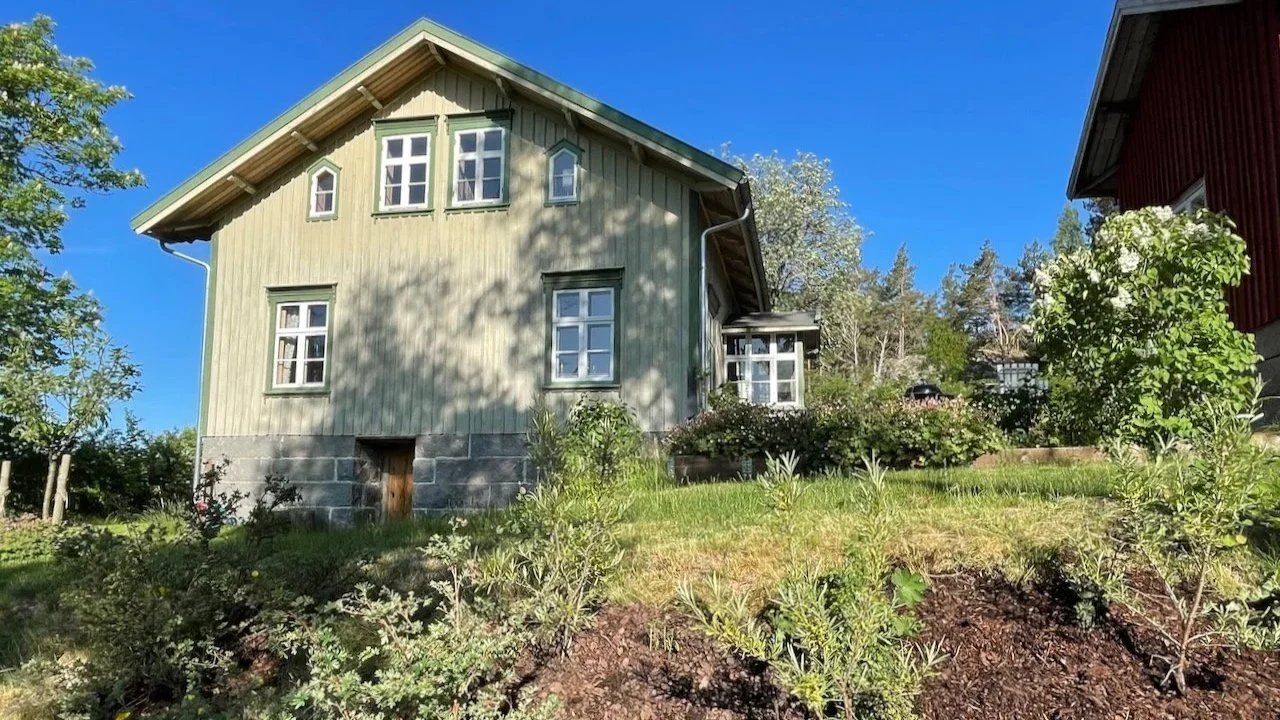
A Nordic garden is shaped by seasons more than intention.
What grows does so in rhythm with light, temperature, and time.
Between cultivated beds and the forest edge, the garden becomes part of a larger landscape.
This is a guide to designing, planting, and maintaining a Nordic garden across seasons, materials, and edible landscapes.

Starting a Nordic Garden
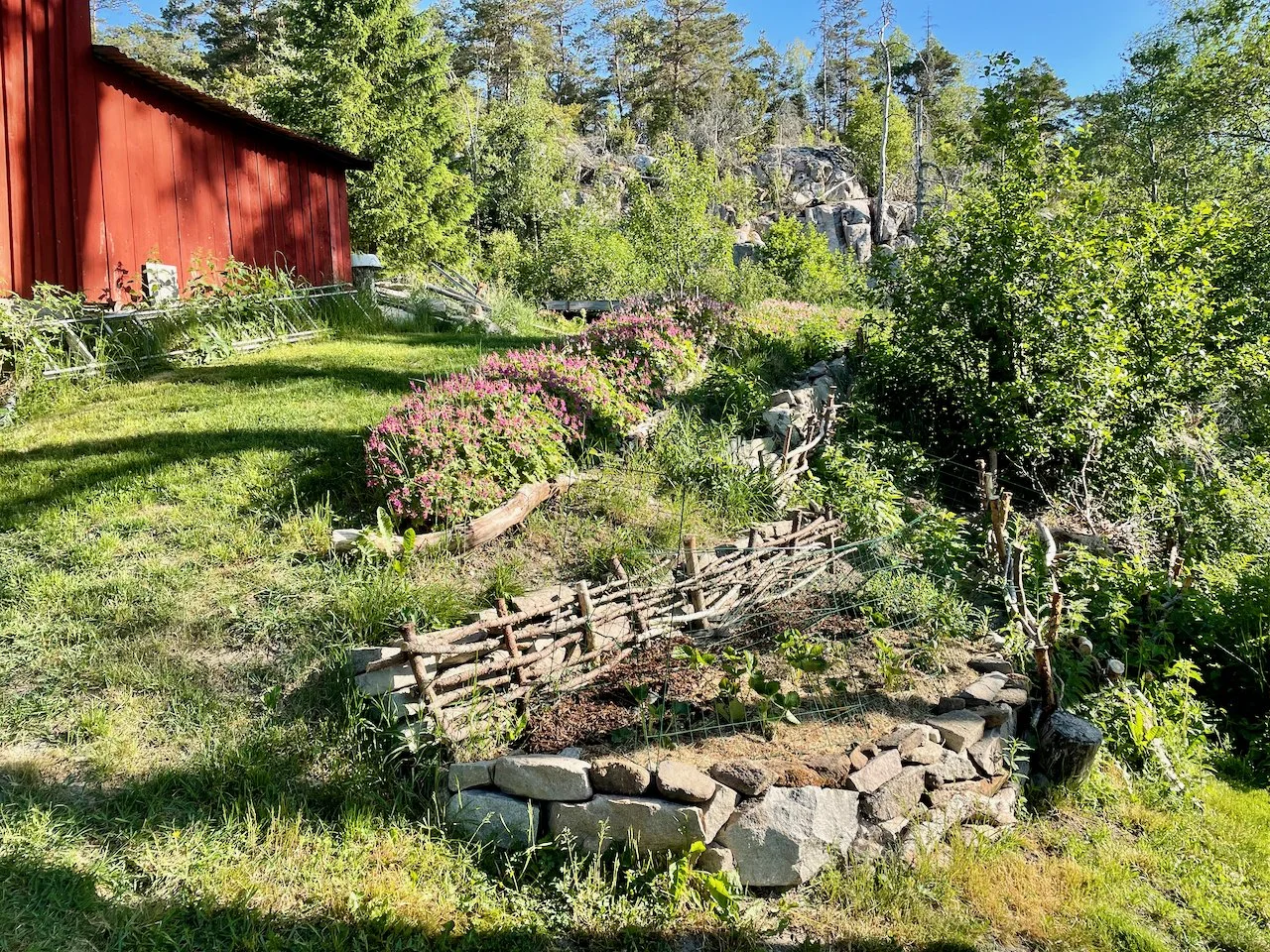
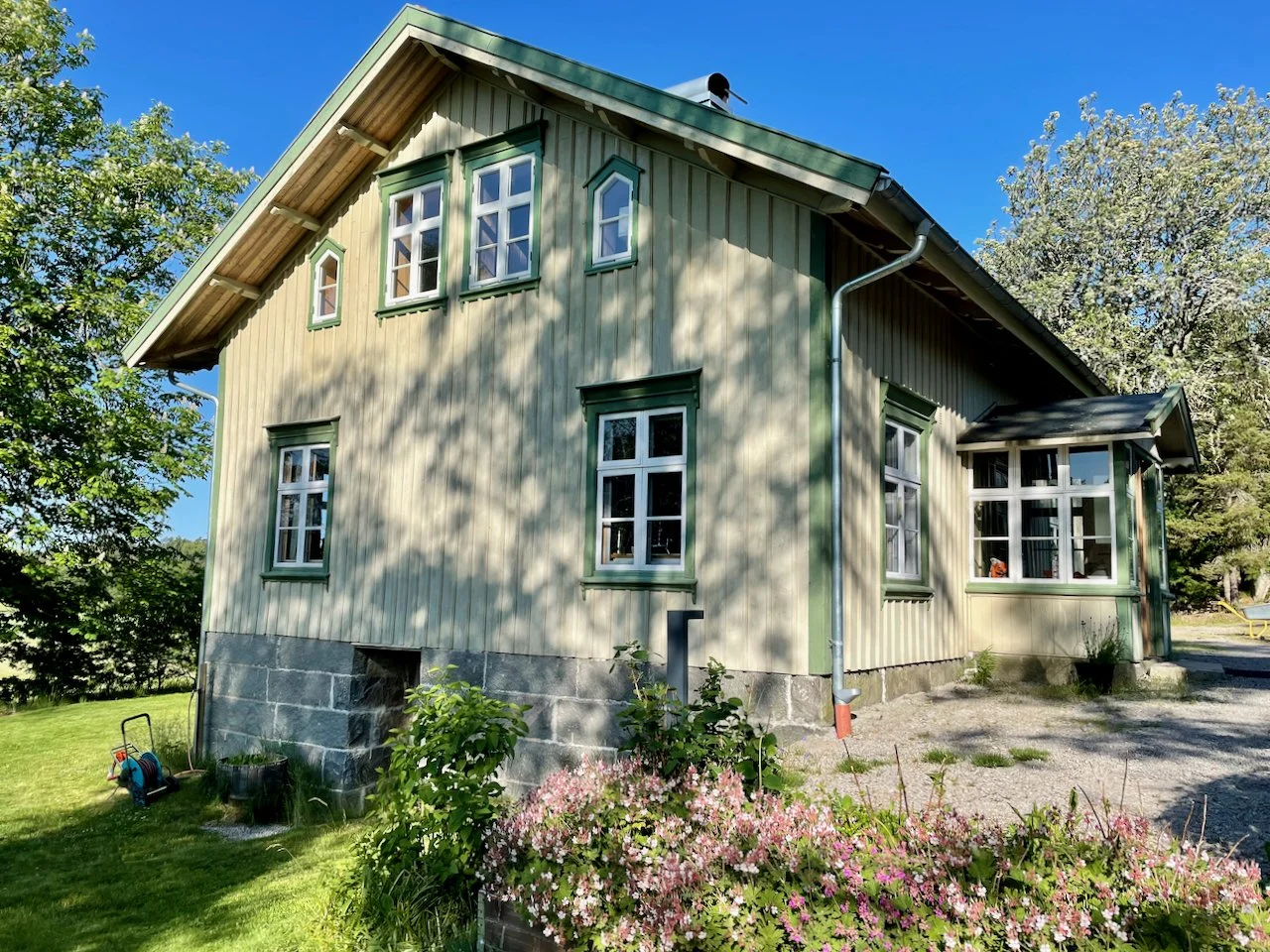
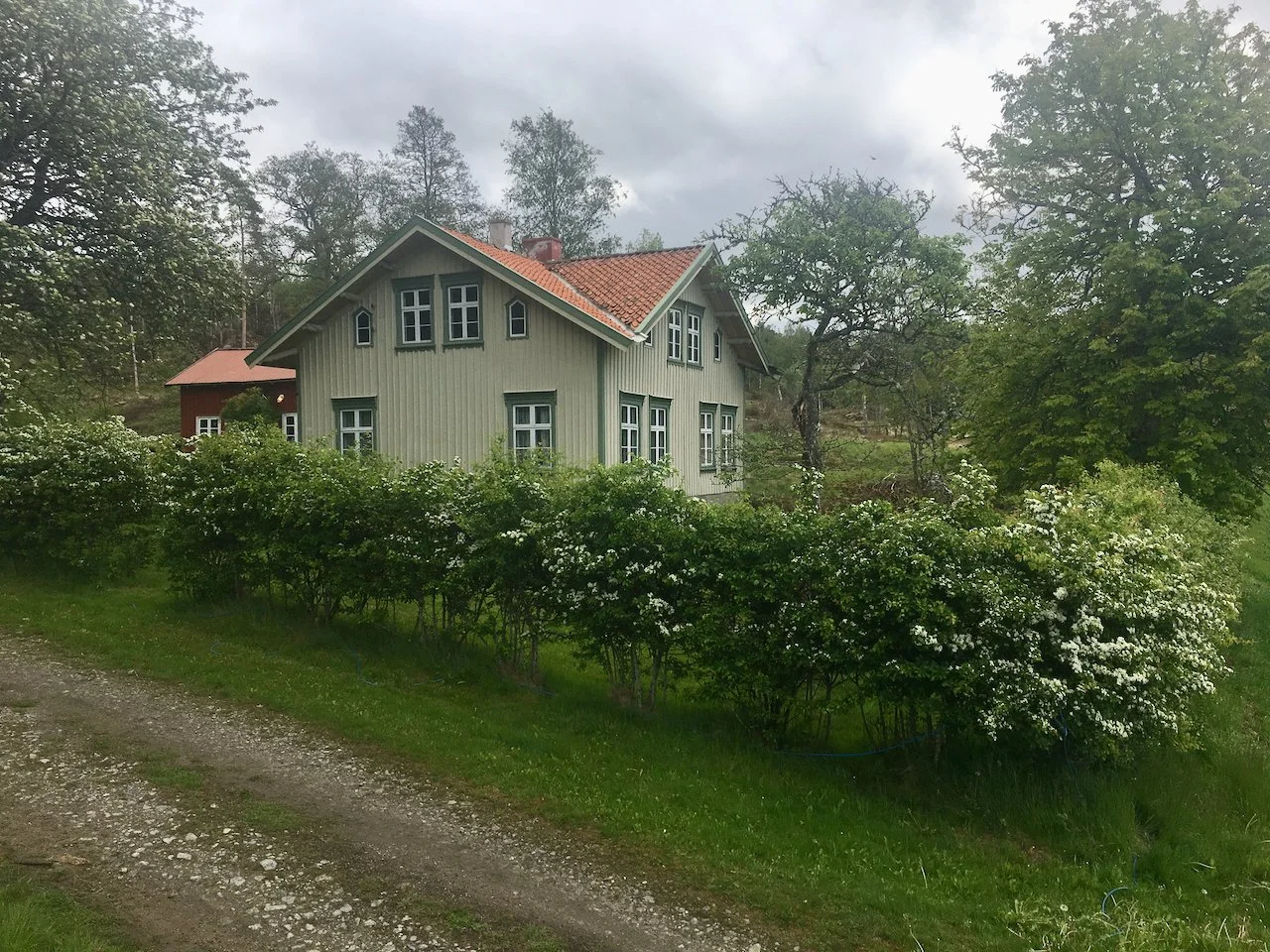
When we first took over the property, there was no defined structure - only potential. Rather than impose a design, we looked to the landscape itself for guidance.
What belongs here? What thrives in this climate?
These questions define how to start a Nordic garden. The goal is not decoration, but harmony - working with nature rather than against it.

Natural Materials and Nordic Landscape Design
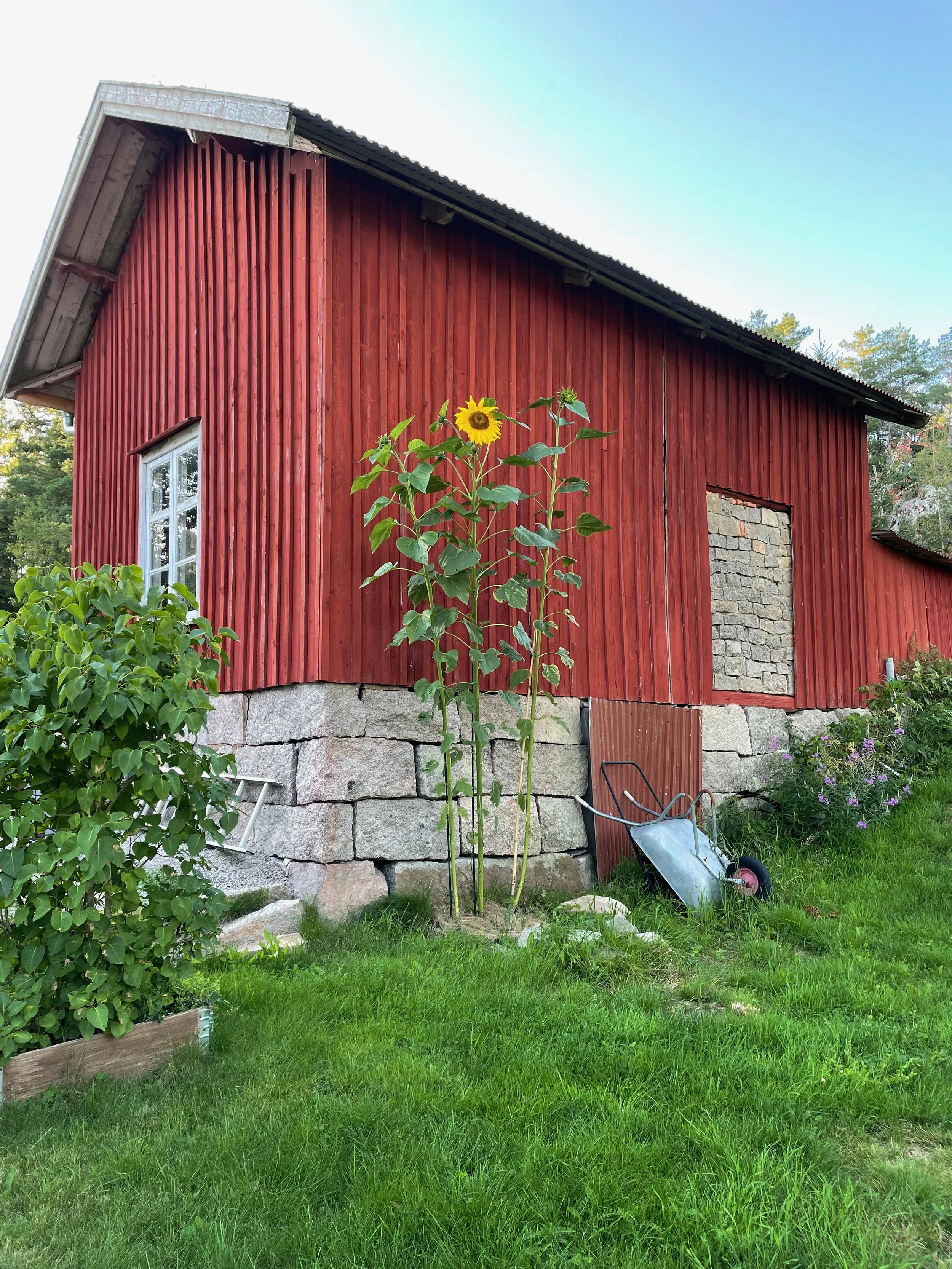
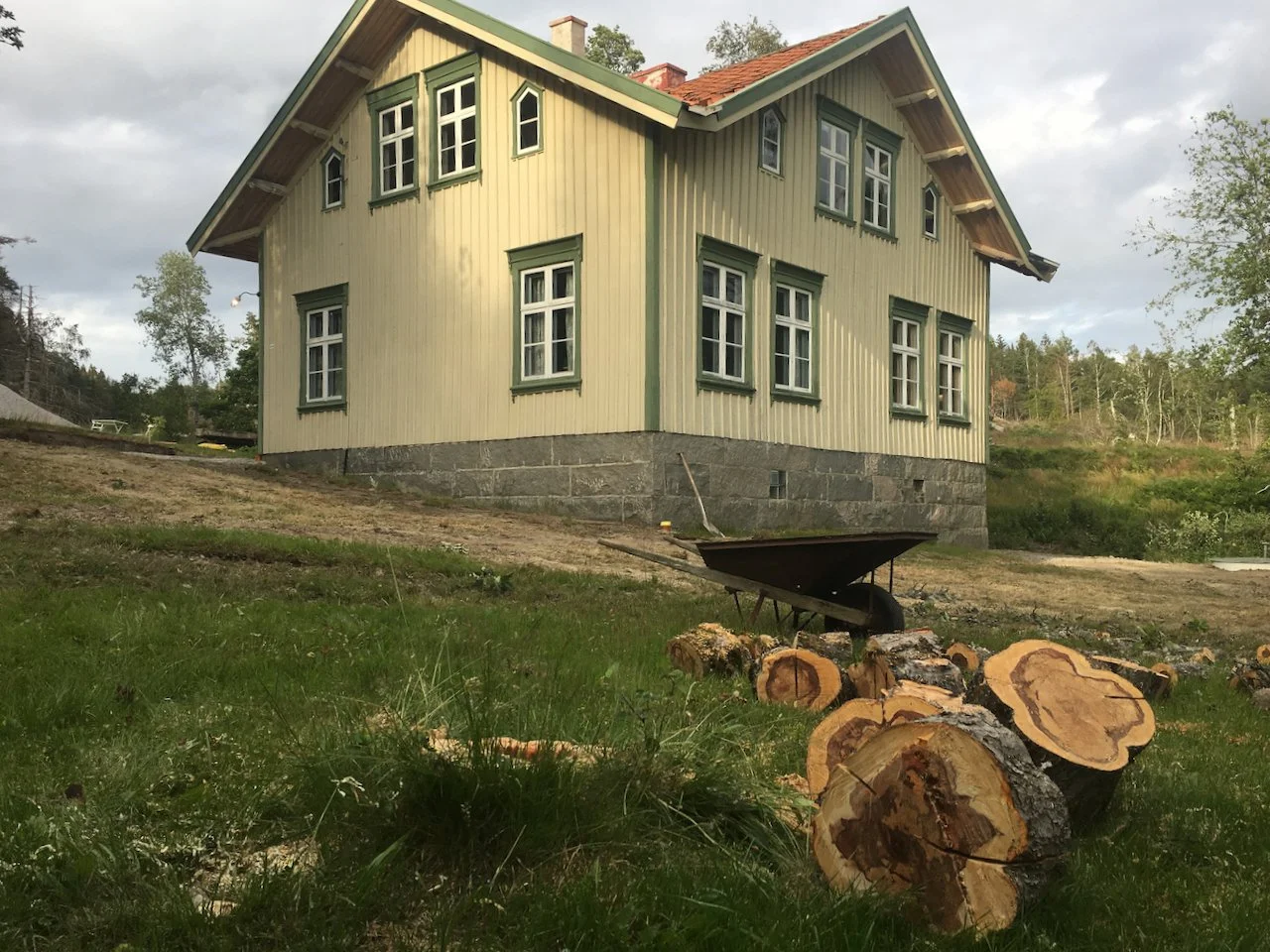
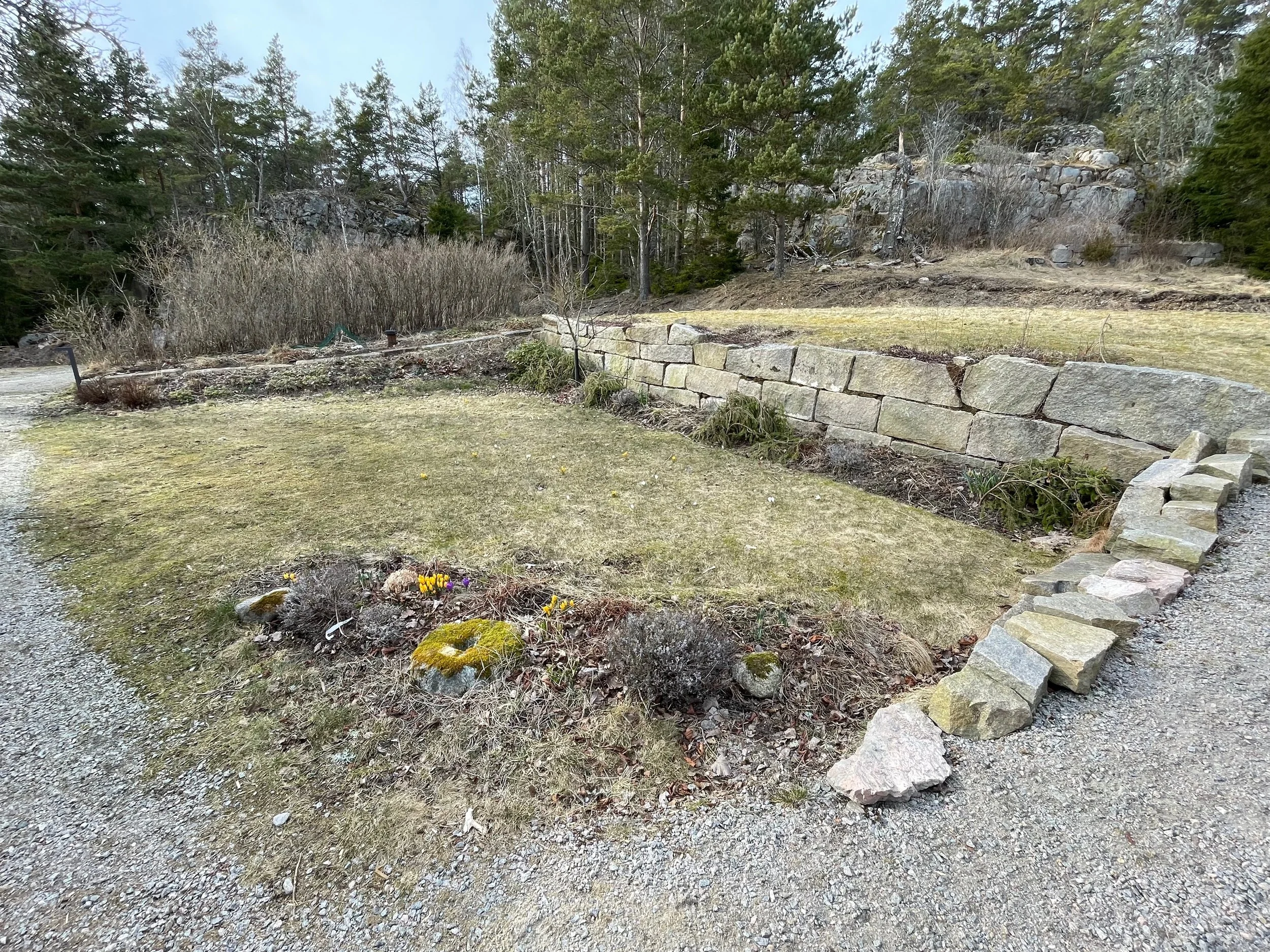
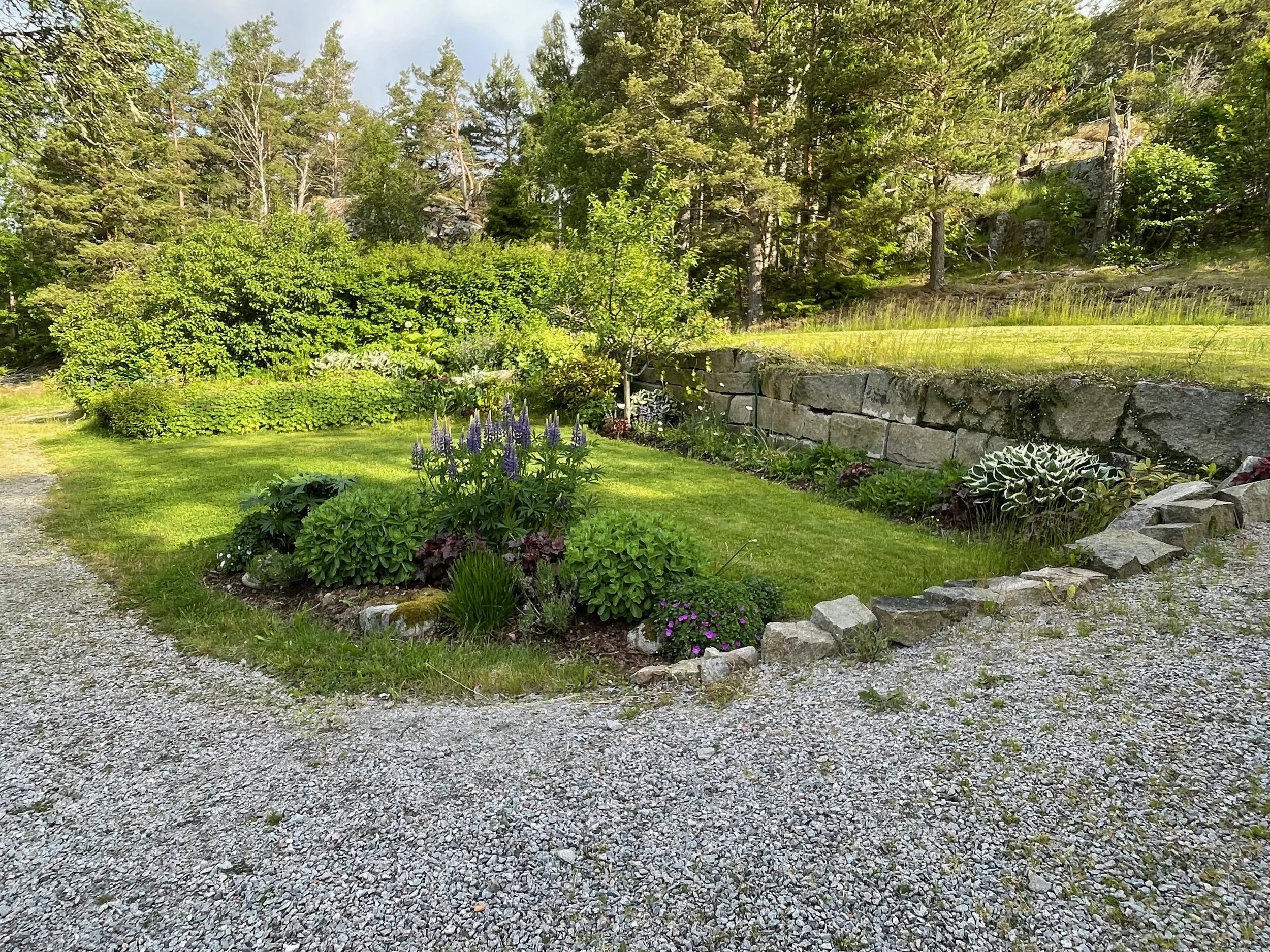
Local materials play a defining role in Nordic landscape design. Locally sourced Bohuslän granite, widely used across Scandinavia, provides structure without disrupting the natural setting, and used to shape terraces, edge pathways and to build low retaining walls.
Its muted tones and weathered textures create a sense of permanence, a key characteristic of Scandinavian outdoor spaces.
Seasonal Care in a Nordic Garden
The planting follows the same philosophy: restrained, seasonal, and enduring. It is not driven by abundance for its own sake, but by rhythm. Each season asks for a different kind of attention: to prepare, to support, to hold back, and to shape.
Together, these gestures form a garden that endures rather than performs. How the garden unfolds over time, how light moves across it, and how textures shift between growth and rest.
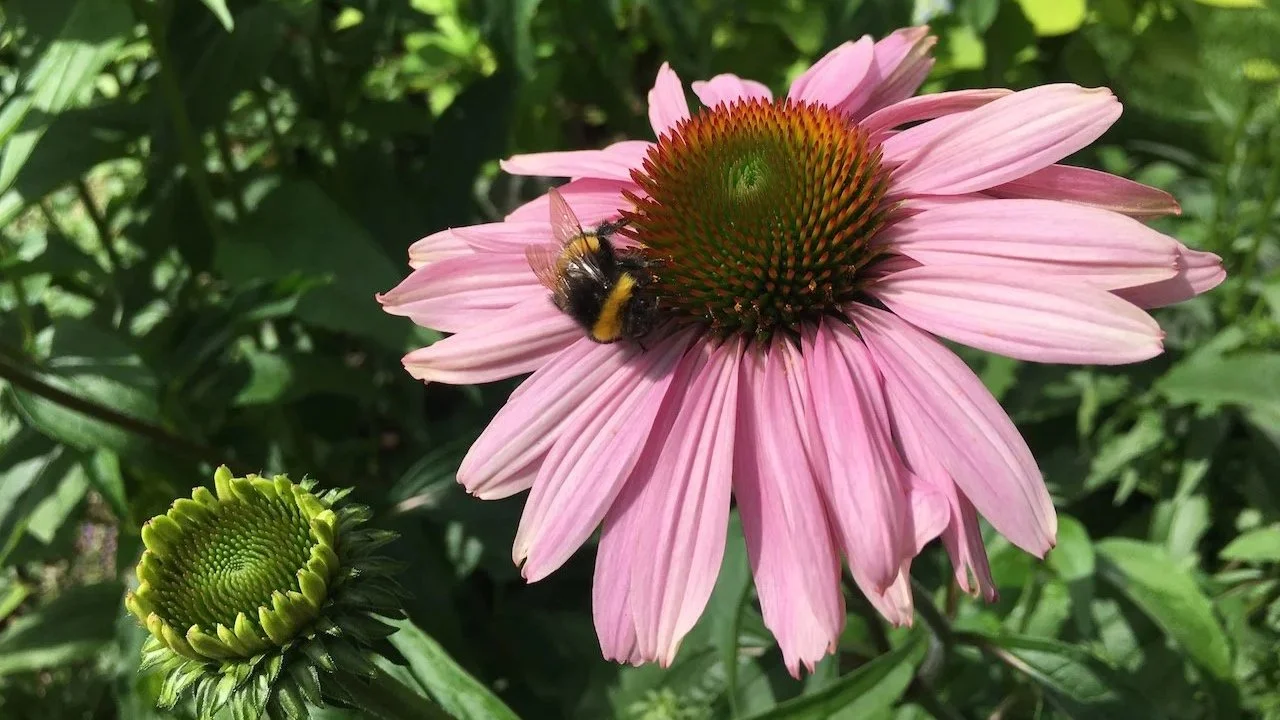
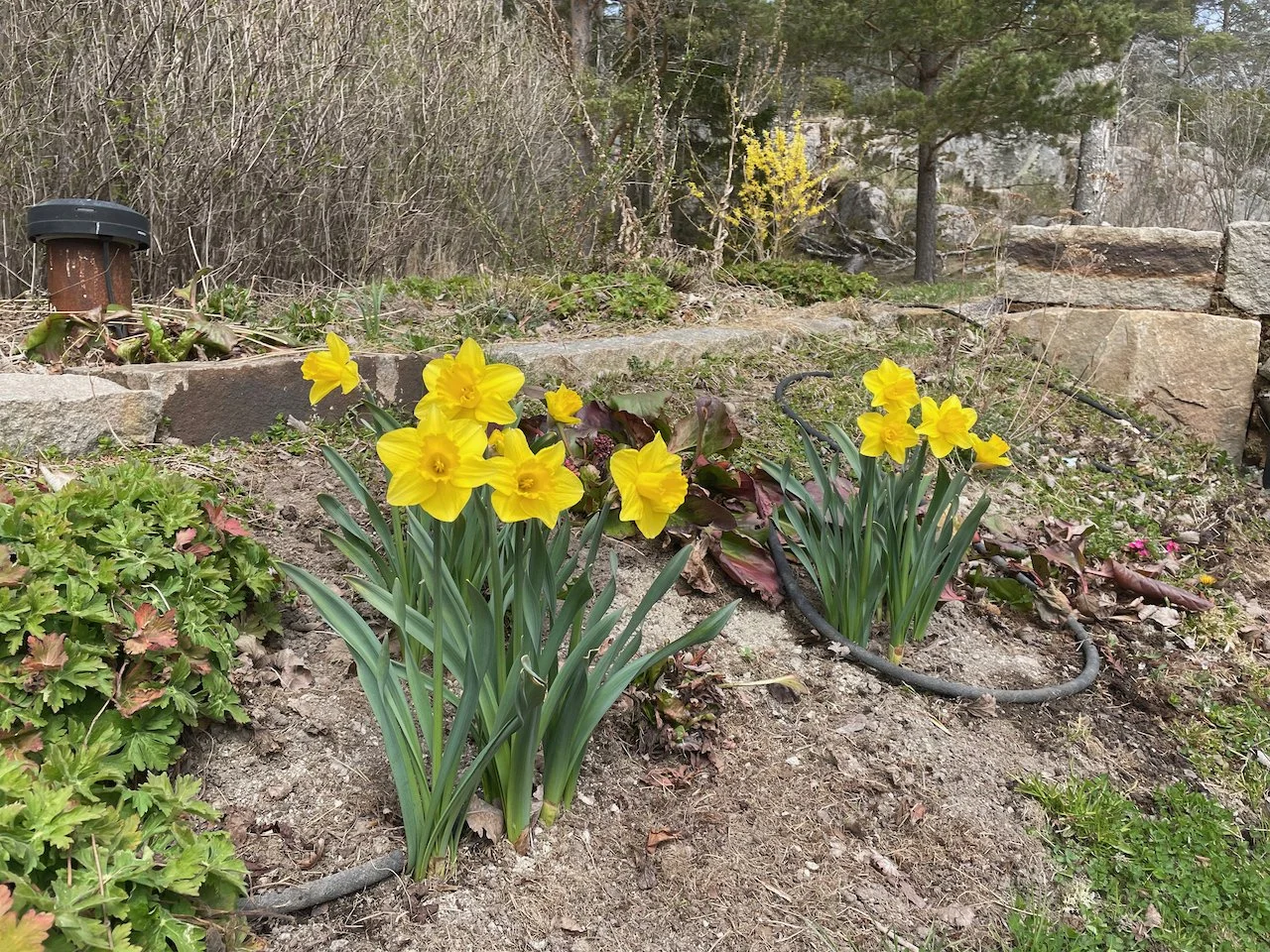
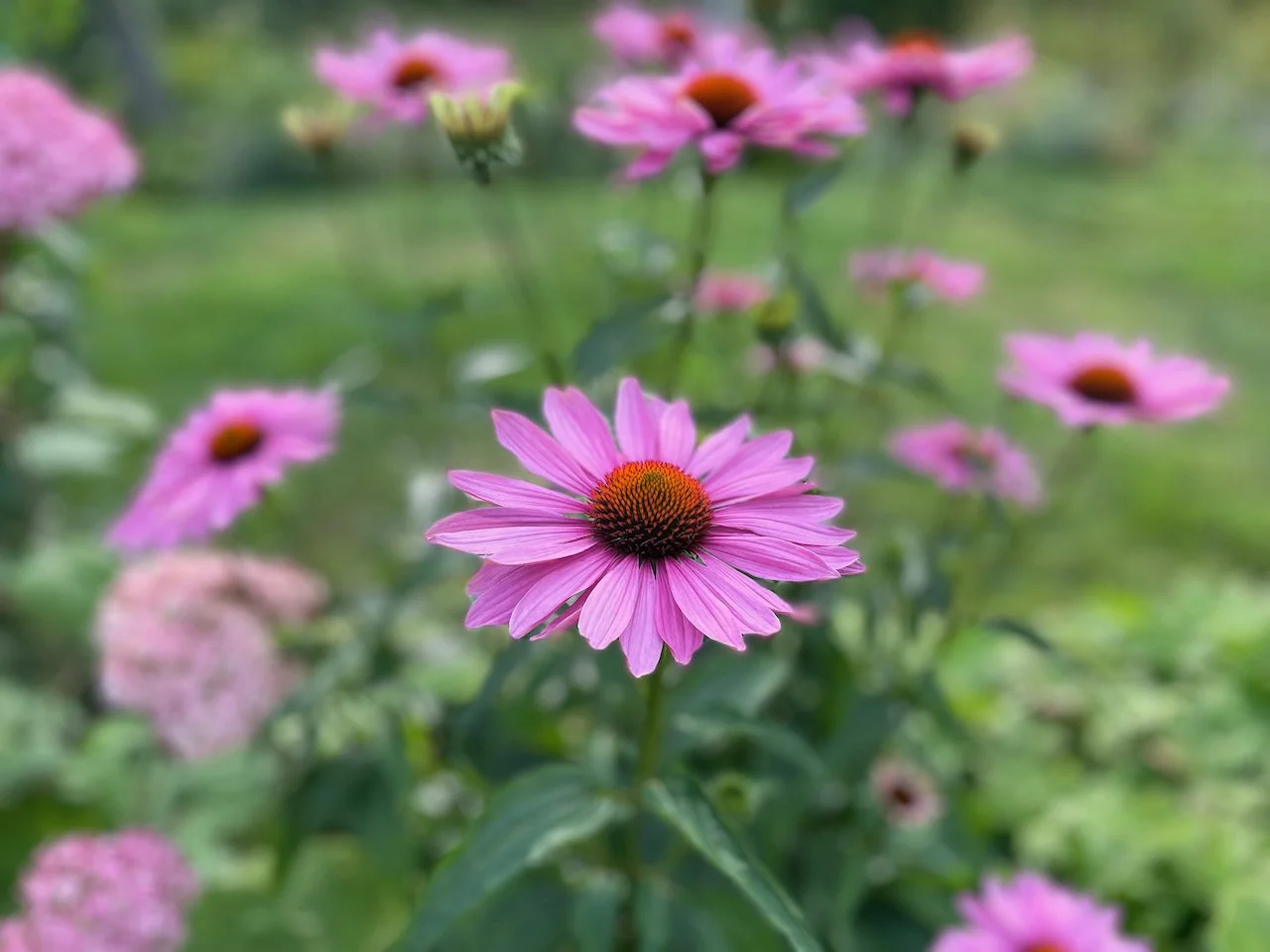
In a Nordic garden, flowering is neither constant nor the primary goal. Instead, perennials and flowering plants are chosen for their place within the seasonal sequence, from the first emergence in spring to the quiet structure of late autumn.
It is this balance between simplicity and depth that gives Nordic gardening its lasting, timeless character.
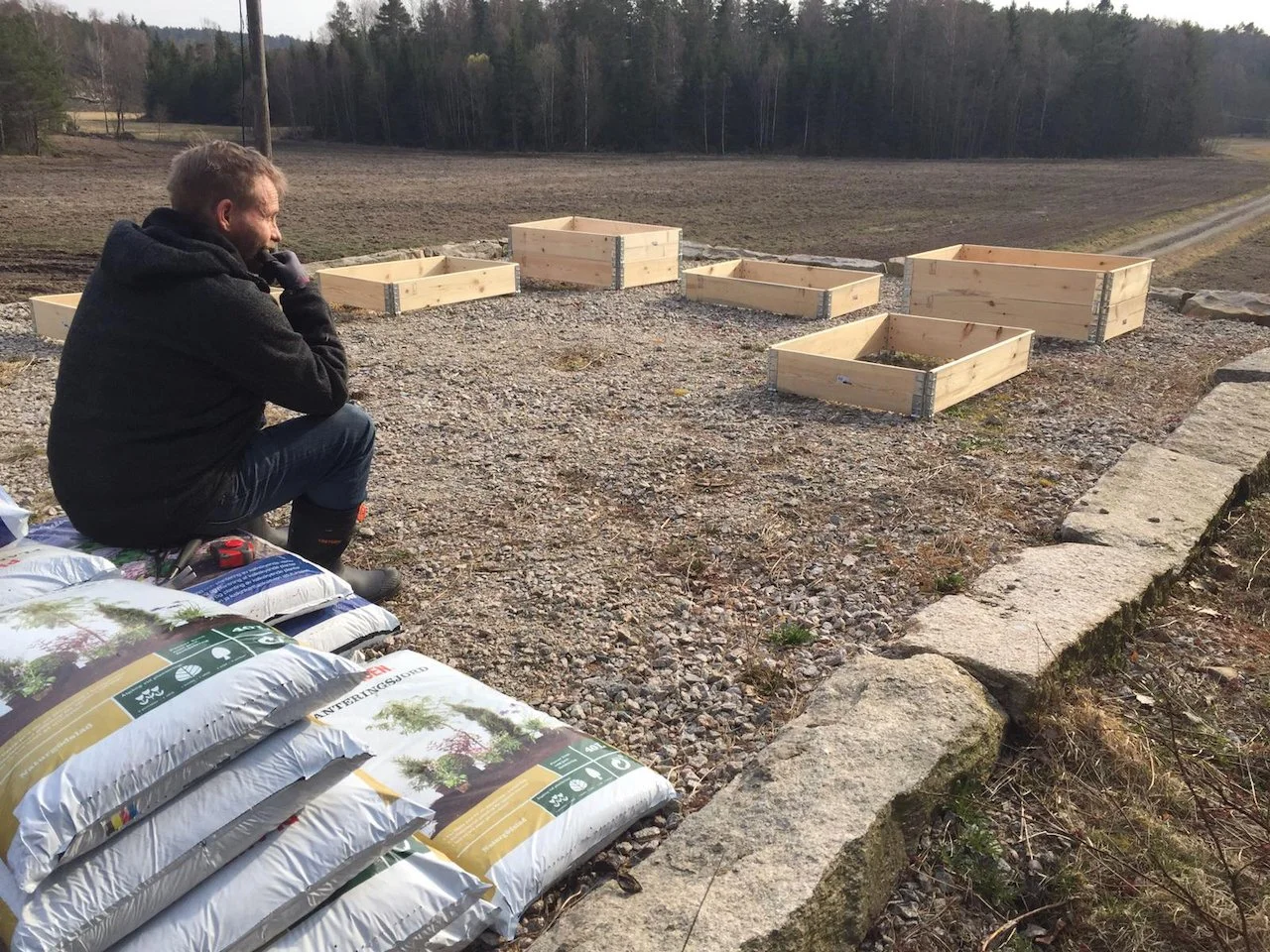
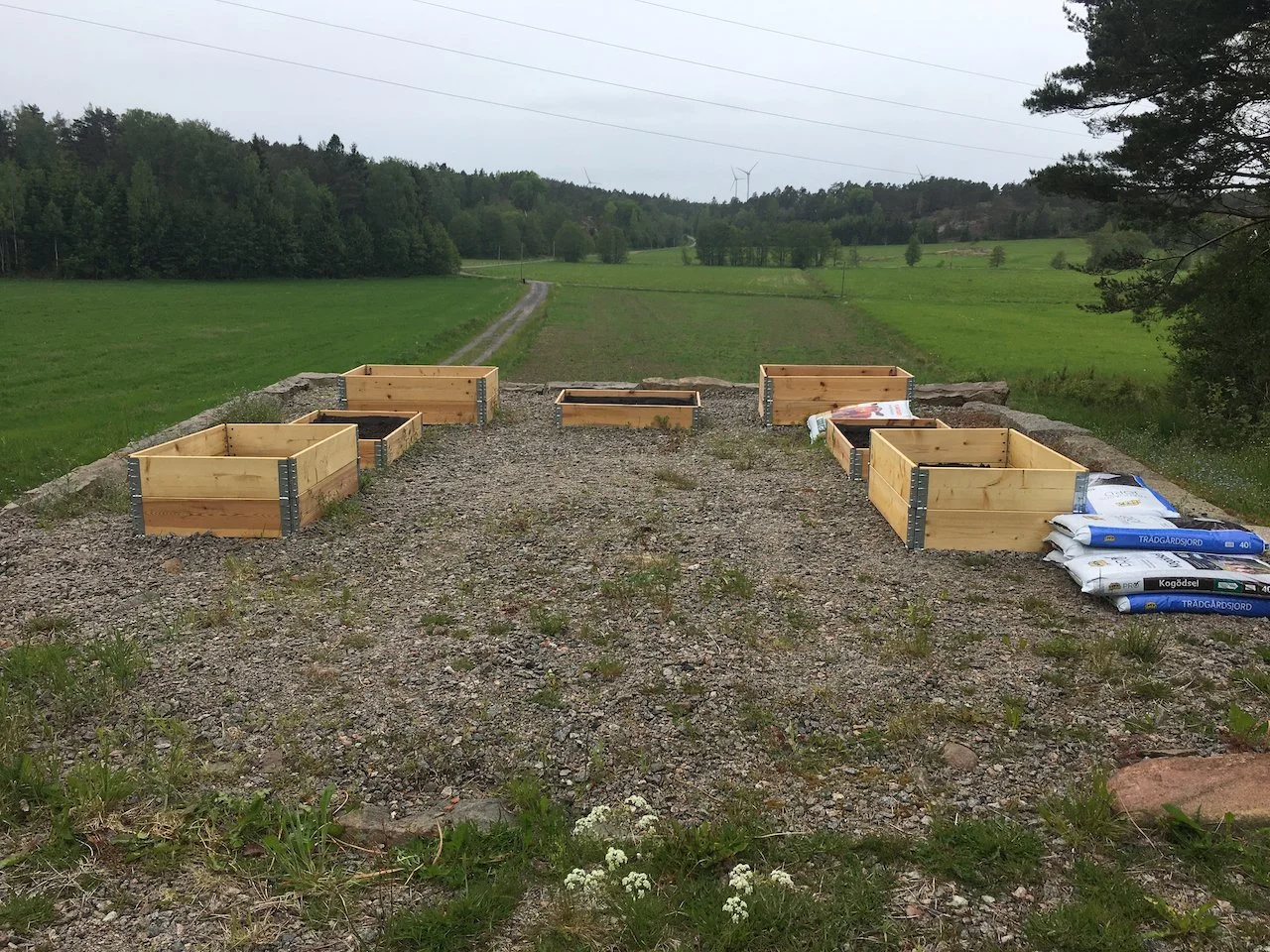
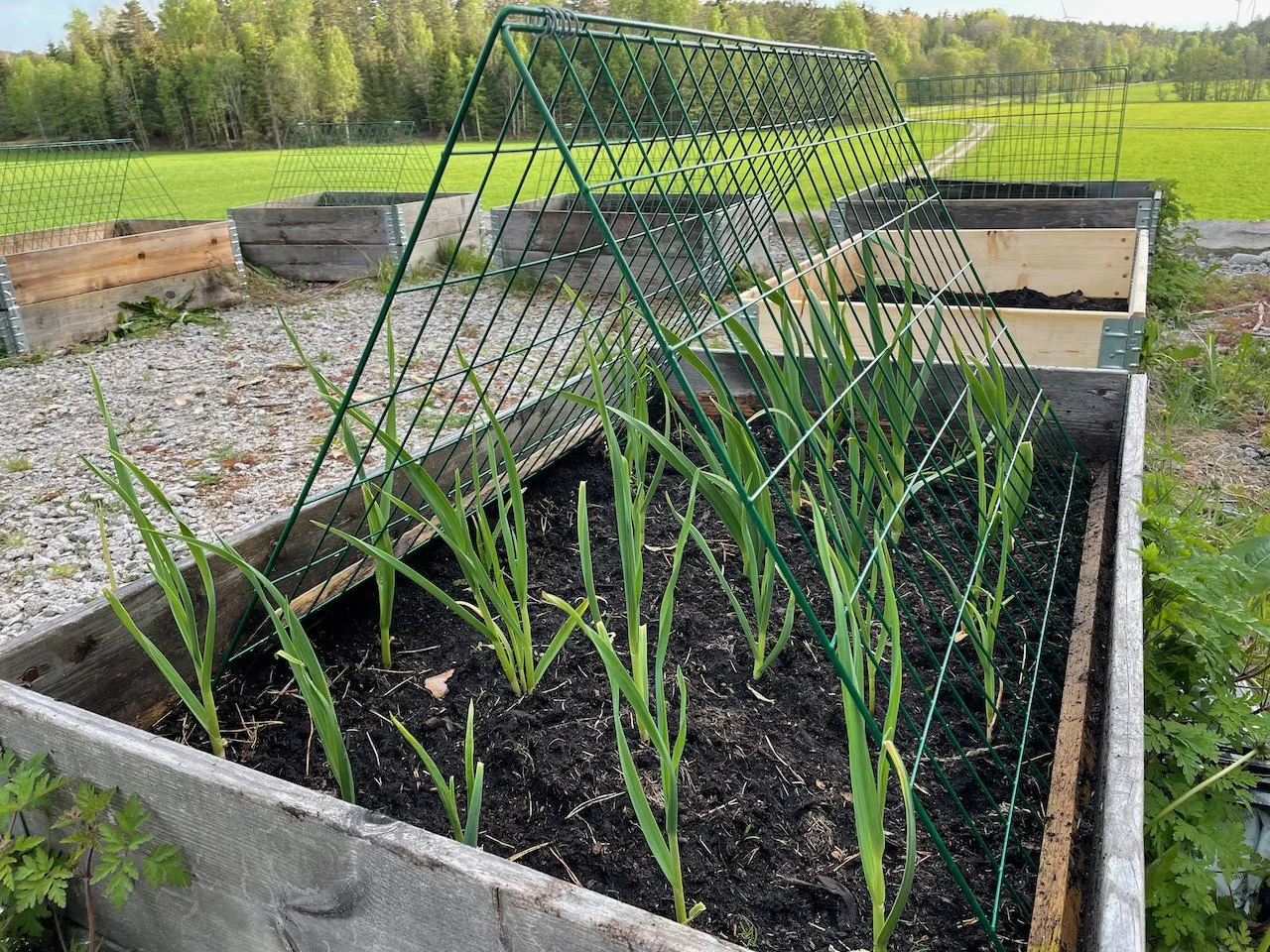
Creating a garden in this way is a slow and deeply rewarding process. It invites patience, observation, and a willingness to let the place lead. Over time, the garden becomes less of a project and more of a living landscape, and one that feels as though it has always been there.
Discover: What We Planted in the Nordic Garden →
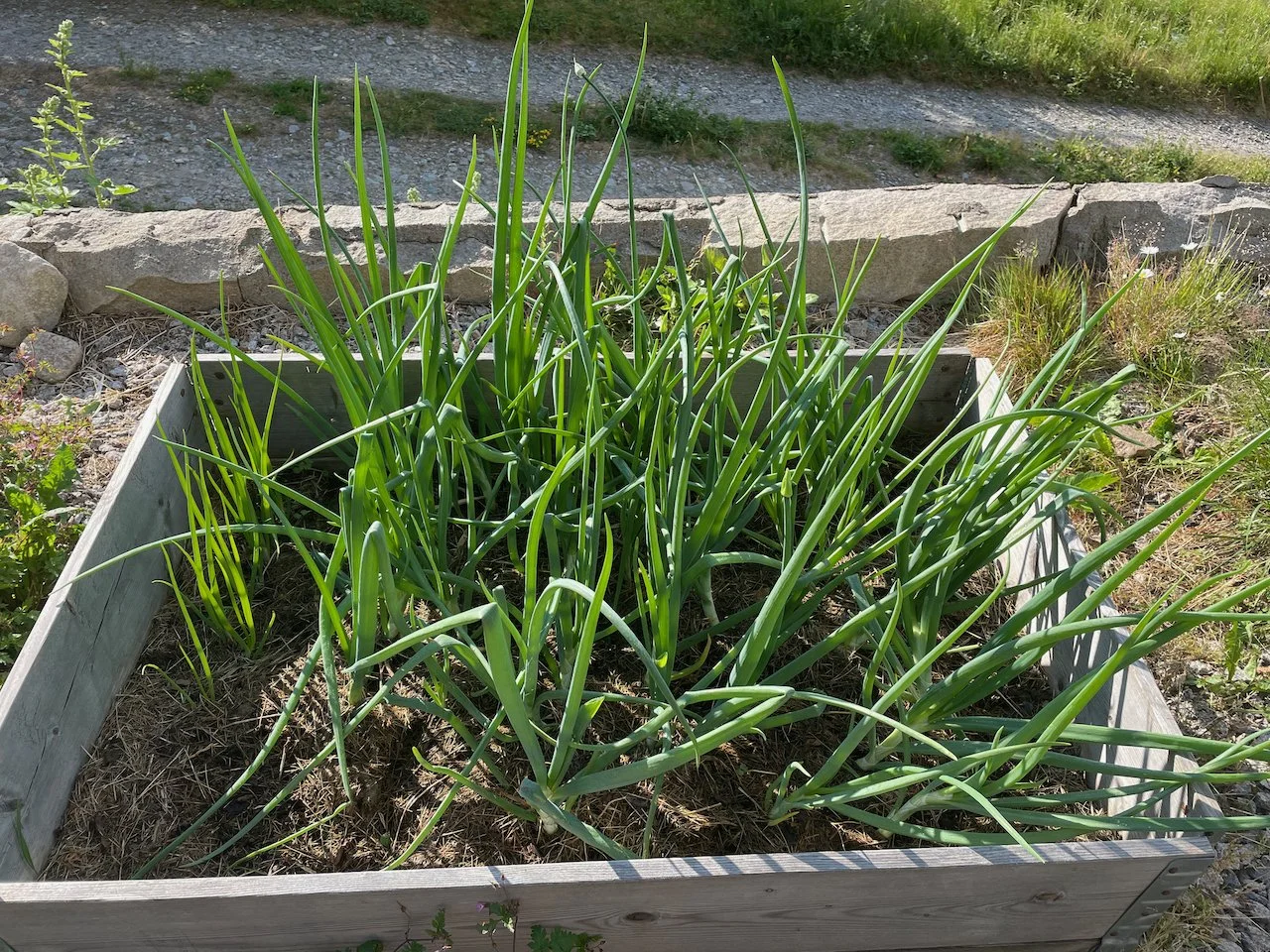
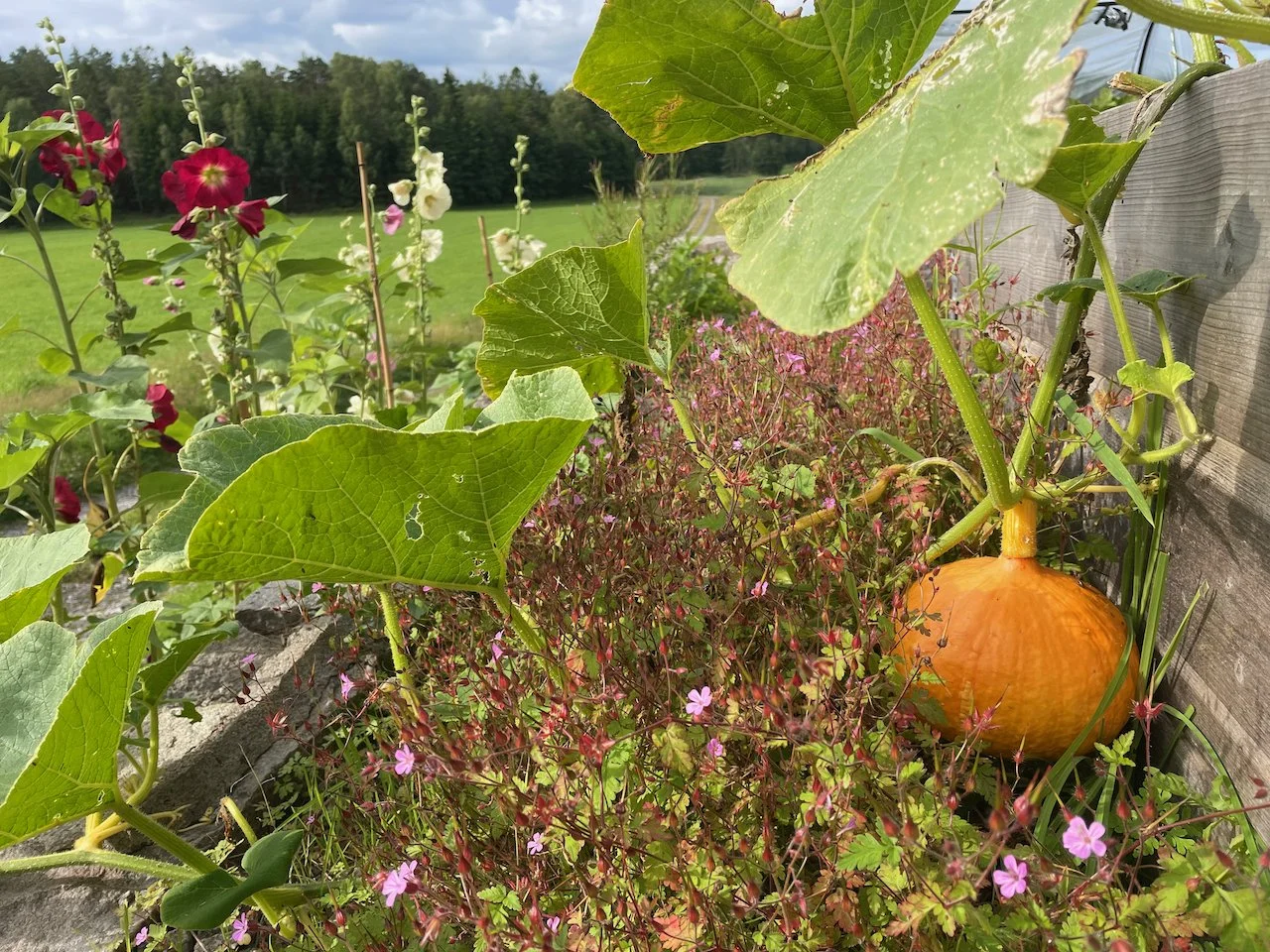
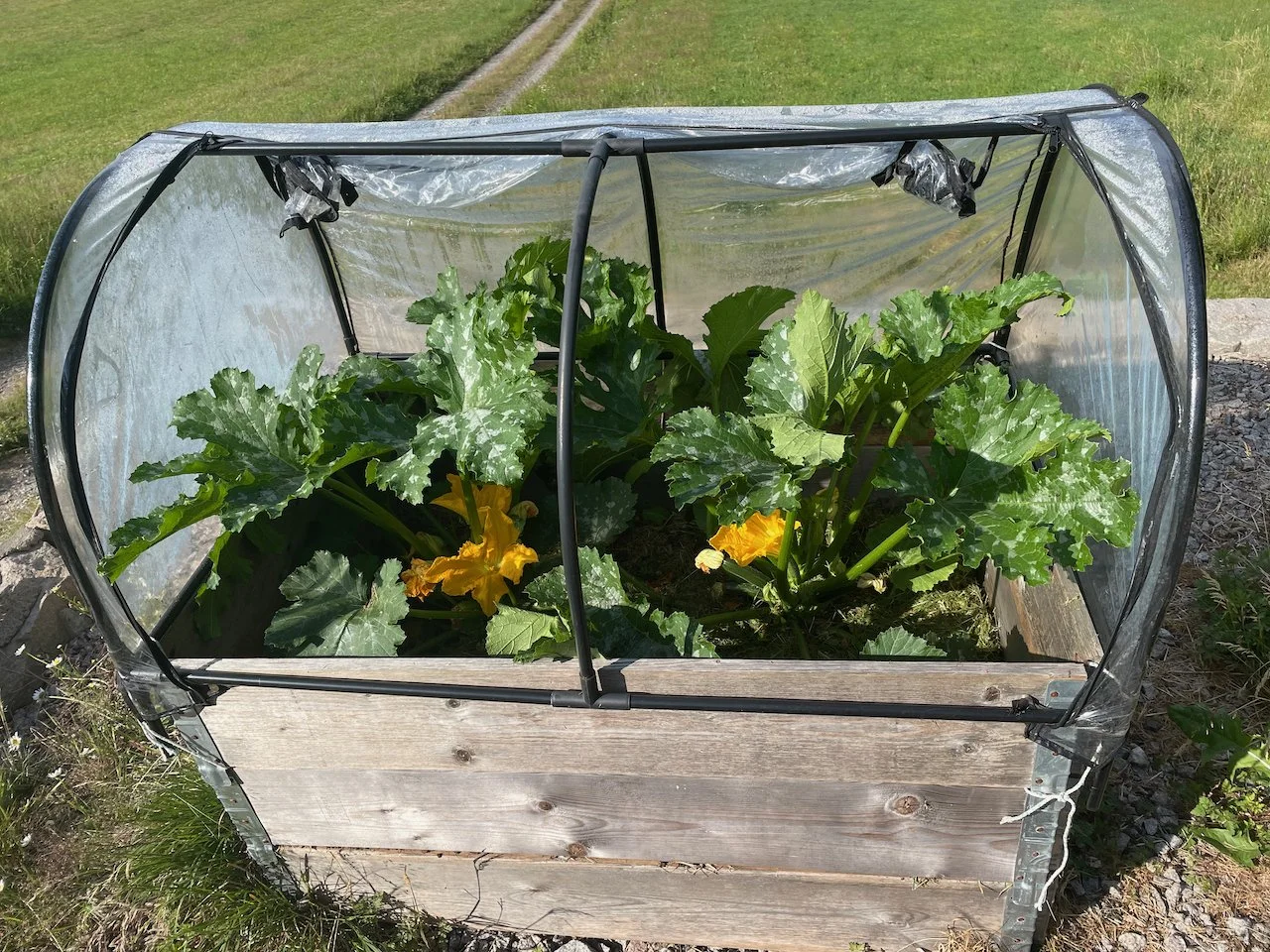
The Productive Garden
The Nordic garden does not end in the soil, it continues into the Scandinavian Pantry.
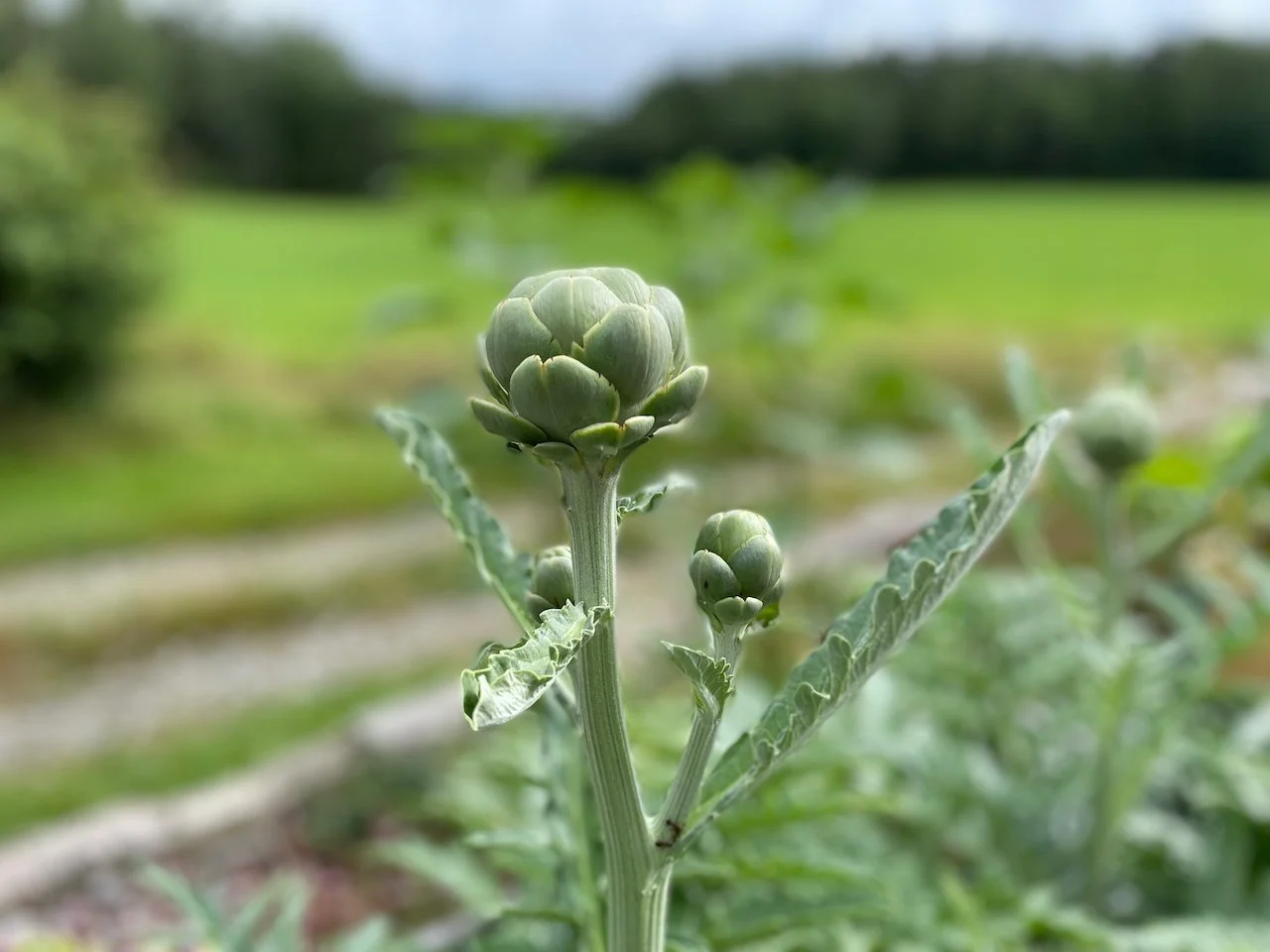
A defining feature of a Nordic garden is its connection to food. The pantry lifestyle begins outdoors, in the soil, with seeds, and by season.
A well-planned Nordic kitchen garden combines productivity with visual harmony, allowing utility and beauty to coexist.
Discover: How to Prepare a Vegetable Garden →
Read more: Kitchen Garden in the North →
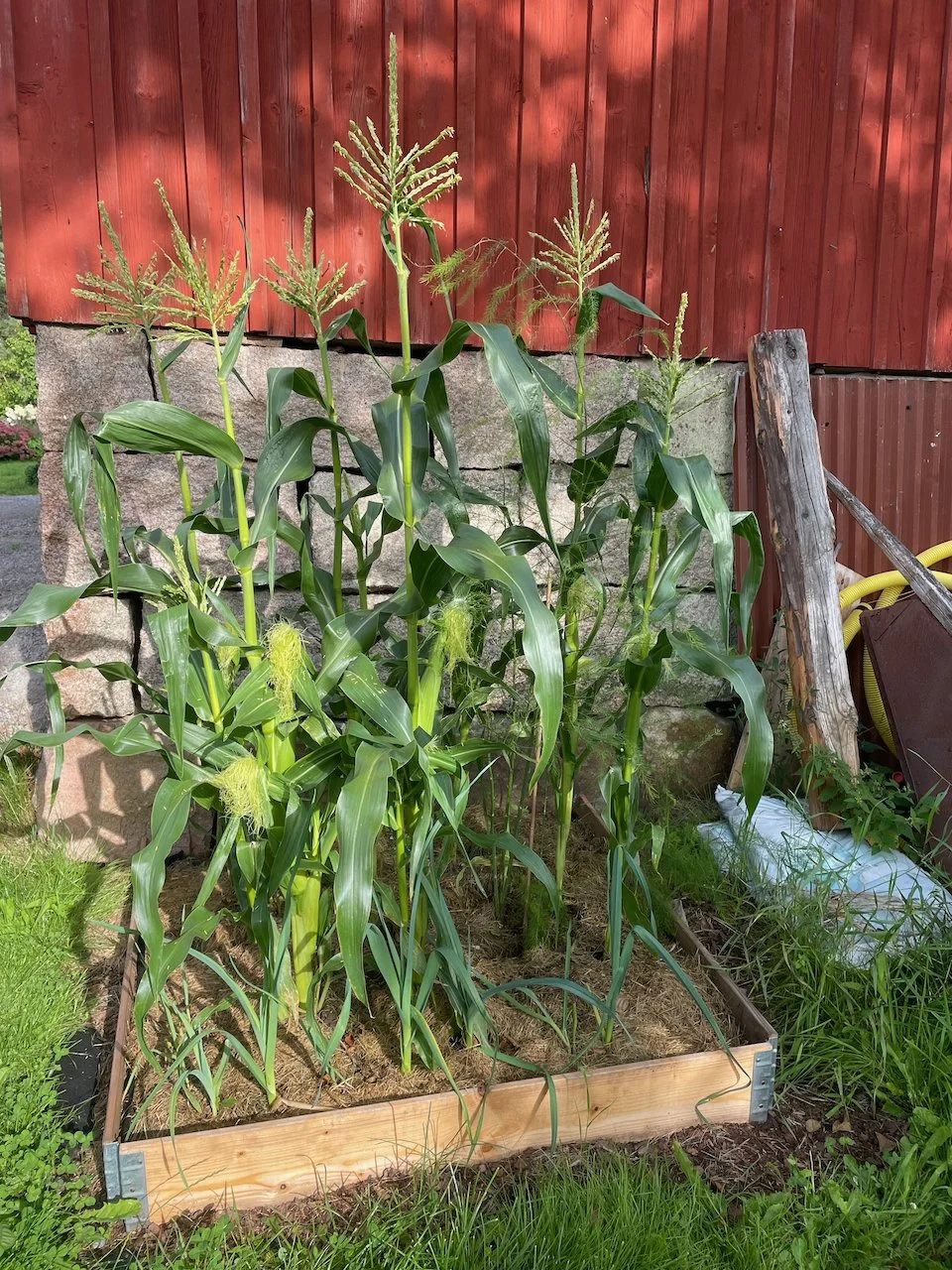
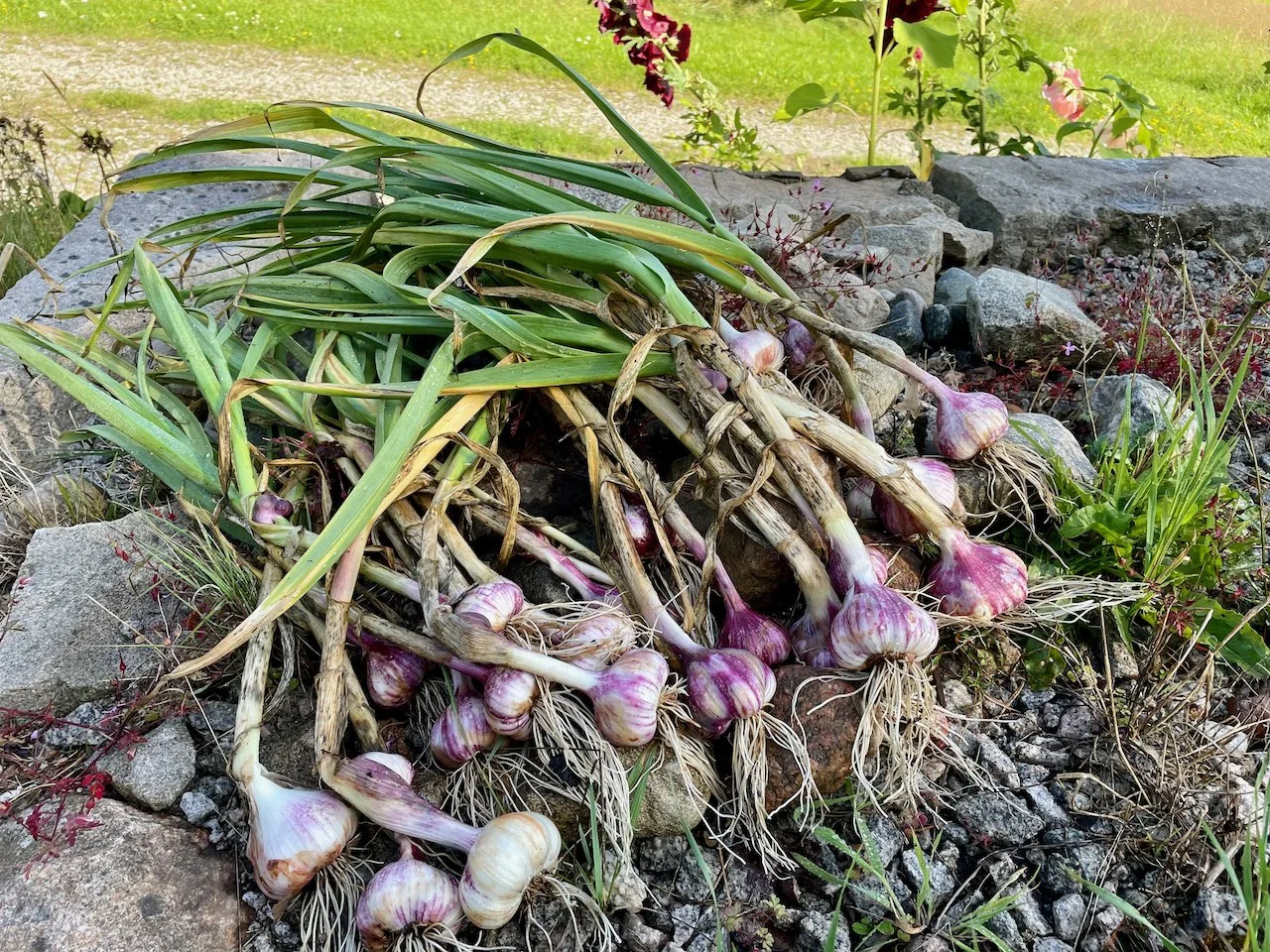
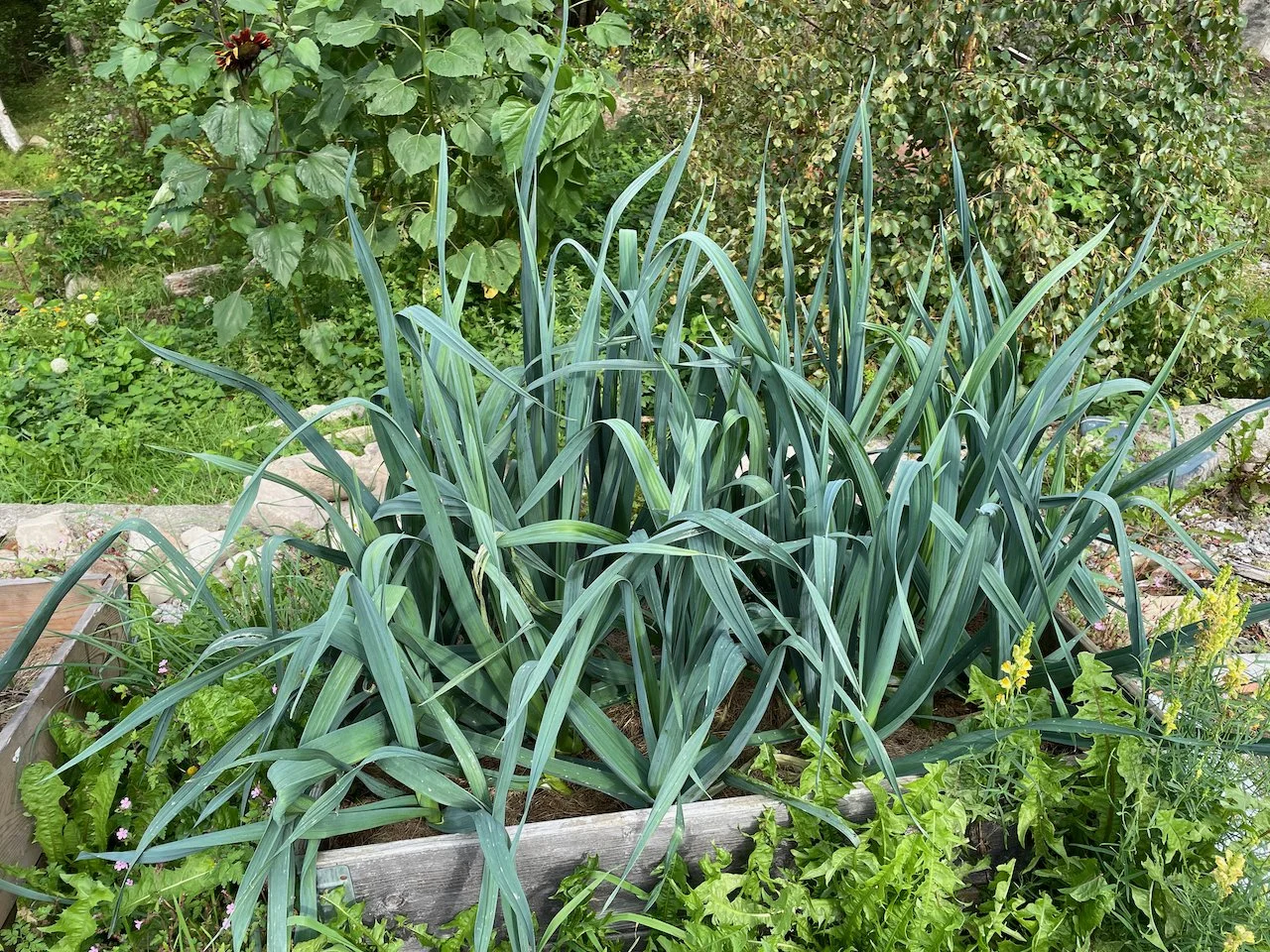
Growing Food in a Nordic Garden
The productive garden evolves through experimentation and careful selection. Each plant must suit the climate while contributing to the whole.
Featured Guides
Grow Your Own Asparagus →
A long-term crop that rewards patience and returns each spring.
How to Grow Garlic in Raised Beds →
A staple in Nordic cooking, suited to structured kitchen gardens.
Japanese Quince in Cold Climates →
An ornamental and edible plant tested for Nordic resilience.
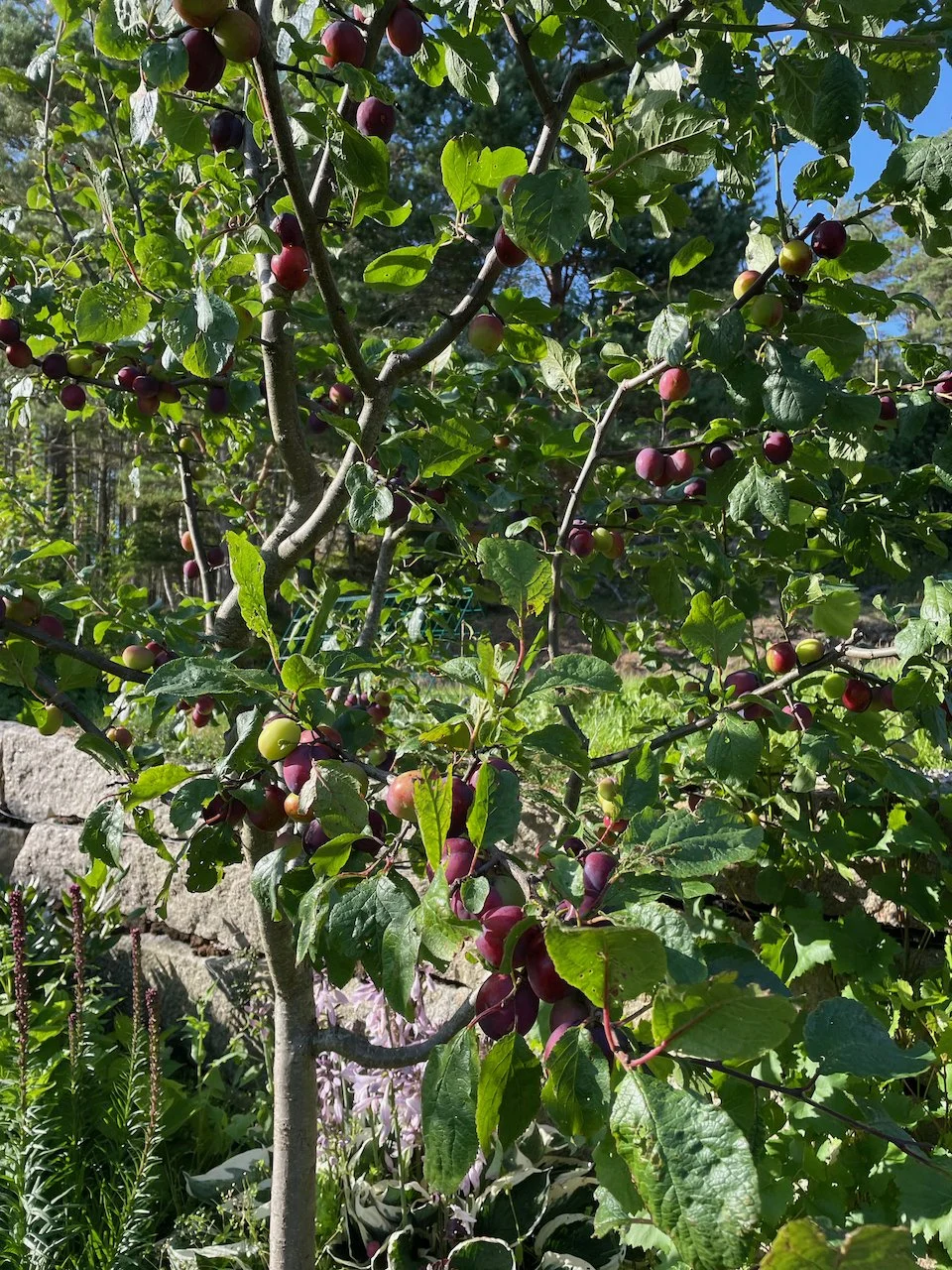
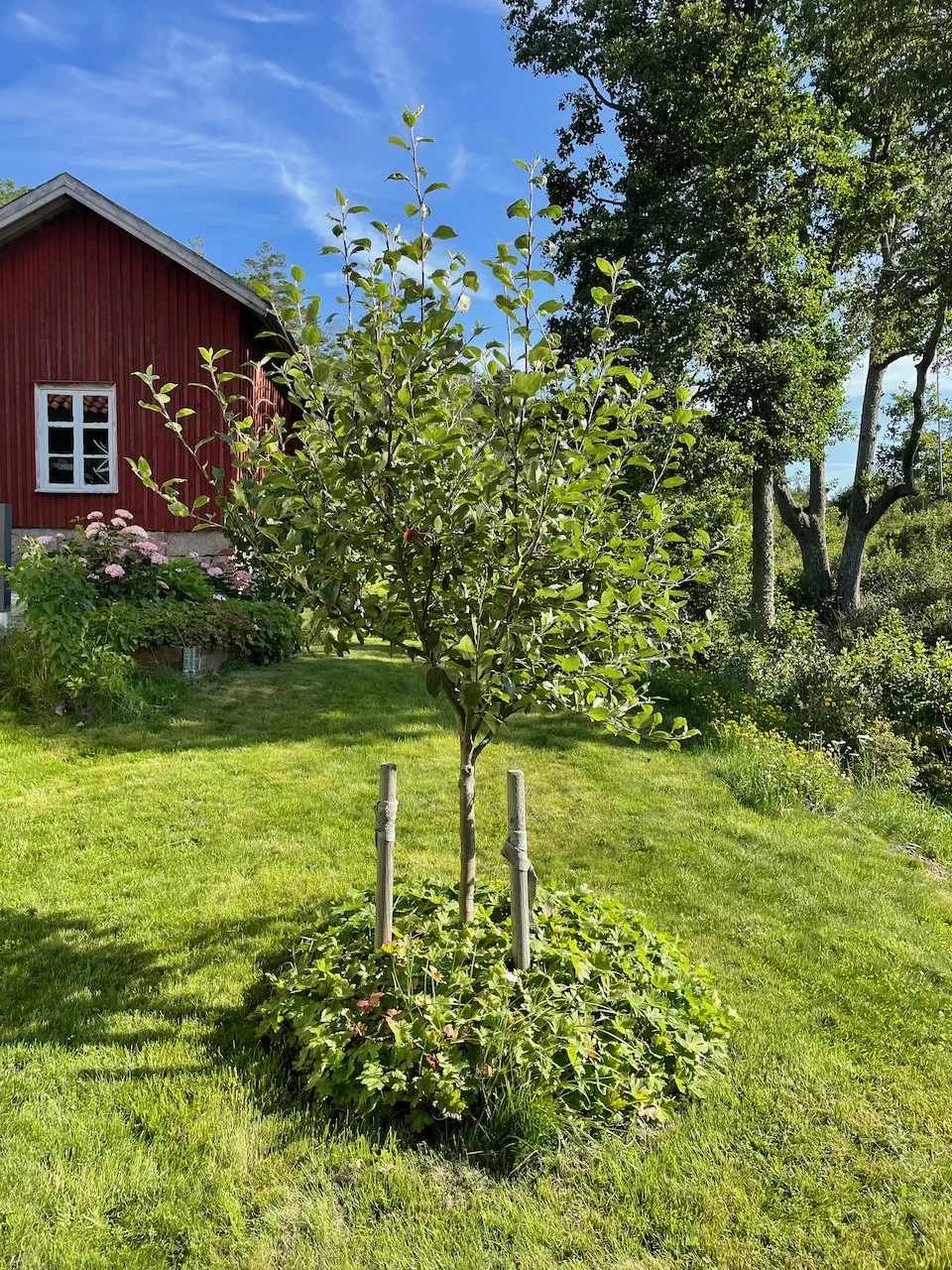
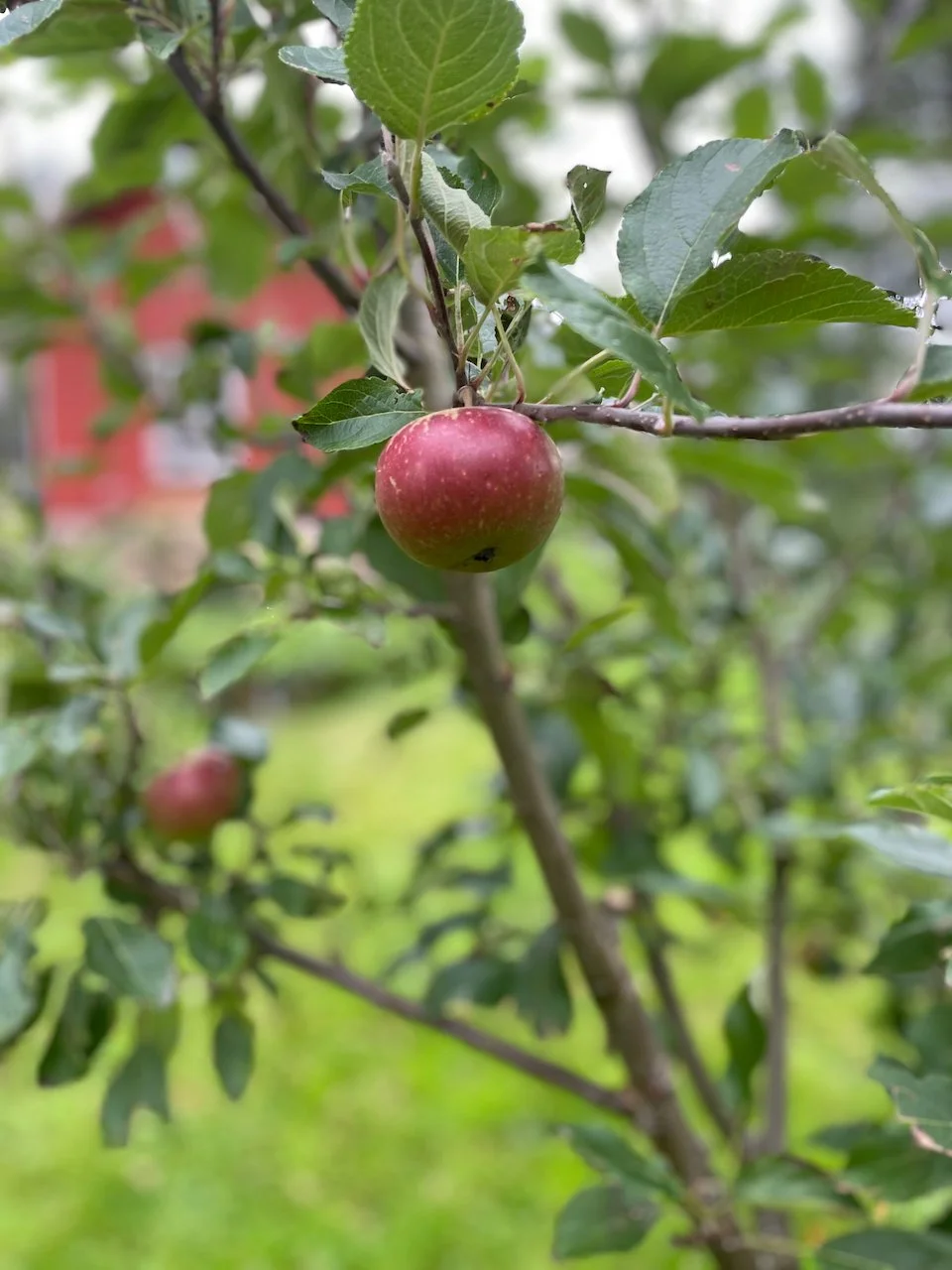
Fruit Trees and Long-Term Garden Planning
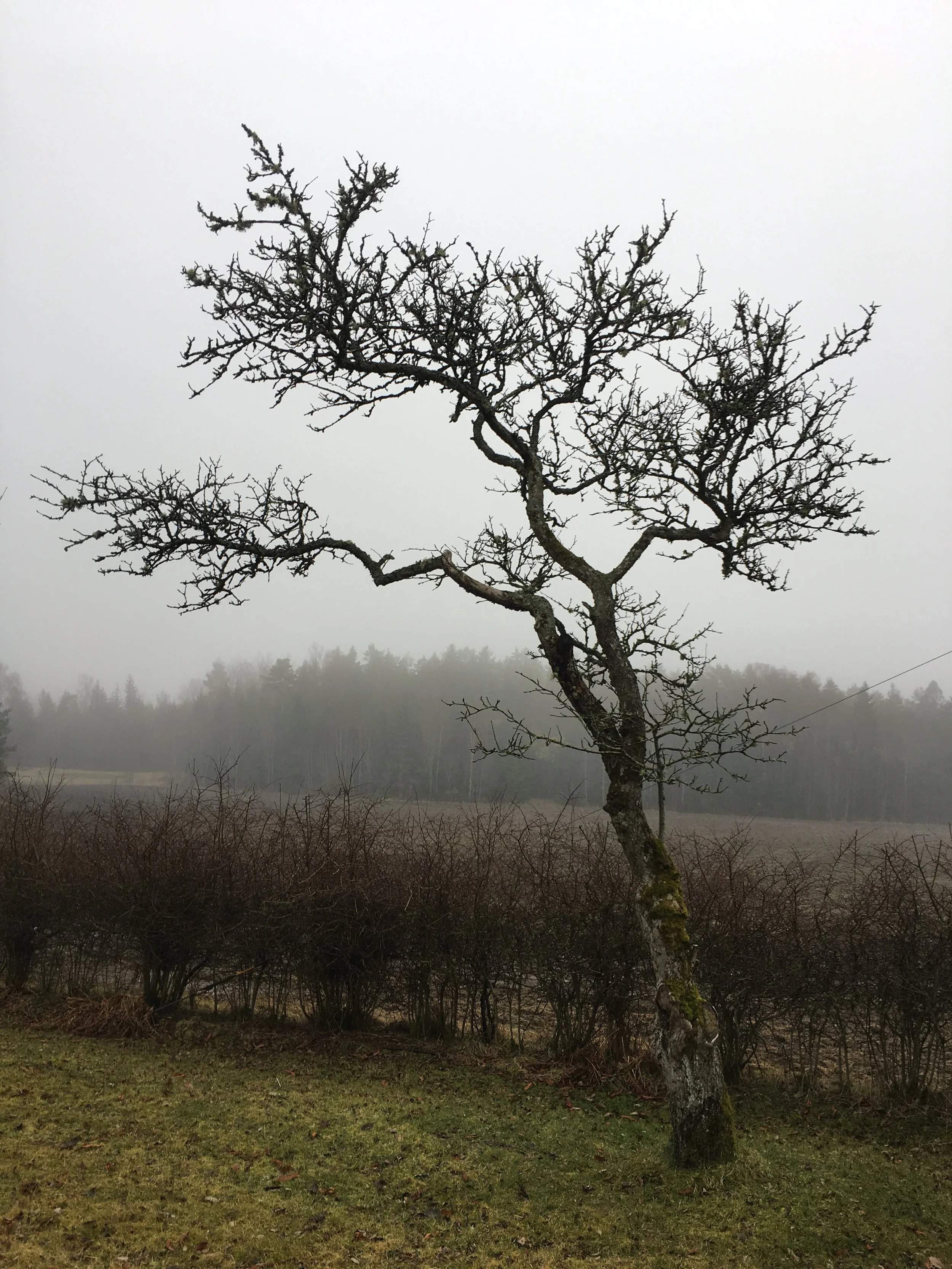
Fruit trees are central to traditional Nordic gardens. They represent continuity, sustainability, and time.
Planting fruit trees is not an immediate reward, it is a long-term investment. Over years, they shape the structure of the garden and define its seasonal character.
For anyone planning a Nordic garden, establishing fruit trees early is one of the most important decisions.
From Garden to Table
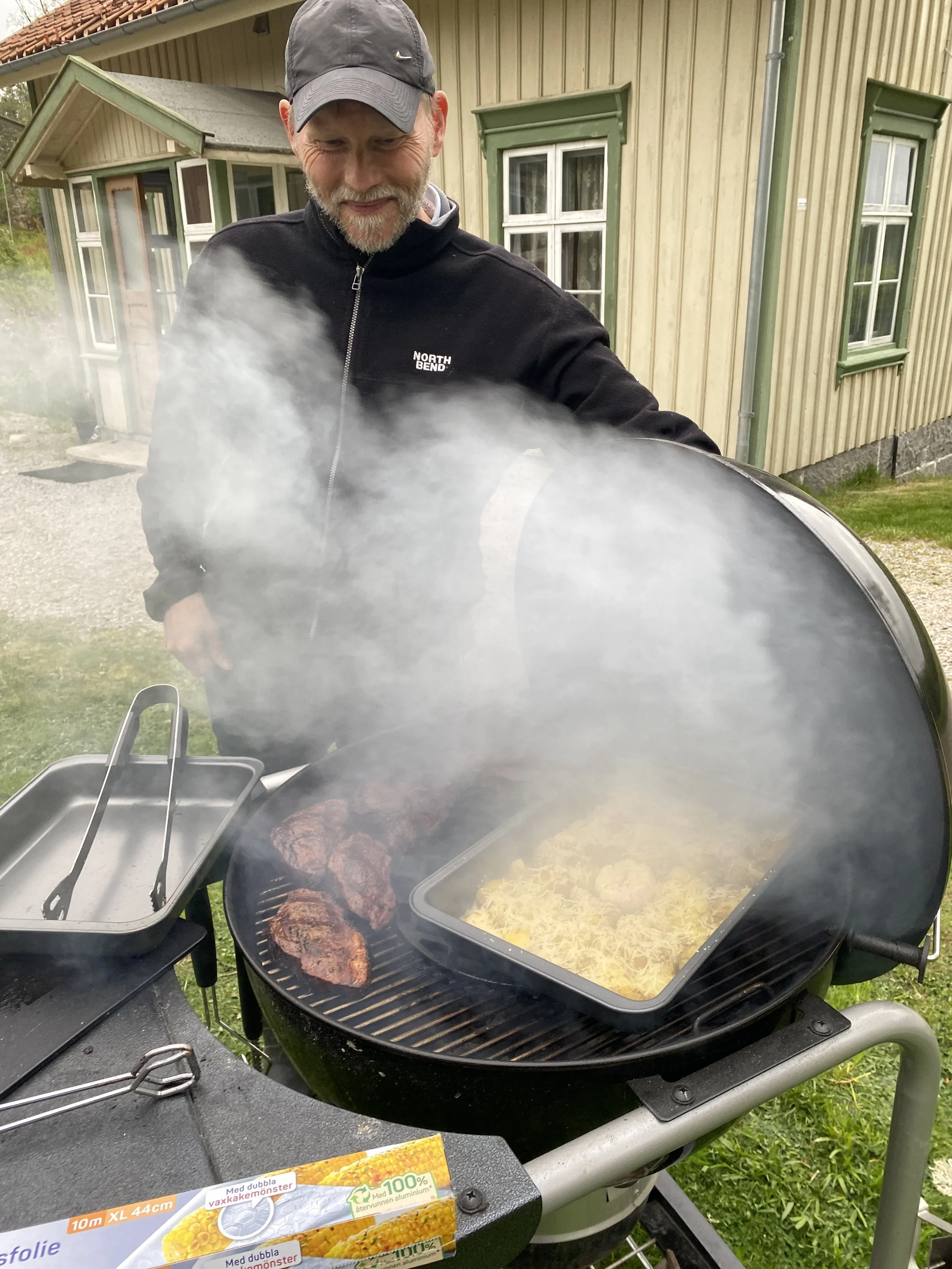
What grows in the garden rarely stays there. It moves quietly into the kitchen, shaped by the same seasons and the same restraint. From early greens to late apples, and from cultivated beds to what can be gathered on the forest floor, Nordic food begins long before the stove is lit. It is not a separate craft, but a continuation of place, timing, and care.
Explore Nordic Garden further: