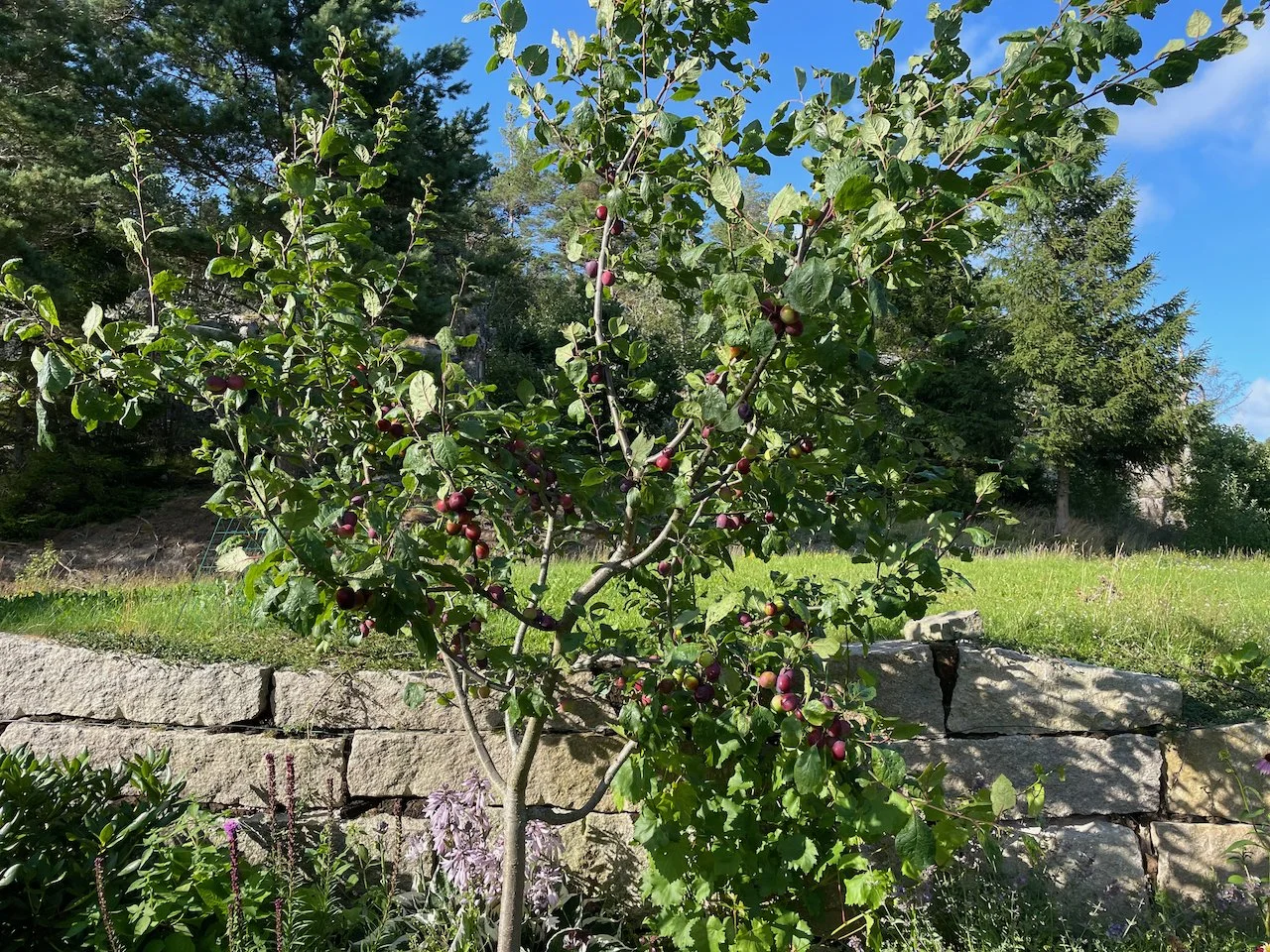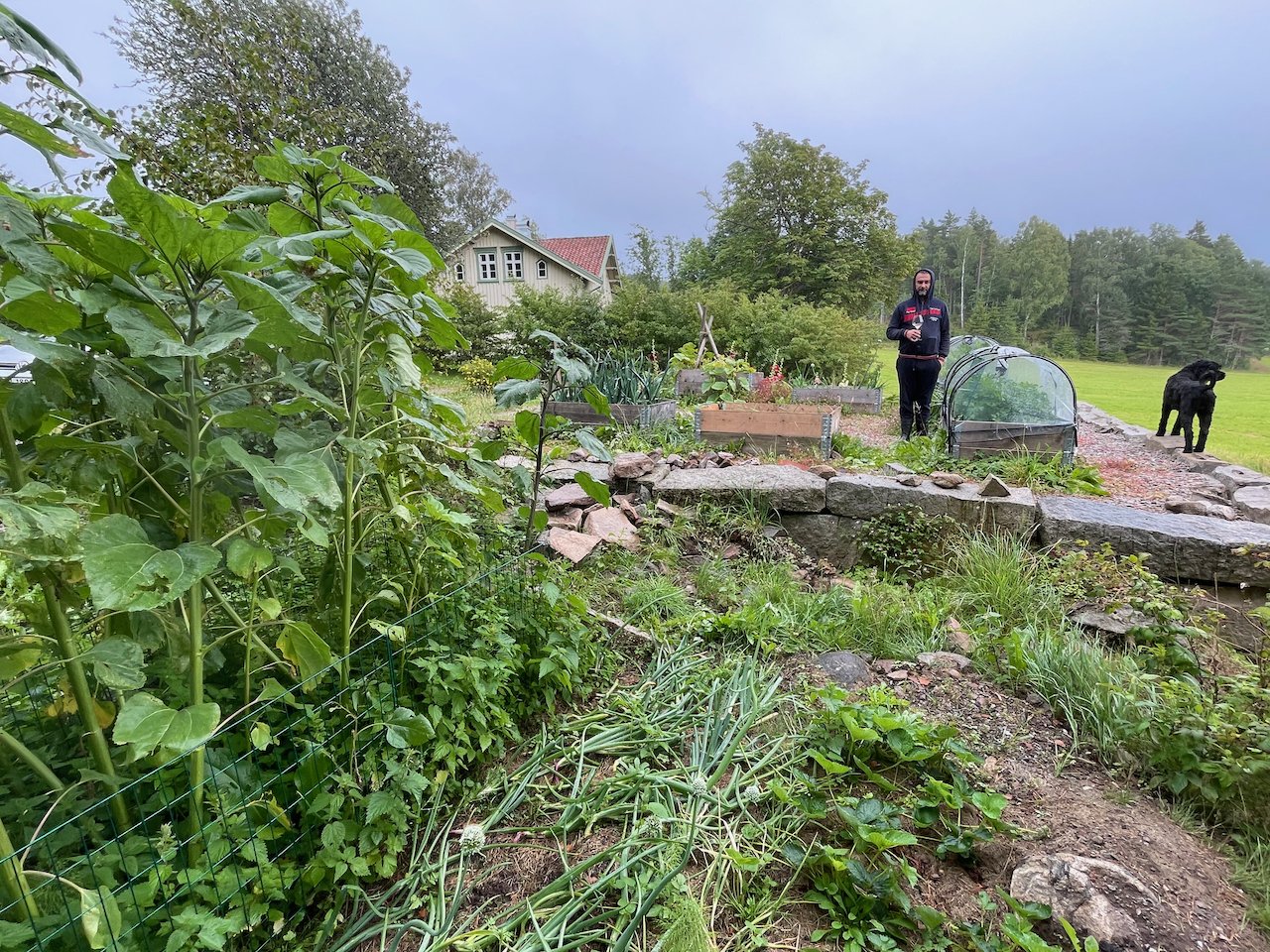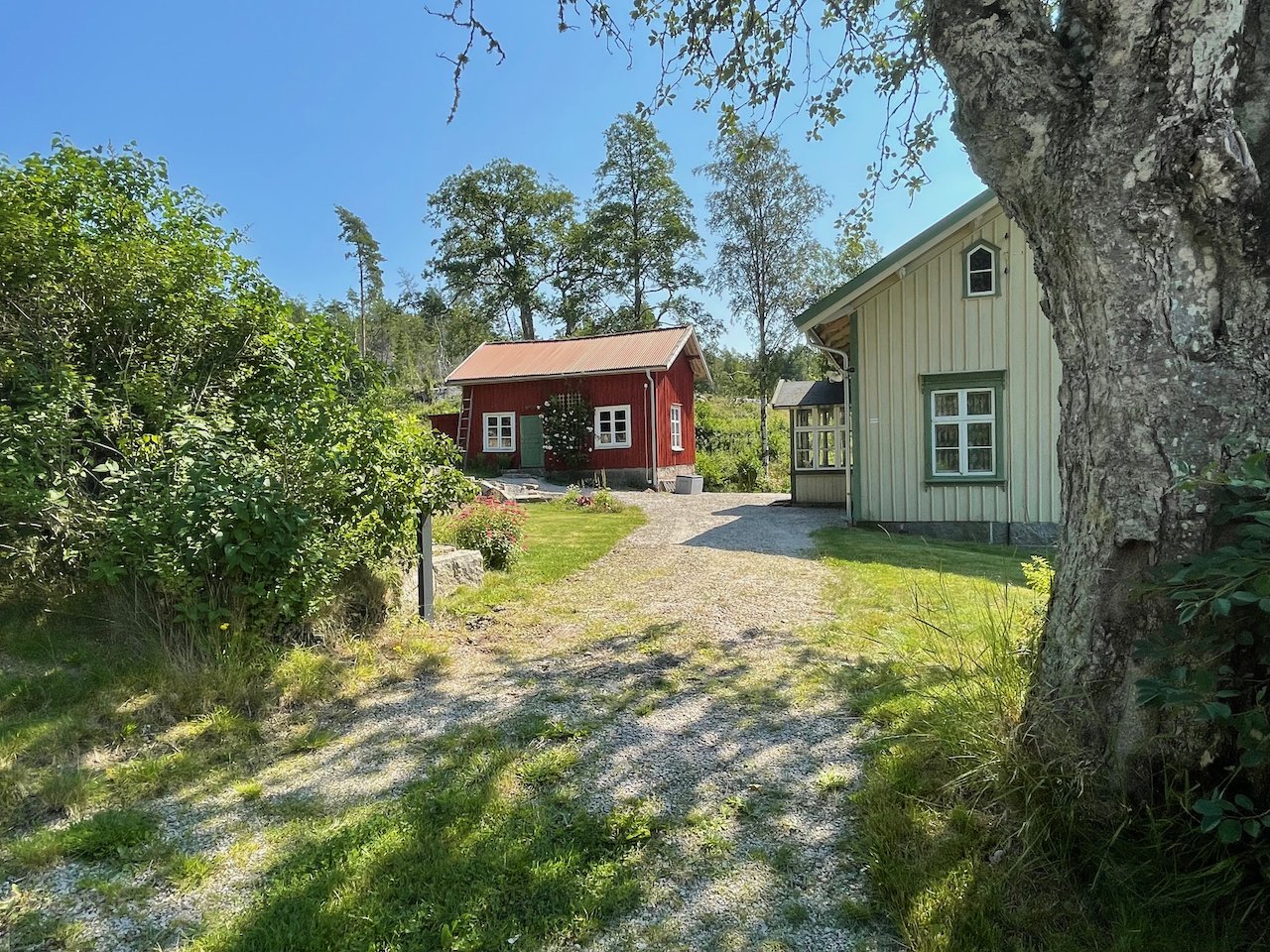
A Nordic Green Haven
To cultivate strong, resilient plants in a Nordic garden, two elements are essential: well-prepared soil and plant selections adapted to the local climate.
Here, the Nordic approach to gardening focuses on working with nature, choosing hardy species, and nurturing soil that supports both structure and long-term vitality.
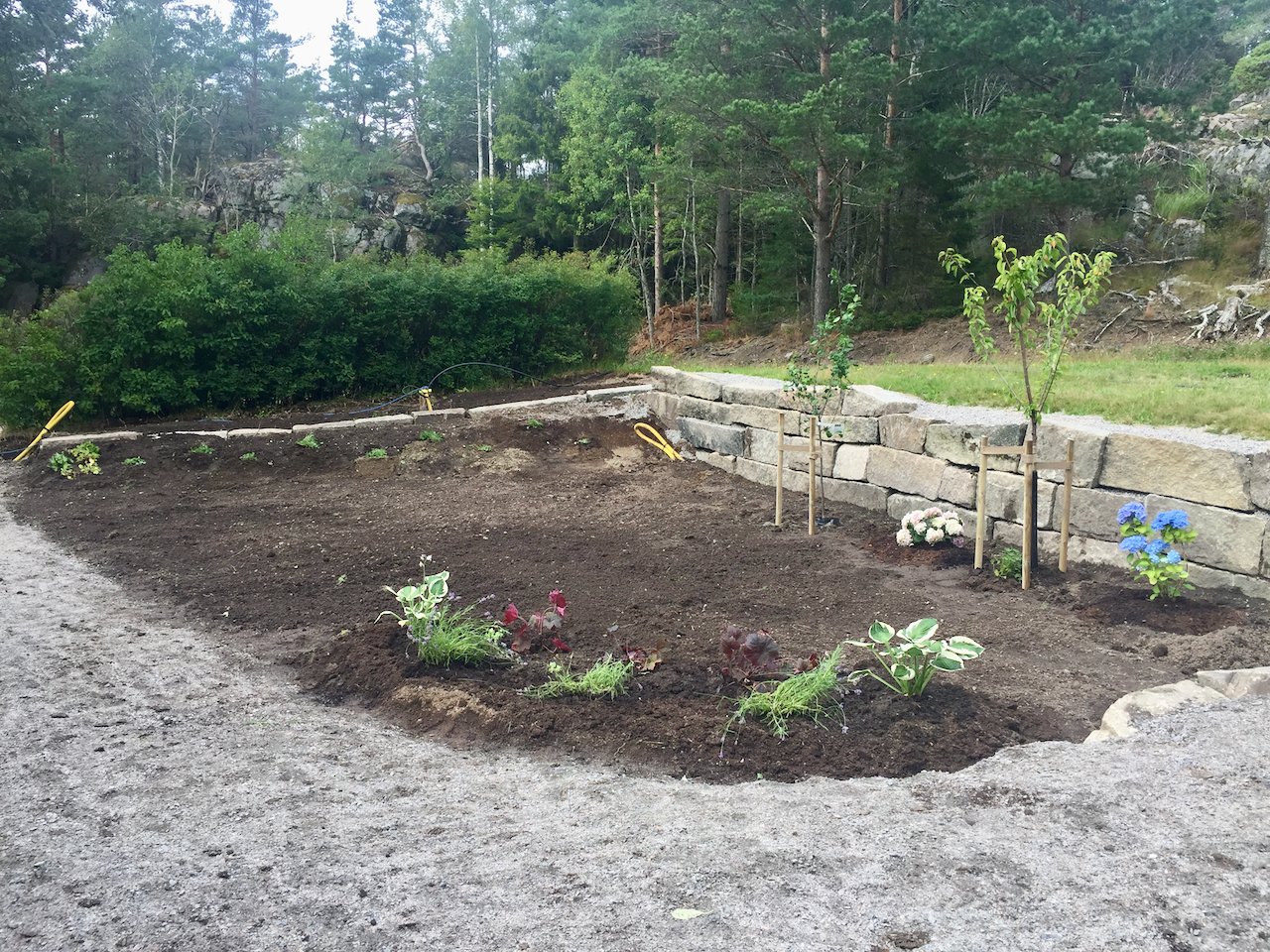
A Nordic Green Haven
Along the northwestern coast of Sweden, the maritime climate creates conditions that are typically classified as Swedish Zone 3.
While winters are relatively mild compared to inland and northern Scandinavia, they are still cold by international standards, and the growing season is defined more by long daylight hours than high temperatures.
In USDA terms, this corresponds roughly to Zones 5–6, meaning gardeners must rely on hardy, cold-tolerant plants that can withstand cool summers, coastal winds, and seasonal temperature fluctuations.
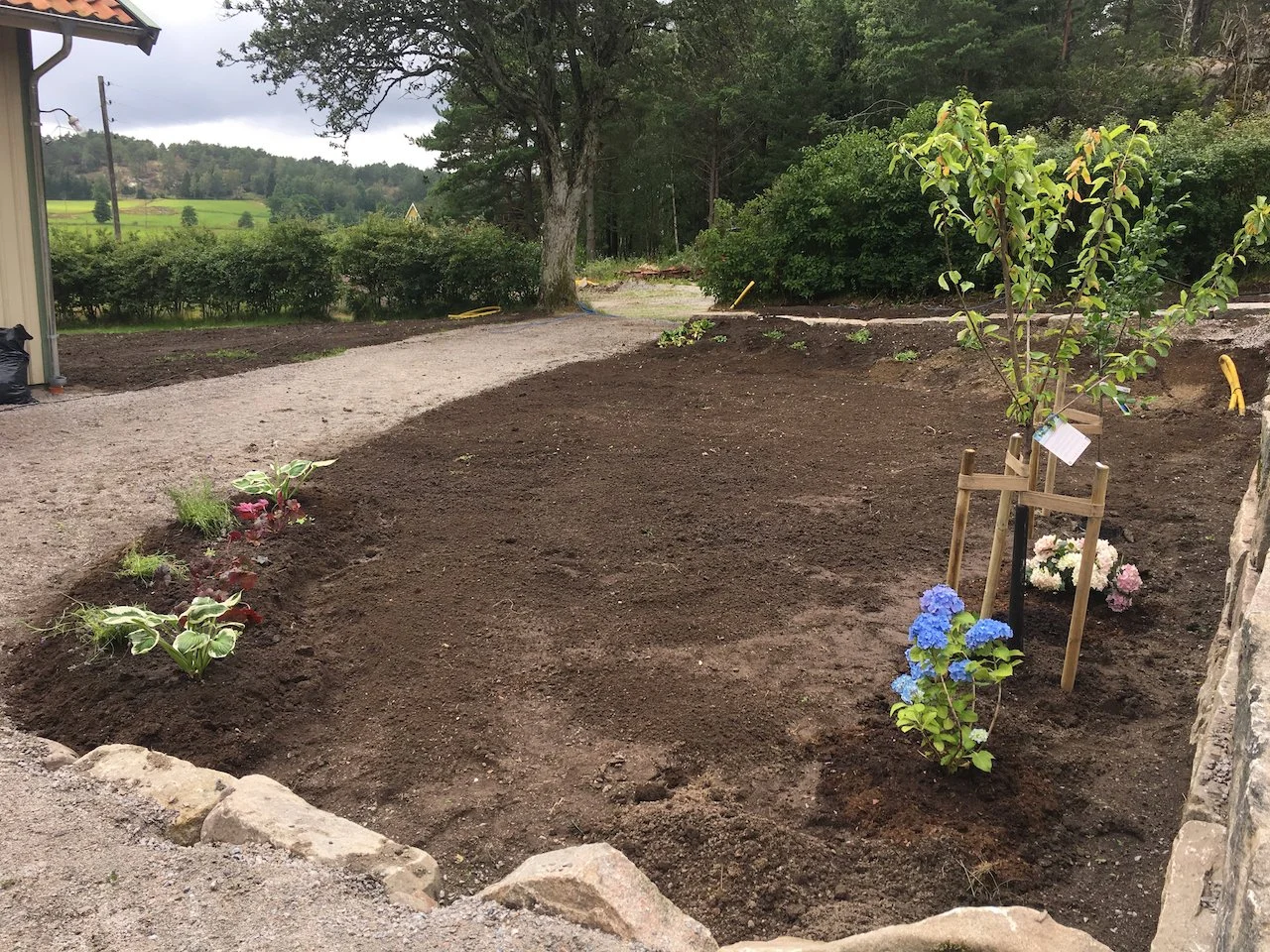
The foundation of healthy plant growth lies in the quality of your soil. It's essential to ensure that your soil is rich in nutrients, well-draining, and properly aerated. Improving soil quality can be achieved by incorporating organic matter like compost or well-matured manure, which enhances fertility and soil structure. Adequate, healthy soil provides the necessary support and nutrients for plants to thrive.

1. Soil Quality
Your success in gardening hinges on a clear understanding of your climate zone.
In the southwestern part of Sweden, you are situated in hardiness zone 3. This signifies specific climatic conditions that directly impact plant selection and care. Equivalent to USDA Zone 5-6.
2. Climate Zones
Plants, including trees, exhibit diverse growth patterns in terms of shape and size. When selecting plants for your garden or landscape, it's crucial to consider their eventual size at full maturity. This foresight is especially vital for trees, as their growth can be substantial, and you want to prevent them from outgrowing their designated space.