
Modernization and Renovation
Adapting a historic building requires careful decisions. Modern needs must be balanced with existing materials, structure, and character already in place.
Modernization is often necessary, but in the context of historic renovation principles, it should be approached as a continuation rather than a replacement of what already exists.
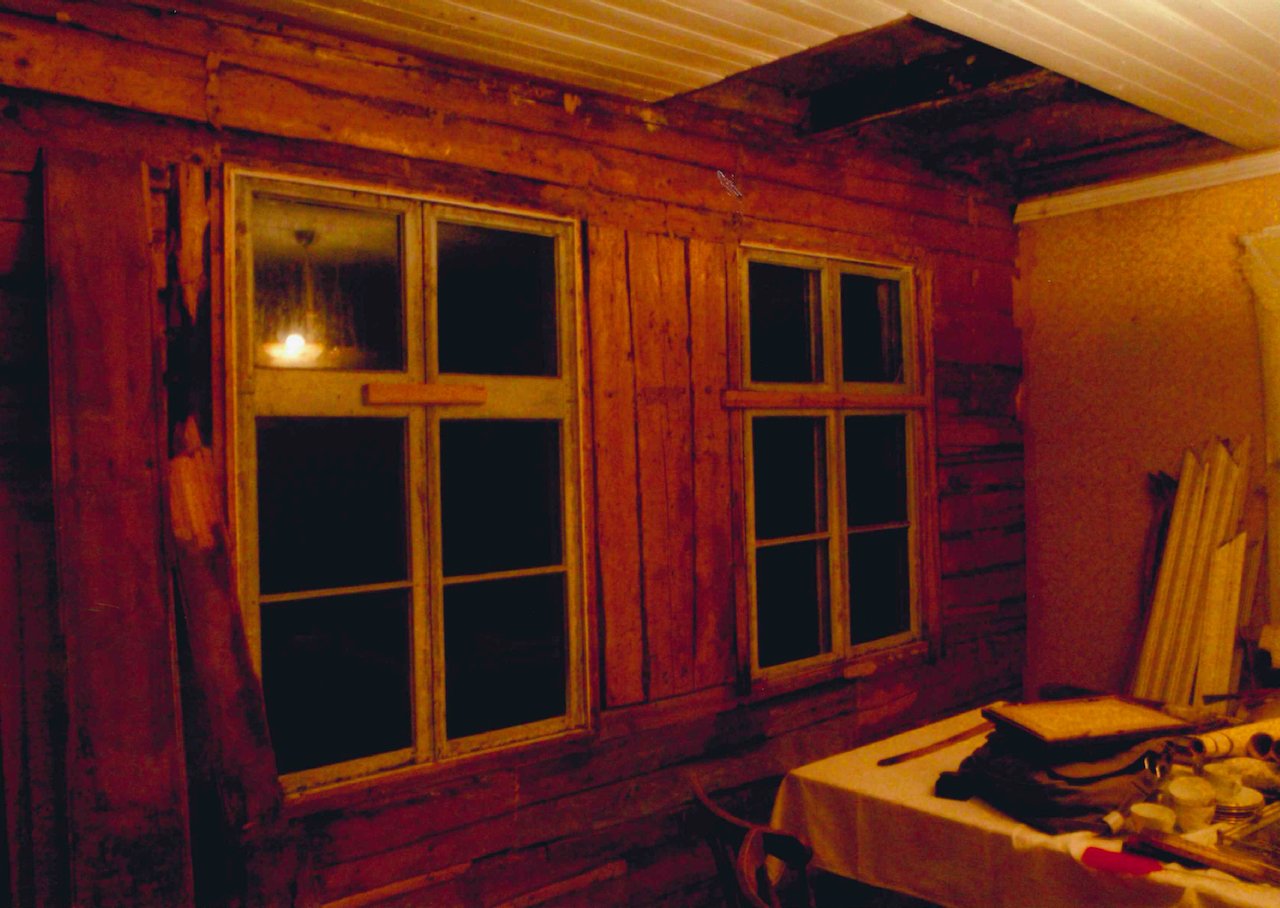
Many projects begin with the assumption that replacing is easier than repairing. However, removing original fabric often means losing knowledge embedded in the building itself, something closely tied to its history and original construction.
The Risk of Starting Over

Before introducing change, the building must be understood. Structure, materials, and past interventions all influence what is possible. This process often reveals the value of existing authentic features, which can guide decisions rather than limit them.
Understanding Before Changing

The structure defines the limits and possibilities of modernization. Alterations should respect how the building carries load, handles moisture, and responds to seasonal change. These are factors deeply connected to traditional materials and linseed oil paint.
Working with the Existing Structure
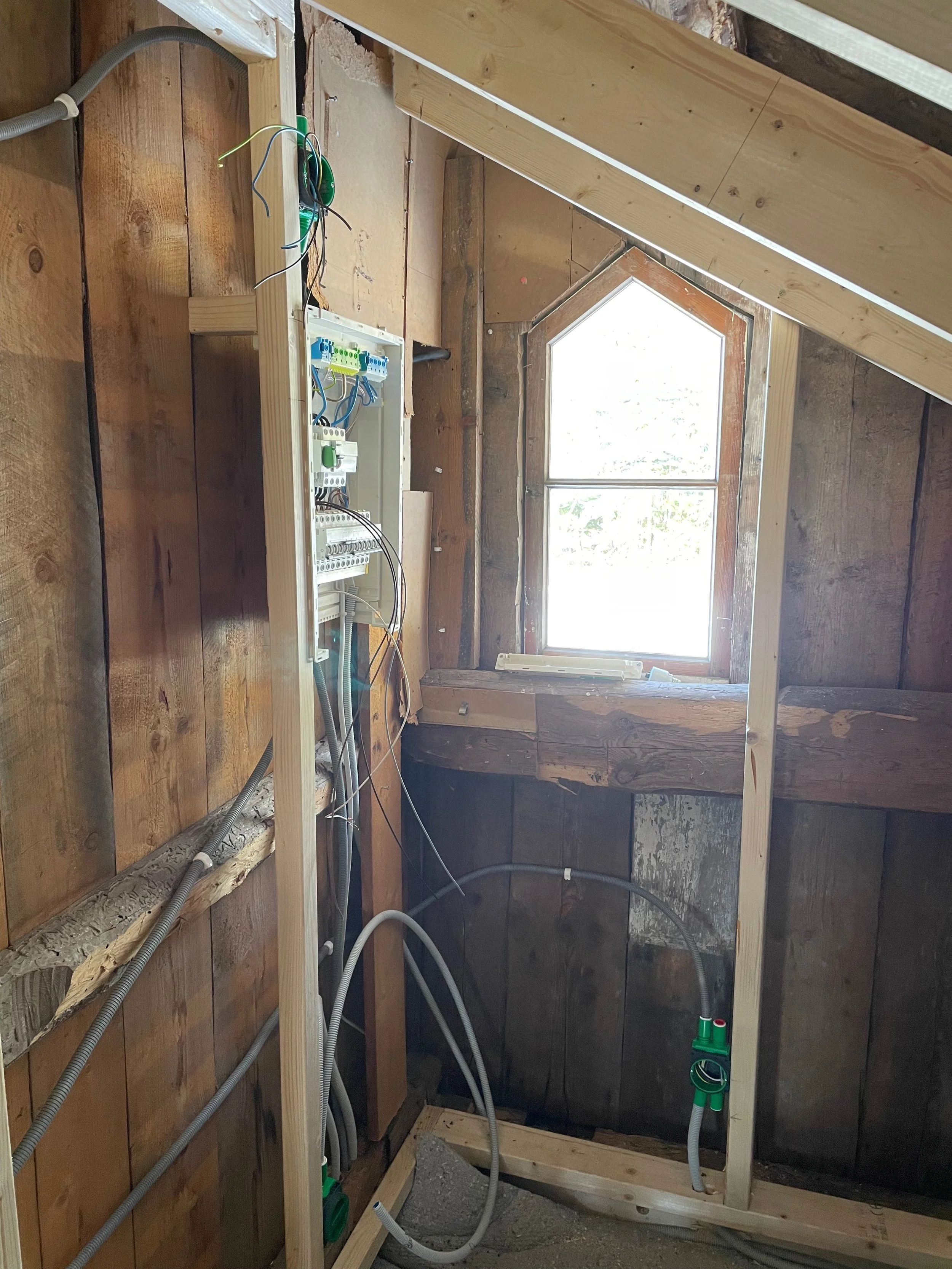
Modern systems: heating, insulation, electrical can be integrated without dominating the building. The goal is not invisibility, but compatibility. This approach aligns closely with the ideas explored in balancing old and new.
Introducing Modern Elements
Decision-Making in Practice
Each decision involves trade-offs. To preserve, to adapt, or to replace depends on context, condition, and long-term impact. A thoughtful process builds on the same philosophy found in restoring the past, where every intervention becomes part of the building’s ongoing story.
Before and After


Modernization is not about choosing between old and new, but understanding how they can work together.
Article: Below the Surface →
Article: Side Attic Becomes a Bathroom →
Article: Renovating the Old Staircase →
Next: Balancing Old and New →
Back to: Restoring the Past→