Our StoryThe Garden: A Scandinavian Oasis
A true “Pantry lifestyle” begins in the soil. We design a garden rooted in Nordic traditions — one that feeds both the home and the spirit.
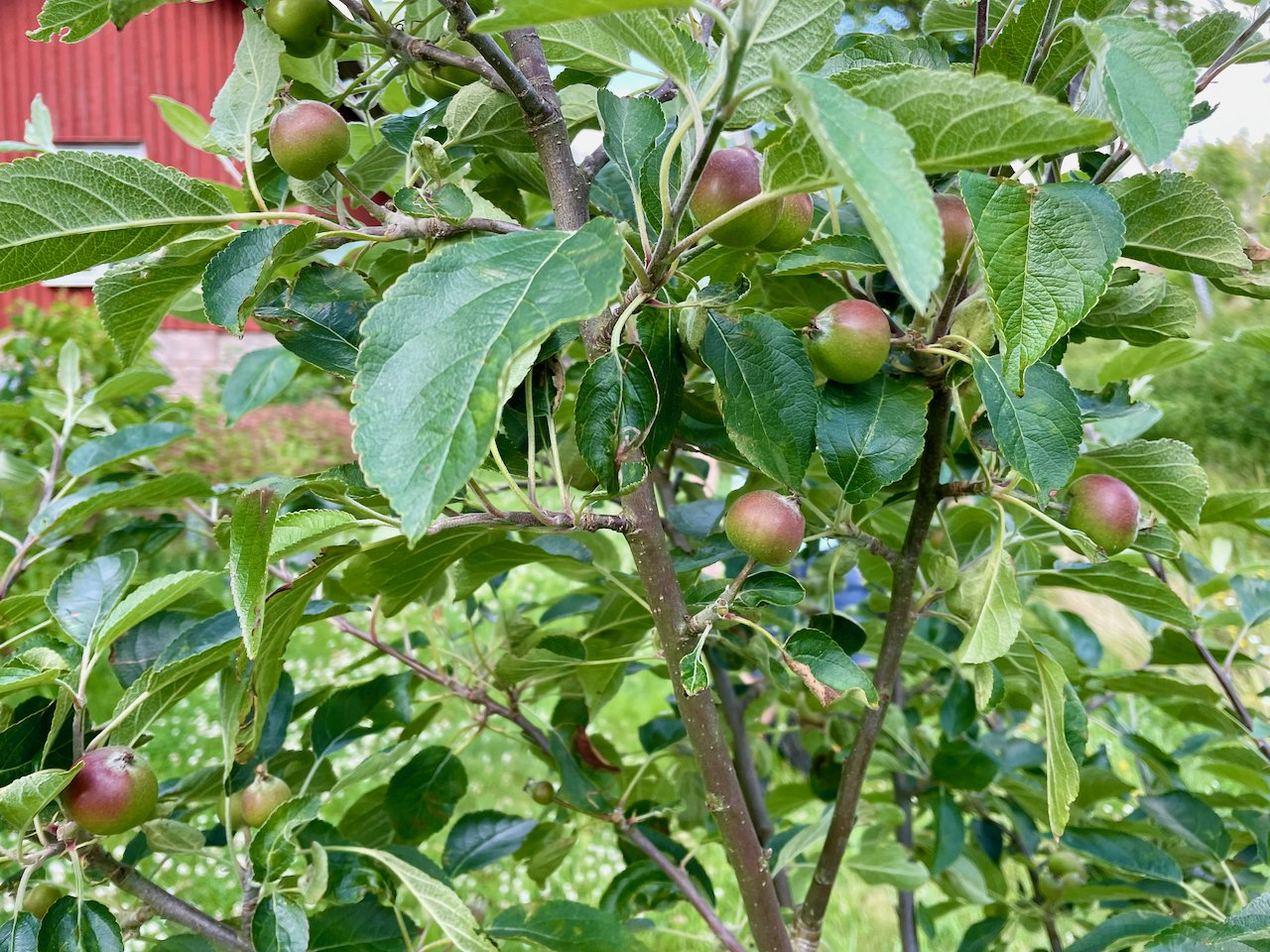
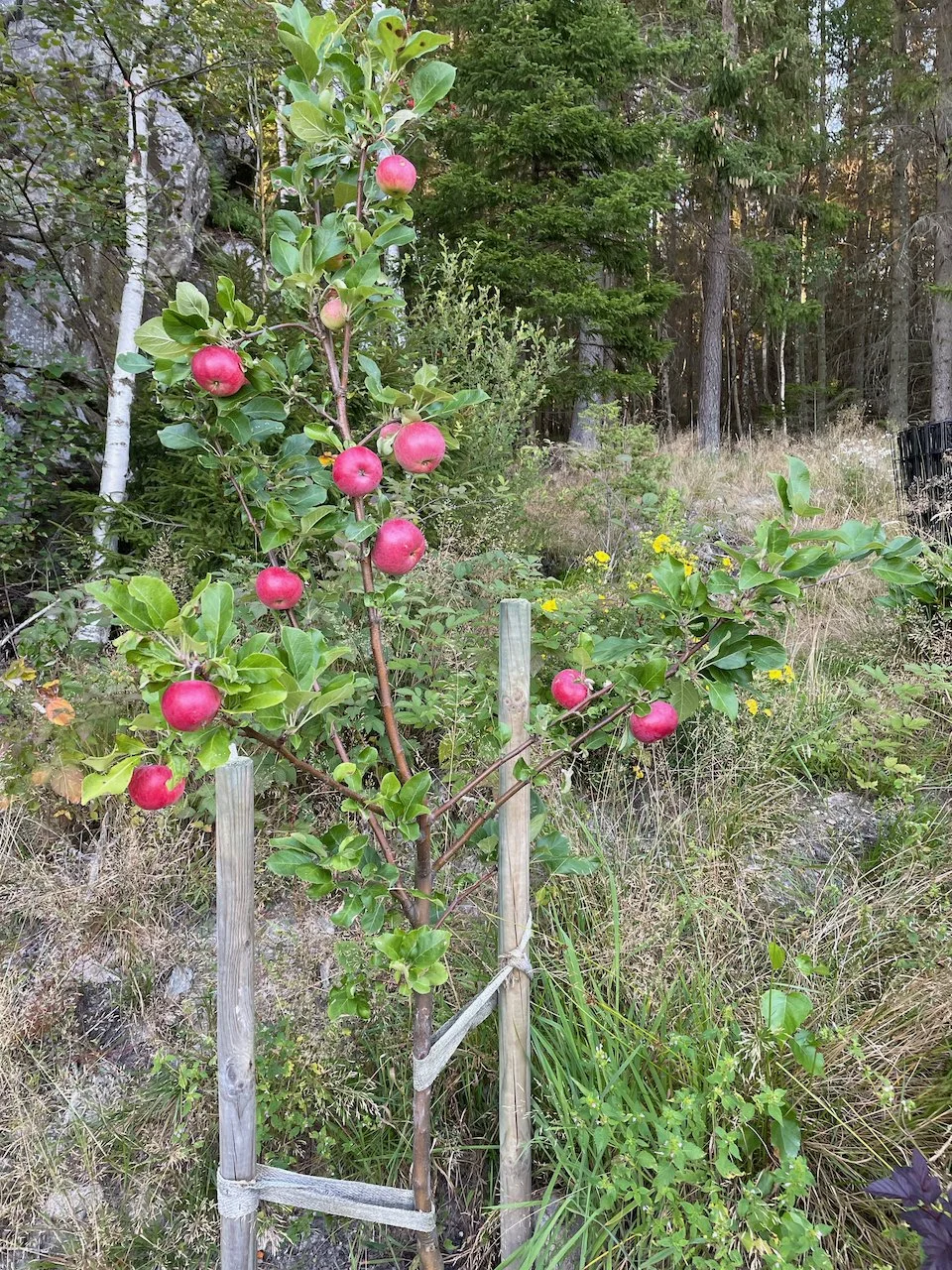
Berry Bushes & Fruit Trees: Heritage apple varieties and flourishing currant bushes.
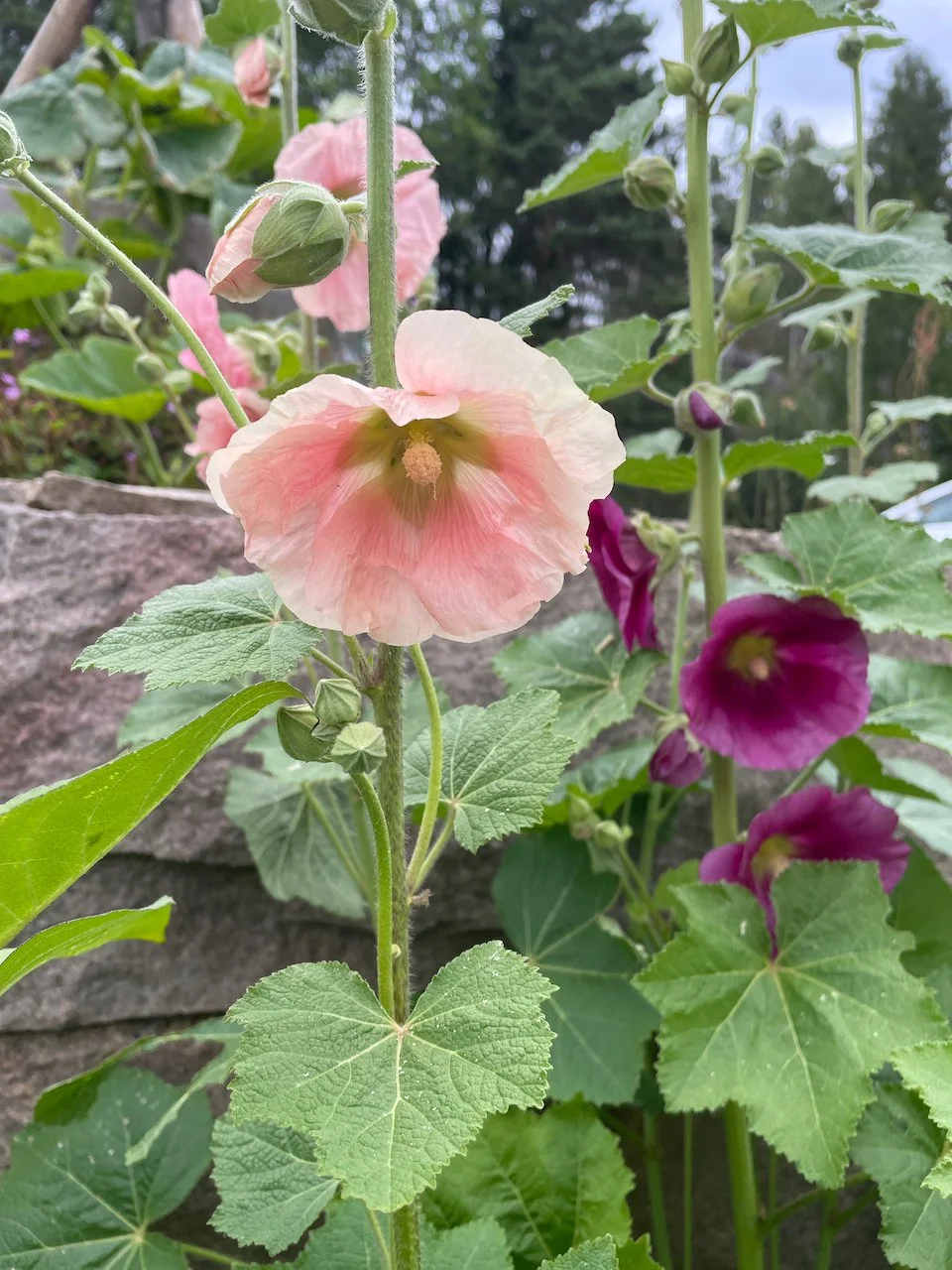
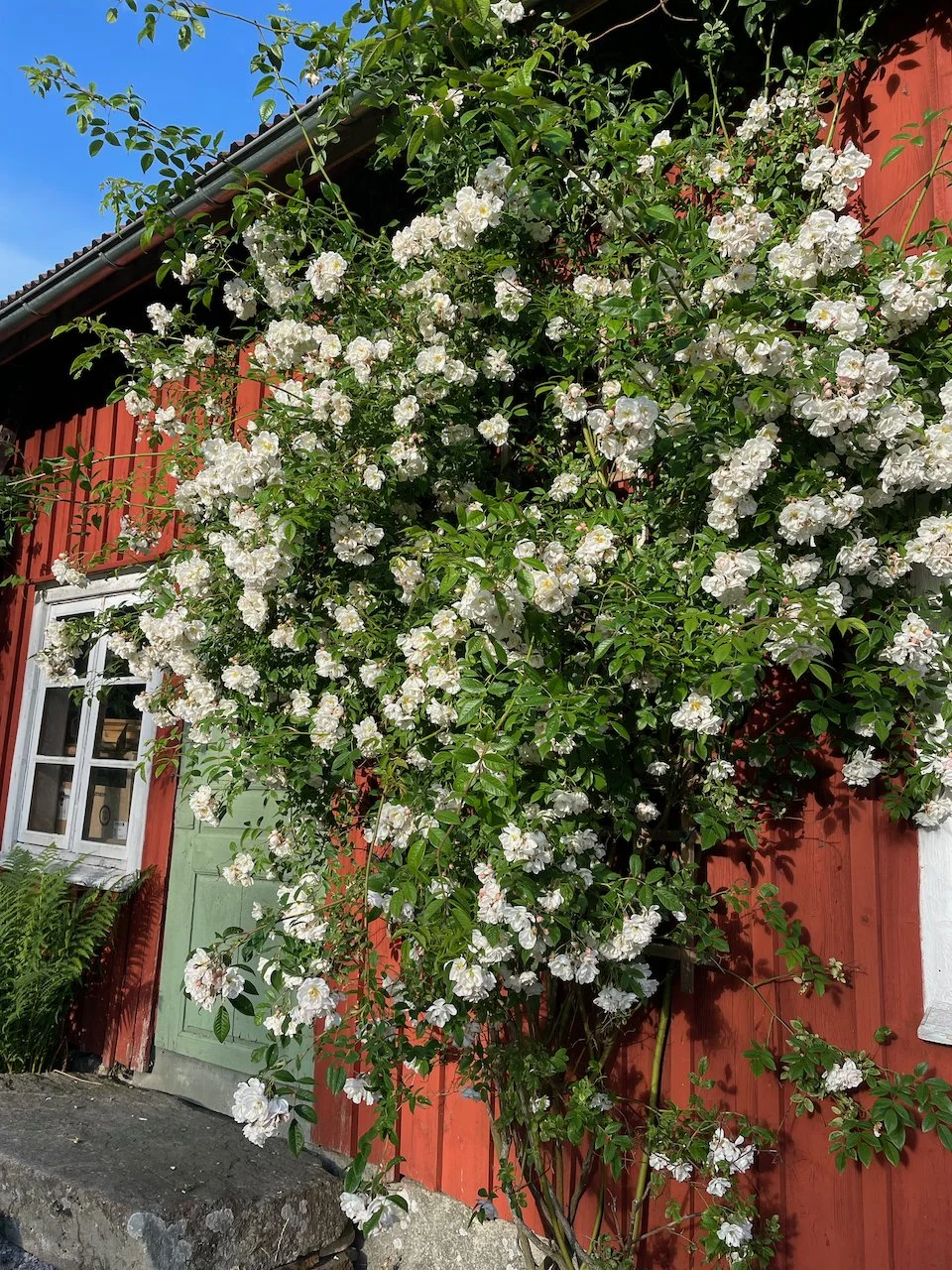
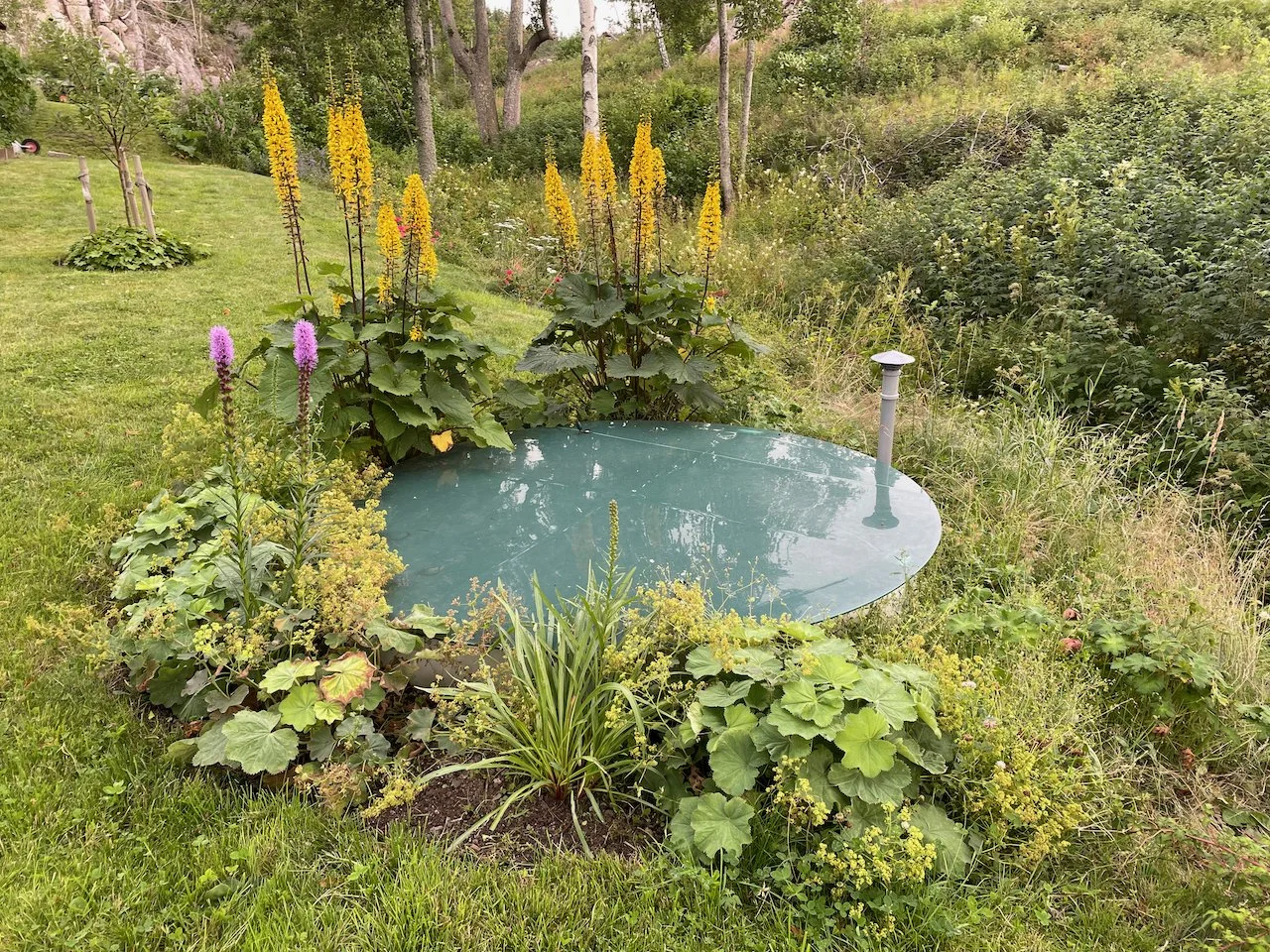
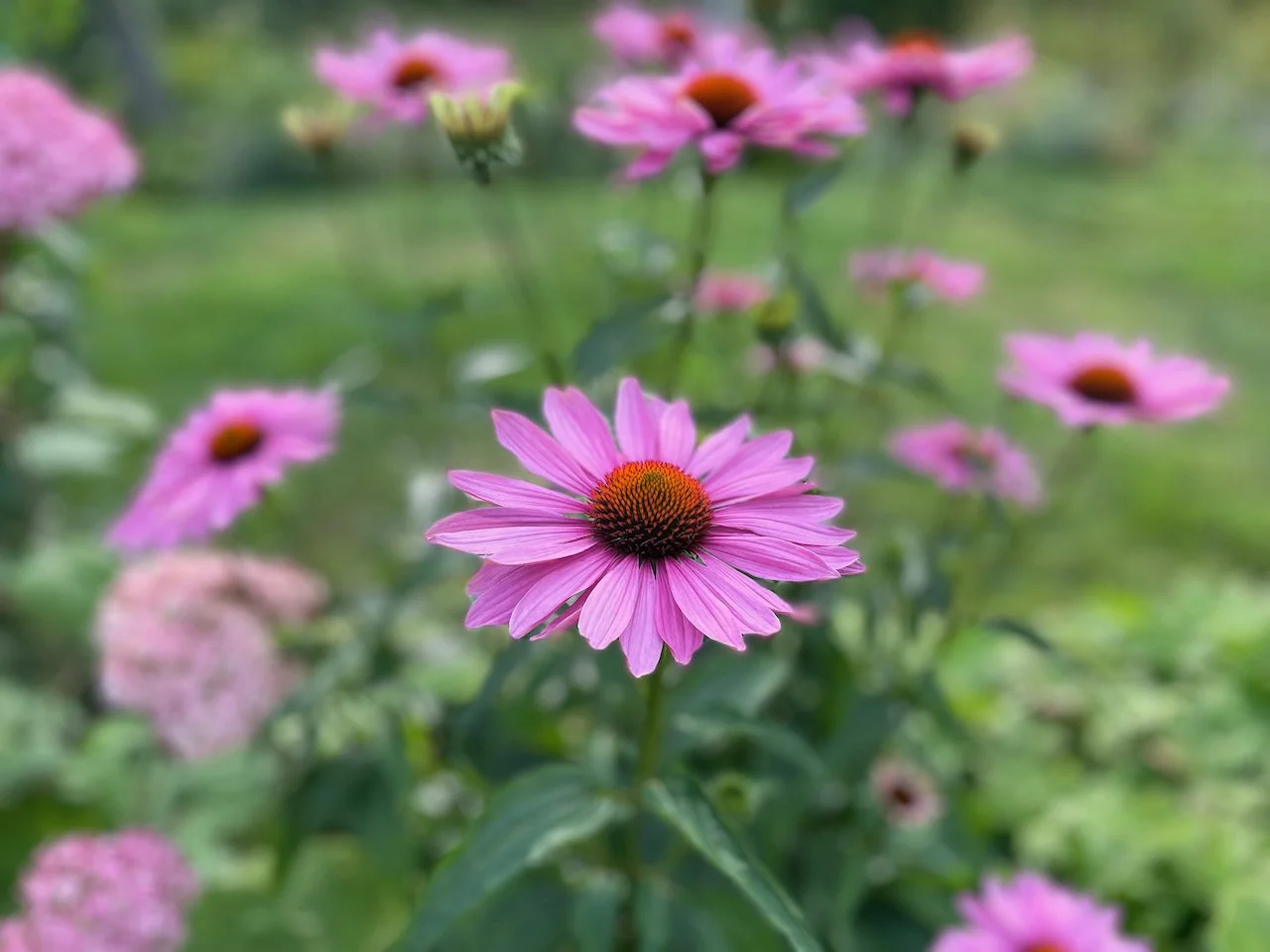
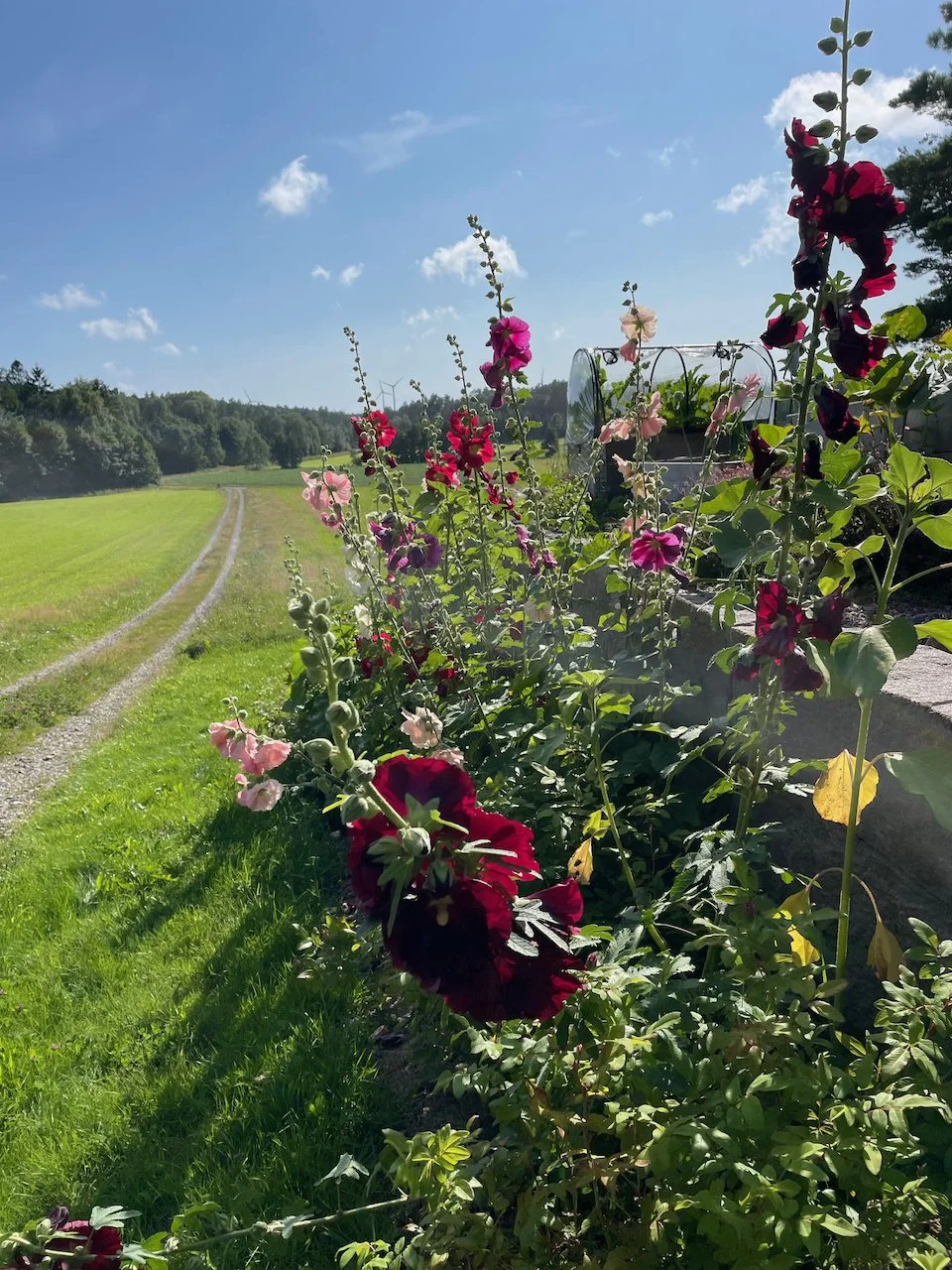
Flowers: Grandmother’s perennials, lilacs, and hollyhocks to set the mood.
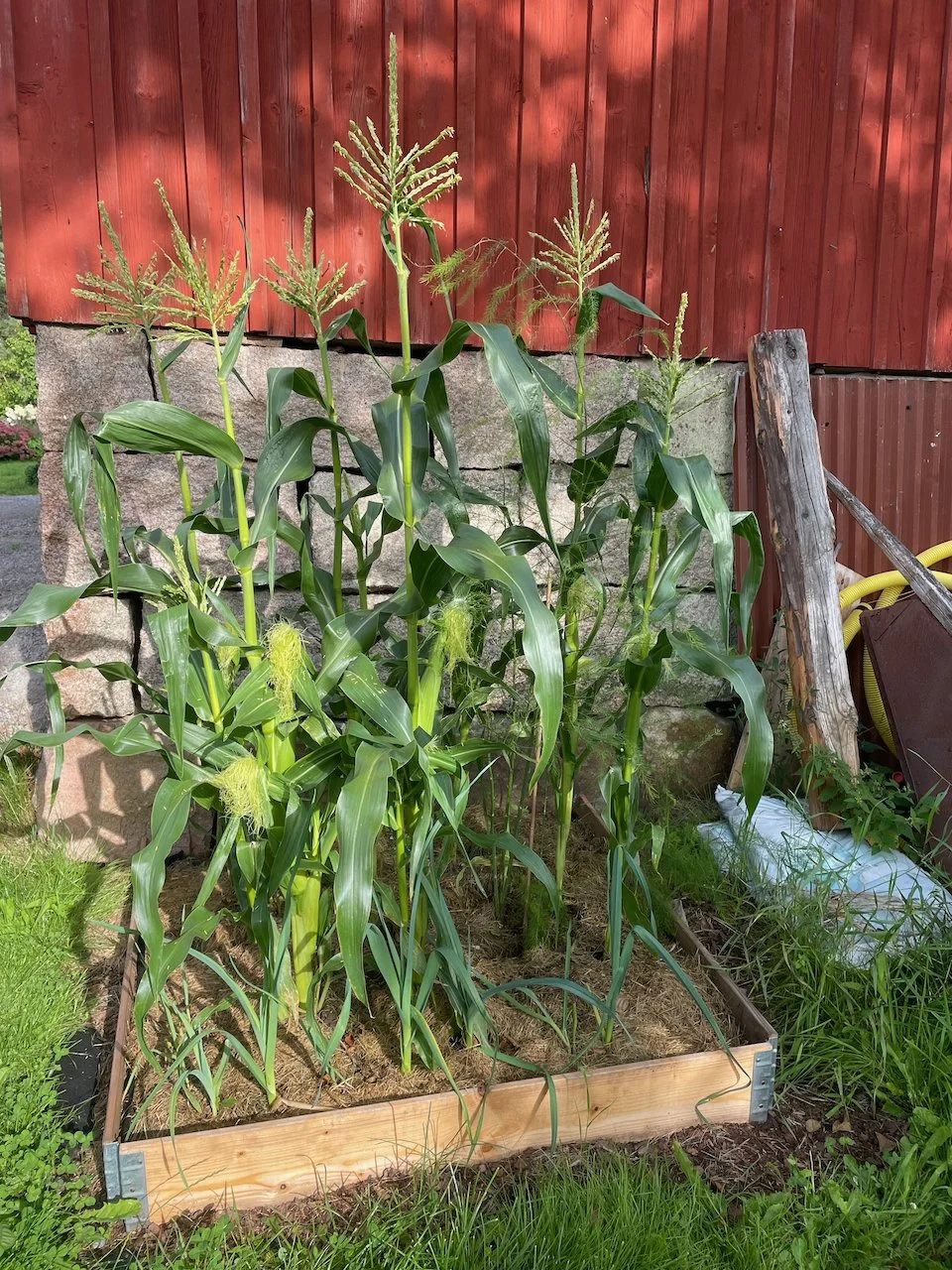
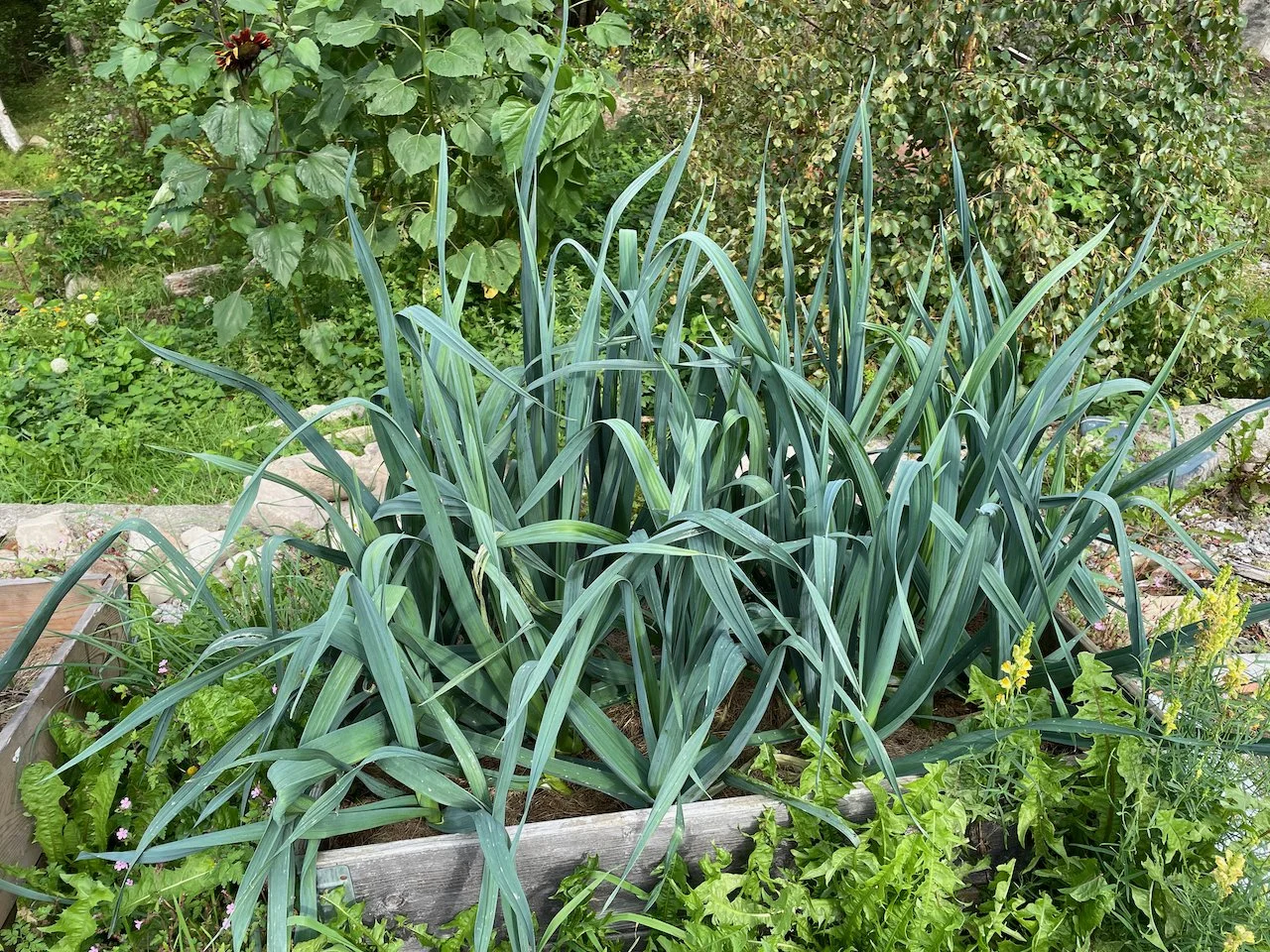
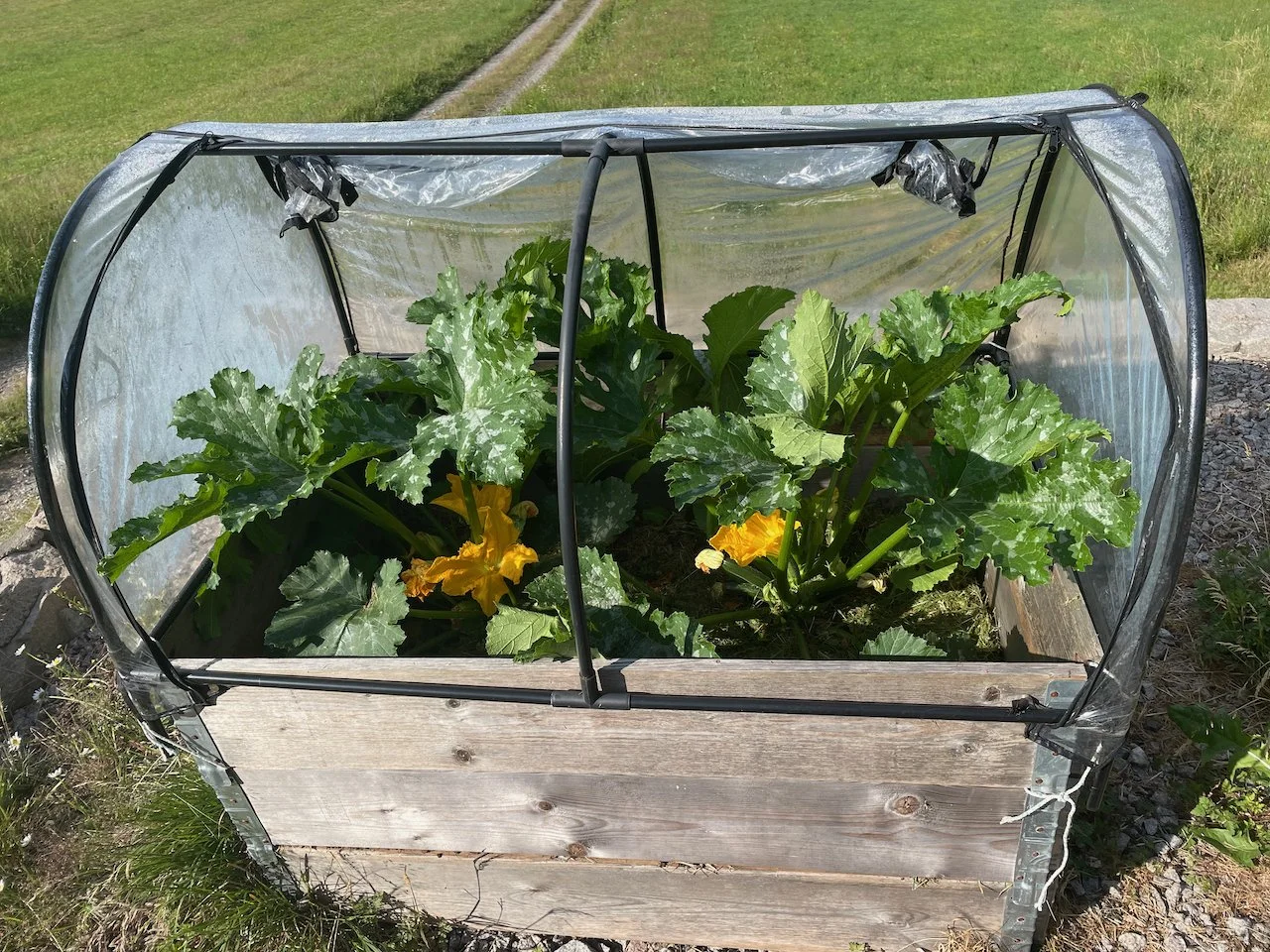
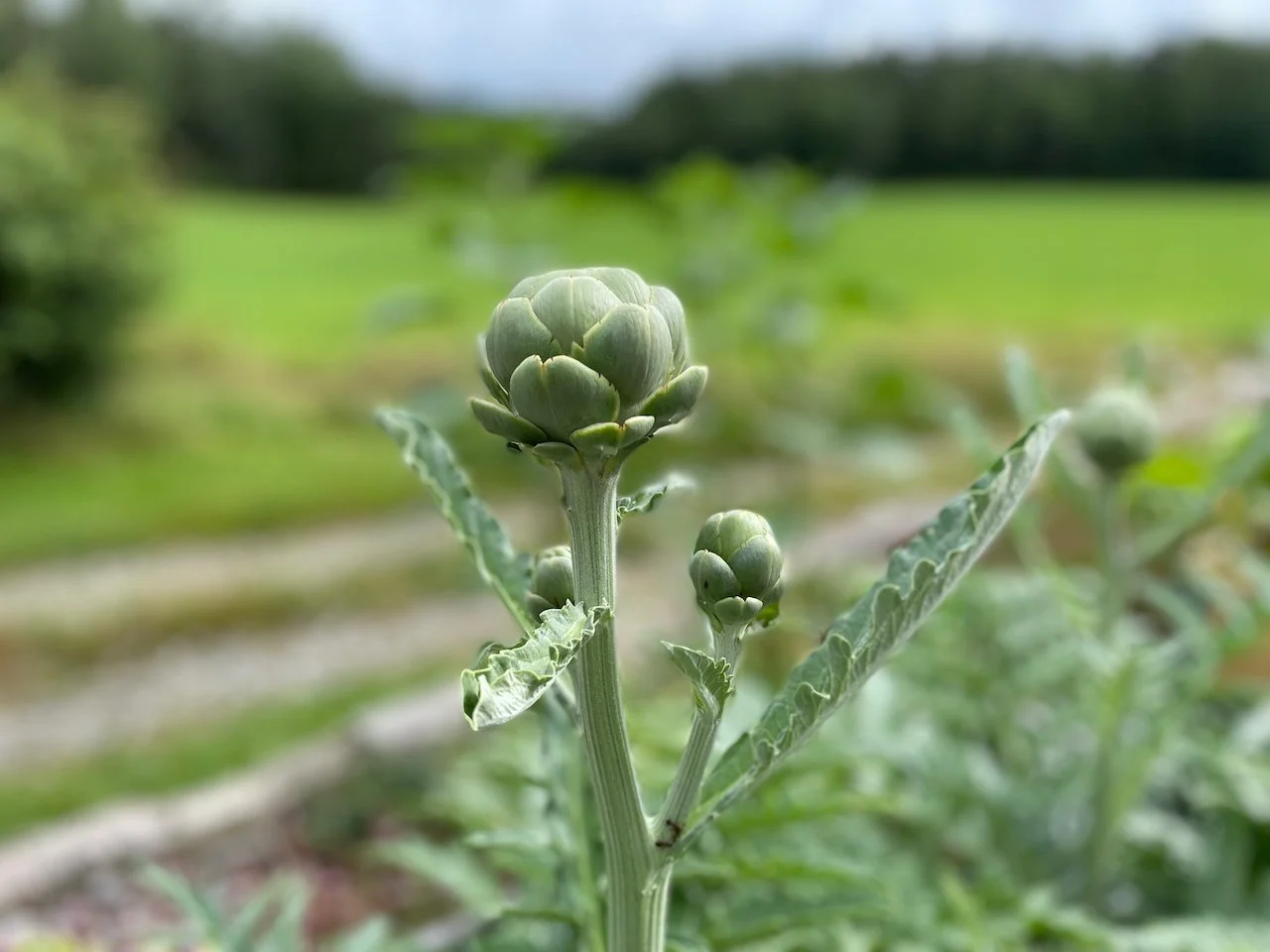
Kitchen Garden: Planning a garden that is as beautiful as it is productive.
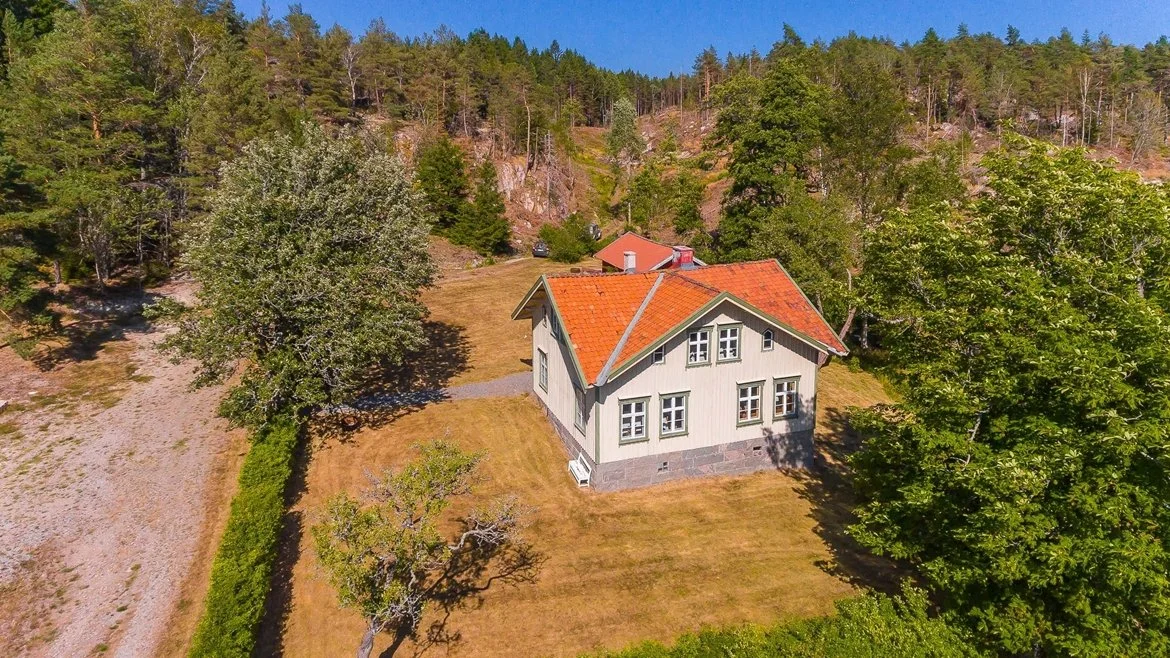
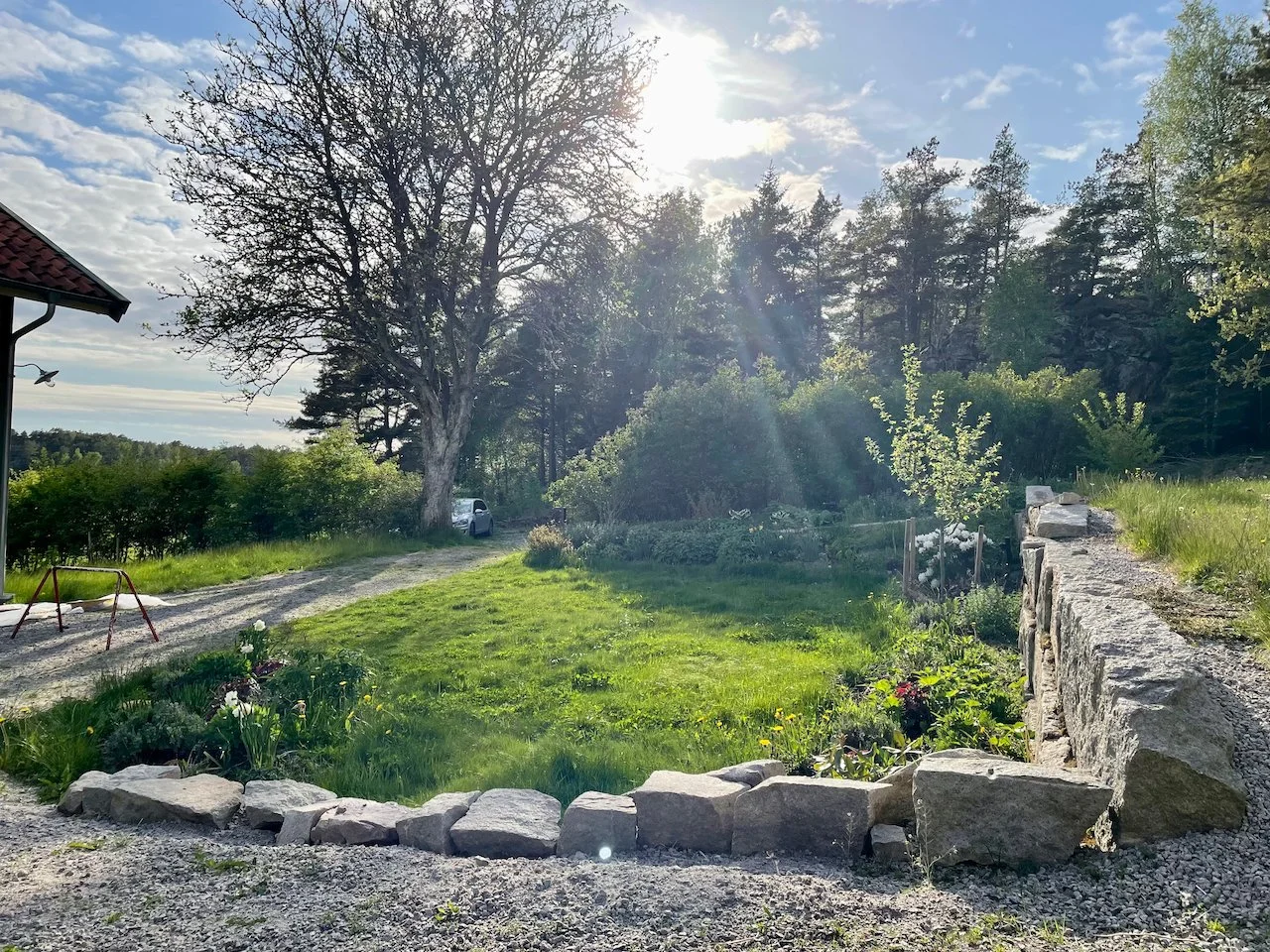
In 2019, the garden was a blank slate - an open canvas waiting to be shaped. From the outset, our ambition was clear: to create a garden rooted in Nordic tradition, one that would feel inseparable from the house and in quiet dialogue with the stone, forest, and shifting light of western Sweden.
When we first took over the property, there was no defined structure - only potential. Rather than impose a design, we looked to the landscape itself for guidance. What belongs here? What thrives in this climate? In Nordic gardening, these questions are essential. The goal is not decoration, but harmony - working with nature rather than against it.
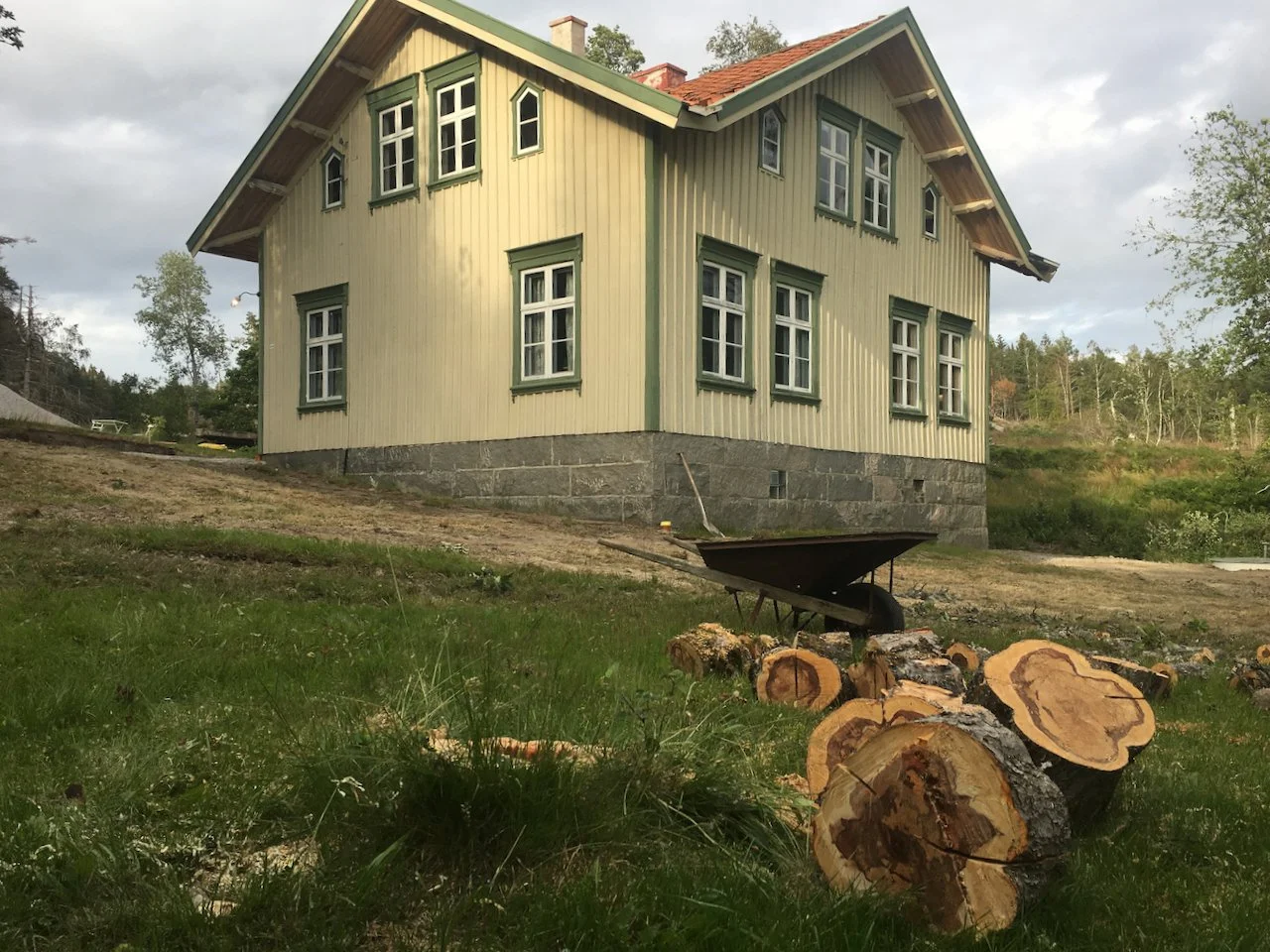
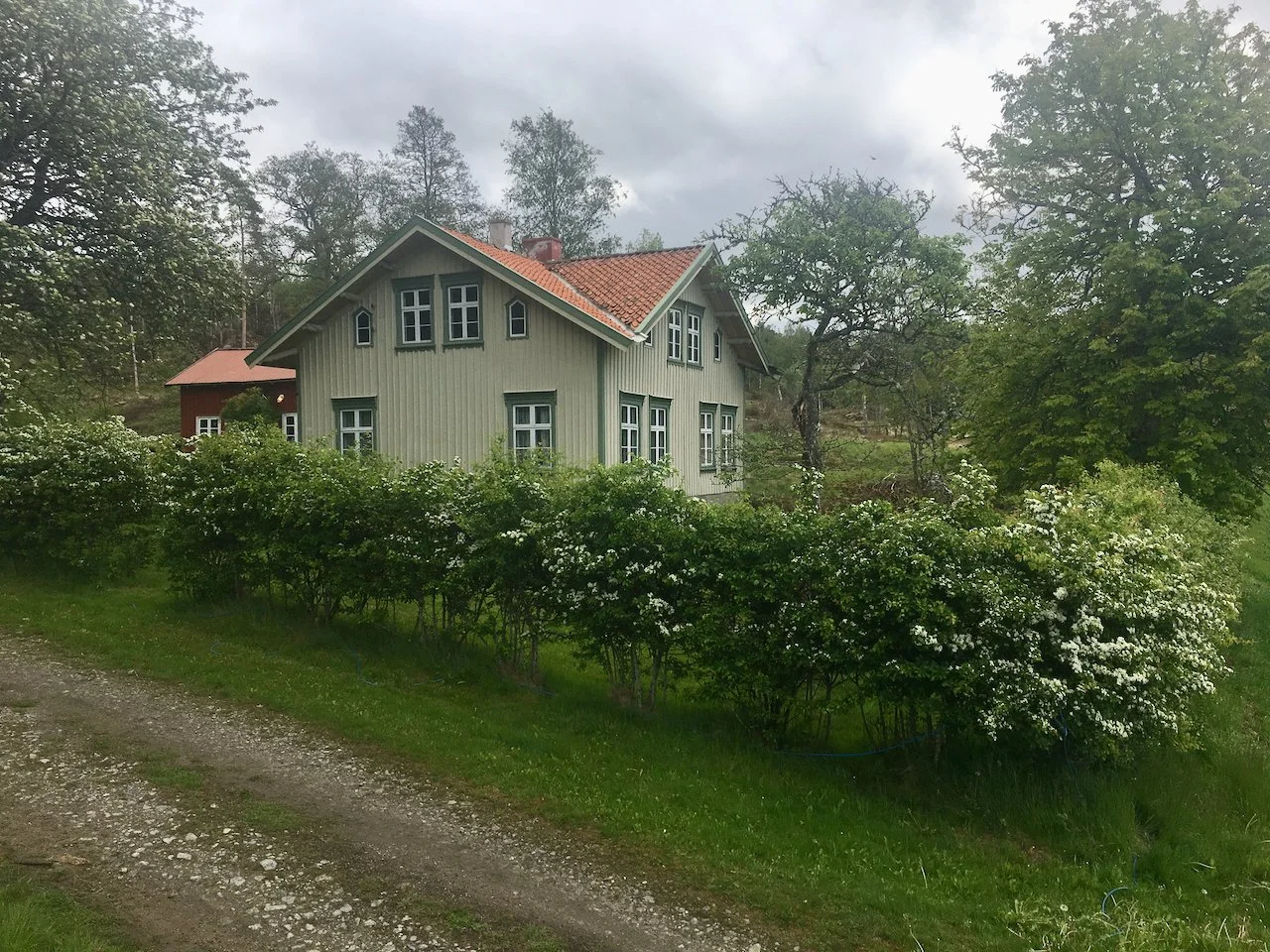
A defining feature of this approach is the use of local materials. Swedish granite, so characteristic of the region, becomes both a practical and poetic element - used to shape terraces, edge pathways, and build low walls. Its weathered textures and muted tones anchor the garden in its surroundings, creating a sense of permanence and calm that is central to Nordic design.
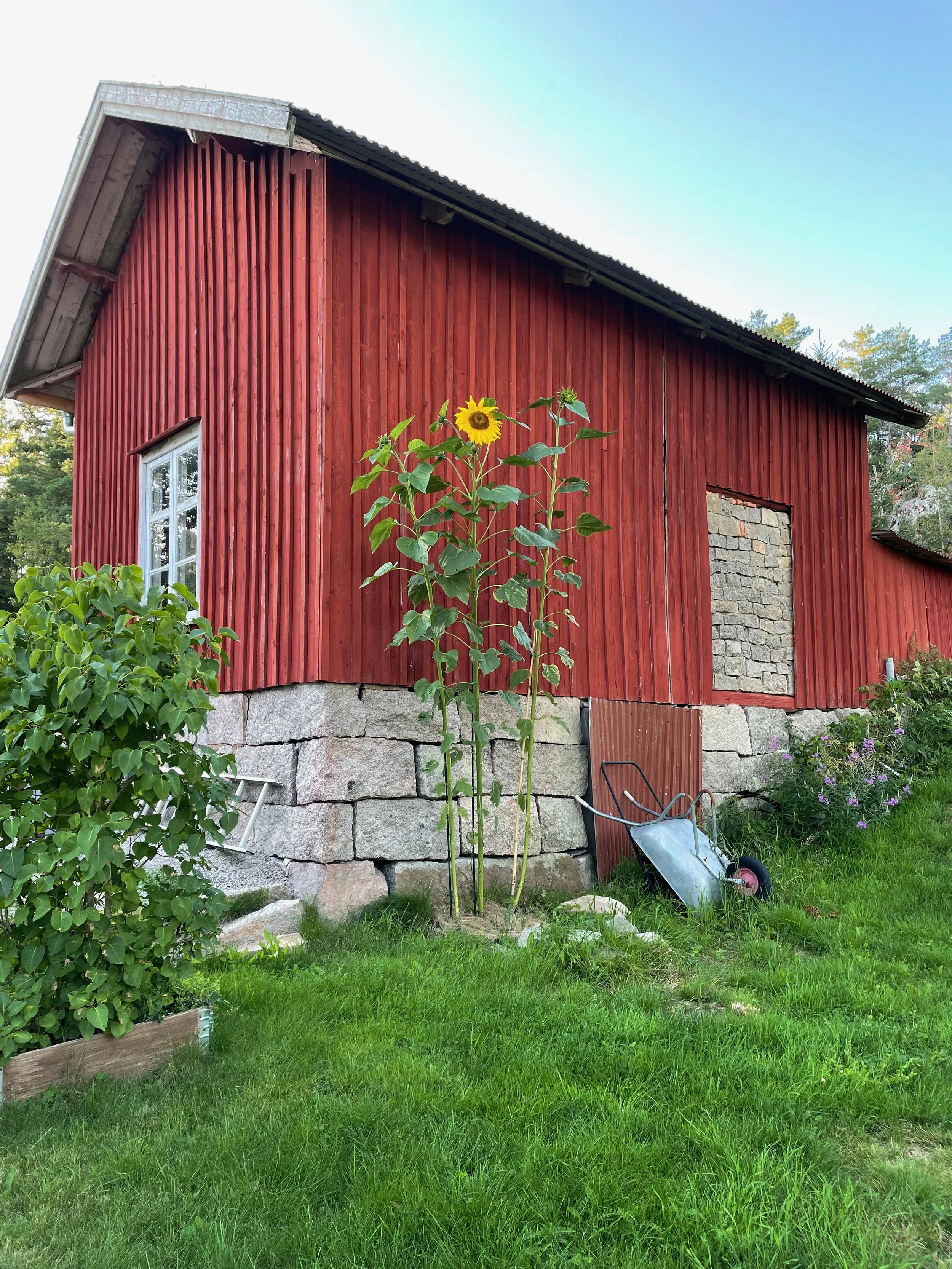
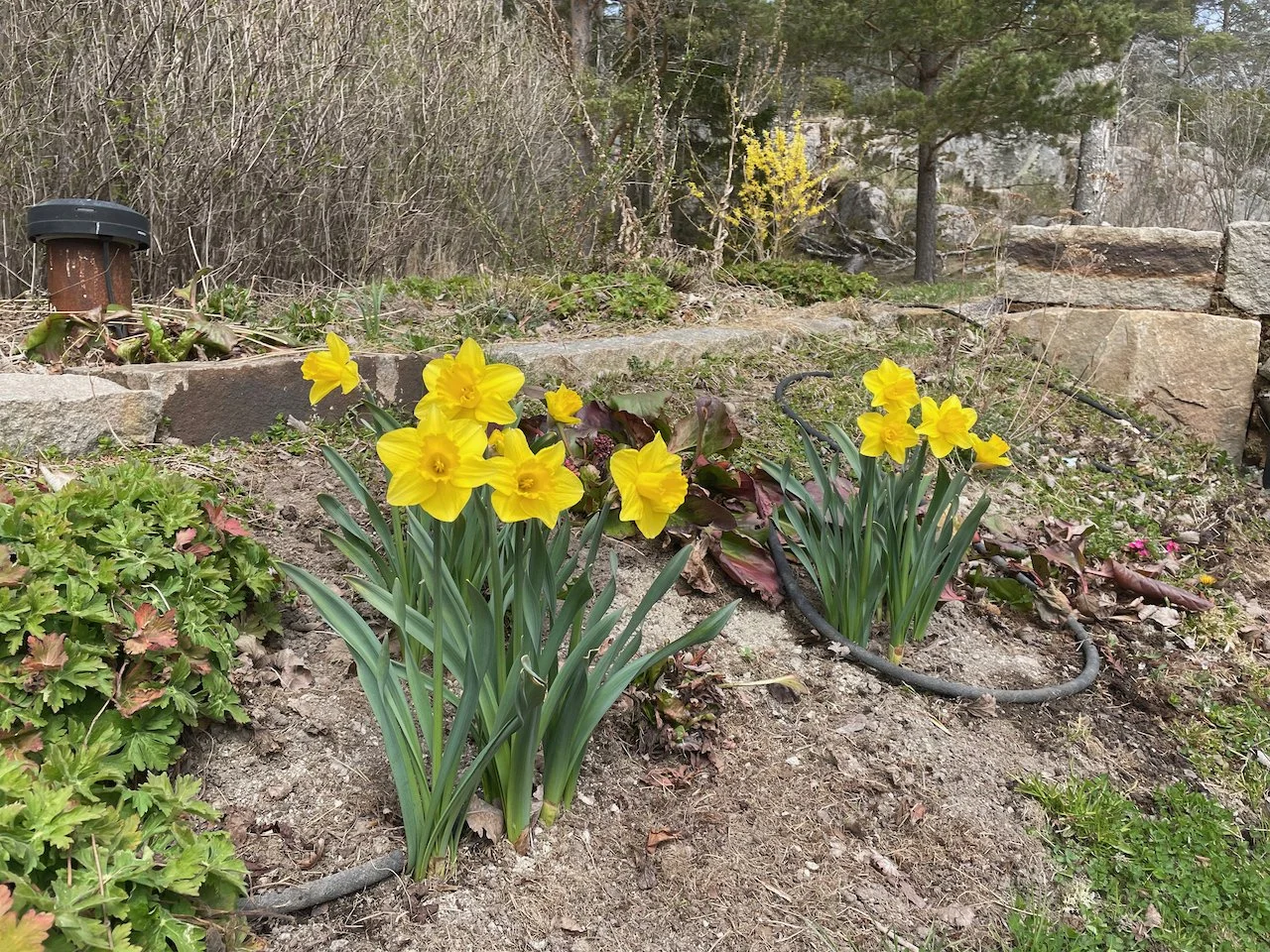

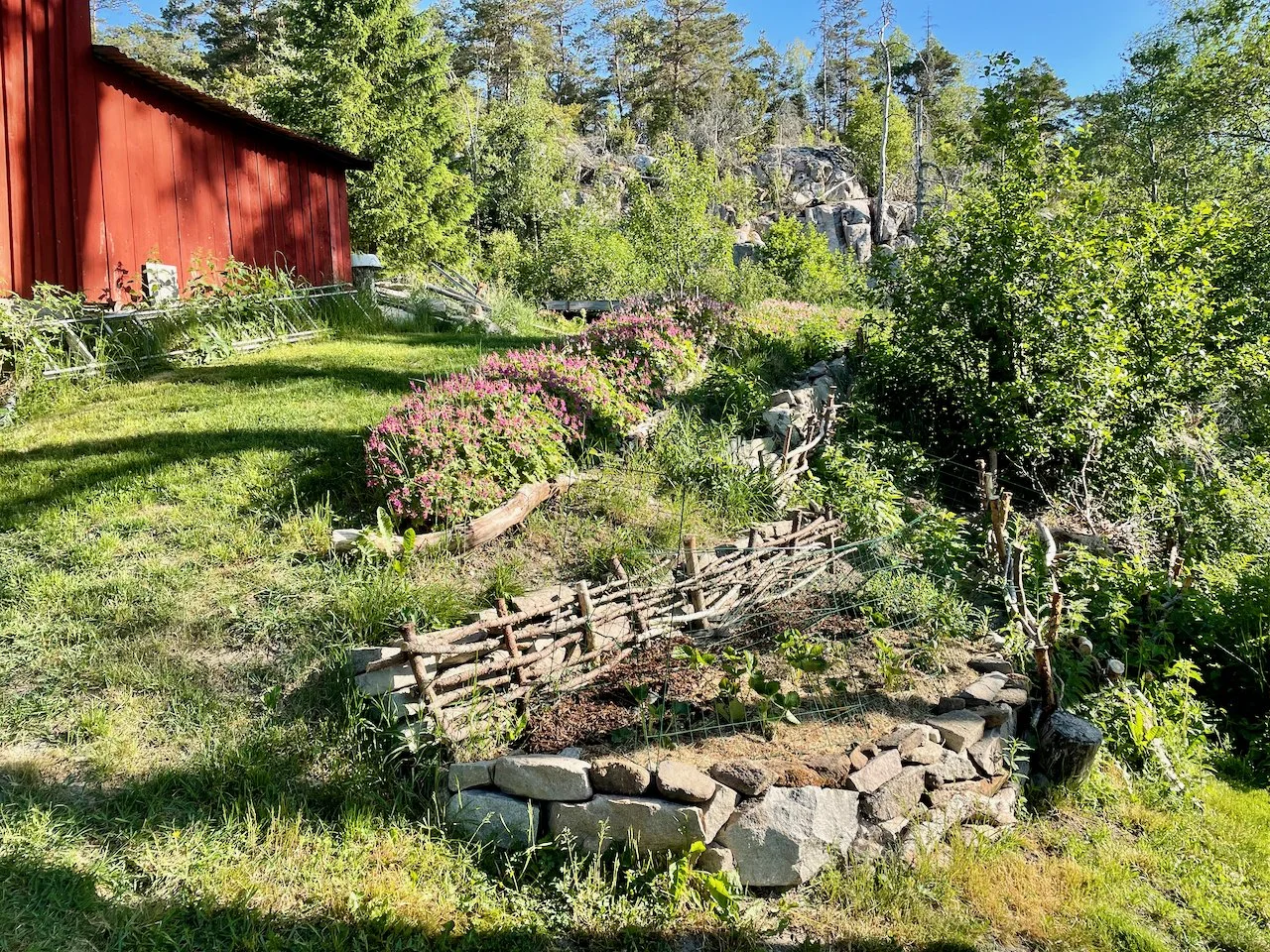
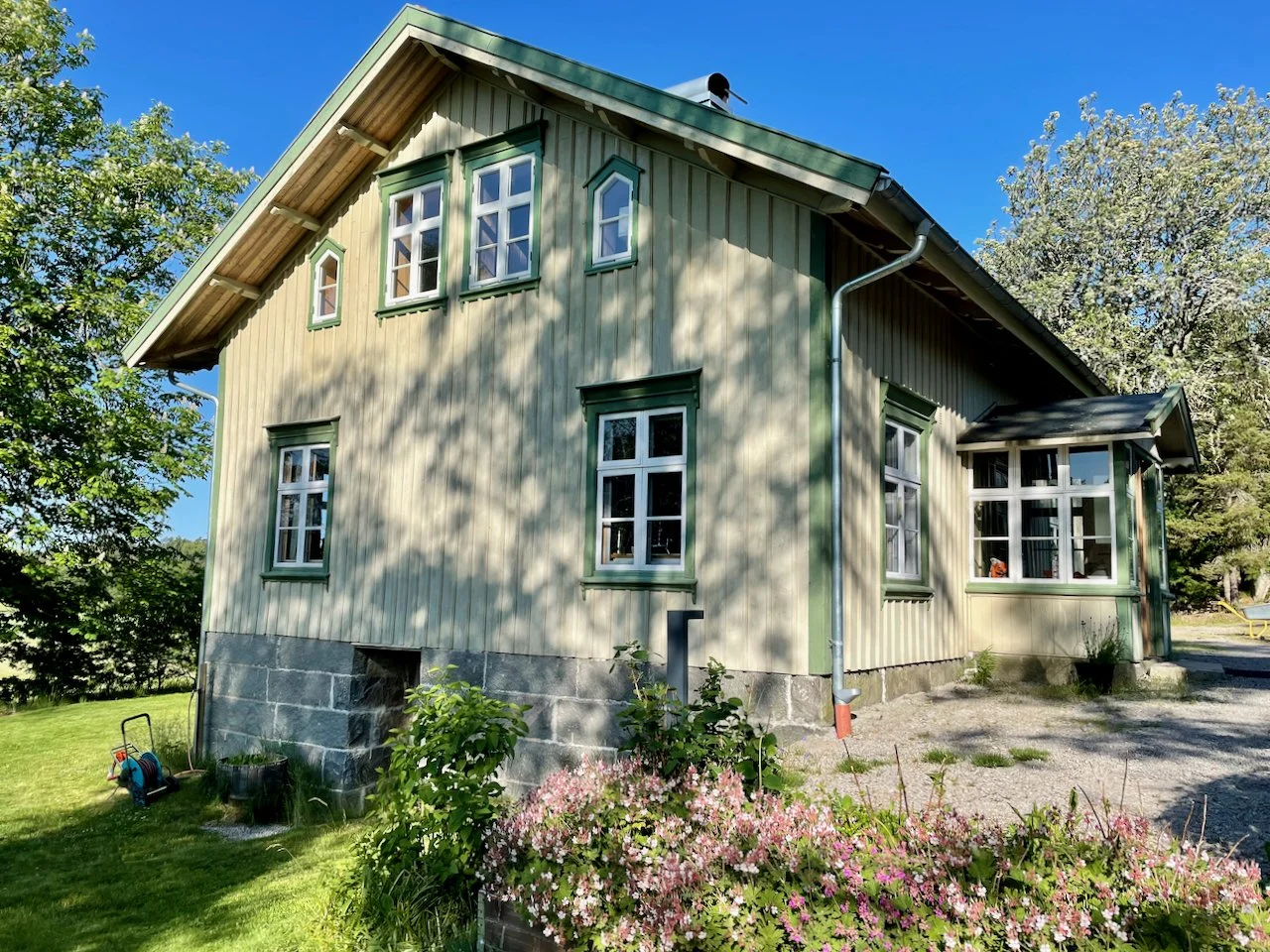
The planting follows the same philosophy: restrained, seasonal, and resilient. Rather than abundance for its own sake, the focus is on rhythm - on how the garden changes through the year, how light moves across surfaces, and how textures shift between growth and rest. This balance between simplicity and depth is what gives a Nordic garden its timeless quality.
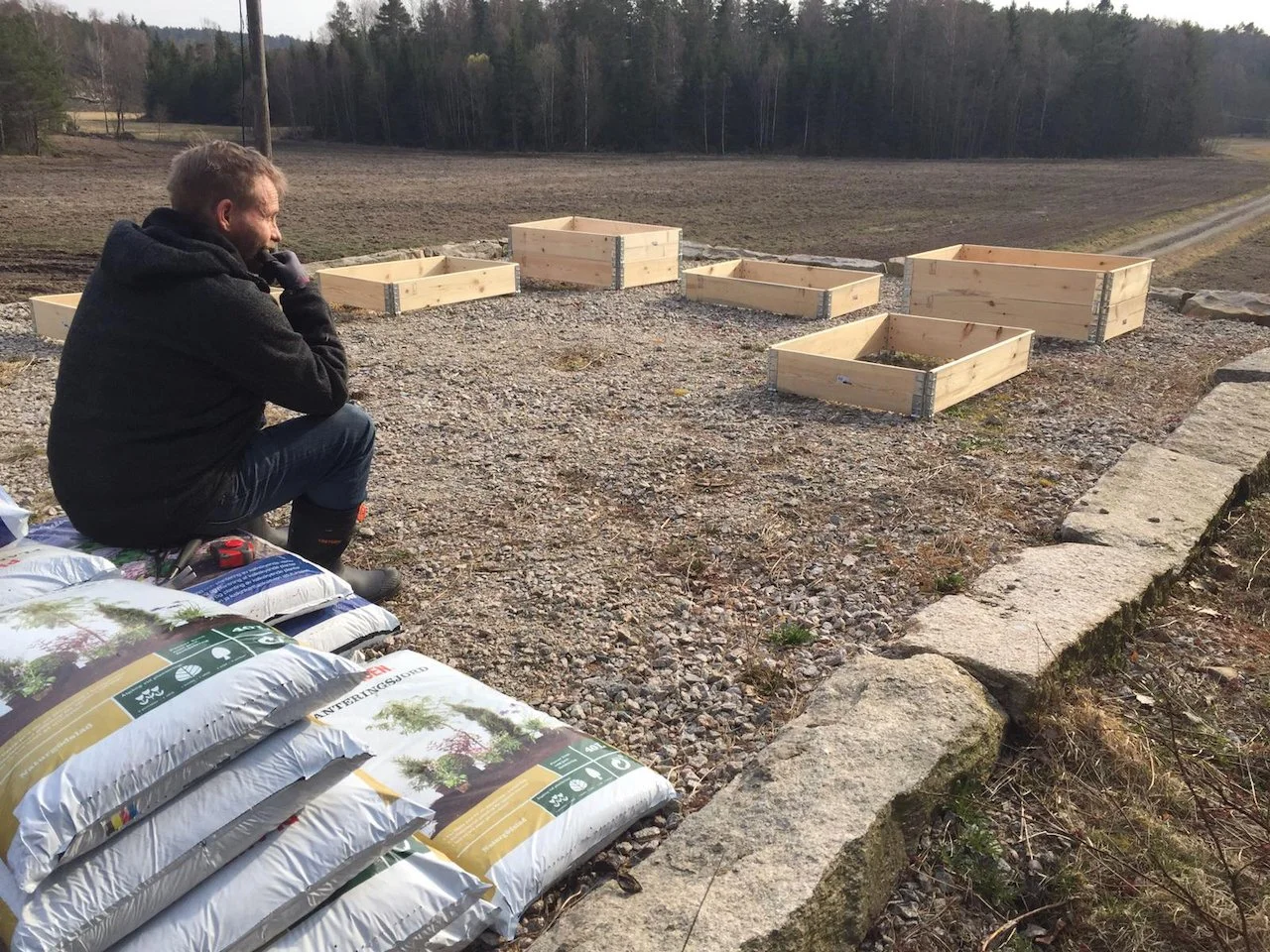
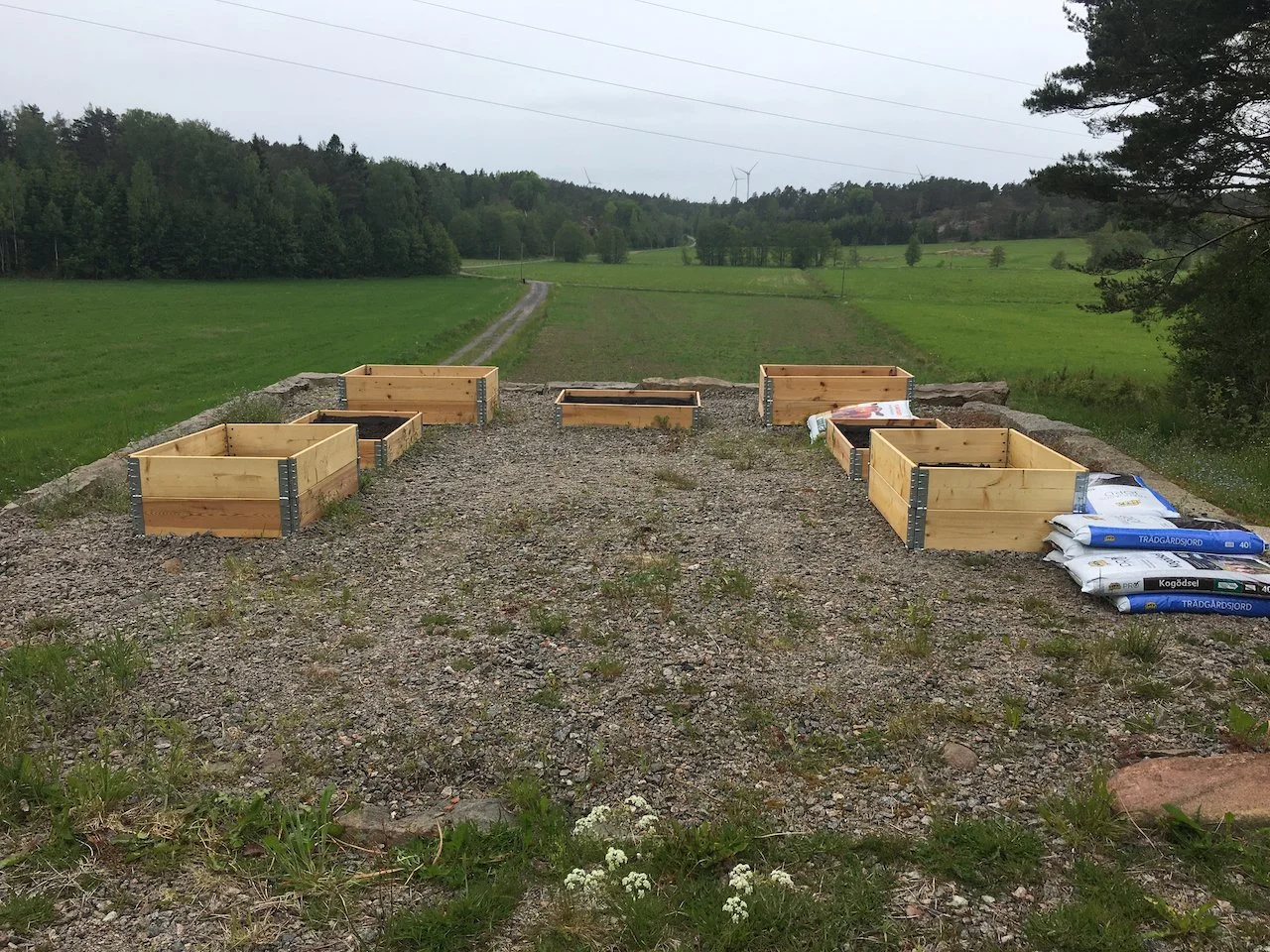
Creating a garden in this way is a slow and deeply rewarding process. It invites patience, observation, and a willingness to let the place lead. Over time, the garden becomes less of a project and more of a living landscape - one that feels as though it has always been there.
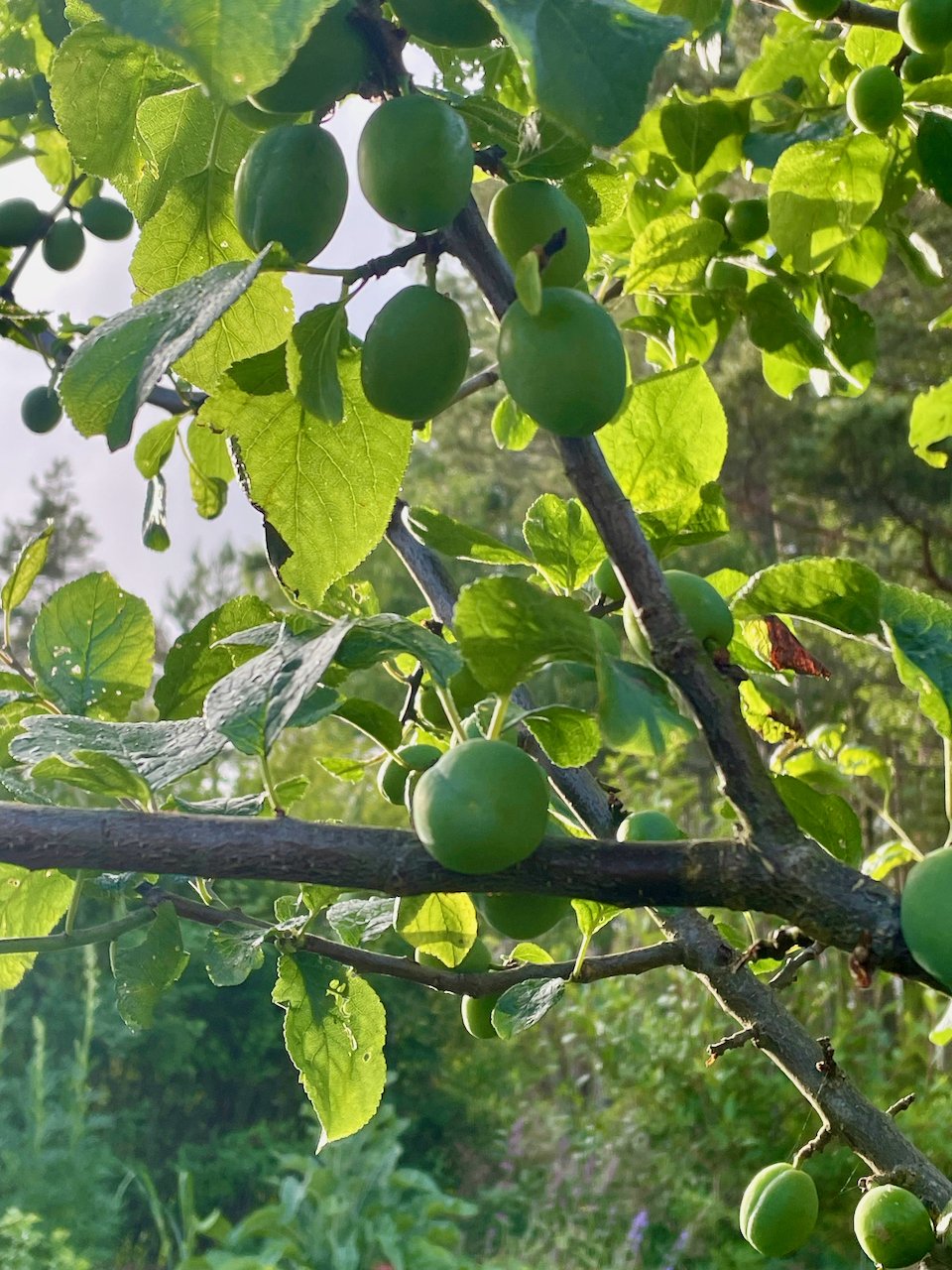
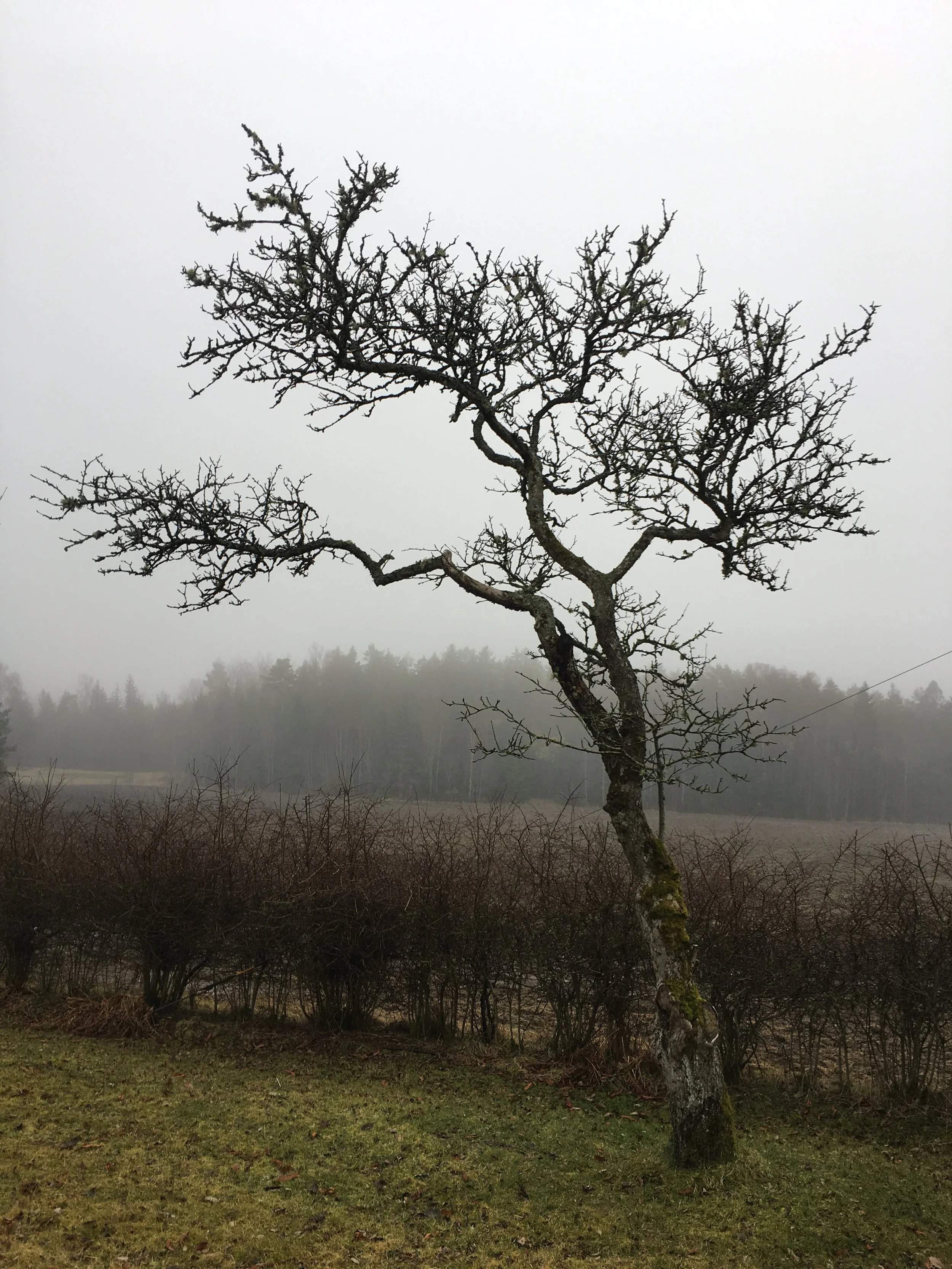
Fruit trees are an essential part of this tradition. In a Nordic country garden, they represent continuity, sustenance, and seasonality. Because they take years to establish and bear fruit, planting them early is one of the most important decisions you can make - an investment not just in the garden’s future, but in its character and sense of belonging.
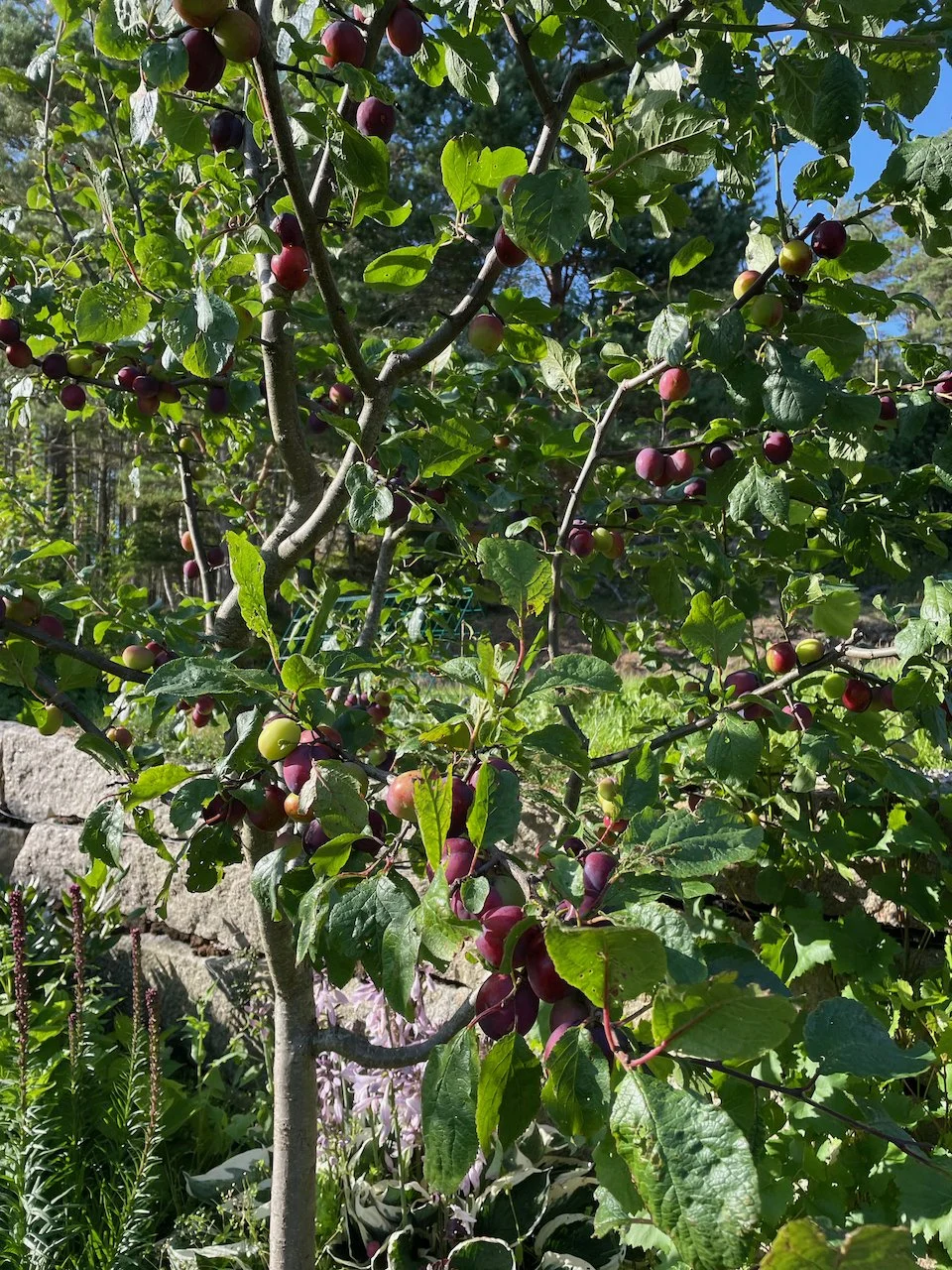
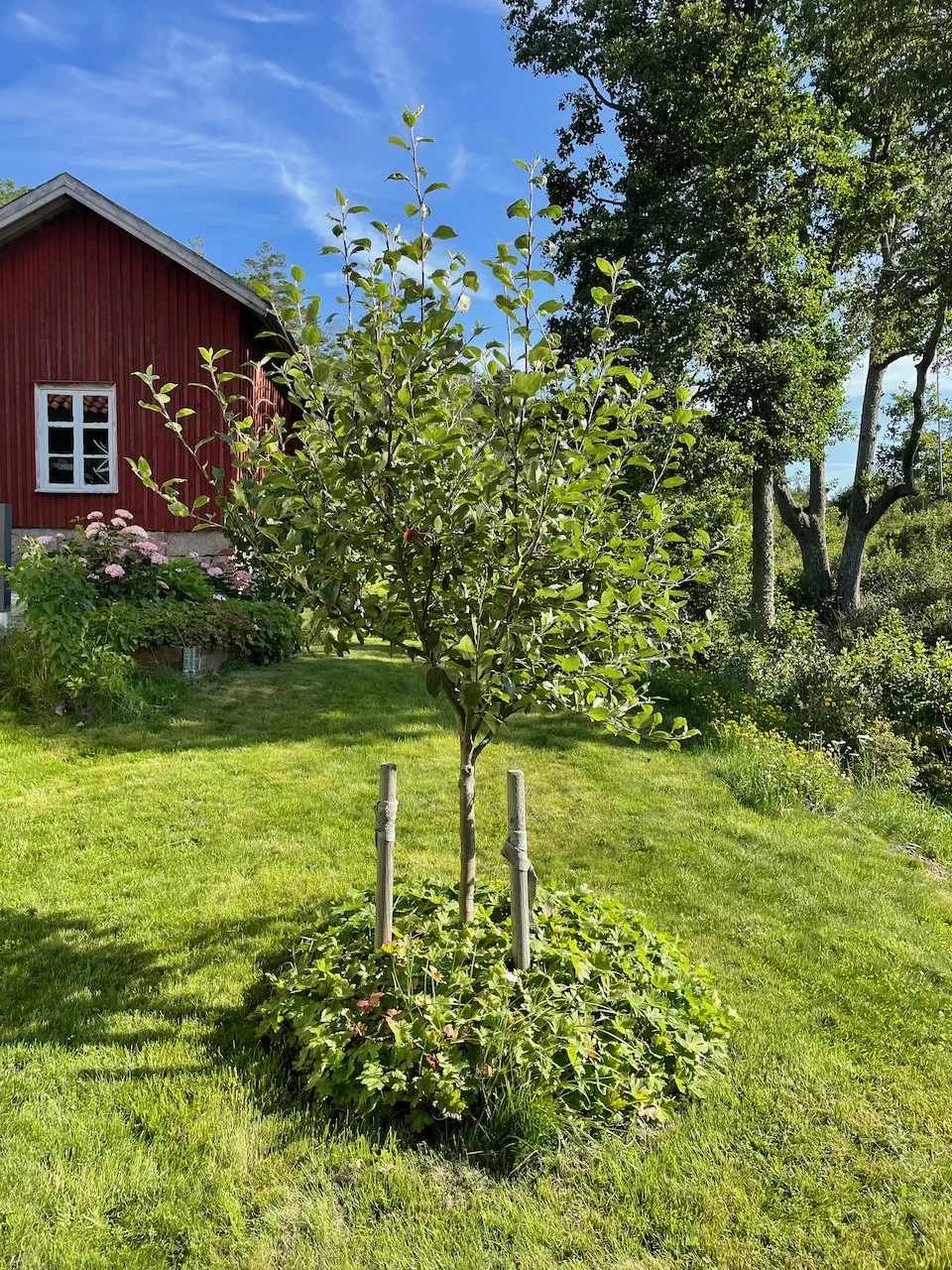
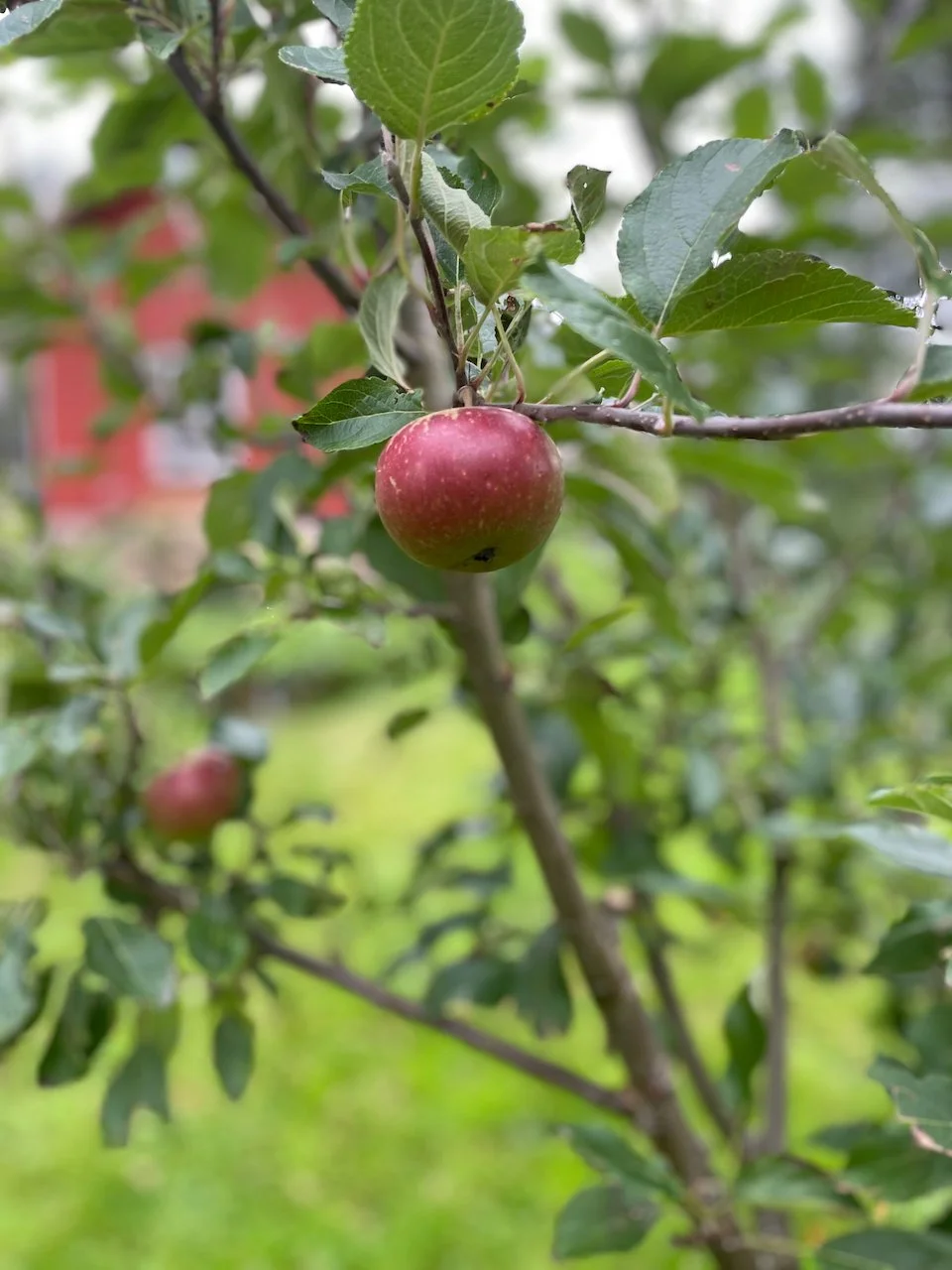
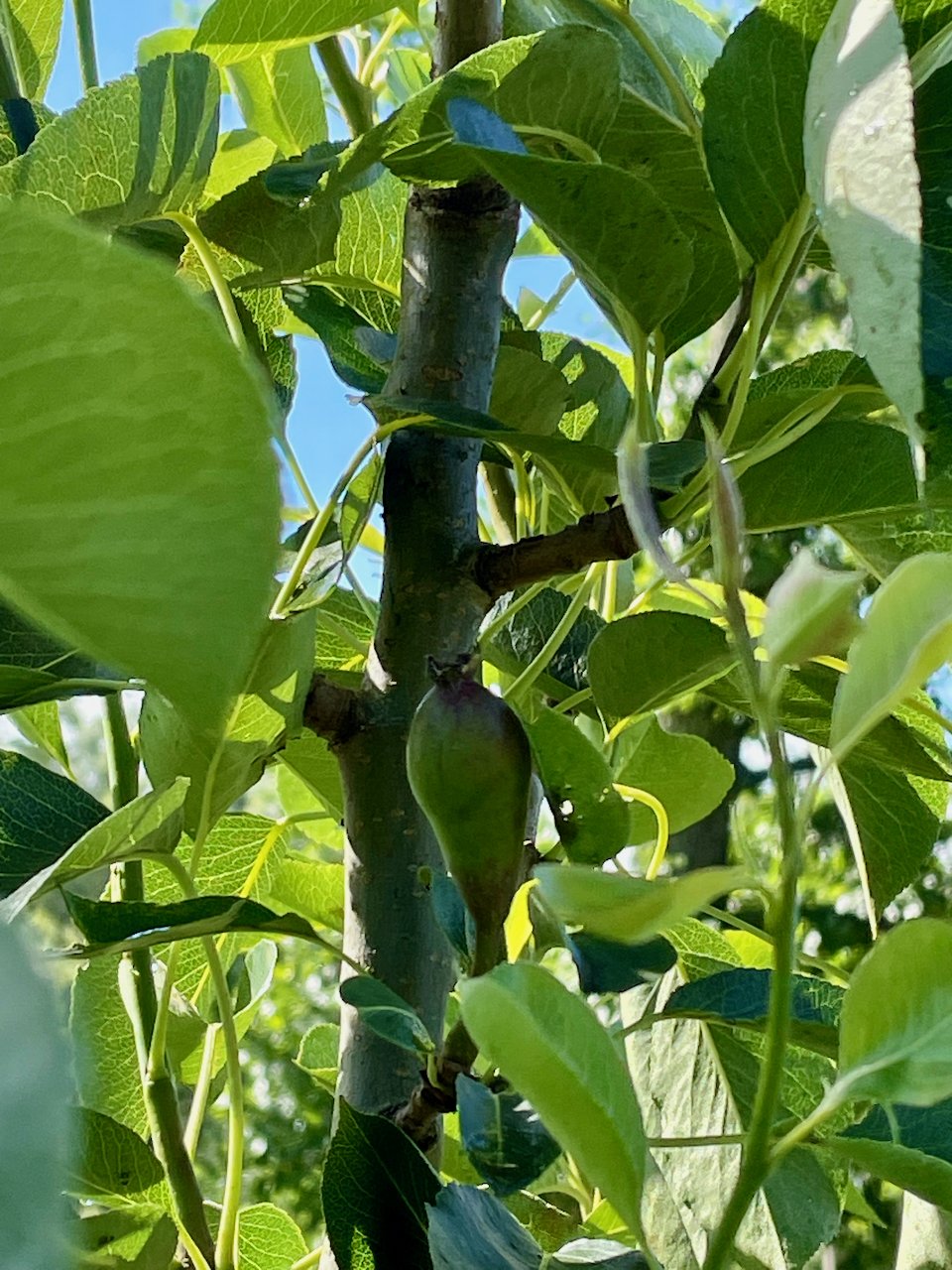
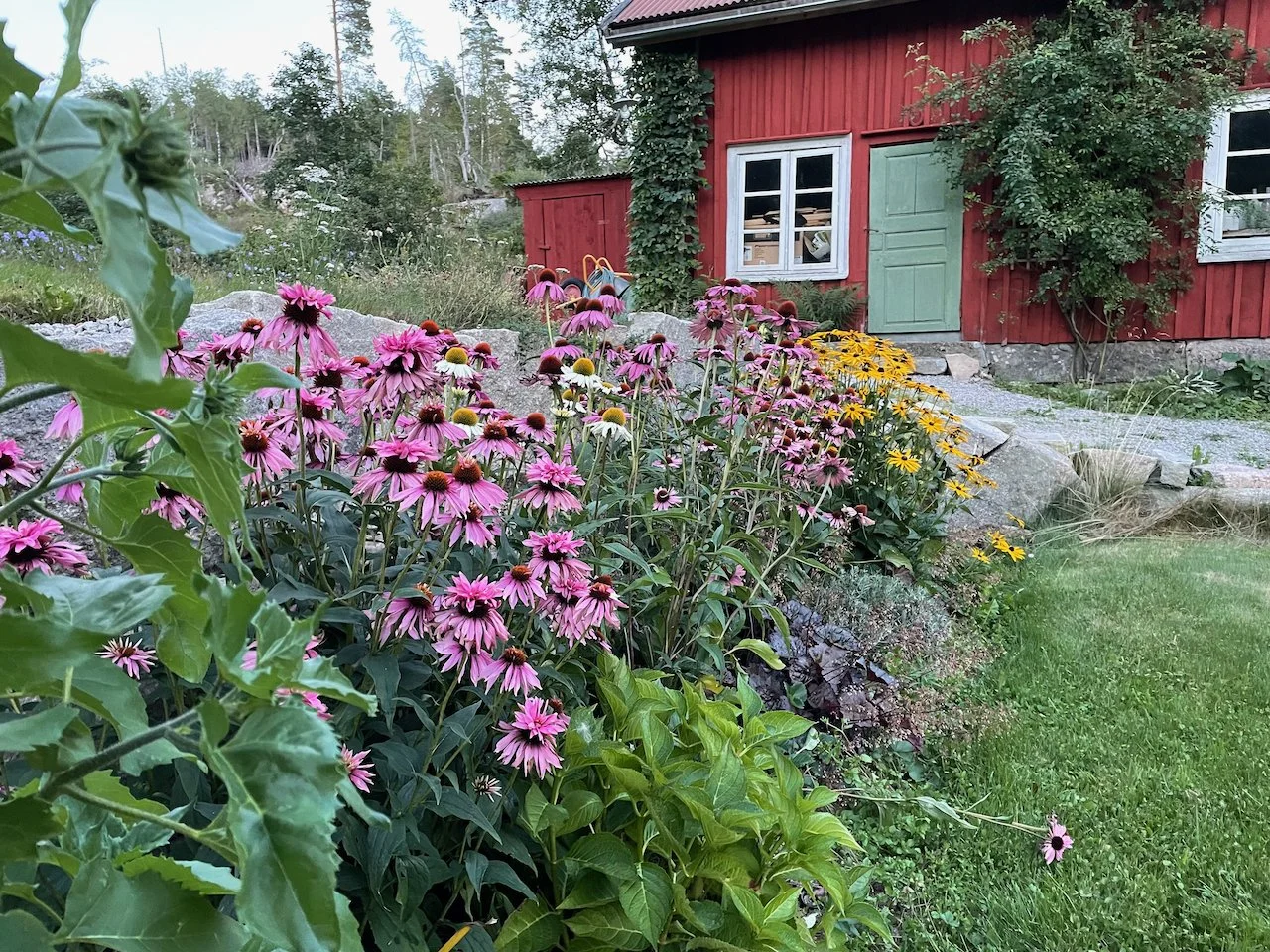
To cultivate robust plants successfully, you require two essential components: quality soil and a selection of greenery that suits your specific climate zone.
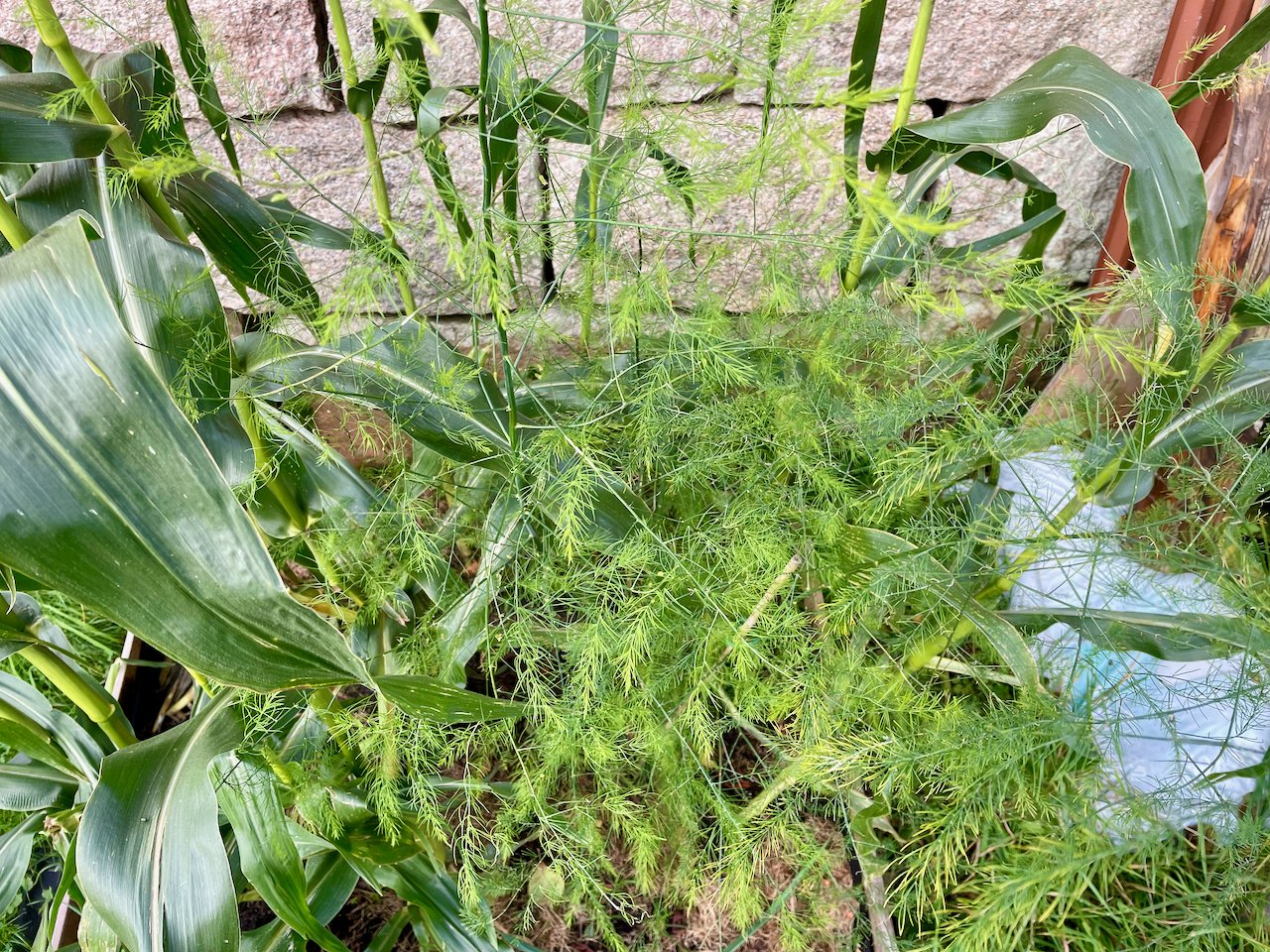
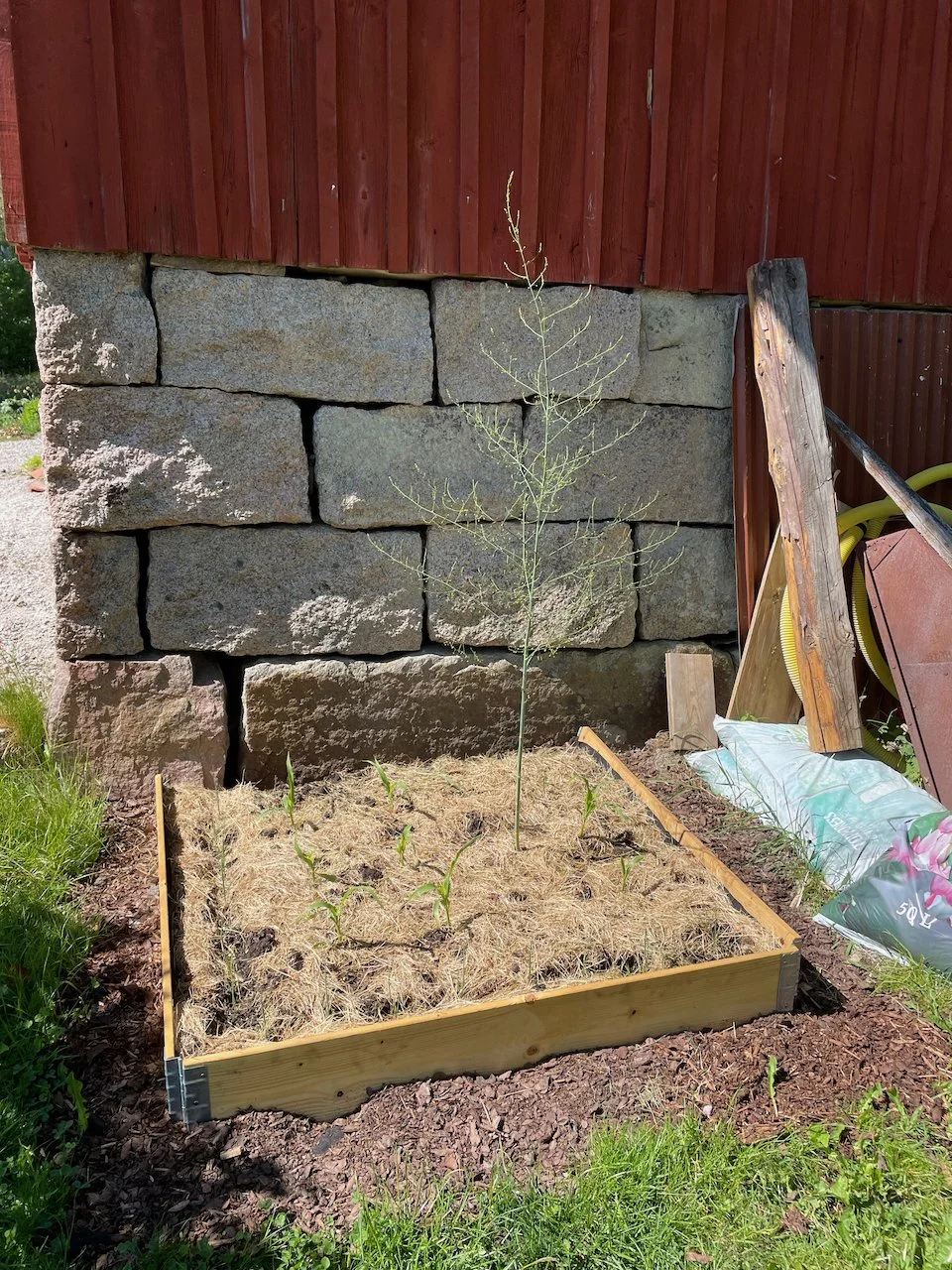
Grow Your Own Asparagus
Asparagus is a spring delicacy and apparently quite easy to cultivate. Yet there are a few things you have to consider.
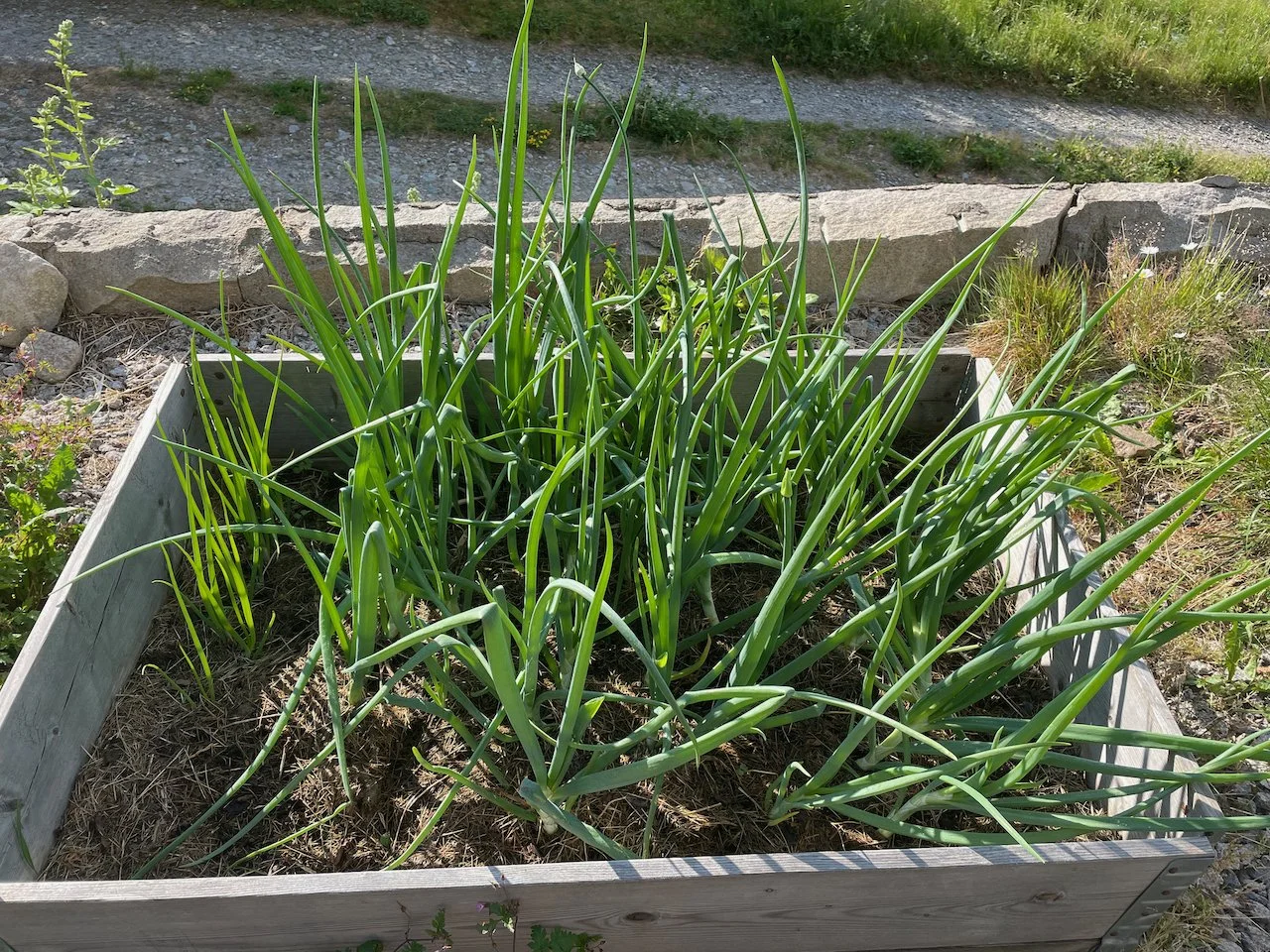
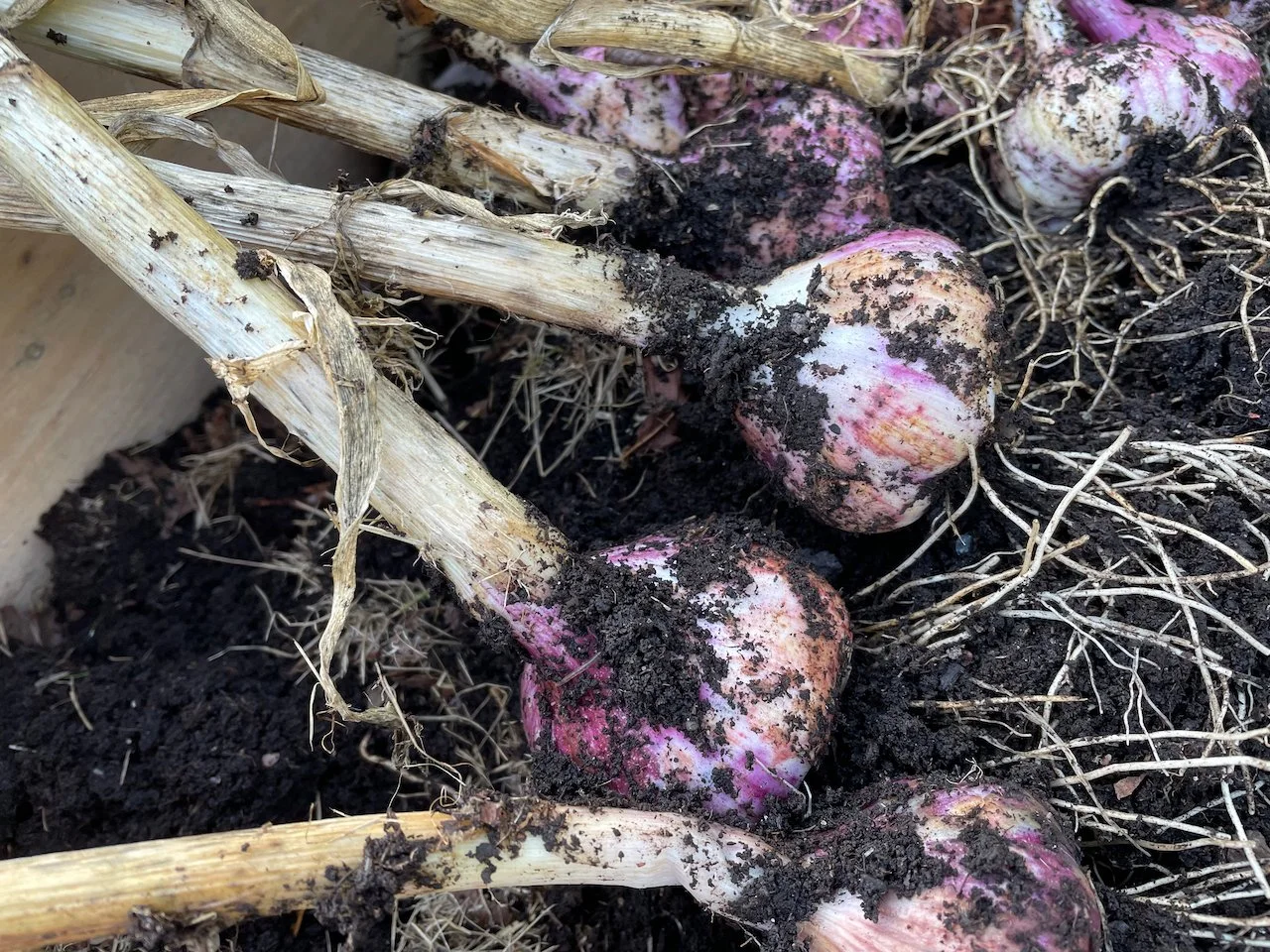
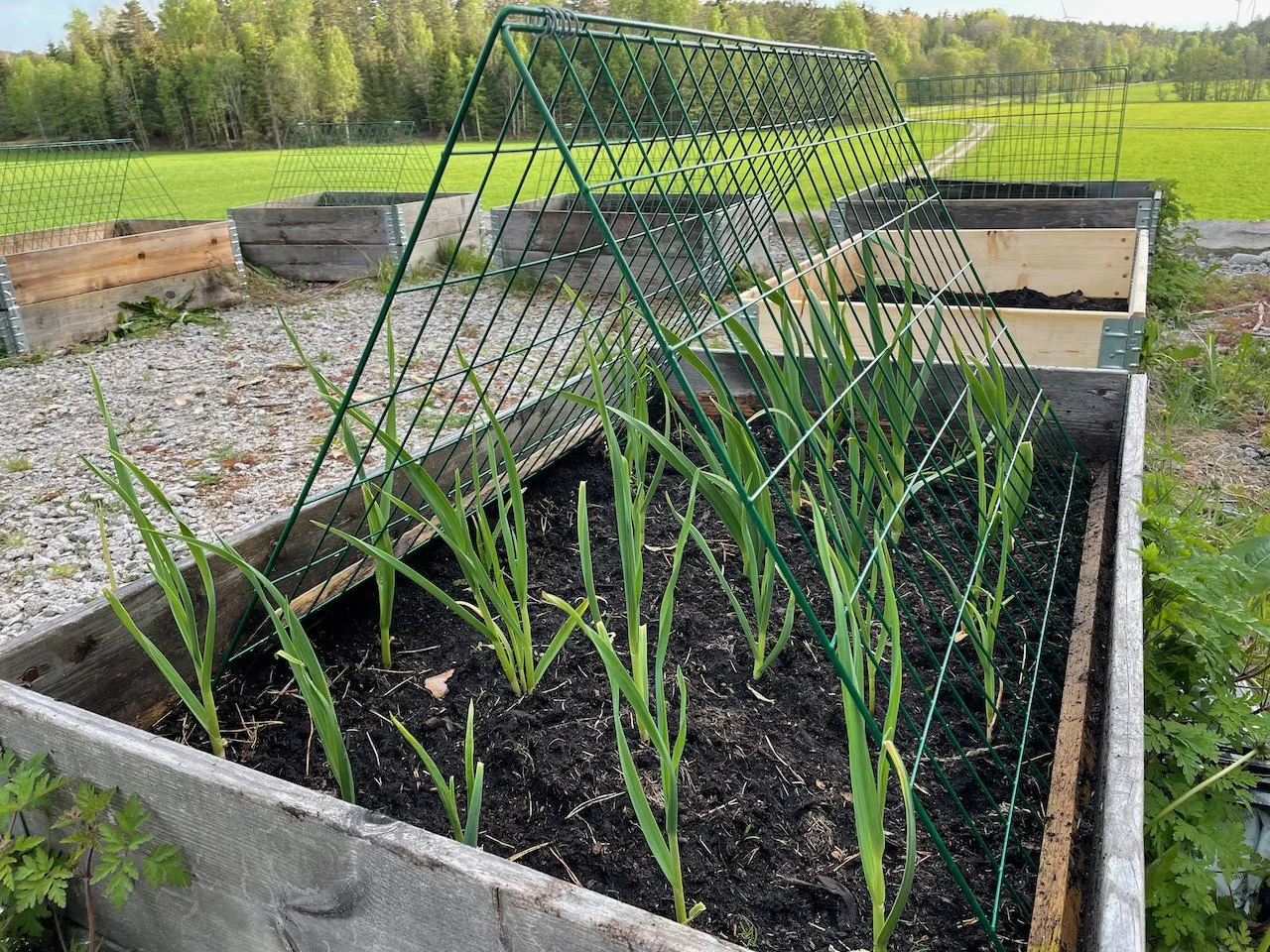
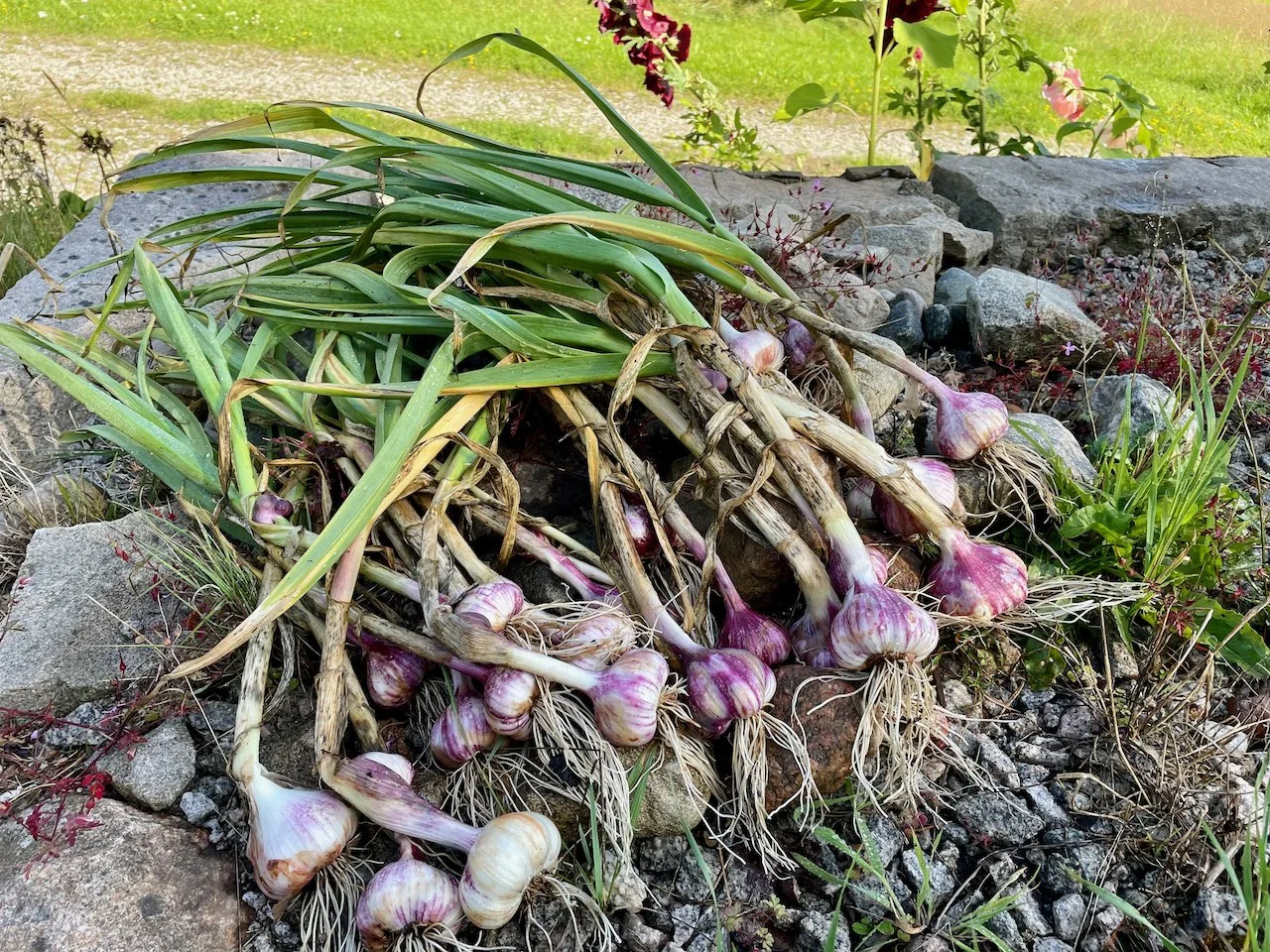
Garlic is fantastic to have in your own kitchen garden and is a staple ingredient in nearly all dishes. It adds an extra touch to cooking. If you're planning to grow it as we do in raised garden beds, you have good control over weeds, which otherwise tend to spread rapidly in the garden. The only thing to remember is to fertilize the soil before planting the garlic cloves in late autumn.
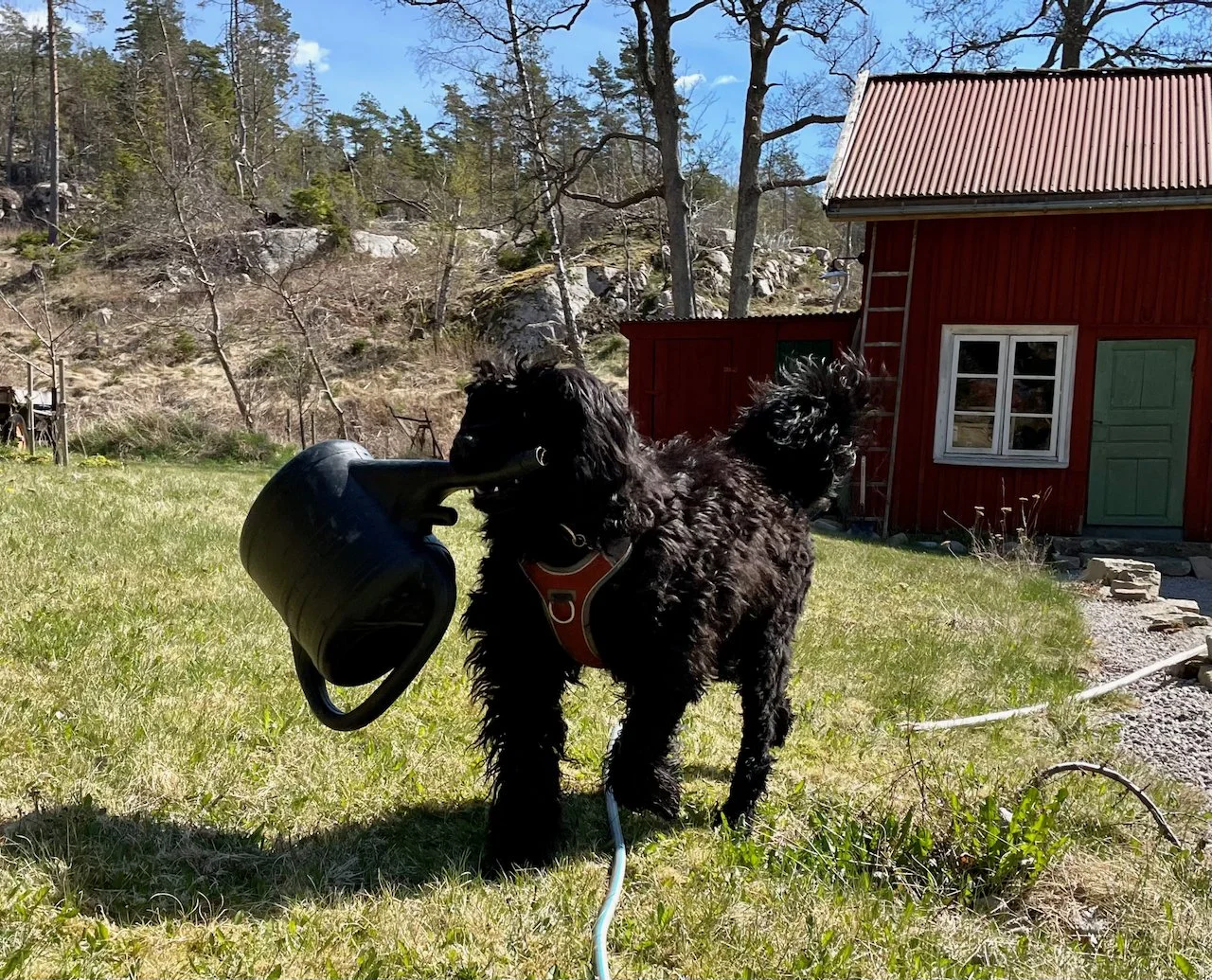
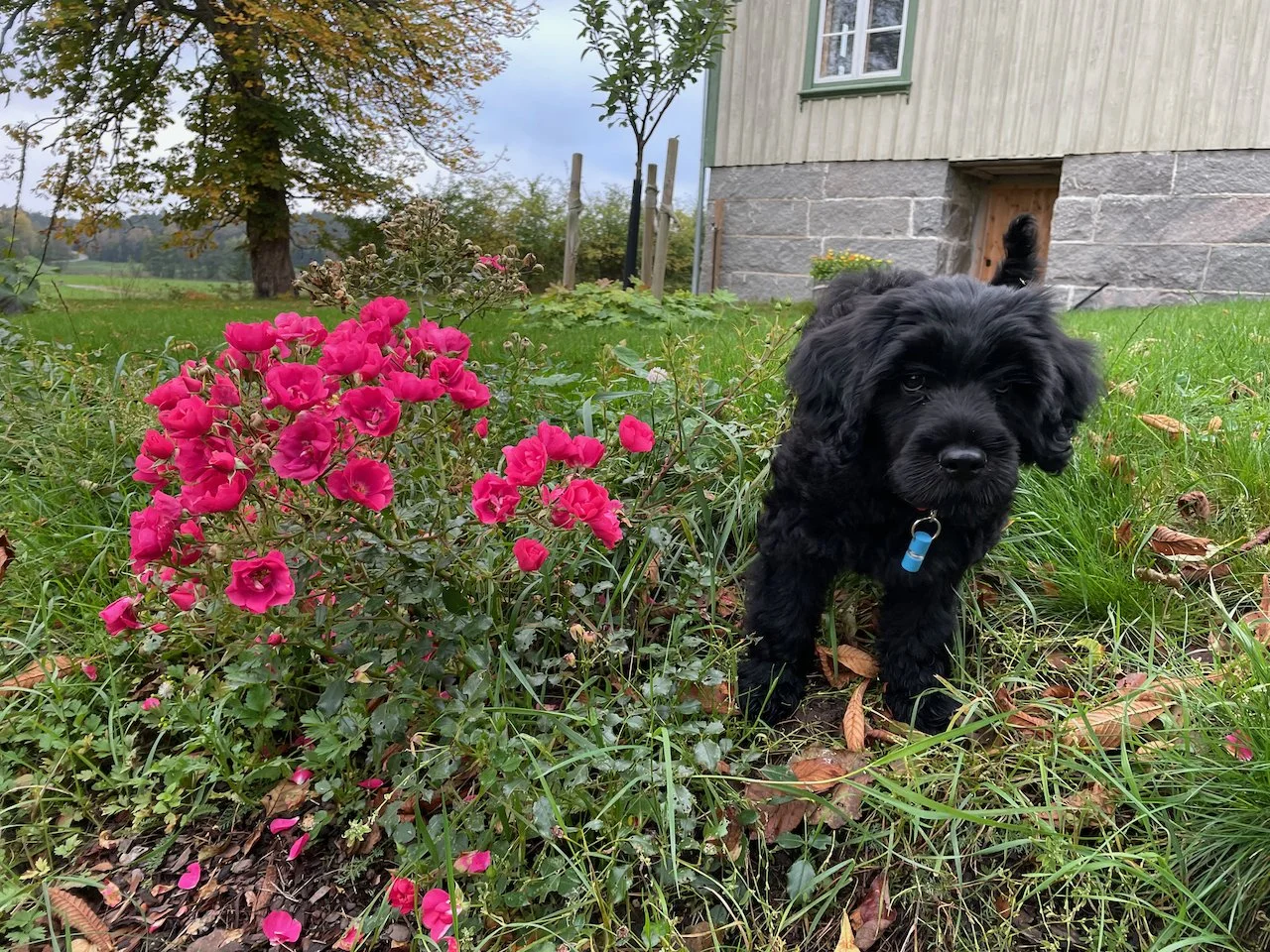
A helper in the garden is always good
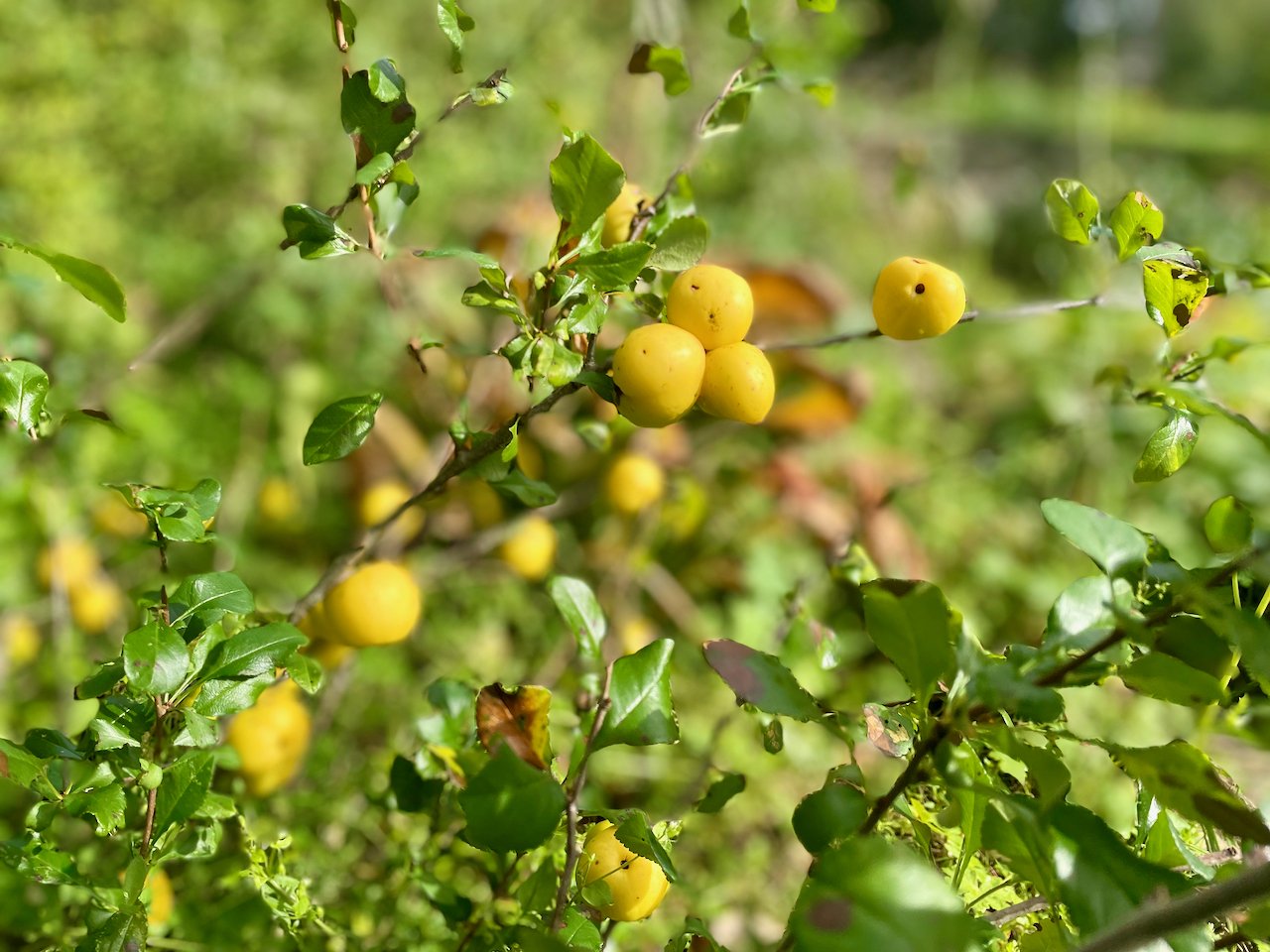
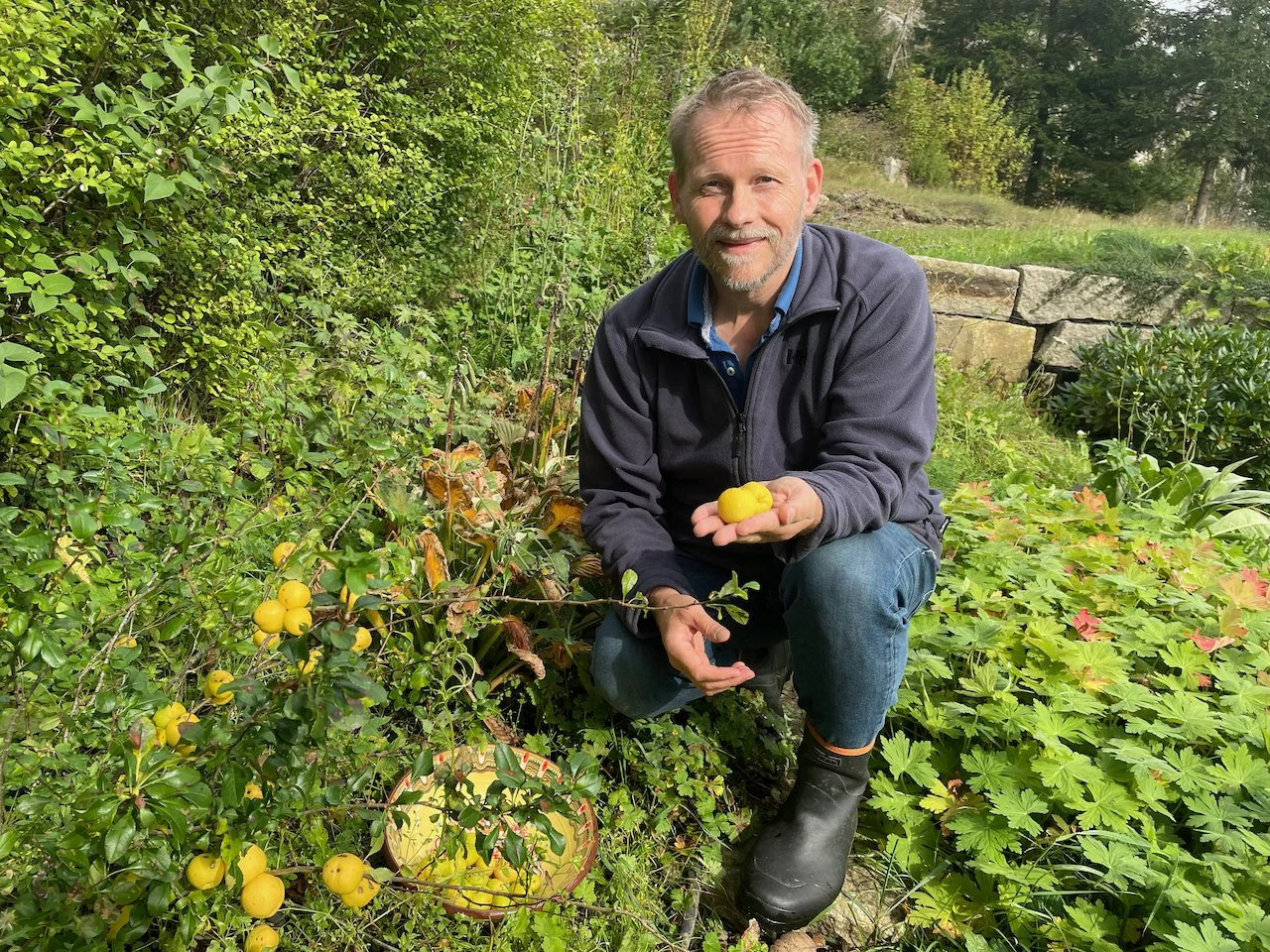
"Japanese Quince" Small Rose Quince
This was an experiment. I had never come across rose quince or Japanese quince before. So, I decided to plant it and observe if it could indeed thrive in the climate of western Sweden.